
Aru Valley – A Peaceful Himalayan Escape Near Pahalgam and the Amarnath Pilgrimage Circuit
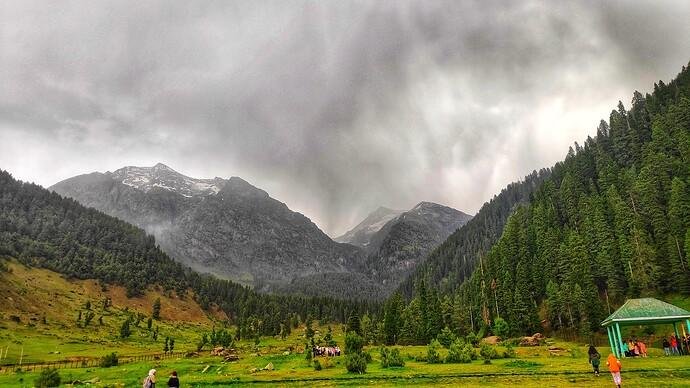
Aru Valley is a picturesque mountain village and meadow destination near Pahalgam in the Anantnag district of Jammu and Kashmir. Surrounded by pine forests, open grasslands, flowing streams and snow-covered Himalayan peaks, Aru offers pilgrims and families a peaceful place to rest and explore after visiting the sacred destinations around Pahalgam.
Located approximately 12–15 kilometres from Pahalgam, Aru Valley is known for its unspoilt natural scenery and quiet village atmosphere. It is also an important starting point for treks towards places such as Kolahoi Glacier, Lidderwat, Tarsar Lake, Marsar Lake and Katarnag Lake. The scenic drive from Pahalgam to Aru passes through the beautiful Lidder Valley and is itself one of the highlights of the journey.
For devotees visiting Mamleshwar Temple, travelling through Pahalgam for the Shri Amarnath Ji Yatra, or exploring the historic temples around Anantnag, Aru Valley provides a refreshing leisure experience that can be added before or after darshan.
Instead of returning immediately after a demanding pilgrimage, travellers can spend a few peaceful hours or an entire day in Aru, walking through the meadows, enjoying mountain views and spending meaningful time with family. With suitable accommodation booked through MudrasStays, pilgrims can combine temple visits, sightseeing, proper rest and local experiences within one thoughtfully planned journey.
A Peaceful Retreat After Temple Darshan
Pilgrimage journeys around Pahalgam may involve long road travel, early departures, extensive walking and changing mountain weather. Travellers undertaking the Amarnath Yatra may also need time to rest before beginning the high-altitude route or to recover after returning from darshan.
Aru Valley offers a calm and spacious environment away from crowded markets and busy transit points. Visitors can walk across the green meadows, sit beside the mountain streams, photograph the surrounding pine forests or simply spend time enjoying the cool Himalayan air.
The destination is particularly suitable for:
Families visiting Pahalgam for temple darshan
Pilgrims resting before or after the Amarnath Yatra
Couples extending a spiritual trip into a nature holiday
Religious groups with an additional sightseeing day
Families travelling with children
Nature lovers and photography enthusiasts
Travellers interested in trekking and mountain exploration
Aru does not need to be explored through a hurried schedule. Its greatest attraction is the opportunity to slow down and experience the natural beauty surrounding the sacred Pahalgam region.
Green Meadows, Pine Forests and Mountain Views
Aru Valley is centred around a traditional mountain village surrounded by broad meadows and forested Himalayan slopes. The Anantnag district administration describes Aru as a picturesque village and meadow that serves as the base for several important treks, including the route towards Kolahoi Glacier.
During the warmer months, the valley becomes green and colourful, with grazing animals, flowing streams and pine-covered mountains creating a peaceful countryside setting. In colder months, snowfall can transform Aru into a white mountain landscape, although access and road conditions depend on the weather.
Visitors can enjoy:
Leisurely walks through the meadows
Scenic mountain photography
Quiet picnics with family
Village and rural landscape views
Forest walks
Riverside relaxation
Short guided hikes
Longer trekking expeditions
Families who do not want to undertake a difficult trek can still enjoy the main meadow and village surroundings at a comfortable pace.
Aru Valley and the Amarnath Yatra Connection
Pahalgam is one of the two principal gateways for the Shri Amarnath Ji Yatra. The official Pahalgam route begins from the Nunwan base area and proceeds towards Chandanwari before continuing through the higher-altitude pilgrimage stages. The Shrine Board identifies the Pahalgam route as approximately 32 kilometres from the access-control point towards the holy cave, while Chandanwari serves as the route’s principal access gate.
Aru Valley is not located directly on the official Amarnath trekking route. It lies on a separate road from Pahalgam and should therefore be planned as an additional leisure excursion rather than a yatra stop.
Pilgrims can explore Aru:
Before beginning the Amarnath Yatra, provided they have a free sightseeing day
After returning from darshan and taking adequate rest
During a separate Pahalgam family holiday
While visiting nearby Shiva temples and sacred sites
Travellers should never schedule an Aru excursion immediately before a fixed yatra reporting time. Official registration, health requirements, movement timings and Shrine Board instructions should always take priority.
A comfortable itinerary may include:
Pahalgam arrival – Mamleshwar Temple darshan – Aru Valley sightseeing – Amarnath Yatra preparation – Shri Amarnath Ji darshan – recovery stay in Pahalgam
This arrangement allows pilgrims to enjoy the destination without compromising their pilgrimage schedule.
Visit Mamleshwar Temple Before Aru Valley
Pilgrims staying in Pahalgam can begin their day with darshan at Mamleshwar Temple, an ancient shrine dedicated to Lord Shiva. The temple forms an important part of the spiritual landscape of Pahalgam and is especially meaningful for devotees travelling towards the holy Amarnath Cave.
After offering prayers at Mamleshwar Temple, visitors can travel towards Aru Valley for a relaxed afternoon among mountains and meadows.
A suitable temple and leisure route may include:
Mamleshwar Temple – Pahalgam – Aru Valley
This combination is ideal for families who want to balance religious devotion with peaceful sightseeing. It is also less physically demanding than a full trekking itinerary, making it suitable for travellers with children or elderly family members.
Pilgrims can return to Pahalgam in the evening, explore the local market and rest at their hotel before continuing with the next stage of the journey.
Explore the Kolahoi Glacier Trekking Route
Aru Valley is widely recognised as a starting point for journeys towards Kolahoi Glacier, one of the best-known trekking areas in the Pahalgam region. The route passes through meadows, forests and high-altitude landscapes, and Aru serves as an important base for travellers preparing for the expedition.
The Kolahoi route is intended for trekkers rather than ordinary family sightseeing. It requires proper preparation, suitable equipment, physical fitness and the services of an experienced local guide.
Pilgrims visiting Aru only for leisure do not need to attempt the full trek. They can enjoy shorter walks around the village and meadow while appreciating the distant mountains connected with the trekking route.
Travellers considering longer expeditions should:
Hire an experienced and authorised local guide
Check current weather and trail conditions
Carry suitable footwear and layered clothing
Avoid beginning a trek during poor visibility or heavy rain
Inform their accommodation provider about the planned route
Carry sufficient water, food and basic medical supplies
Allow proper time for acclimatisation
Mountain conditions can change quickly, and longer trekking plans should never be undertaken casually.
Trek to Tarsar and Marsar Lakes
Aru Valley is also one of the principal gateways for treks towards Tarsar and Marsar, two beautiful high-altitude alpine lakes in the Kashmir Himalayas. The Anantnag district administration describes these twin lakes as popular multi-day trekking destinations starting from Aru Valley.
Tarsar is known for its distinctive almond-shaped basin and turquoise water, while Marsar lies within a more remote and dramatic mountain setting. The journey generally passes through meadows, forests, rivers and high-altitude camps.
This trek is best suited to physically prepared travellers who have sufficient time and appropriate equipment. It should not be treated as a short add-on to a temple itinerary.
For pilgrims who are not undertaking the trek, learning about these routes still adds meaning to the visit. Aru is not merely a sightseeing meadow; it is the starting point of some of Kashmir’s most significant alpine journeys.
Visit Lidderwat
Lidderwat is another important trekking and camping area accessible from the Aru side. It lies between the Kolahoi and Tarsar ranges and serves as a base for further journeys towards Kolahoi Glacier, Tarsar and Marsar lakes. The region is also associated with the meeting of important glacial river systems.
Visitors undertaking the Lidderwat route pass through pine forests, mountain streams and wide meadows. The journey provides a deeper experience of the landscape beyond the main Aru village.
A trek to Lidderwat should be planned with a local guide and appropriate overnight arrangements. Ordinary visitors can instead take a shorter walk from Aru and return to the village within the same day.
Discover Katarnag Lake
Katarnag Lake is a high-altitude lake situated within the wider Aru Valley region. The trail begins through the characteristic meadows and pine forests of Kashmir before entering rockier and less vegetated terrain at higher elevations.
The lake is suitable for experienced trekkers and visitors travelling with trained local guides. Weather, snow and trail conditions can significantly affect accessibility.
For temple travellers, the presence of Katarnag Lake highlights the diversity of experiences available around Pahalgam. A journey that begins with temple darshan can be extended into nature walks, alpine exploration and mountain trekking according to the traveller’s interests and physical ability.
Combine Aru Valley with Betaab Valley
Betaab Valley is another popular leisure destination near Pahalgam. It is known for green lawns, riverside scenery, pine forests and its association with the Hindi film Betaab. The valley lies on the Pahalgam–Chandanwari side, while Aru is reached by a different road from Pahalgam.
Travellers generally need to return towards Pahalgam when moving between Aru Valley and Betaab Valley.
A full-day sightseeing plan may include:
Pahalgam – Aru Valley – Return towards Pahalgam – Betaab Valley
However, families with young children, senior citizens or limited time may prefer visiting only one valley in a day.
Aru offers a quieter village-and-meadow experience and serves as a trekking gateway. Betaab Valley offers a more developed riverside leisure environment. Both can be included across separate days during an extended Pahalgam stay.
Explore Baisaran Valley
Baisaran Valley is another scenic meadow near Pahalgam, generally reached through a short trek or pony journey. It offers views over Pahalgam and the wider Lidder Valley and is surrounded by pine and fir forests.
Baisaran and Aru provide different experiences:
Aru Valley: Road-accessible mountain village, meadows and trekking base
Baisaran Valley: Elevated meadow generally reached on foot or by pony
Betaab Valley: Developed riverside scenery and family leisure
Chandanwari: Religious gateway to the traditional Amarnath route
Travellers staying for several days can explore these attractions separately without making the journey tiring.
Include Martand Sun Temple in the Journey
Pilgrims travelling between Srinagar, Anantnag and Pahalgam can include the historic Martand Sun Temple in their itinerary. The surviving temple complex dates to the eighth century and is dedicated to Surya, the Sun God. It is recognised for its monumental stone columns and distinctive Kashmiri architectural style.
A wider spiritual and leisure circuit can include:
Martand Sun Temple – Mattan – Pahalgam – Mamleshwar Temple – Aru Valley – Chandanwari – Shri Amarnath Ji
This route allows travellers to experience Kashmir’s ancient Hindu heritage, Shiva worship, mountain scenery and the sacred Amarnath pilgrimage within one extended journey.
The itinerary should be spread across several days to provide sufficient time for darshan, travel and rest.
A Family-Friendly Leisure Destination
Aru Valley can be enjoyed without undertaking a major trek. Families can remain close to the principal meadow, explore the village surroundings and enjoy the mountain scenery at a gentle pace.
Children can appreciate the open landscape and flowing streams, while adults can enjoy photography and quiet walks. Senior citizens can spend time near the accessible meadow areas, although uneven surfaces and changing weather should be considered.
Families should carry:
Drinking water
Light snacks
Essential medicines
Warm clothing
Rain protection
Comfortable footwear
Sun protection
Basic food for children
Visitors should avoid approaching fast-flowing streams, climbing unstable slopes or entering unfamiliar forest routes without a guide.
Local Village Experience
Aru retains the atmosphere of a traditional Himalayan settlement. The village surroundings, grazing animals, wooden structures and mountain landscape provide travellers with an experience that differs from the busier tourism centre of Pahalgam.
Visitors should respect the privacy and daily life of local residents. Photography of people, homes or private property should be done only with permission.
Travellers should also avoid leaving plastic, food wrappers or other waste in the meadows. Keeping the landscape clean is essential to preserving the tranquillity and ecological character of Aru.
Small eateries and refreshment points may operate according to season and visitor demand. Travellers with dietary restrictions or elderly family members should carry essential food instead of depending entirely on local availability.
Best Time to Visit Aru Valley
Aru Valley offers a different experience during each season.
Spring
Spring brings fresh greenery, melting snow and comfortable conditions for sightseeing. Some higher trekking routes may still remain inaccessible depending on snowfall.
Summer
Summer is popular for green meadows, village walks, family picnics and trekking. It may also overlap with the broader Amarnath pilgrimage season, increasing accommodation and transport demand around Pahalgam.
Monsoon
Rain can deepen the greenery but may also make trails slippery and affect visibility. Longer treks should be avoided during unstable weather.
Autumn
Autumn offers cooler temperatures, clearer mountain views and changing foliage. It can be suitable for visitors seeking a quieter experience.
Winter
Snow may transform Aru into a winter landscape. Road access, local transport and outdoor activities depend on current snowfall and clearance conditions.
Travellers should check the latest weather, road conditions and official local advisories before leaving Pahalgam.
How Much Time to Spend at Aru Valley
Visitors can generally keep around three to five hours for a relaxed sightseeing trip from Pahalgam. This allows time for the scenic drive, meadow walks, photography and refreshments.
A complete day can be planned for visitors who want to take longer walks or spend unhurried time in the village.
Multi-day itineraries are necessary for trekking towards:
Kolahoi Glacier
Tarsar Lake
Marsar Lake
Lidderwat
Katarnag Lake
These expeditions require separate planning and should not be combined with a tightly scheduled temple or yatra day.
Suggested Aru Valley Pilgrimage and Leisure Itinerary
Day 1: Arrival in Pahalgam
Reach Pahalgam, check into your hotel and rest after the road journey. Spend the evening beside the Lidder River or explore the local market.
Day 2: Temple Darshan and Aru Valley
Visit Mamleshwar Temple in the morning. After darshan, travel to Aru Valley and spend a peaceful afternoon exploring the meadows and village surroundings.
Day 3: Pahalgam Sightseeing
Visit Betaab Valley, Baisaran or another nearby attraction according to the family’s interests and mobility.
Day 4: Amarnath Yatra Preparation
Complete all official requirements, organise transport and keep sufficient time for rest.
Following Days: Shri Amarnath Ji Yatra
Proceed according to the route, schedule and instructions issued by the Shrine Board.
Recovery Stay
After returning from darshan, stay in Pahalgam or Aru for adequate rest before beginning the onward journey.
How to Reach Aru Valley
Aru Valley is accessible by road from Pahalgam. Official tourism sources place it approximately 12–15 kilometres from the town, depending on the reference point used. The road journey passes through the scenic Lidder Valley and mountain countryside.
Visitors can enquire about:
Registered local taxis
Hotel-arranged vehicles
Authorised sightseeing transport
Shared local transport, where available
Current rules for private vehicles
Transport regulations may vary, especially during peak tourism periods or the Amarnath Yatra. Travellers should confirm the current arrangement with their hotel or an authorised local transport counter.
Srinagar International Airport is the principal airport serving travellers visiting Pahalgam and Aru.
Where to Stay Near Aru Valley
Travellers can stay either in Aru Valley or in Pahalgam.
Staying in Aru is suitable for visitors seeking a quieter mountain experience, early access to trekking routes and peaceful mornings away from the busier town. JKTDC lists accommodation in Aru, including resort rooms, huts and dormitory-style options.
Staying in Pahalgam is more convenient for travellers who require:
Greater hotel choice
Access to restaurants and shops
Easier transport arrangements
Proximity to Mamleshwar Temple
Connectivity with the Amarnath Yatra base
Medical and general travel facilities
Access to Betaab Valley and Chandanwari routes
When selecting accommodation, pilgrims should consider:
Distance from temples and pilgrimage points
Availability of hot water
Heating during colder months
Family-room options
Vegetarian food
Vehicle accessibility
Secure luggage storage
Ground-floor rooms for elderly visitors
Trekking assistance, where required
Flexible check-in and check-out policies
Book Stays Near Aru Valley and Pahalgam with MudrasStays
MudrasStays helps pilgrims discover suitable accommodation near temples, pilgrimage destinations and the leisure attractions surrounding sacred travel routes.
Travellers planning a Pahalgam and Aru journey can use MudrasStays to explore:
Hotels near Aru Valley
Cottages and family stays in Aru
Accommodation near Mamleshwar Temple
Hotels in Pahalgam near the Amarnath Yatra route
Stays near Nunwan base camp
Properties near the Lidder River
Family hotels near Betaab Valley
Pilgrimage-friendly rooms for senior citizens
Accommodation for travellers planning treks from Aru
Choosing the right stay can reduce unnecessary travel and allow families to experience the destination without rushing.
A well-planned journey through MudrasStays can bring together:
Mamleshwar Temple darshan, Aru Valley sightseeing, Pahalgam exploration, Amarnath Yatra preparation, comfortable stays and meaningful family time.
Aru Valley is more than a scenic meadow near Pahalgam. It is a peaceful Himalayan village, a gateway to alpine lakes and glaciers, and a refreshing leisure destination for pilgrims travelling through the sacred Amarnath region.
By adding Aru Valley to your temple itinerary and booking comfortable accommodation through MudrasStays, you can transform a demanding pilgrimage into a complete spiritual and leisure journey filled with darshan, natural beauty, mountain experiences and lasting family memories.