
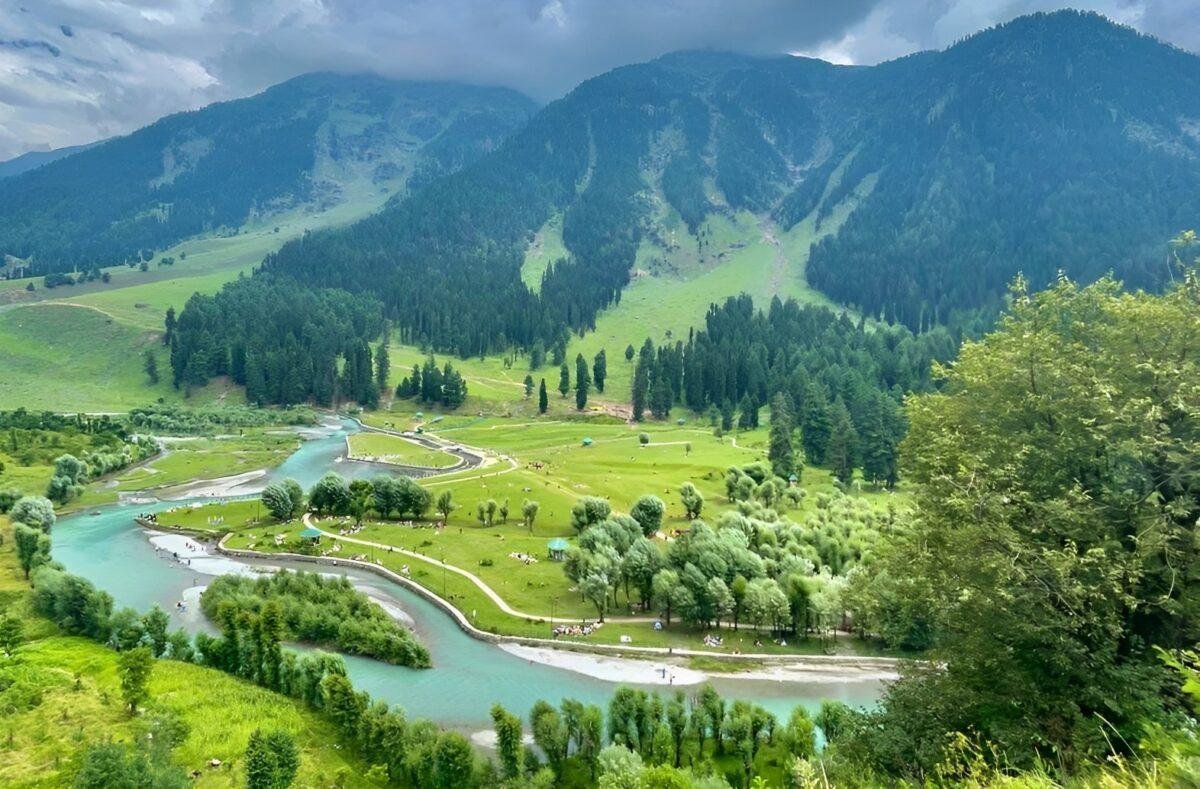
Betaab Valley – A Scenic Riverside Escape Near Pahalgam and the Amarnath Yatra Route
Betaab Valley is one of the most beautiful places to visit near Pahalgam, offering pilgrims and families a peaceful leisure experience amid green meadows, pine-covered hills, clear mountain water and panoramic Himalayan scenery. Located in the Anantnag district of Jammu and Kashmir, the valley is a rewarding addition to a journey centred on Shri Amarnath Ji, Mamleshwar Temple, Martand Sun Temple and the sacred destinations surrounding Pahalgam.
For devotees travelling through Pahalgam for the Amarnath Yatra, Betaab Valley provides an opportunity to rest, spend meaningful time with family and enjoy the natural beauty surrounding the pilgrimage route. The valley lies on the Pahalgam side of the road leading towards Chandanwari, making it convenient to include before the yatra, after returning from darshan or during an additional sightseeing day in Pahalgam.
Originally known locally as Hajan or Hagan Valley, the destination became widely known as Betaab Valley after scenes from the 1983 Hindi film Betaab were shot in the area. Today, its flowing river, grassy landscape, forested slopes and mountain backdrop make it one of the most photographed attractions around Pahalgam.
By booking a suitable stay in Pahalgam through MudrasStays, pilgrims can combine temple darshan, yatra preparation, sightseeing and proper rest without rushing through the journey.
A Peaceful Leisure Experience After Amarnath Darshan
The Amarnath pilgrimage can involve long journeys, early departures, changing weather and demanding high-altitude trekking. After completing such a spiritually significant journey, many devotees prefer to stay in Pahalgam for a short period before travelling onward.
Betaab Valley offers a calm environment where pilgrims can slow down after darshan. Families can walk through the meadows, sit beside the flowing water, enjoy the mountain air and spend time together away from crowded markets and transport points.
The attraction is particularly suitable for:
Families visiting Pahalgam during the Amarnath Yatra
Devotees resting before or after the pilgrimage
Senior citizens who prefer gentle sightseeing
Couples extending a spiritual journey into a short holiday
Religious groups staying in Pahalgam
Families travelling with children
Nature lovers and photography enthusiasts
A visit to Betaab Valley does not require a complicated sightseeing plan. Its real charm lies in walking slowly, enjoying the surroundings and allowing the peaceful mountain landscape to become part of the pilgrimage experience.
Green Meadows, Pine Forests and Mountain Scenery
Betaab Valley is known for its wide green meadows surrounded by forested mountain slopes and snow-covered peaks during suitable seasons. The Lidder River system flows through the landscape, adding clear blue-green water and gentle riverside scenery to the valley. The Anantnag district administration describes Betaab Valley as a destination of green meadows, mountain peaks and the Lidder River, while Incredible India highlights its greenery and panoramic views.
Visitors can walk along the developed pathways, sit on the grass, photograph the river and enjoy views of the surrounding mountains. During spring and summer, the landscape appears green and colourful, while winter can cover parts of the valley in snow.
The open surroundings make Betaab Valley especially enjoyable for families. Children can enjoy the outdoor setting, adults can explore the walking paths and senior citizens can relax at a comfortable pace.
Visitors should avoid entering fast-moving water, particularly during periods of rain, snowmelt or increased river flow. Mountain streams can be cold and unpredictable even when they appear shallow.
The Bollywood Story Behind Betaab Valley
Betaab Valley has a strong connection with Indian cinema. The destination received its popular name after the romantic Hindi film Betaab, starring Sunny Deol and Amrita Singh, was filmed in the area. The film was released in 1983, and the valley’s scenic landscape became closely associated with its memorable outdoor sequences.
This cinematic history adds another layer to the visitor experience. Travellers who enjoy classic Bollywood films can walk through a landscape that became familiar to audiences across India through cinema.
Over time, the location has continued to attract photographers, filmmakers and travellers seeking picturesque natural backgrounds. However, Betaab Valley remains most meaningful when experienced slowly rather than treated only as a photography stop.
For pilgrims, the Bollywood connection makes the attraction enjoyable for younger family members while the peaceful environment provides rest for those returning from temple darshan.
A Family Picnic Destination Near Pahalgam
Betaab Valley is well suited to a relaxed family outing. Visitors can spend time on the lawns, enjoy light refreshments, walk near the river and take family photographs against the mountain backdrop.
A picnic here can be included after visiting Mamleshwar Temple or during a day covering Betaab Valley and Chandanwari. Families should carry drinking water, essential medicines and light snacks, particularly when travelling with children or elderly members.
Visitors must keep the valley clean by avoiding disposable plastic and carrying waste back to designated disposal points. The beauty of Betaab Valley depends on preserving its meadows, forests and water channels.
Loud music, damage to plants and disturbance to animals should also be avoided. For pilgrims, maintaining the peaceful character of the valley is consistent with the reflective spirit of the wider spiritual journey.
Visit Mamleshwar Temple Before Exploring Betaab Valley
Pilgrims staying in Pahalgam can begin their day with darshan at Mamleshwar Temple, an ancient shrine dedicated to Lord Shiva. The temple is one of the important sacred places associated with Pahalgam and naturally complements a journey towards Shri Amarnath Ji. Incredible India includes Mamleshwar Temple among the significant spiritual sites in Pahalgam.
After offering prayers at Mamleshwar Temple, devotees can travel towards Betaab Valley for a peaceful nature experience. This creates a well-balanced itinerary combining spiritual devotion with family leisure.
A suitable half-day route may include:
Mamleshwar Temple – Pahalgam Market – Betaab Valley
Travellers with additional time can continue towards Chandanwari, subject to weather, road access and current administrative instructions.
This combination is particularly suitable for families who want to explore Pahalgam without undertaking strenuous trekking.
Betaab Valley and the Amarnath Yatra Connection
Pahalgam is one of the principal gateways for the Shri Amarnath Ji Yatra. The traditional route proceeds from the Pahalgam side through Chandanwari, Pissu Top, Sheshnag and Panchtarni before reaching the holy cave. The official Shrine Board identifies Chandanwari as the access point for the Pahalgam route and places it approximately 16 kilometres from Pahalgam.
Betaab Valley lies along the broader Pahalgam–Chandanwari sightseeing corridor, making it a convenient leisure addition for pilgrims using this side of the yatra route. However, Betaab Valley itself is a sightseeing attraction and should not be confused with an official yatra camp or access-control point.
During the pilgrimage season, road movement, vehicle access and visiting hours around Chandanwari may be regulated. Pilgrims should always follow the latest directions issued by the Shrine Board, district administration and security authorities.
A comfortable journey may include:
Pahalgam stay – Mamleshwar Temple – Betaab Valley – Chandanwari – Amarnath Yatra
Travellers should avoid packing all these experiences into the same day if they need to report for the yatra early or have not had sufficient rest.
Visit Chandanwari After Betaab Valley
Chandanwari is an important religious and scenic destination beyond Betaab Valley. It marks the beginning of the trekking section of the traditional Amarnath Yatra route and is surrounded by mountain scenery, rocky terrain and the flowing Lidder River.
Pilgrims may visit Betaab Valley while travelling towards Chandanwari, depending on current traffic and access arrangements. Outside the busiest yatra movement periods, Chandanwari is also explored for its natural scenery and seasonal snow.
Visitors should remember that pilgrimage operations take priority during the officially announced yatra period. Road closures or restricted tourist movement may apply, and ordinary sightseeing plans may need to be adjusted.
Betaab Valley can therefore serve as the more relaxed family stop, while Chandanwari represents the transition towards the sacred high-altitude pilgrimage route.
Combine Betaab Valley with Aru Valley
Aru Valley is another beautiful destination near Pahalgam, known for its meadows, mountain views, village atmosphere and trekking routes. Incredible India places Aru approximately 12 kilometres from Pahalgam and describes it as a peaceful destination surrounded by lakes, mountains and scenic landscapes.
Betaab Valley and Aru Valley lie on different roads from Pahalgam, so travellers generally return towards the town before proceeding to the next attraction.
A full-day sightseeing plan may include:
Pahalgam – Betaab Valley – Return to Pahalgam – Aru Valley
This itinerary is suitable for visitors with a complete leisure day available. Families with senior citizens or small children may prefer selecting only one valley to avoid excessive driving.
Betaab Valley is generally better suited to a straightforward picnic and riverside outing, while Aru offers a quieter village-and-meadow experience with possibilities for longer walks and trekking.
Explore Baisaran Valley
Baisaran is another well-known meadow attraction near Pahalgam. Surrounded by pine forests and mountains, it is commonly accessed by walking or pony ride, depending on weather and local arrangements.
Visitors who want an easy road excursion may prefer Betaab Valley, while those interested in a meadow reached through a more active journey may consider Baisaran.
A longer Pahalgam leisure itinerary can include:
Mamleshwar Temple – Betaab Valley – Aru Valley – Baisaran
This should be spread across more than one day, particularly when travelling with elderly family members or preparing for the Amarnath Yatra.
Travellers using pony services should select authorised operators, confirm the route and total charge in advance and avoid undertaking the journey during poor weather.
Include Martand Sun Temple in the Pilgrimage Journey
Travellers approaching Pahalgam through Anantnag can visit the historic Martand Sun Temple, an ancient temple complex dedicated to Surya. Located near Mattan, the temple represents an important part of Kashmir’s Hindu heritage and can be included before reaching Pahalgam.
The Jammu and Kashmir Tourism Development Corporation includes Martand Temple with Aru and Betaab Valley as part of a broader cultural and sightseeing route through the region.
A spiritually enriching itinerary may include:
Martand Sun Temple – Mattan – Mamleshwar Temple – Pahalgam – Betaab Valley – Chandanwari – Shri Amarnath Ji
This route connects ancient temple heritage, Lord Shiva worship, the Amarnath pilgrimage and Kashmir’s natural beauty.
Travellers should keep sufficient time for each place instead of treating the route as a rushed checklist.
Photography and Quiet Nature Walks
Betaab Valley is ideal for landscape and family photography. The river, green lawns, forested hills and distant mountains create natural backgrounds without requiring a difficult trek.
Visitors can photograph:
The river winding through the valley
Pine-covered mountain slopes
Green meadows and walking paths
Seasonal flowers
Snow-covered landscapes during winter
Family and pilgrimage-group portraits
Reflections in calmer sections of the water
Morning light can provide clearer scenery and a quieter environment, while late afternoon may offer softer light across the slopes. Weather in the mountains can change quickly, so visitors should protect cameras and mobile phones from sudden rain.
Photography should remain respectful. Avoid blocking pathways, entering restricted areas or damaging plants to create a photograph.
Best Time to Visit Betaab Valley
Betaab Valley offers a different experience across the seasons.
Spring
Spring brings fresh greenery, blooming plants and pleasant conditions for walks and family sightseeing.
Summer
Summer is popular for green meadows, clear road access and outdoor picnics. It also overlaps with the wider Amarnath pilgrimage period, so accommodation demand and traffic around Pahalgam may increase.
Monsoon
Rain makes the landscape greener but may also affect road conditions, river levels and visibility. Travellers should check local weather before departure.
Autumn
Autumn offers cooler temperatures, changing foliage and a comparatively peaceful atmosphere.
Winter
Winter can transform Betaab Valley into a snow-covered landscape. Access may depend on snowfall, road clearance and local conditions. Warm clothing, suitable footwear and flexible travel plans are essential.
Official tourism descriptions highlight both the green summer landscape and the snow-covered winter character of Pahalgam and Betaab Valley.
How Much Time to Spend at Betaab Valley
Most visitors can keep approximately two to three hours for Betaab Valley. This provides enough time for a relaxed walk, photography, riverside views and family leisure.
Travellers may require additional time when:
Visiting during peak tourist or yatra periods
Travelling with senior citizens
Combining the valley with Chandanwari
Planning a long picnic
Experiencing traffic or road restrictions
Stopping frequently for photography
Visitors should not schedule the excursion immediately before a fixed yatra reporting time, train, flight or long-distance road journey.
Food and Refreshments
Basic food stalls or refreshments may be available around tourist areas, but their operation can vary according to season and visitor numbers.
Families should carry:
Drinking water
Light snacks
Required medicines
Food suitable for children
Any special dietary items
Rain or cold-weather protection
For a complete meal, visitors can return to Pahalgam, where hotels and restaurants offer Kashmiri, North Indian and vegetarian food.
Pilgrims following a satvik diet should confirm ingredients and cooking methods directly with the restaurant. During the Amarnath Yatra, langar arrangements operate at designated pilgrimage locations, but these should not be treated as guaranteed meal facilities for ordinary sightseeing visitors.
Local Shopping in Pahalgam
After exploring Betaab Valley, travellers can visit the market in Pahalgam for handicrafts, warm clothing and regional products.
Popular items may include:
Kashmiri shawls and stoles
Embroidered phirans
Woollen garments
Walnut-wood handicrafts
Papier-mâché products
Dry fruits and walnuts
Saffron
Kahwa blends
Prayer items and pilgrimage souvenirs
Incredible India highlights shawls, embroidered clothing, walnut woodwork, papier-mâché and copperware among the traditional crafts associated with Pahalgam and Kashmir.
Travellers purchasing high-value products should compare prices, confirm materials and request a proper bill.
How to Reach Betaab Valley
Betaab Valley is reached by road from Pahalgam on the side leading towards Chandanwari. The Directorate of Tourism Kashmir places the attraction approximately 15 kilometres from Pahalgam, though quoted distances may vary depending on the starting point used within the town.
Visitors can enquire locally about:
Registered local taxis
Private sightseeing vehicles
Hotel-arranged transport
Shared transport where available
Current vehicle-access rules
Local taxi regulations and permitted vehicle categories can change, particularly during the Amarnath Yatra. Travellers should confirm arrangements with their hotel or authorised transport counter rather than relying on older information.
Where to Stay When Visiting Betaab Valley
Pahalgam is the most convenient base for visiting Betaab Valley. It offers hotels, resorts, guesthouses and pilgrimage-oriented accommodation across different categories. JKTDC also lists multiple lodging options in Pahalgam, including hotels, resorts and yatri accommodation.
When choosing a stay, travellers should consider:
Distance from the Pahalgam market
Access to the Betaab Valley road
Proximity to Mamleshwar Temple
Distance from Nunwan Yatra Camp
Availability of family rooms
Hot-water and heating facilities
Vegetarian meal options
Parking and taxi access
Lift or ground-floor rooms for senior citizens
Secure luggage storage during the yatra
Flexible check-in and check-out policies
Pilgrims should ideally stay before and after the Amarnath Yatra rather than beginning a long onward journey immediately after returning from the high-altitude route.
Book Stays Near Betaab Valley and Pahalgam with MudrasStays
MudrasStays helps pilgrims explore accommodation near temples, pilgrimage destinations and the leisure attractions surrounding sacred routes.
Travellers planning a Pahalgam journey can use MudrasStays to search for:
Hotels near Betaab Valley
Family stays in Pahalgam
Accommodation near Mamleshwar Temple
Hotels near the Amarnath Yatra route
Stays near Nunwan Yatra Camp
Properties near the Lidder River
Hotels with access to Chandanwari
Pilgrimage-friendly rooms for families and senior citizens
Choosing accommodation close to the places included in the itinerary can reduce unnecessary road travel and allow pilgrims to rest properly before or after darshan.
A well-planned journey through MudrasStays can combine:
Mamleshwar Temple darshan, Betaab Valley sightseeing, Chandanwari, Amarnath Yatra preparation, comfortable accommodation and meaningful family time.
Betaab Valley is more than a famous filming location near Pahalgam. For temple travellers, it is a peaceful pause between sacred destinations—a place where devotees can rest beside flowing water, walk through mountain meadows and experience the natural beauty surrounding the Amarnath pilgrimage route.
By adding Betaab Valley to your Pahalgam itinerary and finding a suitable stay through MudrasStays, you can turn a demanding pilgrimage into a more complete spiritual and leisure journey filled with darshan, nature, relaxation and lasting family memories.