
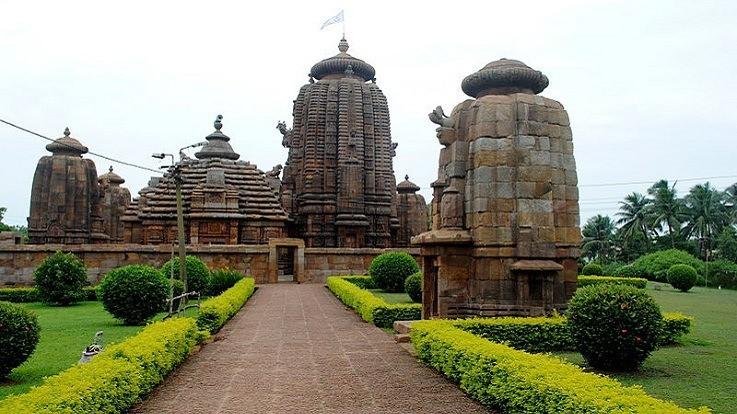
Brahmeswara Temple – A Masterpiece of Mature Kalinga Architecture
Located in the historic temple city of Bhubaneswar, Odisha, the Brahmeswara Temple is one of the finest examples of mature Kalinga architecture. Dedicated to Lord Shiva, this magnificent temple was built during the 11th century CE and is admired for its elegant proportions, intricate carvings, beautifully sculpted subsidiary shrines, and remarkable stone craftsmanship.
Although often overshadowed by the famous Lingaraj Temple, Brahmeswara Temple is regarded by historians and architects as one of Odisha's greatest architectural achievements. Its artistic excellence, spiritual atmosphere, and historical importance make it a must-visit destination for pilgrims, photographers, and heritage enthusiasts.
History of Brahmeswara Temple
The temple was commissioned around 1060 CE by Queen Kolavati Devi, the mother of the Somavamsi king Udyotakesari. An inscription at the temple provides valuable historical information about its construction, making it one of the best-documented monuments of medieval Odisha.
Built during the golden age of Kalinga temple architecture, Brahmeswara Temple represents the transition toward the more elaborate designs later perfected in monuments such as Lingaraj Temple. Today, it remains one of Bhubaneswar's most treasured heritage landmarks and is protected by the Archaeological Survey of India.
Religious Significance
The temple is dedicated to Lord Shiva, worshipped through a sacred Shiva Linga inside the sanctum. Devotees believe that prayers offered here bring peace, prosperity, spiritual wisdom, and protection from obstacles.
The temple continues to host regular worship and special rituals during important Hindu festivals, especially Maha Shivaratri, when thousands of devotees gather to seek Lord Shiva's blessings.
Architectural Excellence
Brahmeswara Temple showcases the fully developed style of Kalinga architecture. The temple consists of a towering Rekha Deula (sanctum) and an elegant Jagamohana (assembly hall), both richly ornamented with detailed sculptures and decorative motifs.
The exterior walls feature exquisite carvings of Shiva, Parvati, Ganesha, Kartikeya, celestial dancers, musicians, mythical creatures, floral designs, and scenes from Hindu mythology. Four beautifully designed subsidiary shrines stand at the corners of the main temple platform, creating a classic Panchayatana layout.
The temple is also notable for being one of the earliest temples in Odisha to prominently feature lion-head motifs, decorative miniature towers, and finely sculpted musicians, reflecting the extraordinary skill of medieval Odishan artisans.
Main Attractions
- Ancient Shiva Linga.
- Magnificent Kalinga architecture.
- Beautiful Panchayatana temple layout.
- Intricate sandstone carvings.
- Four subsidiary shrines.
- Detailed sculptures of Hindu deities.
- Ancient inscriptions.
- Decorative lion-head motifs.
- Peaceful temple surroundings.
- Excellent heritage photography opportunities.
Things to Do During Your Visit
- Offer prayers to Lord Shiva.
- Explore the temple's intricate carvings.
- Study the mature Kalinga architectural style.
- Photograph the sculptural details.
- Attend morning or evening aarti.
- Visit the subsidiary shrines.
- Meditate within the peaceful temple complex.
- Explore Bhubaneswar's Old Town heritage circuit.
- Learn about Odisha's medieval history.
- Visit nearby temples and heritage sites.
Major Festivals Celebrated
- Maha Shivaratri.
- Shravana Mondays.
- Karthika Purnima.
- Makara Sankranti.
- Pradosham.
- Special Shiva Abhishekam ceremonies.
Nearby Attractions
- Lingaraj Temple.
- Mukteswar Temple.
- Parasurameswara Temple.
- Rajarani Temple.
- Ananta Vasudeva Temple.
- Bindu Sagar Lake.
- Odisha State Museum.
Best Time to Visit
The best time to visit is from October to February, when Bhubaneswar experiences pleasant weather suitable for temple visits and heritage exploration. Maha Shivaratri is the most important festival celebrated here.
Temple Timings
The temple generally remains open from early morning until evening. Daily worship and special rituals are performed throughout the day, with extended ceremonies during major festivals.
How to Reach
Brahmeswara Temple is situated in Bhubaneswar's Old Town, approximately 5 km from Bhubaneswar Railway Station and around 6 km from Biju Patnaik International Airport. The temple is easily accessible by taxis, auto-rickshaws, city buses, and private vehicles.
Accommodation with Mudras Stays
Planning a heritage tour of Odisha? Mudras Stays offers comfortable accommodations with modern amenities, exceptional hospitality, and convenient access to Bhubaneswar's famous temples and historical attractions. Whether you're travelling for pilgrimage, architecture, or cultural exploration, Mudras Stays ensures a relaxing and memorable stay.
Travel Tips
- Visit early in the morning for peaceful darshan.
- Wear modest clothing suitable for temple visits.
- Carry a camera for architectural photography.
- Respect temple customs and photography guidelines.
- Hire a local guide to understand the temple's history.
- Combine your visit with Lingaraj, Mukteswar, and Rajarani temples.
- Carry drinking water during warmer months.
- Spend sufficient time observing the intricate carvings.
Why Visit Brahmeswara Temple?
Brahmeswara Temple offers a perfect blend of spirituality, history, and architectural brilliance. Its intricate sculptures, well-preserved structure, peaceful surroundings, and historical significance make it one of Bhubaneswar's most rewarding heritage sites. Whether you are a pilgrim, historian, architecture enthusiast, or photographer, the temple provides an unforgettable cultural experience.
Conclusion
The Brahmeswara Temple continues to stand as one of Odisha's finest examples of medieval temple architecture. Its artistic excellence, sacred atmosphere, and historical legacy make it an essential destination in Bhubaneswar's celebrated temple circuit. Complete your spiritual and heritage journey with the comfort and trusted hospitality of Mudras Stays, ensuring every visit becomes a memorable experience.
Frequently Asked Questions (FAQs)
1. Why is Brahmeswara Temple famous?
Brahmeswara Temple is renowned for its mature Kalinga architecture, intricate stone carvings, Panchayatana layout, and historical significance as an 11th-century Shiva temple.
2. Which deity is worshipped here?
The temple is dedicated to Lord Shiva, worshipped through a sacred Shiva Linga.
3. Who built Brahmeswara Temple?
The temple was commissioned around 1060 CE by Queen Kolavati Devi during the Somavamsi dynasty.
4. What is the best time to visit?
October to February is ideal for pleasant weather, while Maha Shivaratri is the grandest festival celebrated at the temple.
5. Which nearby attractions should visitors explore?
Lingaraj Temple, Mukteswar Temple, Parasurameswara Temple, Rajarani Temple, Ananta Vasudeva Temple, Bindu Sagar Lake, and the Odisha State Museum are excellent nearby attractions.
6. How much time should visitors plan?
Most visitors spend around 1–2 hours exploring the temple, admiring its architecture, and participating in worship.
7. Why choose Mudras Stays?
Mudras Stays offers comfortable accommodations, modern amenities, and easy access to Odisha's major pilgrimage and heritage destinations, making every journey relaxing and memorable.