Mansa Devi Aarti: Sacred Worship Above the Holy City of Haridwar
The Mansa Devi Aarti is a deeply devotional ceremony performed before Maa Mansa Devi at the revered hilltop shrine on Bilwa Parvat in Haridwar. Through illuminated lamps, temple bells, incense, flowers, mantras and collective prayer, devotees honour the goddess as a compassionate form of Shakti who listens to sincere wishes and provides courage during uncertain moments.
The Aarti is performed within a temple atmosphere shaped by faith rather than spectacle. Pilgrims gather before the decorated shrine, fold their hands and focus on the sacred flame as priests sing prayers dedicated to the Divine Mother. The combination of devotional chanting and panoramic views over Haridwar gives the ceremony a distinctive spiritual character.
Mansa Devi Temple is situated on Bilwa Parvat and is counted among Haridwar’s important pilgrimage places. Uttarakhand Tourism identifies Bilwa Tirtha, associated with Mansa Devi, as one of the traditional Panch Tirthas of Haridwar. :contentReference[oaicite:1]{index=1}
The word Mansa is connected with the mind, intention and heartfelt desire. Devotees approach the goddess with a sankalp, or sincere spiritual resolve, and pray for strength, family harmony, health, marriage, children, livelihood or success in important responsibilities.
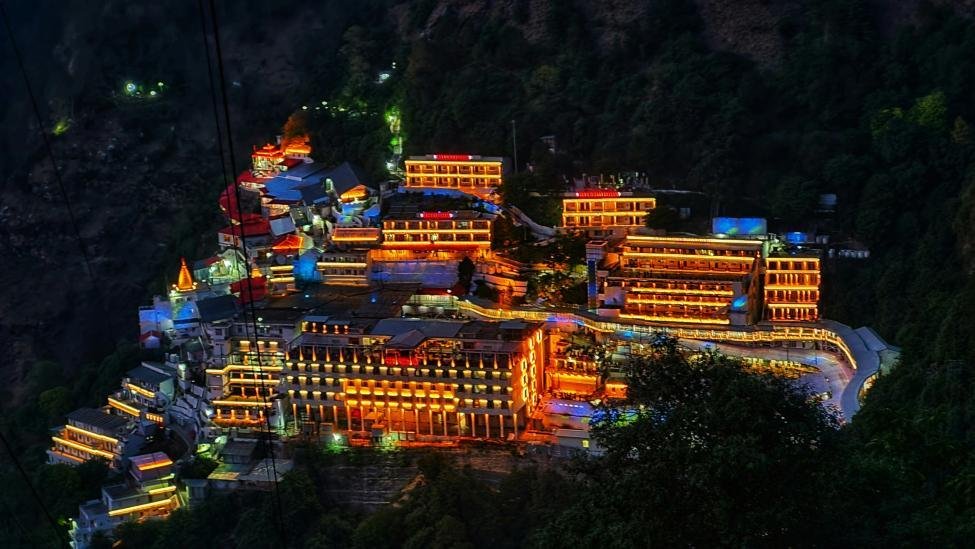
The Mansa Devi Aarti is especially popular among pilgrims who want to experience Shakti worship before visiting other sacred places in Haridwar. Many devotees attend the morning ceremony before beginning their pilgrimage day, while others prefer the evening Aarti when the lamps illuminate the shrine and the city below begins to glow.
History of Mansa Devi Temple and Its Aarti Tradition
The exact date when the regular Mansa Devi Aarti began is not clearly documented. Like many longstanding temple ceremonies, it developed as part of the shrine’s daily worship routine, through which the goddess is ceremonially awakened, decorated, offered food and honoured with lamps at different stages of the day.
The Haridwar district administration describes the shrine as a famous temple dedicated to Goddess Mansa Devi and confirms its location on Bilwa Parvat. The temple’s elevated setting has made it an important place of worship for generations of local residents and pilgrims visiting Haridwar. :contentReference[oaicite:2]{index=2}
Traditional belief describes Maa Mansa Devi as a manifestation of Shakti associated with the fulfilment of sincere desires. One account connects her origin with the mind of Lord Shiva, reinforcing the symbolic meaning of thought, intention and focused prayer. Uttarakhand Tourism includes Mansa Devi in its Shakti pilgrimage circuit and highlights the shrine’s place within Haridwar’s sacred geography. :contentReference[oaicite:3]{index=3}
The Aarti tradition reflects the goddess’s protective and compassionate identity. Priests offer sacred light while devotees surrender their concerns and renew their faith. The ceremony has continued across changing generations because it remains an accessible form of worship in which every visitor can participate through silence, chanting or folded hands.
Spiritual Significance of Mansa Devi Aarti
Aarti is the ceremonial offering of light before a deity. In the Mansa Devi Aarti, the flame symbolises divine awareness, clarity and the removal of inner darkness. It reminds devotees that a wish should be guided by wisdom and sincere effort rather than impatience or greed.
The circular movement of the lamp represents the belief that every aspect of life belongs to the divine. Devotees symbolically offer their thoughts, hopes, achievements and fears to Maa Mansa Devi while asking for guidance.
The sound of bells helps draw attention away from everyday distractions. Incense represents purification, flowers express surrender, and devotional hymns create a shared rhythm of worship. Together, these elements allow devotees to concentrate on the goddess without requiring complicated personal rituals.
The Aarti is also connected with the concept of sankalp. A sankalp is more than a casual desire; it is a conscious intention supported by faith, responsibility and disciplined action. Worshippers pray that the goddess grants them not only fulfilment but also the wisdom to recognise what is truly beneficial.
Maa Mansa Devi is worshipped as a motherly presence who understands unspoken concerns. For this reason, many devotees attend the ceremony during emotionally difficult periods, before major decisions or after the fulfilment of a long-held prayer.
Benefits of Attending Mansa Devi Aarti
The benefits associated with the Mansa Devi Aarti arise from devotion, reflection and personal faith. They should not be understood as guaranteed material, financial or medical outcomes.
- Inner peace: The steady rhythm of bells and prayers can help calm a restless mind.
- Positive energy: Collective worship creates an uplifting and spiritually focused atmosphere.
- Stronger faith: Participating in the ceremony helps devotees deepen their connection with the Divine Mother.
- Clarity of intention: The Aarti encourages worshippers to examine whether their wishes are sincere and responsible.
- Emotional reassurance: Devotees may experience comfort while surrendering worries before Maa Mansa Devi.
- Family harmony: Many worshippers pray for peace, understanding and stability within the household.
- Cultural experience: Visitors witness an active Shakti worship tradition rather than simply viewing a temple building.
- Community devotion: Praying alongside pilgrims from different regions creates a sense of shared spiritual purpose.
What Makes Mansa Devi Aarti Special?
The hilltop setting is one of the most distinctive elements of the Mansa Devi Aarti. The shrine stands above Haridwar, allowing devotees to experience worship while overlooking the plains, urban landscape and sacred Ganga region.
Worship of the Wish-Fulfilling Goddess
Maa Mansa Devi is widely worshipped by people carrying a heartfelt prayer or sankalp. The Aarti becomes a moment when devotees express that prayer through silence, mantra chanting and complete attention to the sacred flame.
Sacred Lamps
The central ritual involves a brass lamp containing ghee or oil. The priest moves the lamp in circular patterns before the goddess, offering light to her divine presence. A larger multi-wick lamp may be used during evening worship or important celebrations.
Priests and Traditional Worship
Temple priests prepare the shrine, offer flowers and incense, recite prayers and conduct the Aarti. Their role is to maintain the sequence and sanctity of the ceremony while guiding devotees through the worship.
Conch Shells and Bells
Temple bells are rung throughout the ceremony to mark the sacred moment and focus the mind. A conch shell may be sounded at the opening or conclusion, particularly during major festival worship.
Flowers and Incense
Marigolds, red flowers and fresh garlands are commonly associated with Goddess worship. Incense fills the sanctum with fragrance and symbolises the devotee’s prayer rising towards the divine.
Bhajans and Mantra Chanting
Devotees may hear prayers dedicated to Mansa Devi, Durga and other forms of Shakti. Repeated chanting allows worshippers to participate even when they are unfamiliar with the complete ritual sequence.
Wish-Thread Tradition
A well-known tradition associated with the shrine involves tying a sacred thread while making a sincere prayer. Devotees may return after the fulfilment of the wish to express gratitude and complete the observance. The practice represents faith, patience and remembrance rather than a guaranteed exchange for material results. :contentReference[oaicite:4]{index=4}
Navratri Celebrations
The Mansa Devi Aarti becomes more elaborate during Chaitra Navratri and Sharad Navratri. The shrine is decorated with flowers and lights, special prayers may be performed, and substantially larger numbers of devotees gather to worship the Divine Mother.
Mansa Devi Aarti Timings
Mansa Devi Temple generally conducts morning and evening Aarti. Timings may shift according to sunrise, sunset, seasonal temple hours, ropeway operations, crowd levels and special religious arrangements.
Morning Aarti
Several Haridwar visitor schedules commonly place the morning Aarti at approximately 6:30 AM. The ceremony is performed after the early preparation and decoration of the shrine. Since seasonal opening arrangements can vary, devotees should verify the same-day schedule locally. :contentReference[oaicite:5]{index=5}
Shringar Worship
Before or around the morning worship period, the goddess is decorated with fresh cloth, flowers, garlands, ornaments and vermilion. Shringar is sometimes incorporated into the morning sequence rather than announced as a completely separate public Aarti.
Bhog Offering
A midday bhog is traditionally offered to Maa Mansa Devi. Public participation may be limited while food and ceremonial offerings are presented inside the shrine. Visitors should follow the directions of temple staff if darshan is briefly paused.
Evening or Sandhya Aarti
The evening Aarti is commonly reported at approximately 7:30 PM, although it may be performed earlier during winter or according to closing and ropeway arrangements. The illuminated shrine, ringing bells and collective prayers make this the most visually atmospheric ceremony of the day. :contentReference[oaicite:6]{index=6}
- Morning Aarti: Commonly around 6:30 AM.
- Shringar worship: Usually associated with the morning ritual sequence.
- Bhog offering: Generally conducted during the midday period.
- Evening Aarti: Commonly around 7:30 PM, with seasonal variation.
The Mansa Devi ropeway currently publishes general operating hours around 6:00 AM to 7:00 PM. Ropeway timings and temple Aarti timings are not always identical, so visitors planning an evening ceremony should confirm how they will descend after worship. :contentReference[oaicite:7]{index=7}
Note: Timings may change during festivals or according to temple administration.
Rituals Performed During Mansa Devi Aarti
The detailed sequence can vary according to the time of day and the religious calendar. A regular Mansa Devi Aarti generally includes the following elements:
- The shrine is cleaned and prepared before worship begins.
- The goddess is dressed in fresh cloth and decorated with ornaments.
- Flowers and garlands are offered before the sacred image.
- Incense is lit to purify the worship area.
- A brass lamp is filled with ghee or oil and prepared by the priest.
- The ceremonial lamp is moved in circular patterns before Maa Mansa Devi.
- Temple bells are rung during the offering.
- A conch shell may be sounded during important moments.
- Mantras and devotional songs dedicated to the goddess are recited.
- Devotees stand with folded hands and silently repeat their sankalp.
- The sacred flame is presented to the gathered worshippers.
- Devotees respectfully receive the warmth of the flame.
- Prasad may be distributed after the worship.
During Navratri and other special celebrations, the ceremony may include longer Bhajans, Durga prayers, additional lamps and more elaborate floral decoration.
Temple Dress Code and Visitor Guidelines
- Wear clean and modest clothing suitable for a sacred place.
- Remove footwear at the designated location before entering the shrine.
- Maintain silence when the Aarti and mantra chanting begin.
- Do not push towards the sanctum or attempt to break the queue.
- Keep children and elderly family members close during crowded periods.
- Follow instructions issued by priests, volunteers and security staff.
- Keep mobile phones silent throughout the ceremony.
- Ask permission before photographing the deity or Aarti.
- Respect photography restrictions inside the sanctum.
- Do not touch lamps, garlands or ritual objects without permission.
- Use authorised donation boxes or counters.
- Do not leave thread, flowers, plastic or food packaging on the hill.
- Follow the designated entry, exit and one-way pedestrian routes.
Crowd-management rules can become stricter during Shravan, Navratri, weekends and public holidays. Visitors should remain within the designated route and avoid stopping in narrow passages. Haridwar authorities introduced stronger route and circulation controls around the hill pathway following a serious crowd incident in 2025. :contentReference[oaicite:8]{index=8}
Best Time to Attend Mansa Devi Aarti
Morning Aarti
The morning ceremony is best for visitors seeking quieter prayer, cooler temperatures and lighter queues. Early attendance also leaves sufficient time to visit other Haridwar shrines during the day.
Evening Aarti
The evening Aarti offers the most atmospheric experience as the sacred lamps illuminate the shrine. Visitors should confirm the last ropeway service or arrange a safe pedestrian descent before remaining for the complete ceremony.
Navratri
Navratri provides the strongest Shakti worship atmosphere, with floral decoration, extended chanting and large devotional gatherings. However, waiting times and crowd-control restrictions are considerably greater.
Recommended Seasons
October to March generally offers pleasant weather for the hill journey. Summer mornings are more comfortable than afternoons, while monsoon visitors should be cautious on wet pathways and steps.
Pilgrims planning an early ceremony can arrange accommodation near Har Ki Pauri or central Haridwar through Mudras Stays and travel towards the hill before the main visitor rush begins.
Nearby Attractions
Har Ki Pauri
Har Ki Pauri is Haridwar’s most renowned Ganga ghat and is known for its evening Ganga Aarti. It can be visited separately after completing morning worship at Mansa Devi.
Chandi Devi Temple
Located on Neel Parvat, Chandi Devi Temple is another prominent Shakti shrine in Haridwar. Devotees frequently include both temples in a combined pilgrimage circuit.
Maya Devi Temple
Maya Devi Temple is one of Haridwar’s ancient Shakti shrines and is closely connected with the city’s spiritual identity. Its quieter environment provides a contrasting experience to the hilltop Aarti.
Interesting Facts About Mansa Devi Aarti
- The Aarti is performed on Bilwa Parvat above the sacred city of Haridwar.
- Mansa Devi Temple is traditionally associated with Haridwar’s Panch Tirth pilgrimage.
- The goddess’s name is connected with the mind, intention and heartfelt desire.
- Devotees often attend with a sankalp rather than only a material request.
- The wish-thread practice symbolises patience, faith and remembrance.
- Morning and evening Aartis offer noticeably different atmospheres.
- Navratri is the most important period for special Shakti worship.
- The evening ceremony combines hilltop views with illuminated temple worship.
Frequently Asked Questions
What is Mansa Devi Aarti?
Mansa Devi Aarti is the ceremonial offering of sacred lamps, incense, flowers and prayers before Maa Mansa Devi at her hilltop temple in Haridwar.
Where is Mansa Devi Aarti performed?
The ceremony is performed at Mansa Devi Temple on Bilwa Parvat in Haridwar, Uttarakhand.
What are the Mansa Devi Aarti timings?
The morning Aarti is commonly reported around 6:30 AM, while the evening Aarti is generally held around 7:30 PM. Seasonal changes may apply, so local confirmation is recommended.
Can anyone attend the Aarti?
Yes. Regular collective Aarti is generally open to devotees and respectful visitors, subject to temple capacity, security checks and crowd-management rules.
Is there an entry fee for the Aarti?
General darshan and participation in the regular Aarti are ordinarily free. Ropeway tickets, personal offerings and individually arranged rituals may involve separate charges.
What should devotees wear?
Visitors should wear modest and comfortable clothing. Shoulders and knees should remain covered, and footwear must be removed before entering the worship area.
Which Mansa Devi Aarti is the most popular?
The evening Aarti is popular for its illuminated atmosphere, while the morning Aarti is preferred by devotees seeking quieter prayer and lighter crowds.
What is the best time to attend Mansa Devi Aarti?
Attend early in the morning for a peaceful experience or in the evening for illuminated worship. Navratri offers special celebrations but attracts much larger crowds.