
Chandanwari – The Sacred Gateway to the Shri Amarnath Ji Yatra Near Pahalgam
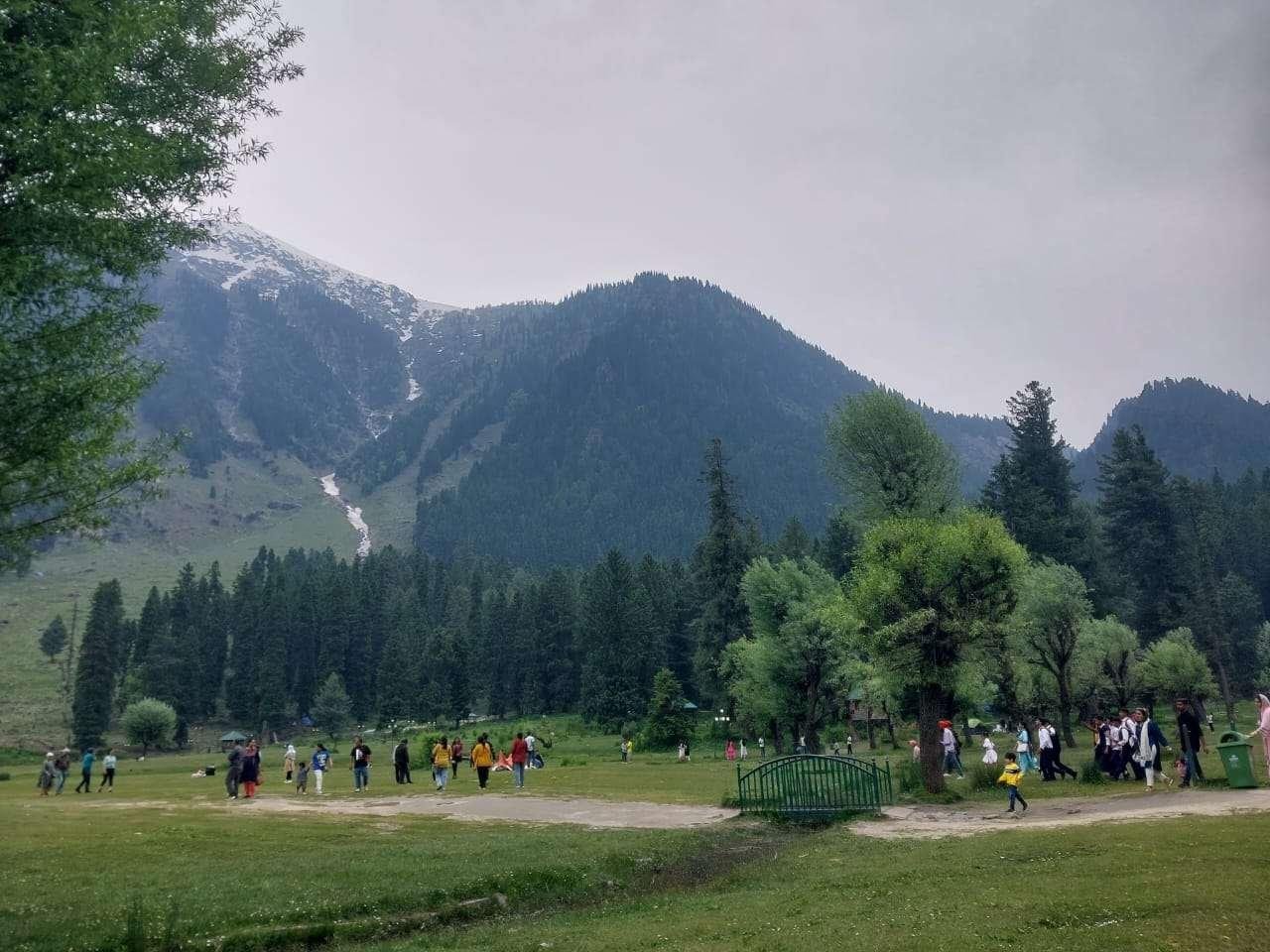
Chandanwari is a spiritually significant mountain destination near Pahalgam in the Anantnag district of Jammu and Kashmir. Surrounded by rugged Himalayan slopes, pine-covered mountains, glacial streams and seasonal snow, it is best known as the starting point of the trekking section of the traditional Shri Amarnath Ji Yatra route.
Located approximately 16 kilometres from Pahalgam, Chandanwari can be reached by road through the scenic Lidder Valley. The journey follows the Lidder River and offers beautiful views of forests, mountain streams and high-altitude landscapes. The official Shri Amarnath Ji Shrine Board identifies Chandanwari as the first major stage of the traditional pilgrimage route from Pahalgam.
For devotees travelling to the holy Amarnath Cave, Chandanwari is not merely a sightseeing attraction. It marks the point where the comfortable road journey begins to transform into a demanding spiritual trek through Pissu Top, Sheshnag and Panchtarni before reaching the sacred cave.
Travellers who are not undertaking the complete yatra can also visit Chandanwari as a scenic excursion from Pahalgam. Its mountain views, flowing water, rocky terrain and seasonal snow make it one of the most rewarding places to explore after visiting the temples and sacred sites around Pahalgam.
By booking comfortable accommodation near Pahalgam through MudrasStays, pilgrims can prepare properly for the yatra, visit Chandanwari without rushing and rest before or after completing darshan.
Chandanwari and the Shri Amarnath Ji Yatra
The strongest identity of Chandanwari comes from its connection with the Shri Amarnath Ji Yatra, one of India’s most revered Hindu pilgrimages.
The traditional Pahalgam route follows:
Pahalgam – Chandanwari – Pissu Top – Sheshnag – Panchtarni – Shri Amarnath Ji Holy Cave
The Shri Amarnath Ji Shrine Board identifies Chandanwari as the Yatra Access Control Gate on the Pahalgam route. From here, registered pilgrims proceed towards the higher and more physically demanding sections of the pilgrimage.
The journey from Chandanwari represents an important spiritual transition. Pahalgam offers hotels, markets, transport and relatively comfortable surroundings, while the route beyond Chandanwari takes devotees into rugged high-altitude terrain where faith, physical endurance and preparation become essential.
Pilgrims should remember that the annual yatra is regulated. Registration requirements, compulsory health certification, reporting schedules, permitted movement, transportation and route access may change each season. Devotees should always follow the latest instructions issued by the Shri Amarnath Ji Shrine Board and local authorities.
Begin the Traditional Amarnath Pilgrimage from Chandanwari
Chandanwari is where many pilgrims begin the walking or pony-assisted portion of the traditional Amarnath route.
After passing through the official access arrangements, devotees continue towards Pissu Top, one of the first major uphill sections of the pilgrimage. The route then proceeds towards Sheshnag, followed by the high-altitude crossing towards Panchtarni and finally the holy cave.
The traditional route is longer than the Baltal approach but is often selected by pilgrims who want to experience the historic stages of the pilgrimage over several days. Incredible India describes the traditional Pahalgam route as passing through Chandanwari, Sheshnag and Panchtarni before reaching the shrine.
The journey should not be treated as an ordinary trek. The route involves steep climbs, changing weather, cold winds, reduced oxygen levels and long walking periods. Proper medical assessment, warm clothing, rain protection, suitable footwear and adherence to official instructions are essential.
A Sacred Pause Before the Higher Journey
Before beginning the ascent, many devotees spend time at Chandanwari preparing mentally and spiritually for the journey ahead.
The surrounding mountains, flowing stream and devotional atmosphere created by fellow pilgrims give the destination a distinctive energy during the yatra season. Travellers can see pilgrims organising their belongings, offering prayers, receiving assistance and preparing for the next stage of the route.
For many devotees, reaching Chandanwari creates the first strong feeling that the Amarnath pilgrimage has truly begun. The busy arrangements, mountain environment and sight of the trail ahead turn the destination into an emotionally important part of the yatra.
Pilgrims should carry only essential belongings and follow the official limits and guidance concerning baggage. Heavy or unnecessary luggage should remain securely stored at the hotel in Pahalgam.
Explore Chandanwari as a Scenic Excursion from Pahalgam
Chandanwari is also visited by families and leisure travellers who are not undertaking the complete Amarnath pilgrimage.
The road journey from Pahalgam passes through the picturesque Lidder Valley, with sections running alongside the river. On arrival, visitors can enjoy views of rocky mountain slopes, pine forests, glacial water and snow-covered areas during suitable periods.
The Anantnag district tourism portal identifies Chandanwari as both the starting point of the Amarnath Yatra and a popular place for viewing seasonal snow bridges during the early summer months.
Visitors can walk around recognised sightseeing areas, take photographs and spend time enjoying the cool mountain environment. However, Chandanwari remains a rugged high-altitude destination rather than a fully developed urban attraction. Travellers should be prepared for uneven surfaces, basic facilities and changing weather.
See the Seasonal Snow Bridges
One of the distinctive natural features associated with Chandanwari is the appearance of snow bridges during the early part of the summer season.
These formations occur when accumulated winter snow remains over sections of flowing water or mountain terrain even as surrounding areas begin to thaw. They contribute to Chandanwari’s dramatic seasonal landscape and attract visitors who want to experience snow near Pahalgam.
The presence, size and accessibility of snow formations vary every year depending on snowfall, temperature and weather conditions. Visitors should never climb onto unstable snow bridges without explicit local permission, as melting snow can collapse unexpectedly or conceal flowing water beneath it.
Travellers should enjoy the snow only in recognised visitor areas and follow instructions issued by local guides, police and tourism authorities.
Experience the Lidder River and Mountain Streams
The journey between Pahalgam and Chandanwari follows the beautiful Lidder River, which is one of the defining natural features of the region. The official traditional-route information describes the journey as running along the river and offering scenic views.
At Chandanwari, visitors can see cold mountain water moving through rocky terrain beneath the surrounding slopes. The sound of the flowing stream, combined with the pine forests and open mountain landscape, creates a peaceful atmosphere.
Pilgrims can spend a few moments beside the water before beginning their ascent, while leisure visitors can enjoy photography and mountain views.
The river and streams must be approached cautiously. Water levels can rise because of rainfall or snowmelt, and the rocks around the river may be slippery. Children should remain under close supervision, and visitors should avoid entering fast-flowing water.
Visit Mamleshwar Temple Before Travelling to Chandanwari
Pilgrims staying in Pahalgam can begin their journey with darshan at Mamleshwar Temple, an ancient shrine dedicated to Lord Shiva.
The temple is an important spiritual attraction in Pahalgam and naturally complements the journey towards Shri Amarnath Ji. Devotees can seek Lord Shiva’s blessings at Mamleshwar Temple before proceeding towards Chandanwari and the higher pilgrimage route.
A suitable spiritual itinerary may include:
Mamleshwar Temple darshan – Pahalgam – Chandanwari – Shri Amarnath Ji Yatra
Families visiting only for sightseeing can complete temple darshan in the morning and then travel to Chandanwari for a scenic half-day excursion.
This combination allows travellers to experience the spiritual heritage of Pahalgam along with the dramatic mountain landscape connected with the Amarnath pilgrimage.
Include Martand Sun Temple and Mattan in the Journey
Travellers approaching Pahalgam through Anantnag can also include the historic Martand Sun Temple and the sacred area of Mattan in their pilgrimage itinerary.
Martand Sun Temple is an important ancient temple complex dedicated to Surya, the Sun God. Its monumental stone remains represent a major chapter in Kashmir’s Hindu and architectural heritage.
After visiting Martand and Mattan, pilgrims can continue towards Pahalgam, seek blessings at Mamleshwar Temple and proceed towards Chandanwari.
A broader spiritual route may include:
Martand Sun Temple – Mattan – Mamleshwar Temple – Pahalgam – Chandanwari – Shri Amarnath Ji Holy Cave
This itinerary connects Kashmir’s ancient temple heritage with the living pilgrimage traditions of Lord Shiva.
Combine Chandanwari with Betaab Valley
Betaab Valley lies along the broader Pahalgam–Chandanwari sightseeing corridor and is known for its green lawns, pine-covered hills, flowing water and mountain scenery.
Families travelling from Pahalgam may combine Betaab Valley and Chandanwari in the same day, subject to local vehicle regulations, road access and the physical comfort of the group.
A possible route is:
Pahalgam – Betaab Valley – Chandanwari – Return to Pahalgam
Betaab Valley offers a more developed family-leisure environment, while Chandanwari has a rugged spiritual and mountain character. Together, they allow visitors to experience two different sides of the Pahalgam region.
During the Amarnath Yatra period, pilgrimage movement and security arrangements may affect ordinary sightseeing access. Visitors should confirm current conditions before leaving their hotel.
Combine Chandanwari with the Lidder River
The road to Chandanwari offers several views of the Lidder River and its surrounding valley.
Travellers can begin with a peaceful riverside walk in Pahalgam, continue towards Betaab Valley and then visit Chandanwari. This creates a nature-focused itinerary centred on the river, forests and mountain landscape.
A suitable leisure route may include:
Lidder River – Betaab Valley – Chandanwari
Pilgrims should keep this sightseeing plan separate from their official yatra reporting day. Adequate rest is more important than trying to cover several attractions immediately before beginning the high-altitude pilgrimage.
Langars and Pilgrim Assistance During the Yatra
During the officially announced Amarnath Yatra period, langars and pilgrim-support arrangements may operate along the traditional route. The Shrine Board’s route information notes the presence of langars serving food to yatris around the Chandanwari route.
These services form an important part of the pilgrimage experience and provide assistance to devotees travelling through difficult terrain.
However, availability, location, operating hours and access can change each season. Leisure visitors should not depend on pilgrimage langars as ordinary tourist restaurants, and pilgrims with medical or dietary requirements should carry appropriate permitted supplies.
Travellers should also respect the service areas, avoid food wastage and follow instructions given by volunteers and officials.
Best Time to Visit Chandanwari
Chandanwari presents a different experience depending on the season.
Spring and Early Summer
Melting snow, flowing streams and remaining snow bridges make this period visually distinctive. Some areas may still be wet, muddy or slippery.
Amarnath Yatra Season
Chandanwari becomes an important pilgrimage access point during the official yatra period. The atmosphere is devotional and energetic, but traffic, security checks and movement restrictions may increase.
Summer
Warmer months provide clearer road access and comfortable daytime sightseeing, although mountain weather can still change quickly.
Monsoon
Rain may increase water levels, reduce visibility and make slopes or pathways slippery. Visitors should avoid travelling during severe weather.
Autumn
Autumn can offer cooler conditions, clearer mountain views and fewer visitors after the principal pilgrimage season.
Winter
Heavy snowfall may affect road access and ordinary sightseeing. Travellers should confirm whether the route is open before leaving Pahalgam.
There is no guarantee that snow will be present on a particular date. Visitors planning specifically to see snow should check current conditions locally.
How Much Time to Spend at Chandanwari
Leisure travellers can generally keep around half a day for the return excursion from Pahalgam, including road travel, photography and time in the recognised visitor area.
Additional time may be required during:
Peak Amarnath Yatra movement
Security checks or road restrictions
Heavy tourist traffic
Rain or poor weather
Family travel with children or senior citizens
Combined visits to Betaab Valley
Pilgrims beginning the official yatra should follow the reporting and movement schedule provided by the authorities rather than general tourist timings.
Food and Refreshments
Basic refreshments and seasonal food stalls may be available around Chandanwari, while more extensive restaurant choices are found in Pahalgam.
During the pilgrimage period, officially supported langars may serve yatris at designated points, but ordinary sightseeing visitors should carry drinking water and light food suitable for their needs.
Families should bring:
Drinking water
Light snacks
Essential medicines
Warm clothing
Rain protection
Comfortable footwear
Food required for children or dietary restrictions
Visitors should place all packaging in designated bins or carry it back to Pahalgam. Plastic and food waste should never be left beside the streams or on mountain slopes.
Safety and Responsible Travel
Chandanwari is a mountain destination where weather and terrain can change rapidly.
Visitors should:
Follow all police, Shrine Board and local-administration instructions
Avoid entering restricted pilgrimage areas without authorisation
Keep children away from fast-flowing water
Avoid unstable snow formations and slippery rocks
Carry warm layers even during summer
Wear shoes suitable for uneven terrain
Avoid travelling during heavy rain or poor visibility
Keep adequate time for the return journey
Never begin an unplanned trek beyond recognised visitor areas
Keep the landscape free from plastic and other waste
Pilgrims undertaking the yatra should carry all mandatory documentation and should not proceed if advised against doing so on medical or administrative grounds.
How to Reach Chandanwari
Chandanwari is approximately 16 kilometres by road from Pahalgam. The official route information notes that transport operates between Pahalgam and Chandanwari, although the exact vehicle arrangements may change according to the pilgrimage season and local regulations.
Travellers can enquire about:
Authorised local taxis
Designated minibuses during the yatra
Hotel-arranged transportation
Approved pilgrimage vehicles
Current private-vehicle restrictions
Tourists should confirm the transport arrangement at an authorised counter or through their accommodation provider. Road-access rules may be stricter during the Amarnath Yatra.
Pahalgam itself is reached by road from Anantnag and Srinagar. Travellers should keep additional time for checkpoints, traffic and weather-related delays.
Where to Stay When Visiting Chandanwari
Pahalgam is the most practical accommodation base for visiting Chandanwari. The town offers hotels, resorts, guesthouses, cottages and pilgrimage-oriented accommodation across different price categories.
Staying in Pahalgam gives travellers convenient access to:
Transport for Chandanwari
Mamleshwar Temple
Nunwan Yatra Base Camp
The Lidder River
Betaab Valley
Pahalgam Market
Restaurants and essential services
Medical and travel assistance
Pilgrims should select a hotel according to its distance from their yatra reporting or transport point rather than choosing only on the basis of price.
Important facilities to consider include:
Hot water and heating
Vegetarian or satvik food
Family-room availability
Secure luggage storage during the yatra
Assistance with authorised transport
Ground-floor or lift-accessible rooms
Early breakfast or packed-meal options
Flexible check-in after returning from darshan
Proximity to Nunwan or central Pahalgam
Heavy luggage can remain securely at the accommodation while pilgrims carry only the essential permitted items towards Chandanwari.
Suggested Chandanwari Pilgrimage and Leisure Itinerary
Day 1: Arrival in Pahalgam
Check into your hotel, rest after the road journey and spend the evening beside the Lidder River or in the local market.
Day 2: Temple Darshan and Chandanwari Excursion
Visit Mamleshwar Temple in the morning. Continue towards Betaab Valley and Chandanwari, subject to current access conditions. Return to Pahalgam for proper rest.
Day 3: Yatra Preparation
Complete all official requirements, organise permitted baggage, verify reporting time and avoid unnecessary physical exertion.
Following Days: Shri Amarnath Ji Yatra
Proceed from Pahalgam towards Chandanwari and continue according to the officially designated schedule.
Recovery Stay
After completing darshan, return to Pahalgam and rest before beginning the onward journey.
This itinerary prevents the pilgrimage from becoming unnecessarily rushed and gives devotees time to experience Chandanwari both spiritually and scenically.
Book Hotels Near Chandanwari and the Amarnath Yatra Route with MudrasStays
MudrasStays helps pilgrims discover suitable accommodation near temples, sacred destinations and the leisure attractions surrounding important pilgrimage routes.
Travellers planning a Pahalgam and Chandanwari journey can use MudrasStays to explore:
Hotels near Chandanwari
Pilgrimage-friendly stays in Pahalgam
Accommodation near the Amarnath Yatra route
Hotels near Nunwan Base Camp
Stays near Mamleshwar Temple
Family hotels near the Lidder River
Accommodation near Betaab Valley
Properties suitable for religious groups and senior citizens
Booking a suitable stay near Pahalgam can reduce unnecessary travel and help pilgrims prepare properly before beginning the high-altitude journey.
MudrasStays connects temple-focused travellers with accommodation that supports a more comfortable pilgrimage experience. Families can plan temple darshan, yatra preparation, local sightseeing and recovery time as part of one organised itinerary.
Chandanwari is more than a mountain attraction near Pahalgam. It is the sacred threshold of the traditional Amarnath pilgrimage—the place where the road ends, the mountain trail begins and devotees move forward with faith towards the holy cave.
Whether you visit Chandanwari as an Amarnath yatri or as a traveller exploring the spiritual landscapes around Pahalgam, its flowing river, seasonal snow and towering mountains create an unforgettable experience. By choosing a comfortable stay through MudrasStays, pilgrims can begin and complete this sacred journey with better planning, meaningful rest and greater peace of mind.