
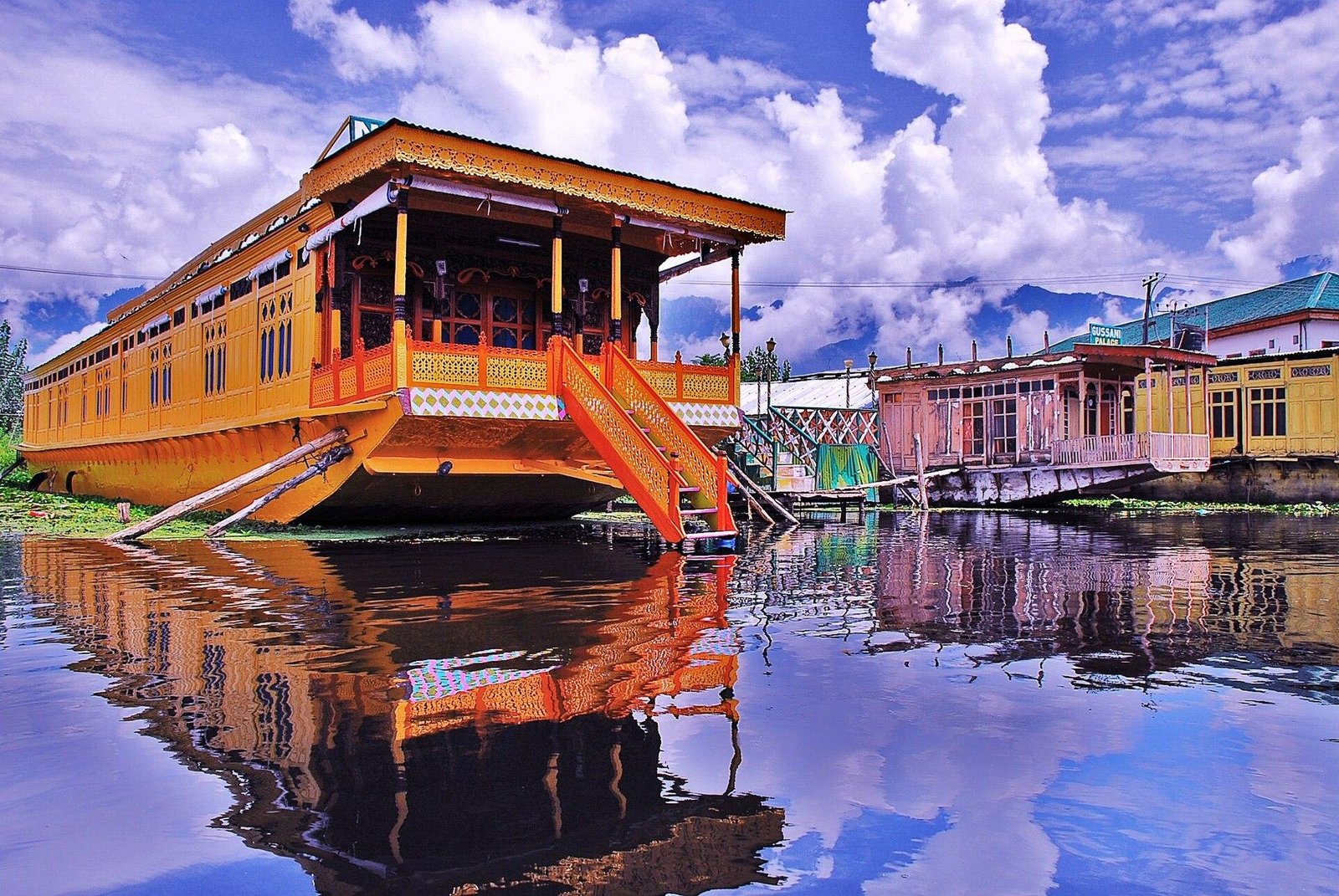
Dal Lake – A Serene Leisure Retreat Near Srinagar’s Temples and the Amarnath Pilgrimage Route
Dal Lake is the most iconic attraction in Srinagar and one of the finest places for pilgrims to relax while exploring the sacred destinations of Kashmir. Surrounded by the Zabarwan Hills and framed by houseboats, Mughal gardens, floating gardens and colourful shikaras, the lake offers a peaceful leisure experience after temple darshan or before continuing towards an important pilgrimage route.
Often called the “Jewel of Srinagar,” Dal Lake extends across more than 18 square kilometres and contains an interconnected network of waterways, floating gardens and residential areas. Its shores are lined with parks, hotels, houseboats and historic gardens, making the lake central to the cultural and tourism identity of Srinagar.
For devotees visiting Shankaracharya Temple, Sharika Peeth at Hari Parbat, Kheer Bhawani Temple or travelling onward for the Shri Amarnath Ji Yatra, Dal Lake provides the ideal place to rest, enjoy time with family and experience the natural beauty surrounding Kashmir’s sacred landscape.
By booking a suitable hotel or houseboat through MudrasStays, pilgrims can combine temple darshan, local sightseeing, comfortable accommodation and memorable family leisure within one carefully planned Srinagar itinerary.
Relax at Dal Lake After Shankaracharya Temple Darshan
The strongest temple connection of Dal Lake is with the revered Shankaracharya Temple, an ancient shrine dedicated to Lord Shiva. The temple stands on Gopadri Hill above Srinagar and offers panoramic views of the city, Dal Lake and the surrounding mountains. It becomes especially significant for devotees during the Amarnath Yatra period, Shivratri and Shravan Poornima.
Pilgrims can begin their morning with darshan at Shankaracharya Temple and then descend towards Dal Lake for a relaxing afternoon. After climbing the temple steps and spending time in prayer, a peaceful shikara ride or lakeside walk provides a welcome opportunity to rest.
A suitable temple and leisure itinerary may include:
Shankaracharya Temple – Dal Lake – Shikara Ride – Boulevard Road
This combination is particularly suitable for families because it brings together devotion, scenic views, light sightseeing and local experiences without requiring a long road journey.
Enjoy a Traditional Shikara Ride
A shikara ride is the most famous experience at Dal Lake. Shikaras are colourful wooden boats with covered seating that carry visitors through the lake’s canals, houseboat areas, floating gardens and quieter stretches of water.
During the ride, travellers can observe the everyday life of communities living around the lake, see beautifully carved houseboats and enjoy views of the Zabarwan Hills. Dal Lake’s moving shikaras, houseboats, floating gardens and summer lotus blooms form some of Srinagar’s most recognisable scenery.
For pilgrims, the shikara ride offers a calm experience after the physical effort of temple visits or long-distance travel. Families can sit together, enjoy the mountain air and appreciate the beauty of Srinagar without extensive walking.
Before starting the ride, visitors should confirm:
The total duration of the ride
The places included in the route
The agreed total price
The boarding and return point
Whether additional stops involve separate charges
Visitors should use recognised boarding points and follow any safety instructions given by the boat operator.
Experience a Traditional Houseboat Stay
The wooden houseboats of Dal Lake are an inseparable part of Srinagar’s identity. Many feature carved interiors, furnished rooms, dining areas and sitting spaces overlooking the water. Unlike a moving cruise vessel, most Dal Lake houseboats remain moored at fixed locations and are reached by shikara.
Staying on a houseboat gives travellers an opportunity to wake up beside the water, watch shikaras passing outside and experience the lake during quieter morning and evening hours. Official tourism sources describe houseboats and shikaras as defining elements of Dal Lake’s landscape and visitor experience.
A houseboat stay may suit:
Couples seeking a distinctive Kashmir experience
Families wanting a memorable overnight stay
Pilgrims keeping a leisure day in Srinagar
Travellers who prefer lake views over a city hotel
Visitors interested in Kashmiri wooden craftsmanship
However, families with senior citizens or mobility limitations should confirm the boarding arrangement, distance from the road, steps, handrails and access between the shikara and houseboat before booking.
Travellers who need quick vehicle access for an early temple visit, airport transfer or Amarnath Yatra departure may find a land-based hotel near Boulevard Road more practical.
Visit the Floating Market and Floating Gardens
Dal Lake supports a distinctive water-based community and commercial system. Visitors may see vendors using small boats to sell flowers, vegetables, handicrafts, refreshments and other local products.
The lake is also known for its floating gardens, locally developed cultivation areas where vegetables and flowers are grown on sections of floating vegetation. Lotus flowers may be visible during the warmer months, depending on the season and the part of the lake visited.
An early-morning shikara ride may provide a quieter experience and a better opportunity to observe local lake activity. However, the exact operation and scale of floating-market activity can vary by season, weather and local conditions.
Visitors should avoid treating residential areas as staged tourist displays. Photography of local residents, vendors or private homes should be done respectfully and preferably after seeking permission.
Seek Blessings at Sharika Peeth, Hari Parbat
Pilgrims staying near Dal Lake can also visit Sharika Peeth at Hari Parbat, one of Srinagar’s important Hindu sacred sites. The shrine is associated with Goddess Sharika, regarded in local tradition as the presiding deity of Srinagar.
Hari Parbat lies to the west of the Dal–Nigeen Lake landscape and forms part of the city’s wider spiritual and historical circuit. JKTDC describes Sharika Peeth as an ancient and highly revered place connected with Maha Shakti and Goddess Sharika.
A suitable pilgrimage and leisure route may include:
Shankaracharya Temple – Dal Lake – Sharika Peeth – Hari Parbat
This itinerary allows devotees to seek the blessings of Lord Shiva and Goddess Sharika while also enjoying Srinagar’s most famous natural attraction.
Visitors should check current access arrangements and temple timings locally, as these may change because of festivals, security measures or weather conditions.
Add Dal Lake to an Amarnath Yatra Itinerary
Srinagar serves as an important gateway for pilgrims travelling towards both principal routes of the Shri Amarnath Ji Yatra. The Pahalgam-side base at Nunwan is around 90 kilometres from Srinagar by road, while the Baltal base near Sonamarg is around 95 kilometres away.
Pilgrims arriving in Srinagar can spend a day near Dal Lake before proceeding towards Pahalgam or Baltal. This allows time to rest after the flight or road journey, complete last-minute preparations and visit Shankaracharya Temple before beginning the high-altitude pilgrimage.
A comfortable itinerary may be:
Day 1: Arrival in Srinagar
Check into a hotel or houseboat near Dal Lake and rest after the journey.
Day 2: Temple and Leisure Experience
Visit Shankaracharya Temple in the morning. Return to Dal Lake for a shikara ride and spend the evening along Boulevard Road.
Day 3: Continue Towards the Yatra Base
Travel towards Pahalgam or Baltal according to the route, registration and movement instructions issued for the pilgrimage.
Pilgrims should always follow the latest registration, health-certificate, route and reporting requirements issued by the Shri Amarnath Ji Shrine Board. Leisure plans should never interfere with the official yatra schedule.
Explore Nishat Bagh Beside Dal Lake
Nishat Bagh is one of Srinagar’s most beautiful Mughal gardens. It stands on the eastern side of Dal Lake with the Zabarwan Mountains behind it and offers extensive views of the lake and the distant Pir Panjal Range.
The terraced garden was built in 1633 by Asif Khan and contains cascading water channels, fountains, avenues of chinar and cypress trees, and multiple landscaped terraces. It can also be approached from the lake side by shikara, depending on current access arrangements.
Pilgrims can combine Nishat Bagh with Dal Lake as part of a relaxed afternoon itinerary. The garden is suitable for families, senior citizens, couples and photography enthusiasts.
A convenient route may include:
Shankaracharya Temple – Dal Lake – Nishat Bagh
Visitors should wear comfortable footwear because exploring the garden involves walking across terraces and steps.
Visit Shalimar Bagh
Shalimar Bagh is another important Mughal garden situated along the Dal Lake landscape. It was developed by Emperor Jahangir in 1619 for Empress Nur Jahan and is the largest of Srinagar’s celebrated Mughal gardens.
Its terraces, water channels, fountains and historic pavilions make it a rewarding cultural extension to a Dal Lake visit. Families can visit Nishat Bagh and Shalimar Bagh on the same sightseeing day, although sufficient time should be kept for walking, photography and road travel.
Together, Dal Lake and the Mughal gardens present the distinctive combination of water, mountains, architecture and horticulture for which Srinagar is famous.
Enjoy the View from Pari Mahal
Pari Mahal, meaning the “Abode of Fairies,” is a seven-terraced historic garden positioned above Dal Lake on the Zabarwan Range. Its elevated location offers broad views over Srinagar, the lake and the surrounding mountains.
Pari Mahal can be visited after Dal Lake or combined with nearby Chashma Shahi. The destination is especially attractive during the late afternoon, subject to current opening hours and access conditions.
For pilgrims, Pari Mahal adds a cultural and historical dimension to a journey otherwise focused on temples and natural attractions.
Explore Boulevard Road
Boulevard Road follows a major section of the Dal Lake shoreline and is one of Srinagar’s principal tourism areas. Hotels, restaurants, houseboat boarding points, souvenir shops and lake-view spaces are located along or near this route.
Visitors can walk along accessible sections of the lakefront, enjoy tea or kahwa, shop for regional products and watch the evening light change over the lake.
Depending on the shop and season, travellers may find:
Kashmiri shawls and stoles
Embroidered phirans
Walnut-wood products
Papier-mâché handicrafts
Carpets and rugs
Dry fruits and walnuts
Saffron
Kahwa blends
Decorative items
Temple and pilgrimage souvenirs
Expensive shawls, carpets, saffron or handicrafts should be purchased from reliable sellers. Travellers should compare quality, confirm the material and request a proper bill.
Taste Kashmiri Food Near Dal Lake
Restaurants and hotels around Dal Lake offer Kashmiri, North Indian and vegetarian meals. Visitors may experience dishes and beverages such as:
Kashmiri dum aloo
Nadru preparations
Rajma and rice
Haak saag
Yakhni
Rogan josh
Wazwan dishes
Kahwa
Noon chai
Traditional breads
Pilgrims following a vegetarian or satvik diet should confirm the ingredients and cooking method directly with the restaurant.
Houseboat guests should also clarify whether breakfast and dinner are included in the booking, whether vegetarian food is available and whether meals must be ordered in advance.
Best Time to Visit Dal Lake
Dal Lake presents a distinctive experience in every season.
Spring
Spring brings pleasant weather, flowering gardens and fresh greenery around Srinagar. It is an excellent period for shikara rides and visits to the Mughal gardens.
Summer
Summer offers longer days and comfortable conditions for sightseeing. Lotus flowers and floating gardens may be especially attractive during the warmer period. Summer may also overlap with the Amarnath Yatra season, increasing demand for accommodation and transport.
Autumn
Autumn brings cooler weather and changing colours across Srinagar’s chinar trees. The lake and surrounding gardens often have a quieter and more reflective atmosphere.
Winter
Snow-covered mountains create a beautiful backdrop around Dal Lake. During severe cold, sections of the lake may freeze, and ordinary boating or road arrangements can be affected. JKTDC notes that winter temperatures in Srinagar can fall sufficiently low for parts of the lake to freeze.
Weather conditions in Kashmir can change quickly. Visitors should check current forecasts, road conditions and local advisories before finalising outdoor plans.
How Much Time to Spend at Dal Lake
Travellers can keep approximately two to three hours for a basic shikara ride and lakeside experience. A half day is more suitable when combining the lake with Boulevard Road, shopping or a meal.
A full sightseeing day may include:
Shankaracharya Temple – Dal Lake – Nishat Bagh – Shalimar Bagh – Pari Mahal
Visitors staying on a houseboat can experience Dal Lake during the morning and evening without treating it as a single scheduled attraction.
Pilgrims should avoid planning an extended shikara ride immediately before an airport transfer, fixed yatra departure or important temple timing.
Responsible and Safe Travel at Dal Lake
Dal Lake is both a major visitor attraction and a living ecosystem supporting local households, fishing, cultivation and tourism. Visitors should help protect it by travelling responsibly.
Travellers should:
Avoid throwing plastic or food waste into the lake
Use authorised shikara and boating services
Keep children supervised while boarding boats
Wear a life jacket whenever provided
Avoid leaning excessively over the boat
Protect phones and cameras from water
Respect houseboat and residential privacy
Confirm prices before purchasing from floating vendors
Avoid disturbing lotus beds or floating gardens
Follow local weather and safety instructions
Visitors should not enter the lake for swimming unless an activity is specifically authorised and professionally supervised.
How to Reach Dal Lake
Dal Lake lies within Srinagar and is accessible from different parts of the city by taxi, private vehicle and locally available transport. Boulevard Road is one of the principal access areas for hotels, houseboats and shikara boarding points.
Srinagar has road and air connectivity throughout the year, although weather may occasionally affect flights and highway movement. The Shri Amarnath Ji Shrine Board also identifies Srinagar as an important connected gateway for pilgrims continuing towards the Pahalgam and Baltal routes.
Travellers should confirm the exact boarding ghat or hotel location before departure because Dal Lake covers a large area and different houseboats may require access from different ghats.
Where to Stay Near Dal Lake
Travellers can choose between a traditional houseboat and a land-based hotel near the lake.
Choose a Houseboat When You Want:
A distinctive Kashmir accommodation experience
Direct water views
Traditional carved interiors
Quiet mornings and evenings on the lake
Shikara access as part of the stay
Choose a Land-Based Hotel When You Need:
Direct road and taxi access
Easier movement for senior citizens
Early airport or pilgrimage departure
Parking facilities
Proximity to restaurants and markets
Less dependence on shikara transfers
JKTDC lists accommodation in Srinagar, including properties situated along Boulevard Road and near Dal Lake.
Before confirming a booking, travellers should check:
Exact distance from Dal Lake
Lake-view availability
Houseboat boarding arrangements
Heating and hot-water facilities
Vegetarian meal availability
Ground-floor or lift access
Airport-transfer options
Secure luggage storage
Family-room configuration
Cancellation policies
Accessibility during late-night or early-morning travel
Book Hotels and Houseboats Near Dal Lake with MudrasStays
MudrasStays helps pilgrims discover suitable accommodation near temples, pilgrimage destinations and the leisure attractions surrounding sacred journeys.
Travellers visiting Srinagar can use MudrasStays to explore:
Hotels near Dal Lake
Houseboats on Dal Lake
Family stays near Shankaracharya Temple
Hotels near Boulevard Road
Accommodation near Srinagar’s temple circuit
Stays for Amarnath pilgrims travelling through Srinagar
Properties suitable for families and senior citizens
Hotels with easy access to Nishat Bagh and Shalimar Bagh
Choosing accommodation close to the lake and the temples included in your itinerary can reduce unnecessary travel and give your family more time for rest.
A thoughtfully planned journey through MudrasStays can bring together:
Shankaracharya Temple darshan, Sharika Peeth, a Dal Lake shikara ride, Mughal Garden sightseeing, Kashmiri shopping, comfortable accommodation and onward Amarnath Yatra travel.
Dal Lake is more than a famous sightseeing attraction. For pilgrims, it is a peaceful pause within Kashmir’s sacred landscape—a place where devotees can relax after darshan, reflect beside the water and spend meaningful time with their loved ones.
By adding Dal Lake to your temple itinerary and booking the right hotel or houseboat through MudrasStays, you can transform a pilgrimage journey into a complete spiritual and leisure experience filled with devotion, natural beauty, local culture and memorable family moments.