
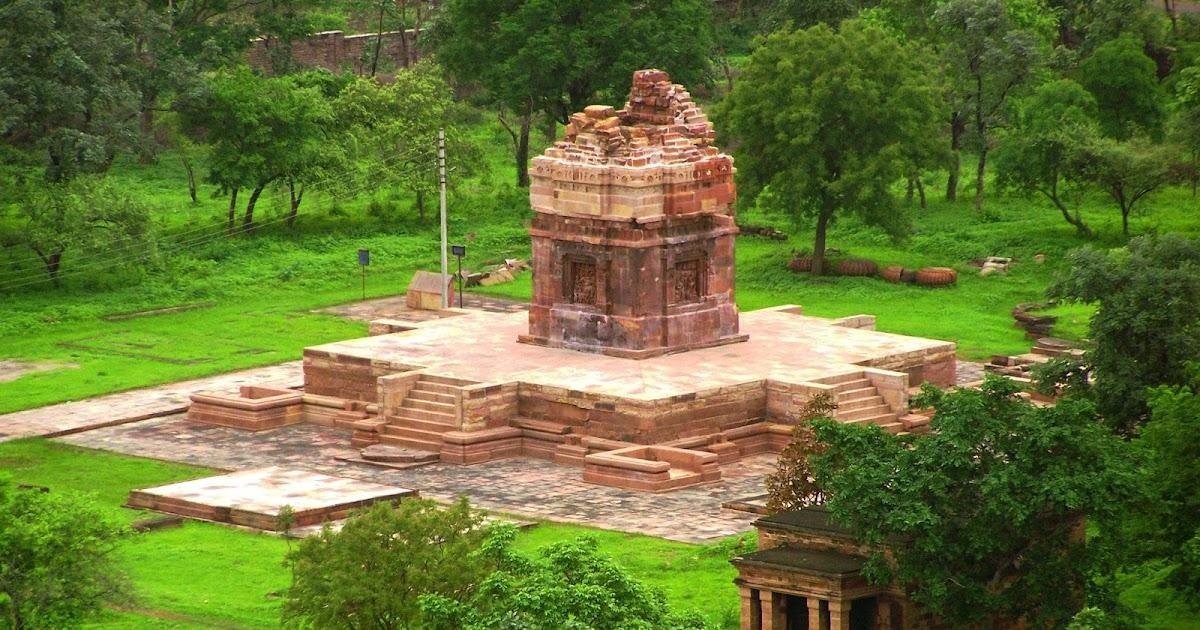
Dashavatara Temple – A Masterpiece of Gupta Architecture and Hindu Heritage
Situated in the historic town of Deogarh in Lalitpur district, Uttar Pradesh, the Dashavatara Temple is one of India's most significant ancient Hindu temples. Built during the Gupta period in the early 6th century CE, it is regarded as one of the earliest surviving examples of the Panchayatana style of temple architecture. Dedicated primarily to Lord Vishnu, the temple stands as a remarkable symbol of India's artistic excellence, religious traditions, and architectural innovation.
Although popularly known as the Dashavatara Temple, the shrine is celebrated not only for depicting the ten incarnations of Lord Vishnu but also for its extraordinary sculptural panels illustrating scenes from Hindu mythology. Today, historians, archaeologists, architecture enthusiasts, pilgrims, and tourists from around the world visit this UNESCO-recognized heritage site to admire its timeless beauty.
Historical Importance
Constructed during the golden age of the Gupta Empire, the temple represents one of the earliest milestones in the evolution of North Indian temple architecture. The Gupta rulers patronized art, literature, science, and religion, leading to the creation of some of India's most magnificent monuments.
Dashavatara Temple demonstrates advanced architectural planning with its elevated platform, beautifully carved doorways, sculpted walls, and early shikhara (tower), influencing temple construction across northern India for centuries.
Architectural Excellence
The temple is built from finely carved sandstone blocks and originally featured a Panchayatana layout, consisting of one principal shrine surrounded by four subsidiary shrines. Although portions of the structure have been damaged over time, the surviving carvings continue to display remarkable craftsmanship.
Among the most famous sculptural panels are the representations of Vishnu reclining on the cosmic serpent Sheshnag (Anantasayana), Gajendra Moksha, and Nara-Narayana. These masterpieces remain among the finest examples of Gupta sculpture in India.
Main Attractions
- Ancient Gupta-era architecture.
- Magnificent Vishnu sculptures.
- Panchayatana temple layout.
- Beautiful sandstone carvings.
- Historic temple platform.
- Mythological sculptural panels.
- Scenic surroundings of Deogarh.
Things to Do
- Admire Gupta architecture.
- Study ancient sculptures.
- Learn about Hindu mythology.
- Capture architectural photographs.
- Explore nearby archaeological remains.
- Enjoy peaceful heritage surroundings.
Photography Opportunities
Dashavatara Temple is a paradise for heritage photographers. The intricate carvings, weathered sandstone, sculptural details, and surrounding landscape create spectacular compositions throughout the day, especially during sunrise and sunset.
Best Time to Visit
October to March offers comfortable weather for exploring the temple complex and nearby archaeological sites.
Nearby Attractions
- Deogarh Fort.
- Jain Temples of Deogarh.
- Betwa River.
- Gupta archaeological remains.
- Lalitpur heritage sites.
How to Reach
Dashavatara Temple is located in Deogarh, around 33 km from Lalitpur. Visitors can reach the site via road using taxis, buses, or private vehicles. Lalitpur Railway Station serves as the nearest major railhead.
Why Stay with Mudras Stays?
While exploring Uttar Pradesh's remarkable heritage monuments, Mudras Stays offers comfortable accommodation, modern amenities, warm hospitality, and convenient access to nearby historical attractions.
- Comfortable accommodation.
- Modern amenities.
- Excellent hospitality.
- Family-friendly stay.
- Convenient access to heritage sites.
- Peaceful atmosphere.
Travel Tips
- Visit during daylight hours for the best photography.
- Carry water and sun protection.
- Hire a local guide to understand the temple's history.
- Respect the archaeological monument.
- Allow sufficient time to explore nearby heritage sites.
Conclusion
Dashavatara Temple stands among India's greatest architectural treasures. Its remarkable Gupta-era sculptures, pioneering temple design, and immense historical significance make it an essential destination for anyone interested in India's cultural heritage. Complete your heritage journey with the comfort and hospitality of Mudras Stays.
Frequently Asked Questions (FAQs)
1. Why is Dashavatara Temple famous?
It is one of India's earliest surviving Gupta-era Hindu temples and an outstanding example of early North Indian temple architecture.
2. Which deity is worshipped here?
The temple is dedicated to Lord Vishnu.
3. What is Panchayatana architecture?
It is a temple layout consisting of one main shrine surrounded by four smaller subsidiary shrines.
4. What is the best time to visit?
October to March offers pleasant weather for exploring the temple.
5. Why choose Mudras Stays?
Mudras Stays provides comfortable accommodation with easy access to Uttar Pradesh's spiritual and heritage destinations.