
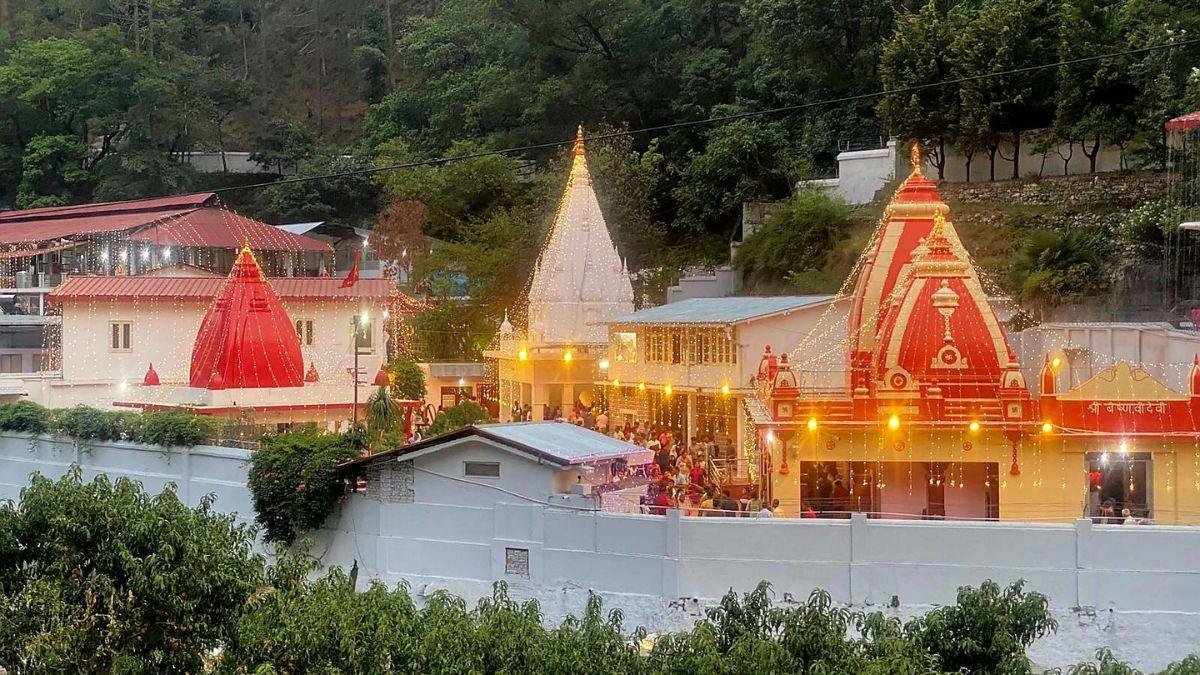
Kainchi Dham Aarti: Devotion, Simplicity and Peace in the Kumaon Hills
The Kainchi Dham Aarti is a peaceful daily worship ceremony held at the revered Neem Karoli Baba Ashram near Bhowali in Uttarakhand. Surrounded by forested hills and the flowing mountain stream beside the ashram, the ceremony brings together sacred lamps, temple bells, incense, devotional singing and heartfelt prayers.
Lord Hanuman holds a central place in the spiritual tradition of Kainchi Dham. Neem Karoli Baba, lovingly called Maharaj Ji by his followers, was known for his deep devotion to Hanuman. During the Aarti, devotees honour Lord Hanuman while also remembering Maharaj Ji’s teachings of love, service, remembrance of God and compassion towards others.
The Kainchi Dham Aarti is famous for its simplicity. It is not presented as a large public spectacle. The ceremony remains closely connected with the daily prayer routine of the ashram. Devotees gather quietly, join the chanting, listen to the bells and focus on the flame offered before the sacred images.
Many visitors attend the Aarti because they are seeking peace rather than an elaborate ritual experience. The surrounding hills, disciplined atmosphere and collective chanting allow devotees to step away from daily distractions and spend a few moments in silent reflection.
History of Kainchi Dham and Its Aarti Tradition
Kainchi Dham is situated on the Nainital–Almora road, approximately 17 kilometres from Nainital and around 9 kilometres from Bhowali. The Nainital district administration explains that the place received the name “Kainchi” because of the two sharp bends in the road near the site. The name is not connected with scissors, despite the similar Hindi word. :contentReference[oaicite:1]{index=1}
The ashram was established by Neem Karoli Baba during the twentieth century. Incredible India places its foundation in 1962 and describes the complex as a spiritual retreat containing spaces associated with Maharaj Ji and Lord Hanuman. :contentReference[oaicite:2]{index=2}
The exact year in which the daily Kainchi Dham Aarti began is not publicly documented. It developed as part of the ashram’s regular devotional routine, in which the deities are honoured at the beginning and conclusion of the day through lamps, chants, flowers and prayers.
Maharaj Ji taught that devotion should be expressed through love and service rather than outward display alone. This principle remains visible in the character of the Aarti. The ceremony is organised, respectful and emotionally powerful without depending on excessive decoration or theatrical presentation.
The annual foundation celebration held on 15 June is one of the most significant occasions at Kainchi Dham. A large Bhandara is organised, and devotees from India and overseas gather for worship, prasad and remembrance of Maharaj Ji. The Nainital district administration identifies the annual June 15 gathering as the ashram’s major religious event. :contentReference[oaicite:3]{index=3}
Spiritual Significance of Kainchi Dham Aarti
Aarti is the traditional offering of light before a deity. The illuminated lamp symbolises divine knowledge, purity and the removal of inner darkness. At Kainchi Dham, the flame is offered with devotion to Lord Hanuman and in remembrance of Neem Karoli Baba’s spiritual presence.
Lord Hanuman represents strength, humility, loyalty and selfless service. His worship reminds devotees that genuine power should be guided by compassion and surrender to God. The Kainchi Dham Aarti therefore carries a message that spiritual growth is not separate from helping other people.
The movement of the lamp in circular patterns symbolises offering every part of life to the divine. Devotees silently surrender their worries, achievements, fears and responsibilities while the priest performs the ritual.
The ringing of temple bells helps draw attention away from ordinary thoughts. Incense represents purification, while flowers express love and surrender. Bhajans and the chanting of Hanuman prayers create a shared devotional rhythm within the ashram.
The ceremony also reflects the spiritual principle of seva, or selfless service. The annual Bhandara, distribution of prasad and disciplined management of devotees demonstrate how worship can be expressed through feeding and serving others.
Benefits of Attending Kainchi Dham Aarti
- Inner calm: The quiet setting, rhythmic bells and repeated prayers can help settle an overactive mind.
- Strengthened devotion: Participating in Hanuman worship can deepen faith and spiritual discipline.
- Positive reflection: The peaceful atmosphere encourages visitors to examine their thoughts and actions.
- Emotional comfort: Many devotees experience reassurance while praying before Lord Hanuman and Maharaj Ji.
- Sense of humility: The simple ashram environment reminds visitors that devotion does not require material display.
- Community worship: Chanting with devotees from different backgrounds creates a shared spiritual experience.
- Inspiration for service: Neem Karoli Baba’s teachings encourage visitors to express faith through compassion and helpful action.
- Cultural understanding: The Aarti allows travellers to experience a living Kumaoni ashram tradition rather than merely visiting a landmark.
These benefits arise from faith, concentration and personal experience. They should not be treated as guaranteed medical, financial or material outcomes.
What Makes Kainchi Dham Aarti Special?
Devotion to Lord Hanuman
Lord Hanuman is central to the devotional identity of Kainchi Dham. The Aarti celebrates his courage, humility and unwavering devotion to Lord Rama. Devotees frequently recite Hanuman prayers and remember Maharaj Ji’s lifelong connection with Hanuman worship.
Remembrance of Neem Karoli Baba
The ceremony is closely connected with the memory and teachings of Neem Karoli Baba. Devotees may offer prayers before his image and spend time silently reflecting on his message of loving, serving and remembering God.
Sacred Lamps
A ghee or oil lamp is offered before the sacred images. The flames illuminate the shrine and represent the light of spiritual awareness. Devotees respectfully receive the warmth of the Aarti flame by moving their hands over it and touching their forehead.
Bells and Conch Sounds
Traditional bells are rung during the ceremony to focus the mind and mark the sacred period of worship. A conch shell may be sounded during important moments or special celebrations, depending on the ashram’s arrangements.
Hanuman Chalisa and Bhajans
The devotional atmosphere is shaped by the chanting of Hanuman prayers, Ram Naam and simple bhajans. Incredible India specifically highlights morning Aarti, devotional chanting, Bhajans and Satsang among the spiritual practices associated with Kainchi Dham. :contentReference[oaicite:4]{index=4}
Peaceful Natural Setting
The ashram’s location between green hills gives the Aarti a calm Himalayan character. The sound of flowing water, forest birds and temple bells creates an environment suited to meditation and quiet prayer.
Annual Bhandara
The June 15 foundation celebration brings special worship, extensive prasad preparation and large numbers of devotees. The ceremony carries an especially festive character on this day, although crowd-management and traffic restrictions are usually extensive. :contentReference[oaicite:5]{index=5}
Kainchi Dham Aarti Timings
Kainchi Dham generally conducts a morning and an evening Aarti. Timings can change according to the season, daylight, festival arrangements and directions issued by the ashram administration.
- Morning Aarti: Commonly reported between approximately 6:30 AM and 7:00 AM.
- Morning darshan: Usually begins after the ashram opens for visitors.
- Evening Aarti: Commonly reported between approximately 6:30 PM and 7:15 PM.
- General visiting hours: Several current visitor listings commonly report access from around 7:00 AM to 7:00 PM.
Current devotional travel information places the morning Aarti close to sunrise, approximately between 6:30 AM and 7:00 AM, and the evening Aarti near sunset, approximately between 6:30 PM and 7:15 PM. Another current tourism listing reports general public visiting hours from 7:00 AM to 7:00 PM. :contentReference[oaicite:6]{index=6}
The exact schedule should be reconfirmed locally before arrival. Winter daylight, annual celebrations, special visits and administrative requirements can alter regular entry or worship hours.
Note: Timings may change during festivals or according to temple administration.
Rituals Performed During Kainchi Dham Aarti
- The shrine and prayer area are prepared before devotees gather.
- Sacred images are decorated with flowers and garlands.
- Incense is lit to purify the atmosphere.
- A brass lamp containing ghee or oil is prepared.
- The priest lights the lamp and offers it in circular movements.
- Temple bells are rung during the offering.
- A conch shell may be sounded on important occasions.
- Hanuman prayers, Ram Naam and devotional Bhajans are recited.
- Devotees stand or sit quietly with folded hands.
- Flowers and other permitted offerings are presented.
- The Aarti flame is shown to the gathered devotees.
- Prasad may be distributed after the ceremony.
The ritual sequence may remain simple on regular days and become more elaborate during the annual Bhandara, Hanuman-related observances and other special programmes.
Temple Dress Code and Visitor Guidelines
- Wear modest clothing appropriate for an ashram and temple.
- Remove footwear at the designated place before entering sacred areas.
- Maintain silence during prayer, meditation and Aarti.
- Keep mobile phones switched off or completely silent.
- Do not push towards the shrine when the ceremony begins.
- Respect the queue and follow instructions given by volunteers.
- Ask before photographing any shrine or ritual.
- Photography may be restricted inside the ashram and prayer areas.
- Do not touch sacred images, lamps or ritual objects without permission.
- Avoid carrying large bags and unnecessary belongings.
- Use authorised facilities for donations and offerings.
- Do not throw flowers, packaging or waste into the stream.
- Speak respectfully with priests, volunteers and other devotees.
Mobile-phone use and photography are commonly restricted inside the ashram’s devotional areas. Visitors should follow the instructions displayed at the entrance rather than relying on rules followed during an earlier visit. :contentReference[oaicite:7]{index=7}
Best Time to Attend Kainchi Dham Aarti
Morning Aarti
Morning is suitable for devotees seeking a calm and focused experience. The hills are quieter, temperatures are comfortable during much of the year and visitor numbers are usually lower than during the afternoon.
Evening Aarti
The evening ceremony offers a warm devotional atmosphere as the lamps illuminate the shrine. Visitors should arrive early because the ashram may regulate entry as closing time approaches.
Annual Foundation Celebration
The June 15 Bhandara offers the strongest festival atmosphere, with special worship and large-scale prasad distribution. It also brings extremely heavy crowds, traffic diversions and long walking distances from designated parking areas.
Recommended Seasons
March to June and September to November generally provide comfortable weather for attending Aarti. Winter mornings can be very cold, while heavy monsoon rainfall may affect mountain roads.
Devotees planning an early-morning visit can find accommodation around Bhowali, Bhimtal or Nainital through Mudras Stays and travel to the ashram before the ceremony.
Nearby Attractions
Ghorakhal Golu Devta Temple
This respected Kumaoni shrine near Bhowali is dedicated to Golu Devta, traditionally worshipped as a deity of justice. It can be included in a short spiritual circuit with Kainchi Dham.
Bhimtal Lake
Bhimtal is a peaceful lake destination near Bhowali. Its lakeside setting offers a relaxing stop after attending the morning Aarti.
Naina Devi Temple
Situated beside Naini Lake, Naina Devi Temple is one of Nainital’s prominent Shakti shrines and may be visited during the same journey. :contentReference[oaicite:8]{index=8}
Interesting Facts About Kainchi Dham Aarti
- The Aarti honours Lord Hanuman while also remembering Neem Karoli Baba’s teachings.
- The name Kainchi comes from two sharp road bends near the ashram.
- The daily ceremony remains simple and closely connected with the ashram’s prayer routine.
- Kainchi Dham was established during the twentieth century and became an important spiritual centre in the Kumaon region.
- The June 15 foundation celebration is the ashram’s largest annual gathering.
- Hanuman Chalisa, Ram Naam and devotional Bhajans form an important part of the spiritual atmosphere.
- The surrounding hills and mountain stream give the Aarti a distinctive natural setting.
- Silence, discipline and respectful conduct are treated as important forms of devotion within the ashram.
Frequently Asked Questions
What is Kainchi Dham Aarti?
Kainchi Dham Aarti is the daily ceremonial offering of sacred lamps, incense, flowers and devotional prayers before Lord Hanuman and the sacred spaces associated with Neem Karoli Baba.
Where is Kainchi Dham Aarti performed?
The ceremony is performed at Neem Karoli Baba’s Kainchi Dham Ashram on the Nainital–Almora road, approximately 9 kilometres from Bhowali.
What are the Kainchi Dham Aarti timings?
Morning Aarti is commonly reported around 6:30 AM to 7:00 AM, while evening Aarti is generally held around 6:30 PM to 7:15 PM. Same-day confirmation is recommended.
Can anyone attend the Aarti?
Yes. Regular Aarti is generally open to respectful devotees and visitors, subject to the ashram’s capacity, security arrangements and visitor rules.
Is there an entry fee?
General darshan and participation in the regular collective Aarti are ordinarily free. Donations are voluntary and should be made only through authorised arrangements.
What should devotees wear?
Visitors should wear clean and modest clothing. Warm layers are recommended for winter mornings and evenings.
Which Kainchi Dham Aarti is most popular?
The evening Aarti is popular for its illuminated devotional atmosphere, while the morning ceremony is preferred by visitors seeking quieter prayer and meditation.
What is the best time to attend Kainchi Dham Aarti?
Attend in the morning for peace and lighter crowds or in the evening for illuminated worship. The June 15 celebration offers special devotion but attracts exceptionally large crowds.