
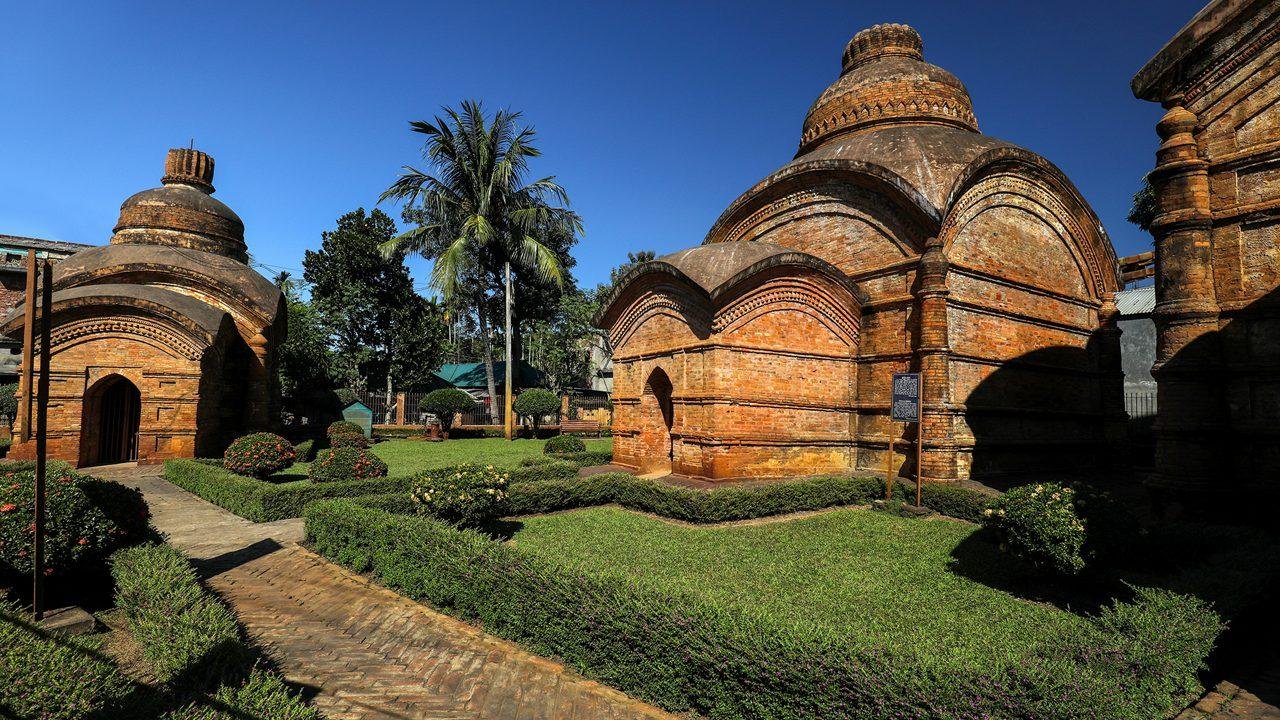
Gunabati Temple Group – A Timeless Symbol of Tripura's Royal Heritage
Situated in the historic town of Udaipur in Tripura's Gomati district, the Gunabati Temple Group is an important collection of ancient Hindu temples that reflects the architectural brilliance and religious devotion of the Manikya dynasty. These temples continue to attract pilgrims, history enthusiasts, and travellers interested in Tripura's rich cultural heritage.
Surrounded by peaceful landscapes, the temple group offers visitors an opportunity to experience spirituality, royal history, and traditional temple architecture in a serene setting.
History of Gunabati Temple Group
The Gunabati Temple Group was constructed in 1668 CE by Maharaja Govinda Manikya in memory of Queen Gunabati. The complex consists of three beautifully designed temples that have stood as symbols of faith and royal patronage for centuries.
These temples remain valuable historical monuments that preserve the artistic and religious traditions of Tripura's former kingdom.
Religious Significance
The temples are dedicated to various Hindu deities and continue to serve as active places of worship. Devotees visit throughout the year to seek blessings, perform rituals, and participate in religious festivals celebrated according to local traditions.
The temple complex is especially vibrant during major Hindu festivals, drawing pilgrims from different parts of Tripura and neighbouring states.
Architectural Highlights
The Gunabati Temple Group showcases traditional Bengali temple architecture with elegant domes, curved roofs, decorative brickwork, and beautifully designed sanctums. Although centuries old, the temples still display remarkable craftsmanship and historical charm.
The peaceful surroundings further enhance the spiritual atmosphere, making the complex an ideal destination for heritage lovers and photographers.
Main Attractions
- Historic temple group built in the 17th century.
- Royal heritage of the Manikya dynasty.
- Traditional Bengali-style architecture.
- Beautiful brick carvings and temple structures.
- Peaceful spiritual surroundings.
- Ancient places of worship.
- Excellent photography opportunities.
- Historic significance of Queen Gunabati.
- Easy access from Udaipur.
- Ideal destination for heritage tourism.
Things to Do During Your Visit
- Offer prayers at the temples.
- Admire the centuries-old architecture.
- Learn about the Manikya dynasty.
- Capture photographs of the temple complex.
- Enjoy the peaceful surroundings.
- Explore nearby heritage sites.
- Meditate within the temple premises.
- Attend local religious festivals.
- Experience Tripura's cultural heritage.
- Visit nearby lakes and temples.
Major Festivals Celebrated
- Durga Puja.
- Navratri.
- Diwali.
- Makar Sankranti.
- Shivaratri.
- Special temple festivals throughout the year.
Nearby Attractions
- Tripura Sundari Temple.
- Bhuvaneswari Temple.
- Kalyan Sagar Lake.
- Neermahal Palace.
- Tepania Eco Park.
- Gomati River.
- Chabimura Rock Carvings.
Best Time to Visit
The best time to visit is between October and March, when the weather is pleasant for exploring the temple complex and nearby attractions. Festival seasons also offer a vibrant cultural experience.
Temple Timings
The temple complex is generally open from 6:00 AM to 6:30 PM. Morning visits provide a peaceful atmosphere for worship and photography.
How to Reach
The Gunabati Temple Group is located in Udaipur, approximately 55 km from Agartala. The nearest airport is Maharaja Bir Bikram Airport, while taxis, buses, and private vehicles regularly connect Agartala with Udaipur.
Accommodation with Mudras Stays
Planning your heritage and spiritual journey through Tripura? Mudras Stays offers comfortable accommodations, exceptional hospitality, and convenient access to Tripura's temples, lakes, royal monuments, and cultural attractions. Whether travelling for pilgrimage or leisure, Mudras Stays ensures a memorable stay.
Travel Tips
- Visit during the morning for comfortable sightseeing.
- Wear modest attire while entering the temples.
- Carry a camera for heritage photography.
- Respect local customs and religious traditions.
- Combine your visit with Tripura Sundari Temple.
- Carry drinking water during warmer months.
- Help maintain cleanliness around the temple complex.
- Allocate sufficient time to explore nearby heritage sites.
Why Visit Gunabati Temple Group?
The Gunabati Temple Group offers a fascinating glimpse into Tripura's royal history, religious traditions, and architectural excellence. Its peaceful setting and historical significance make it an ideal destination for both pilgrims and heritage enthusiasts.
Conclusion
The Gunabati Temple Group stands as a remarkable reminder of Tripura's glorious past and enduring spiritual heritage. Whether you visit for devotion, architecture, or history, the temple complex promises a rewarding experience. Enhance your journey with the trusted hospitality of Mudras Stays.
Frequently Asked Questions (FAQs)
1. Why is the Gunabati Temple Group famous?
It is famous for its historic temples built by the Manikya dynasty and its well-preserved traditional architecture.
2. Where is the Gunabati Temple Group located?
The temple complex is located in Udaipur, Gomati district, Tripura.
3. Who built the Gunabati Temple Group?
Maharaja Govinda Manikya built the temples in 1668 CE in memory of Queen Gunabati.
4. What is the best time to visit?
October to March is the ideal season for sightseeing and temple visits.
5. Which nearby attractions should visitors explore?
Tripura Sundari Temple, Bhuvaneswari Temple, Kalyan Sagar Lake, Neermahal Palace, Tepania Eco Park, Gomati River, and Chabimura Rock Carvings are popular nearby attractions.
6. How much time should visitors plan?
Plan around 2–3 hours to explore the temple complex and nearby heritage attractions.
7. Why choose Mudras Stays?
Mudras Stays offers comfortable accommodations, quality hospitality, and convenient access to Tripura's leading spiritual and heritage destinations.