
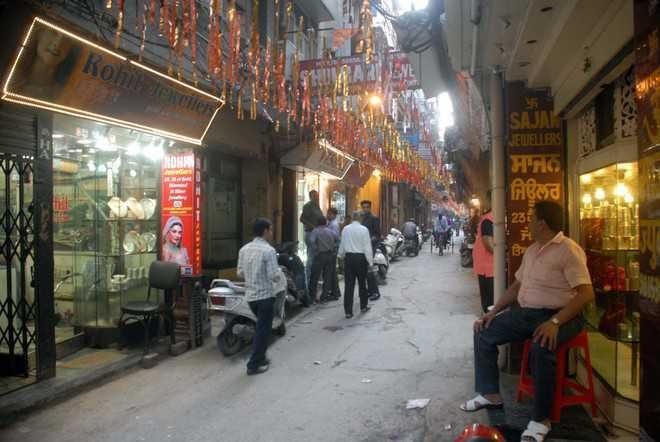
Guru Bazaar, Amritsar – A Historic Jewellery Market Near Sri Harmandir Sahib
Guru Bazaar is one of Amritsar’s oldest and most recognised traditional markets. Located within the historic walled-city area near **Sri Harmandir Sahib**, popularly known as the Golden Temple, the bazaar is especially famous for gold and silver jewellery, bridal ornaments, precious and semi-precious stones, bangles and traditional Punjabi accessories.
The market occupies a network of compact lanes between the Golden Temple area and **Gurdwara Guru Ke Mahal**, one of Amritsar’s important historic Sikh shrines. Its location allows pilgrims to combine prayer, heritage exploration and shopping within the same old-city journey.
Unlike a modern shopping mall, Guru Bazaar is formed by closely arranged family-run shops, jewellery workshops, wholesalers and small retail counters. Brightly lit display windows, narrow lanes, historic neighbourhoods and generations of specialised trade give the market a distinct character.
Guru Bazaar is particularly relevant for:
* Pilgrims visiting Sri Harmandir Sahib
* Families shopping for weddings
* Travellers looking for Punjabi jewellery
* Buyers interested in gold or silver ornaments
* Visitors exploring Amritsar’s historic bazaars
* Shoppers purchasing bangles and bridal accessories
* Families staying near Heritage Street or the Golden Temple
Travellers searching for hotels near Guru Bazaar, accommodation close to Sri Harmandir Sahib or convenient family stays in Amritsar’s old city can explore suitable options through **MudrasStays**.
## History of Guru Bazaar
The exact date on which Guru Bazaar developed as a specialised market is not firmly documented in a single authoritative historical record. It is nevertheless widely recognised as one of the older commercial areas of Amritsar’s walled city.
Amritsar expanded as a sacred and commercial settlement around the sarovar and Sri Harmandir Sahib after the city was founded under the guidance of Guru Ram Das Ji in the sixteenth century.
As pilgrims, artisans, traders and residents settled around the sacred centre, specialised bazaars gradually emerged within the surrounding katras and lanes. Different markets became associated with fabrics, food, footwear, utensils, religious goods and jewellery.
Guru Bazaar developed a particularly strong reputation for:
* Goldsmithing
* Silver ornaments
* Gem-set jewellery
* Bridal collections
* Traditional Punjabi designs
* Jewellery repair
* Custom-made ornaments
* Wholesale and retail jewellery trade
Several businesses in the area have been operated by families connected with the jewellery profession for generations. This continuity is an important part of the bazaar’s identity.
Visitors should be cautious about precise claims that every shop or lane is several centuries old. The market has continuously changed, and individual buildings and businesses may belong to different periods.
## Connection with Gurdwara Guru Ke Mahal
Guru Bazaar lies close to **Gurdwara Guru Ke Mahal**, one of the most historically significant Sikh sites in Amritsar.
Guru Ke Mahal means “the residence of the Guru.” The place is associated with the homes and activities of several Sikh Gurus and is particularly revered as the birthplace of **Guru Tegh Bahadur Ji**, the ninth Sikh Guru.
Guru Tegh Bahadur Ji was born in Amritsar in 1621. He is remembered for his spiritual teachings, courage and supreme sacrifice in defence of religious freedom and human dignity.
Pilgrims visiting Guru Ke Mahal should:
* Cover their heads
* Remove footwear at the designated area
* Wash their hands where instructed
* Dress respectfully
* Keep mobile phones silent
* Avoid interrupting prayers
* Follow photography rules
* Maintain the sanctity of the gurdwara
A meaningful pilgrimage and market itinerary may include:
**Sri Harmandir Sahib – Guru Ke Mahal – Guru Bazaar – Heritage Street – Jallianwala Bagh**
Shopping should ideally be completed after visiting the gurdwaras so that heavy or valuable bags do not need to be carried during prayer.
## Visit Sri Harmandir Sahib Before Shopping
Sri Harmandir Sahib is the principal spiritual destination connected with Guru Bazaar.
The sacred gurdwara welcomes visitors of every background. Pilgrims come to listen to Gurbani, walk around the Amrit Sarovar, offer prayers and participate in the tradition of seva.
Before entering the complex:
* Cover your head properly.
* Remove footwear at the designated counter.
* Wash your hands and feet where instructed.
* Dress modestly.
* Do not carry tobacco, alcohol or prohibited items.
* Keep mobile phones silent.
* Follow directions issued by sewadars.
* Avoid blocking the movement of pilgrims.
* Respect photography restrictions.
* Carry only essential belongings.
After darshan and langar, visitors can proceed towards Guru Bazaar for jewellery and souvenir shopping.
## Experience Amritsar’s Traditional Jewellery Trade
Jewellery is the defining speciality of Guru Bazaar.
The market includes retail shops, wholesalers, specialist craftsmen and businesses dealing in different categories of ornaments.
Visitors may find:
* Gold necklaces
* Gold chains
* Earrings
* Rings
* Bangles and bracelets
* Bridal jewellery sets
* Silver anklets
* Silver utensils
* Religious pendants
* Gem-set ornaments
* Diamond jewellery
* Polki-inspired jewellery
* Kundan-style designs
* Traditional Punjabi ornaments
* Costume and artificial jewellery
Product quality, pricing and authenticity can differ considerably between shops. Shoppers should compare several established businesses before making a high-value purchase.
## Shop for Bridal Jewellery
Guru Bazaar is particularly popular among families preparing for Punjabi weddings.
Bridal collections may include:
* Heavy necklace sets
* Chokers
* Long haar designs
* Earrings and jhumkas
* Maang tikka
* Nath or nose rings
* Bangles
* Kadas
* Kalire
* Payal
* Rings
* Jewellery for wedding functions
* Matching family sets
Wedding shopping can require several hours because designs, weights, making charges and customisation options vary.
Families should discuss their budget before entering multiple shops and should not feel pressured into making an immediate decision.
For custom-made jewellery, confirm:
* Final design
* Metal purity
* Approximate weight
* Gemstone details
* Making charges
* Delivery date
* Alteration policy
* Cancellation terms
* Written order details
## Buy Gold Jewellery Responsibly
Gold purchases should be made carefully because the final price includes more than the market value of the metal.
Before paying, ask the jeweller to explain:
* Gold purity
* Net metal weight
* Stone weight
* Making charges
* Wastage or additional labour charges
* Applicable taxes
* Hallmark details
* Buyback policy
* Exchange terms
* Repair and resizing conditions
Always request a detailed invoice describing the item and its specifications.
Customers should inspect clasps, joints, stones and finishing before leaving the store. Jewellery ordered for a later date should be checked again at delivery.
## Explore Silver Jewellery and Gifts
Guru Bazaar is also known for silver ornaments and decorative products.
Visitors may find:
* Anklets
* Toe rings
* Silver bangles
* Chains
* Children’s jewellery
* Religious pendants
* Small idols
* Silver-plated gifts
* Puja accessories
* Decorative bowls
* Coins
* Wedding gift items
Ask whether the product is solid silver, sterling silver, lower-purity silver or merely silver-plated.
The weight and purity should be mentioned clearly on the invoice for significant purchases.
## Precious and Semi-Precious Stones
Some jewellers in Guru Bazaar offer ornaments containing diamonds, pearls and coloured stones.
These may include:
* Diamonds
* Rubies
* Emeralds
* Sapphires
* Pearls
* Coral-style products
* Turquoise-style stones
* Cubic zirconia
* Synthetic stones
* Lab-created gemstones
Customers should never assume that every coloured stone is natural or precious.
For an expensive gemstone, ask:
* Whether it is natural, treated, synthetic or imitation
* Whether a recognised laboratory certificate is available
* The stone’s weight and measurements
* Whether treatment has been disclosed
* Whether the certificate number matches the stone
* What return or exchange policy applies
Astrological recommendations should not replace careful verification of the product.
## Buy Bangles and Punjabi Accessories
Guru Bazaar and its adjoining lanes may offer a wide range of bangles and wedding accessories.
Visitors may find:
* Glass bangles
* Metal bangles
* Lac-style bangles
* Stone-studded bangles
* Bridal chooda sets
* Kadas
* Kalire
* Artificial jewellery
* Hair accessories
* Decorative bindis
* Potli bags
* Bridal accessories
Bangles should be tried for size and comfort. Delicate glass or stone work should be packed carefully for travel.
Families buying a bridal chooda should confirm the size, number of pieces and accompanying accessories before payment.
## Traditional Punjabi Jewellery Designs
Traditional Punjabi jewellery reflects the region’s festive, agricultural and royal heritage.
Depending on the shop, visitors may find designs inspired by:
* Jhumkas
* Tikka and maang tikka
* Nath
* Kadas
* Chooda
* Kalire
* Long necklaces
* Rani haar
* Parandi accessories
* Religious pendants
* Folk-style silver jewellery
Some pieces may be modern reproductions rather than antique ornaments.
Products described as antique should be approached carefully. Buyers should ask for documentation and should never purchase an object suspected of being an illegally traded antiquity or protected cultural property.
## Jewellery Repair and Customisation
Several businesses in the market may provide services such as:
* Ring resizing
* Chain repair
* Clasp replacement
* Stone setting
* Polishing
* Rhodium finishing
* Custom jewellery production
* Redesigning old ornaments
* Converting inherited jewellery into modern designs
Before handing over valuable jewellery:
* Record its weight and condition.
* Request a written receipt.
* Photograph the item.
* Confirm expected metal loss.
* Discuss stone handling.
* Agree on charges.
* Note the delivery date.
* Use an established shop.
Do not leave expensive jewellery with an unidentified counter or temporary vendor.
## Explore Adjoining Old-City Shopping Lanes
Although jewellery is Guru Bazaar’s main speciality, the surrounding old-city markets expand the shopping experience.
Nearby streets may offer:
* Punjabi juttis
* Phulkari dupattas
* Punjabi suits
* Religious souvenirs
* Turban cloth
* Shawls
* Handbags
* Handicrafts
* Papad and wadiyan
* Pickles
* Sweets
* Dry fruits
* Household products
Visitors seeking a wider variety of textiles and footwear can continue towards Hall Bazaar, Heritage Street, Katra Jaimal Singh and other traditional commercial areas.
## Combine Guru Bazaar with Heritage Street
Heritage Street provides the pedestrian-oriented approach between the Town Hall area, Jallianwala Bagh and Sri Harmandir Sahib.
Guru Bazaar offers a more traditional old-city shopping experience.
### Guru Bazaar Is Best For:
* Gold and silver jewellery
* Bridal ornaments
* Bangles and accessories
* Custom jewellery
* Gem-set products
* Traditional jewellery designs
### Heritage Street Is Best For:
* Religious souvenirs
* Illuminated architecture
* Punjabi footwear
* Food outlets
* Access to Jallianwala Bagh
* Access to the Partition Museum
* Evening walks
The two areas can comfortably be explored during the same pilgrimage.
## Enjoy Food Near Guru Bazaar
The old-city area surrounding Guru Bazaar contains restaurants, dhabas, sweet shops and snack counters.
Visitors may find:
* Amritsari kulcha with chole
* Poori and chana
* Stuffed parathas
* Dal
* Paneer dishes
* Lassi
* Tea
* Samosas
* Kachori
* Jalebi
* Gulab jamun
* Phirni
* Vegetarian thalis
Pilgrims can also participate respectfully in **Guru ka Langar** at Sri Harmandir Sahib.
Visitors following a strict satvik diet should ask whether onion and garlic are used. Those with food allergies should confirm ingredients before ordering.
## Best Time to Visit Guru Bazaar
Guru Bazaar can be visited throughout the year.
### October to March
The cooler months are comfortable for walking through the old city and combining shopping with pilgrimage visits.
### April to June
Amritsar can become very hot. Morning and evening shopping is more comfortable than midday exploration.
### July to September
Monsoon rain may make narrow lanes slippery. Protect jewellery documents, fabric products and shopping bags from moisture.
### Wedding and Festival Seasons
The market becomes particularly active around:
* Wedding seasons
* Baisakhi
* Gurpurabs
* Diwali
* Karva Chauth
* Lohri
* Major holidays
Festival periods provide a larger selection but also bring heavier traffic and crowds.
Individual shops follow their own timings and weekly closure practices. Customers planning a specific purchase should contact the selected jeweller before travelling.
## How Much Time to Spend
Visitors can keep approximately two to four hours for Guru Bazaar.
More time may be required when:
* Buying bridal jewellery
* Ordering customised pieces
* Comparing gold prices and charges
* Shopping for an entire family
* Combining the market with Guru Ke Mahal
* Visiting during wedding season
* Exploring adjoining bazaars
A complete old-city itinerary may require most of the day.
## Practical Shopping Tips
Visitors should:
* Compare several established jewellers.
* Set a budget before shopping.
* Check purity and weight.
* Ask for hallmark details.
* Obtain a detailed invoice.
* Separate metal weight from stone weight.
* Confirm making charges.
* Check buyback and exchange policies.
* Verify gemstone certificates.
* Avoid carrying excessive cash.
* Keep purchases securely concealed.
* Do not display valuable jewellery in crowded lanes.
* Photograph invoices and certificates.
* Keep children close.
* Avoid unverified antique claims.
* Confirm shop timings before visiting.
For high-value purchases, using secure digital payment or another traceable method is generally preferable to carrying large amounts of cash.
## How to Reach Guru Bazaar
Guru Bazaar lies within Amritsar’s old city near Sri Harmandir Sahib and Gurdwara Guru Ke Mahal.
Visitors may reach the wider area by:
* E-rickshaw
* Auto-rickshaw
* Cycle-rickshaw
* Private taxi
* Hotel-arranged cab
* Local transport
* Walking from nearby accommodation
The final market lanes are narrow and are best explored on foot.
Cars and larger vehicles may not be able to reach every shop. Visitors should agree on a fixed pickup point with their driver before entering the bazaar.
Traffic and access restrictions may increase during Gurpurabs, weekends and major pilgrimage periods.
## Where to Stay Near Guru Bazaar
Staying near Guru Bazaar or Sri Harmandir Sahib is convenient for pilgrims who want early-morning or late-evening access to the sacred complex.
Nearby accommodation may provide:
* Walking access to Sri Harmandir Sahib
* Access to Guru Ke Mahal
* Proximity to Heritage Street
* Easy shopping in Guru Bazaar
* Access to Jallianwala Bagh
* Restaurants and e-rickshaw services
* Reduced dependence on city traffic
Before booking, verify:
* Actual walking distance
* Final vehicle access
* Lift or ground-floor availability
* Family-room configuration
* Hot-water facilities
* Vegetarian food
* Secure luggage storage
* Safe storage for jewellery purchases
* Street and market noise
* Parking arrangements
* Accessibility for senior citizens
A hotel described as being near the Golden Temple may still be located within a narrow lane where taxis cannot reach the entrance.
## Book Hotels Near Guru Bazaar with MudrasStays
**MudrasStays** helps pilgrims find suitable accommodation near gurdwaras, temples, traditional markets and important spiritual destinations.
Travellers visiting Amritsar can use MudrasStays to explore:
* Hotels near Guru Bazaar
* Stays near Sri Harmandir Sahib
* Accommodation near Gurdwara Guru Ke Mahal
* Family hotels near Heritage Street
* Rooms suitable for senior citizens
* Hotels near vegetarian restaurants
* Group accommodation for pilgrimage tours
* Properties with secure luggage storage
* Stays with e-rickshaw access
* Hotels near Jallianwala Bagh
Choosing accommodation close to Guru Bazaar allows families to attend prayers, explore historic gurdwaras and complete wedding or jewellery shopping without repeatedly travelling across Amritsar.
Guru Bazaar is more than a commercial jewellery market. It forms part of Amritsar’s historic sacred neighbourhood, where the traditions of goldsmiths, Sikh pilgrimage, family celebrations and old-city commerce have developed together over generations.
By combining Guru Bazaar with Sri Harmandir Sahib and Guru Ke Mahal—and booking a convenient nearby stay through **MudrasStays**—travellers can experience Amritsar through devotion, history, craftsmanship and Punjabi family culture.