
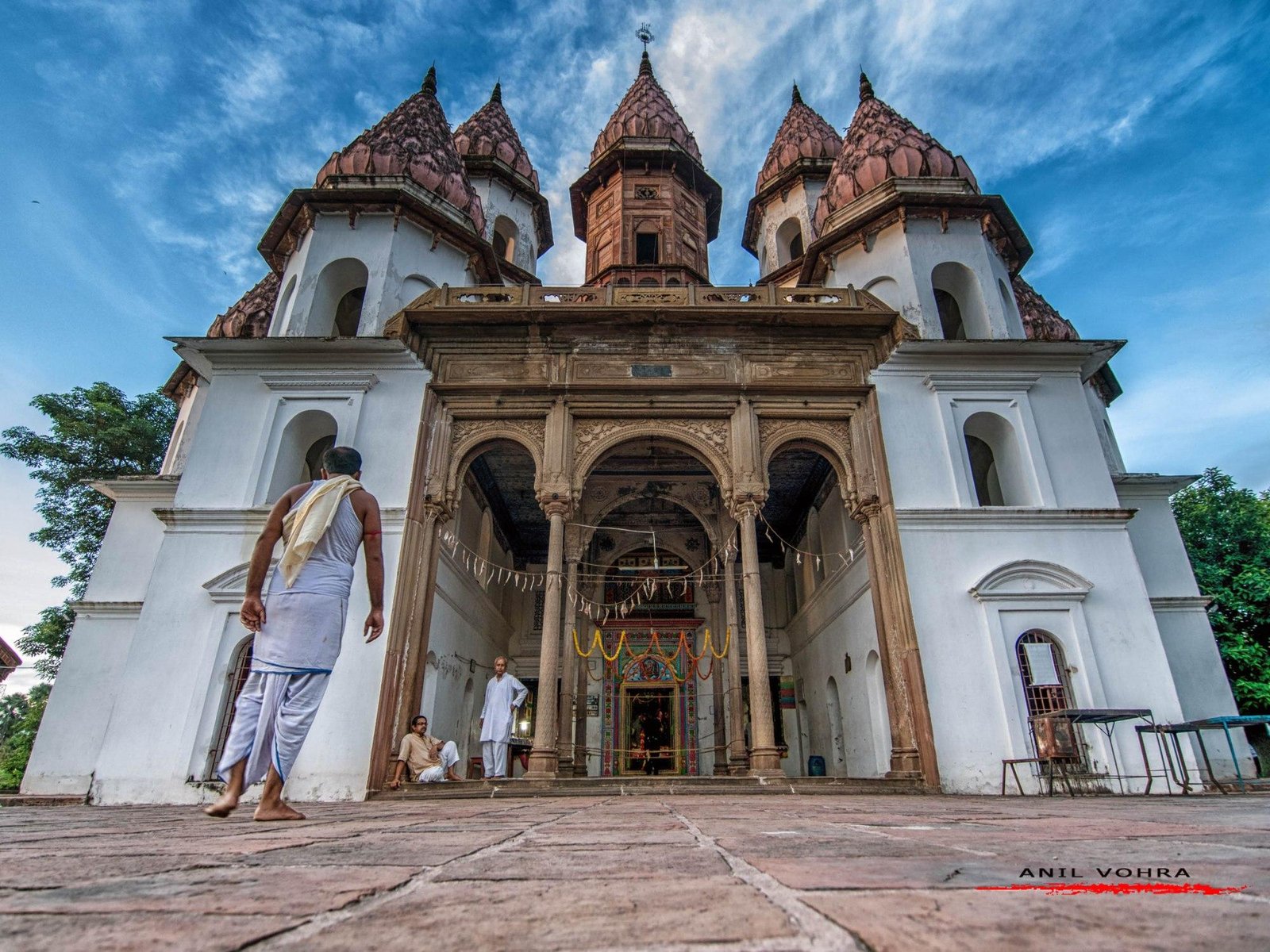
Hanseswari Temple – A Unique Architectural and Spiritual Landmark of West Bengal
Situated in Bansberia in the Hooghly district of West Bengal, the Hanseswari Temple is one of the state's most remarkable religious monuments. Dedicated to Goddess Hanseswari, a manifestation of Goddess Kali, the temple is celebrated for its extraordinary architecture, rich spiritual heritage, and historical significance. It attracts pilgrims, architecture enthusiasts, historians, and tourists from across India.
Unlike conventional Bengal temples, Hanseswari Temple is famous for its distinctive structure featuring 13 lotus-bud-shaped towers. This unique design symbolizes the yogic concept of the human body's energy channels and chakras, making the temple a rare blend of spirituality, philosophy, and architecture.
History of Hanseswari Temple
Construction of Hanseswari Temple began in 1799 under Raja Nrisinhadeb Roy Mahasay. Following his death, the temple was completed in 1814 by Rani Shankari Devi. The rulers envisioned a temple unlike any other, inspired by Tantric philosophy and yogic traditions rather than conventional temple architecture.
Today, the temple stands as one of West Bengal's finest examples of religious architecture and continues to be an active place of worship.
Religious Significance
The temple is dedicated to Goddess Hanseswari, worshipped as a compassionate and powerful form of the Divine Mother. Devotees visit to seek blessings for protection, prosperity, health, family harmony, and spiritual progress.
The temple also holds great importance among followers of Tantra and Shakta traditions due to its symbolic architectural design representing the spiritual awakening of the human body.
Architectural Excellence
Hanseswari Temple is renowned for its remarkable architectural style. Rising approximately 70 feet, the temple features 13 lotus-shaped towers, each representing spiritual energy centres. The multi-storeyed structure is built using brick and lime mortar and reflects a rare combination of Bengali, Hindu, and Indo-Islamic influences.
Inside the sanctum, Goddess Hanseswari is worshipped in the form of a beautifully adorned idol placed on a wooden platform. Intricate carvings, elegant arches, and the temple's unusual vertical design make it one of India's most distinctive temples.
Main Attractions
- Unique 13 lotus-bud-shaped towers.
- Sacred shrine of Goddess Hanseswari.
- Rare Tantric-inspired architecture.
- Historic temple built in the early 19th century.
- Beautiful ornamental carvings.
- Daily poojas and devotional aartis.
- Peaceful temple complex.
- Excellent heritage photography opportunities.
- Important spiritual destination.
- Rich cultural and historical significance.
Things to Do During Your Visit
- Offer prayers to Goddess Hanseswari.
- Admire the temple's unique architecture.
- Attend the daily aarti.
- Explore the temple complex.
- Learn about the temple's Tantric symbolism.
- Photograph the iconic lotus towers.
- Visit nearby heritage monuments.
- Meditate in the peaceful surroundings.
- Experience local religious traditions.
- Purchase local sweets and handicrafts.
Major Festivals Celebrated
- Kali Puja.
- Durga Puja.
- Navratri.
- Diwali.
- Rath Yatra celebrations.
- Special annual temple festival.
Nearby Attractions
- Ananta Basudev Temple.
- Bandel Church.
- Hooghly Imambara.
- Chandannagar Strand.
- Chandannagar Museum.
- Hangseswari Rajbari remains.
- Hooghly River Ghat.
Best Time to Visit
The best time to visit is between October and March, when the weather is pleasant. Durga Puja and Kali Puja offer a vibrant atmosphere with elaborate decorations and special religious ceremonies.
Temple Timings
The temple generally opens in the early morning and remains open until evening. Daily poojas and aartis are performed throughout the day, with extended timings during major festivals.
How to Reach
Hanseswari Temple is located in Bansberia, approximately 50 km from Kolkata. The nearest railway station is Bansh Beria Railway Station, while Netaji Subhas Chandra Bose International Airport, Kolkata, is the nearest airport. Regular trains, buses, taxis, and private vehicles provide convenient access.
Accommodation with Mudras Stays
Planning a heritage and spiritual journey across West Bengal? Mudras Stays offers comfortable accommodations, excellent hospitality, and convenient access to West Bengal's renowned temples, heritage towns, and cultural attractions. Whether travelling for pilgrimage or leisure, Mudras Stays ensures a relaxing and memorable stay.
Travel Tips
- Visit during the morning for peaceful darshan.
- Wear modest clothing suitable for temple visits.
- Respect temple customs and photography guidelines.
- Carry drinking water during summer months.
- Combine your visit with nearby heritage attractions.
- Attend Kali Puja for spectacular celebrations.
- Support local artisans and sweet shops.
- Help maintain cleanliness within the temple premises.
Why Visit Hanseswari Temple?
Hanseswari Temple offers a unique combination of architectural brilliance, spiritual significance, and historical heritage. Its extraordinary lotus-shaped towers and deep philosophical symbolism make it one of the most fascinating temple destinations in West Bengal.
Conclusion
Hanseswari Temple continues to captivate visitors with its remarkable architecture and sacred atmosphere. Whether you seek the blessings of Goddess Hanseswari, wish to admire one of India's most distinctive temple designs, or explore West Bengal's rich heritage, this temple offers an unforgettable experience. Complete your journey with the trusted hospitality of Mudras Stays.
Frequently Asked Questions (FAQs)
1. Why is Hanseswari Temple famous?
Hanseswari Temple is famous for its unique 13 lotus-bud-shaped towers, Tantric-inspired architecture, and dedication to Goddess Hanseswari.
2. Which deity is worshipped here?
Goddess Hanseswari, a manifestation of Goddess Kali, is the presiding deity.
3. Where is Hanseswari Temple located?
The temple is located in Bansberia, Hooghly district, West Bengal.
4. What is the best time to visit?
October to March is the ideal season, especially during Durga Puja and Kali Puja.
5. Which nearby attractions should visitors explore?
Ananta Basudev Temple, Bandel Church, Hooghly Imambara, Chandannagar Strand, Chandannagar Museum, the historic Rajbari remains, and the Hooghly River Ghat are popular nearby attractions.
6. How much time should visitors plan?
Visitors should allocate approximately 2–3 hours to explore the temple, admire its architecture, and visit nearby heritage attractions.
7. Why choose Mudras Stays?
Mudras Stays offers comfortable accommodations, premium hospitality, and convenient access to West Bengal's leading pilgrimage and heritage destinations, ensuring a memorable travel experience.