
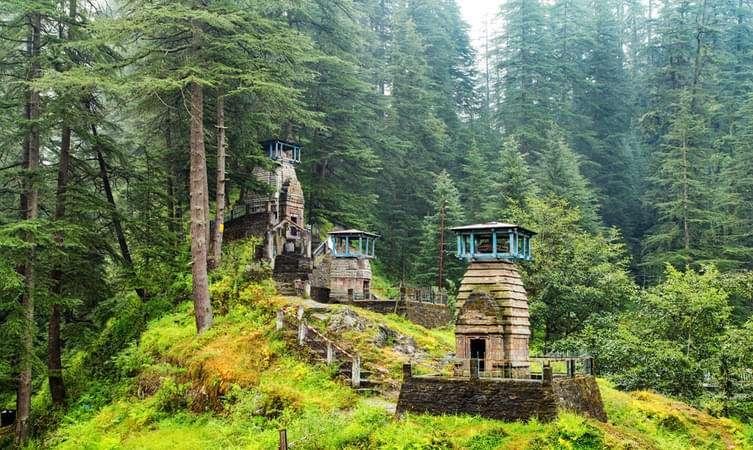
Jageshwar Dham – A Timeless Abode of Lord Shiva in the Himalayas
Nestled amidst the dense deodar forests of the Kumaon Himalayas in Almora district, Jageshwar Dham is one of the most sacred Shiva pilgrimage destinations in India. Located at an altitude of around 1,870 metres, the temple complex consists of more than 100 ancient stone temples, making it one of the largest and most significant collections of medieval Hindu temples in the country.
The tranquil surroundings, flowing Jata Ganga River, towering cedar trees, and centuries-old temples create an atmosphere of deep spirituality. Pilgrims, historians, photographers, and nature lovers visit Jageshwar throughout the year to experience its remarkable blend of devotion, architecture, and Himalayan beauty.
Historical Background
The temples of Jageshwar were built between the 7th and 14th centuries CE under the patronage of the Katyuri and Chand dynasties. The site has been an important Shaivite pilgrimage centre for more than a thousand years and is protected today as a monument of national importance by the Archaeological Survey of India.
Several ancient scriptures describe Jageshwar as one of the holiest places dedicated to Lord Shiva. Some traditions even believe it to be one of the locations associated with the original Jyotirlinga worship, adding to its immense religious significance.
Temple Architecture
Jageshwar Dham showcases classic North Indian Nagara-style temple architecture. Built primarily from locally available stone, the temples feature beautifully carved shikharas, intricate doorways, decorative sculptures, and finely crafted idols that reflect the artistic excellence of medieval Himalayan craftsmen.
The complex includes several important shrines such as the Jageshwar Mahadev Temple, Mahamrityunjaya Temple, Dandeshwar Temple, Kedareshwar Temple, and many smaller shrines dedicated to various Hindu deities.
Religious Importance
Lord Shiva is worshipped here as Jageshwar, the Lord of the Universe. Devotees believe that sincere prayers at this sacred site bring peace, good health, protection, and spiritual liberation. The temple is particularly important for devotees performing Rudrabhishek, Mahamrityunjaya Jaap, and ancestral rituals.
The annual Shravan Mela and Maha Shivaratri celebrations attract thousands of pilgrims from across India. The sound of temple bells, Vedic chants, and flowing mountain streams creates an unforgettable spiritual experience.
Main Attractions
- More than 100 ancient stone temples.
- Jageshwar Mahadev Temple.
- Mahamrityunjaya Temple.
- Dandeshwar Temple.
- Beautiful deodar forests.
- Jata Ganga River.
- Ancient stone carvings and sculptures.
- Peaceful Himalayan surroundings.
Things to Do
- Offer prayers to Lord Shiva.
- Explore the entire temple complex.
- Attend morning and evening Aarti.
- Meditate beside the Jata Ganga River.
- Visit the Archaeological Museum nearby.
- Enjoy photography amid the cedar forests.
- Experience local Kumaoni culture.
Major Festivals
- Maha Shivaratri.
- Shravan Mela.
- Sawan Mondays.
- Kartik Purnima.
- Makar Sankranti.
Best Time to Visit
The best time to visit Jageshwar Dham is from March to June and September to November, when the weather is pleasant and ideal for sightseeing. The monsoon season transforms the surrounding forests into lush green landscapes, while winter offers peaceful surroundings with occasional snowfall.
Nearby Attractions
- Dandeshwar Temple.
- Jageshwar Archaeological Museum.
- Vriddha Jageshwar Temple.
- Almora Town.
- Kasar Devi Temple.
- Binsar Wildlife Sanctuary.
How to Reach
Jageshwar Dham is located about 35 km from Almora and is well connected by road. Kathgodam Railway Station is the nearest major railhead, while Pantnagar Airport is the nearest airport. Regular taxis and buses operate from Almora to Jageshwar.
Why Stay with Mudras Stays?
Whether you are planning a pilgrimage or a Himalayan getaway, Mudras Stays provides comfortable accommodation, modern amenities, exceptional hospitality, and convenient access to Uttarakhand's famous temples and scenic destinations.
- Comfortable accommodation.
- Modern amenities.
- Family-friendly rooms.
- Excellent hospitality.
- Convenient access to pilgrimage destinations.
- Ideal base for exploring Kumaon.
Travel Tips
- Carry light woollen clothing throughout the year.
- Wear comfortable walking shoes while exploring the temple complex.
- Visit early morning for peaceful darshan.
- Respect photography restrictions inside temple sanctums.
- Spend time exploring the surrounding forests and museum.
- Keep the temple premises clean and preserve the heritage site.
Conclusion
Jageshwar Dham is one of India's finest Himalayan pilgrimage destinations, where ancient architecture, sacred traditions, and breathtaking natural beauty come together. The centuries-old temples, tranquil cedar forests, and spiritual atmosphere make every visit deeply memorable. Enhance your journey through Uttarakhand by choosing Mudras Stays for a comfortable and relaxing stay while exploring the state's sacred heritage.
Frequently Asked Questions (FAQs)
1. Why is Jageshwar Dham famous?
It is famous for its collection of over 100 ancient Shiva temples, medieval architecture, and serene Himalayan setting.
2. Which deity is worshipped at Jageshwar Dham?
Lord Shiva is worshipped here as Jageshwar Mahadev.
3. Is Jageshwar Dham an ASI-protected monument?
Yes, the temple complex is protected by the Archaeological Survey of India because of its immense historical and architectural significance.
4. What is the best time to visit?
March to June and September to November are the best seasons for a comfortable visit.
5. Why choose Mudras Stays?
Mudras Stays offers comfortable accommodation with modern amenities and convenient access to Uttarakhand's major pilgrimage destinations.