
Jana Village – A Peaceful Himachali Village Known for Waterfalls, Orchards and Traditional Food
Jana Village is a quiet Himalayan settlement located in the hills above Naggar in the Kullu district of Himachal Pradesh. Surrounded by deodar forests, pine-covered slopes, apple orchards, terraced fields and mountain streams, the village offers travellers an opportunity to experience the rural side of the Kullu Valley away from the busy streets of Manali.
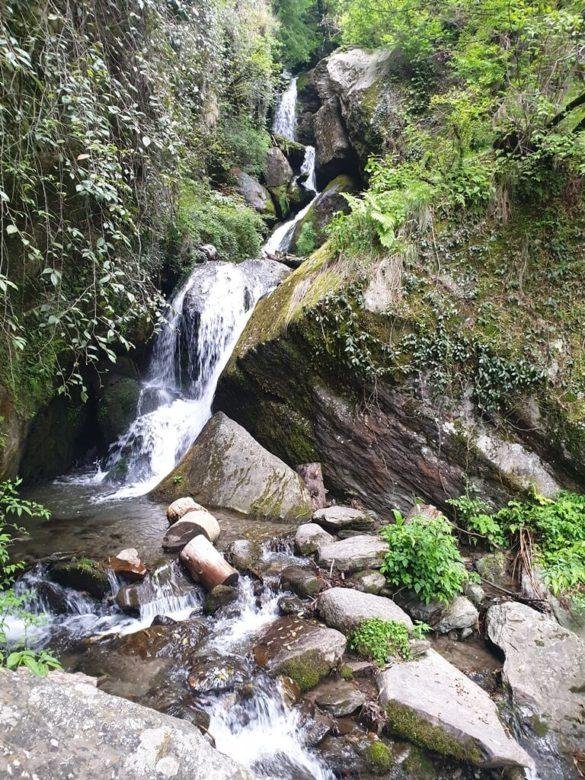
The village is best known for **Jana Waterfall**, a natural cascade flowing over moss-covered rocks amid dense forest. Small local dhabas near the waterfall serve traditional Himachali food, making Jana especially popular among families who want to combine nature, village life and regional cuisine in a single excursion.
Jana is not a large commercial tourist destination. It has no organised shopping promenade or crowded urban bazaar. Its attraction lies in the scenic road from Naggar, traditional village surroundings, local food, orchards, forests and the refreshing atmosphere around the waterfall.
For pilgrims visiting the ancient temples of Naggar—including **Gauri Shankar Temple, Tripura Sundari Temple and Murlidhar Krishna Temple**—Jana Village can be included as a peaceful leisure extension after darshan.
Travellers searching for homestays near Jana Village, hotels near Naggar or accommodation suitable for the Kullu–Manali temple circuit can explore suitable options through **MudrasStays**.
## Experience Traditional Village Life in the Kullu Valley
Jana offers a slower and more intimate experience than Manali, Mall Road or other heavily visited mountain destinations.
The settlement consists of traditional houses, orchards, fields, narrow village roads and forest paths. Local families continue to practise agriculture, horticulture and livestock rearing while also operating small restaurants, homestays and visitor facilities.
During a visit, travellers may observe:
* Traditional Himachali houses
* Apple and fruit orchards
* Terraced agricultural fields
* Deodar and pine forests
* Grazing cattle and sheep
* Small mountain streams
* Local kitchens and dhabas
* Village pathways
* Views of the surrounding Kullu hills
* Seasonal agricultural activity
Visitors should remember that Jana is a living residential and agricultural community. Farms, homes, orchards and village pathways should be treated respectfully rather than as unrestricted tourist areas.
Permission should be requested before photographing residents, entering private land or picking fruit from an orchard.
## Visit Jana Village After Naggar Temple Darshan
Naggar is the nearest major heritage and pilgrimage centre connected with Jana Village.
The historic village contains several ancient Hindu temples representing different architectural and devotional traditions of the Kullu Valley. Pilgrims can begin their day with temple darshan in Naggar and then continue uphill towards Jana for waterfalls, local food and forest scenery.
A suitable pilgrimage and leisure itinerary may include:
**Gauri Shankar Temple – Tripura Sundari Temple – Naggar Village – Jana Village – Jana Waterfall – Traditional Himachali Meal**
This itinerary allows visitors to combine Lord Shiva and Devi worship with rural Himachal, mountain landscapes and regional cuisine.
Travellers should begin early because the road to Jana is narrow and winding. Additional time may be required during rain, snowfall, road repairs or periods of heavy visitor movement.
## Visit Gauri Shankar Temple in Naggar
**Gauri Shankar Temple** is one of the most important ancient temples near Jana Village.
Located below Naggar Castle, the stone shrine is dedicated to Lord Shiva and Goddess Parvati. It is recognised for its carved stone architecture and historic importance within the former capital of Kullu.
Pilgrims can seek the blessings of Lord Shiva before travelling towards Jana Village.
A convenient route may include:
**Gauri Shankar Temple Darshan – Naggar Castle Area – Jana Village**
Visitors should maintain the temple’s peaceful atmosphere, follow local customs and avoid touching old carvings or architectural elements unnecessarily.
## Visit Tripura Sundari Temple
**Tripura Sundari Temple** is another important sacred place in Naggar. Dedicated to Goddess Tripura Sundari, the temple is known for its traditional multi-tiered, pagoda-style wooden architecture.
The shrine is situated in the upper part of Naggar and holds deep religious significance for the local community.
Devotees can complete Maa Tripura Sundari darshan before proceeding towards Jana Village for lunch and sightseeing.
A suitable spiritual route may include:
**Tripura Sundari Temple – Naggar Village Walk – Jana Village – Jana Waterfall**
Visitors should check current temple access and festival arrangements locally, particularly when travelling during religious fairs or major Devi celebrations.
## Add Murlidhar Krishna Temple to the Journey
The wider Naggar area also includes the historic **Murlidhar Krishna Temple**, situated on a ridge above the village.
The shrine is associated with Lord Krishna and forms part of Naggar’s collection of ancient temples.
Travellers interested in exploring several temples should keep sufficient time rather than attempting every shrine, Jana Waterfall and Manali sightseeing in a rushed single day.
The roads and pathways around the upper villages may be steep, so the itinerary should be adjusted for children and senior citizens.
## Explore Jana Waterfall
Jana Waterfall is the principal natural attraction associated with the village.
The water flows through a forested mountain channel and descends over several levels of dark, moss-covered rocks. Wooden bridges and pathways around the cascade create attractive viewpoints, while local eateries allow visitors to enjoy tea or traditional food beside the flowing water.
The waterfall is smaller and more intimate than a large single-drop cascade. Its appeal comes from the surrounding forest, rocky stream, rustic bridges and peaceful village environment.
Visitors can enjoy:
* Views of the natural cascade
* Short forest walks
* Moss-covered rocks
* Wooden bridges
* Mountain photography
* Tea beside the stream
* Traditional Himachali meals
* Cool forest air
* Seasonal greenery
* Time away from Manali’s crowds
The volume of water varies according to rain and snowmelt. Visitors should not expect the waterfall to have the same appearance throughout the year.
## Walk Carefully Around the Waterfall
The immediate waterfall area may involve wet rocks, uneven surfaces, narrow paths and wooden crossings.
Visitors should:
* Wear shoes with reliable grip.
* Stay on recognised paths.
* Avoid climbing slippery rocks.
* Keep children close to adults.
* Follow any barriers or local warnings.
* Avoid entering deep or fast-flowing water.
* Do not attempt unsafe photographs.
* Avoid the waterfall during severe rain.
* Return before darkness.
* Keep both hands free while crossing rough sections.
Mountain streams can rise quickly following rainfall. Rocks that appear stable may be slippery because of moss or continuous water spray.
Senior citizens and travellers with mobility limitations can enjoy the accessible lower area without attempting steeper paths above the falls.
## Enjoy Traditional Himachali Food Near the Waterfall
One of the most memorable parts of visiting Jana is eating freshly prepared Himachali food at the small dhabas near the waterfall.
Depending on seasonal availability and the selected outlet, a local meal may include:
* Siddu
* Red rice
* Rajma
* Kadhi
* Makki ki roti
* Sarson or seasonal leafy saag
* Lingdi or fiddlehead-fern preparations
* Local pickles
* Walnut chutney
* Desi ghee
* Jaggery
* Seasonal vegetables
* Dal
* Tea and simple refreshments
Food is often served as a set thali rather than through an extensive restaurant menu.
The experience is simple and rustic. Visitors may sit close to the waterfall or in basic covered dining areas while enjoying food prepared in a local style.
Recipes and menu items vary according to the season, available ingredients and operating dhaba. Travellers visiting specifically for a particular dish should enquire before placing the complete order.
## Try Siddu
Siddu is one of the best-known traditional foods associated with Himachal Pradesh.
It is generally prepared using fermented wheat dough and may contain a savoury filling. The dough is steamed and served with ghee, dal or chutney.
Different kitchens prepare Siddu differently. Fillings may include ingredients such as lentils, walnuts, poppy seeds or other local combinations.
Visitors with allergies should ask about nuts and other ingredients before eating.
Siddu is filling, so families ordering a complete Himachali thali may prefer sharing portions instead of ordering several separate plates.
## Taste Red Rice and Rajma
Red rice and rajma are commonly associated with traditional meals in the Kullu region.
The earthy rice pairs well with locally prepared kidney beans, kadhi and seasonal vegetables. This combination provides visitors with a more regional food experience than ordering only Maggi, noodles or standard restaurant dishes.
Travellers following a strict vegetarian or satvik diet should confirm whether onion and garlic are used in individual preparations.
Food at village dhabas is usually freshly prepared in limited quantities. Larger families or groups may benefit from calling ahead where contact information is available.
## Try Lingdi and Seasonal Vegetables
Lingdi, also called fiddlehead fern, is a seasonal mountain ingredient used in parts of Himachal Pradesh.
It may be prepared as a vegetable, pickle or accompanying dish. Availability depends on the season and local harvesting.
Visitors should not collect wild plants themselves. Some forest plants can be unsafe or protected, and identification requires local knowledge.
Travellers should enjoy properly prepared regional ingredients only through responsible local kitchens.
## Enjoy Tea and Simple Snacks
Visitors who do not want a complete meal may find simple refreshments around the waterfall.
Depending on the operating outlet, options may include:
* Tea
* Coffee
* Maggi
* Pakoras
* Parathas
* Biscuits
* Bottled water
* Packaged snacks
* Local bread
* Seasonal fruit
Dining facilities can be limited during quiet seasons, heavy rain or winter. Families should carry drinking water, essential snacks and prescribed medicines rather than depending entirely on local outlets.
## Walk Through Apple Orchards
The route around Jana passes through an important fruit-growing region of the Kullu Valley.
Apple trees and other orchard crops may be visible around the village, particularly during spring blossoms and the fruiting season.
Visitors can appreciate:
* Apple blossoms during spring
* Green orchards during summer
* Harvest activity during the fruit season
* Traditional stone and wooden orchard homes
* Terraced mountain farming
* Views across cultivated slopes
Orchards are private property. Visitors must not pick fruit, enter fenced areas or damage trees without the owner’s permission.
Travellers interested in buying apples or other produce should purchase them from an authorised stall, shop or the orchard owner.
## Purchase Simple Local Products
Jana does not have a large formal market, but small shops or local sellers may offer a limited range of products.
Depending on the season, visitors may find:
* Fresh apples
* Seasonal fruit
* Local pickles
* Fruit preserves
* Honey
* Walnuts
* Herbal products
* Woollen caps and socks
* Handmade items
* Packaged snacks
* Small village souvenirs
Product availability cannot be guaranteed throughout the year.
Visitors should check packaging, producer details, manufacturing dates and storage instructions before purchasing preserved foods or bottled products.
For extensive handicraft, clothing and souvenir shopping, Naggar or Manali offers a wider selection.
## Combine Jana Village with Naggar Castle
Naggar Castle is one of the best-known heritage attractions near Jana.
The former royal residence of the Kullu rulers stands above the Beas Valley and reflects traditional Himachali stone-and-timber architecture. It now functions as a heritage tourism property and visitor attraction.
A suitable day itinerary may include:
**Naggar Castle – Gauri Shankar Temple – Tripura Sundari Temple – Jana Village – Jana Waterfall**
This route provides a balanced combination of heritage, temple darshan, village life, local cuisine and nature.
Visitors should check the current entry arrangements and opening schedule before travelling.
## Visit the Nicholas Roerich Art Gallery
The Naggar area is also associated with the Russian painter and philosopher Nicholas Roerich, who made the Kullu Valley his home.
The Nicholas Roerich Art Gallery contains paintings and material connected with the artist and his family.
Travellers interested in art and culture can combine the gallery with Jana Village on a full-day excursion.
A relaxed route may include:
**Roerich Art Gallery – Naggar Temples – Jana Village – Traditional Lunch**
The art gallery and Jana Waterfall should not be rushed into a very short visit because each offers a different experience.
## Jana Village or Naggar: Where Should You Spend More Time?
Jana and Naggar complement each other but provide different experiences.
### Jana Village Is Best For:
* Jana Waterfall
* Forest scenery
* Apple orchards
* Traditional Himachali food
* Village surroundings
* Short nature walks
* A quiet rural excursion
### Naggar Is Better For:
* Ancient temples
* Naggar Castle
* Art galleries
* Heritage architecture
* Cafés and restaurants
* More accommodation options
* Wider road connectivity
Travellers can stay in Naggar and visit Jana as a day trip, or choose a village homestay for a quieter and more immersive experience.
## Best Time to Visit Jana Village
Jana Village can be visited during much of the year, but the experience changes significantly with the seasons.
### Spring
Spring brings blossoms, fresh greenery and comfortable daytime temperatures. It is an excellent period for orchard scenery and village walks.
### Summer
Summer offers pleasant mountain weather and is suitable for families escaping the heat of the plains. The village and waterfall may become busier during school holidays.
### Monsoon
Rain increases the waterfall’s flow and makes the forest especially green. However, roads and rocks can become slippery, and landslide-related disruptions are possible.
Visitors should avoid travelling during severe rain or official weather warnings.
### Autumn
Autumn generally offers clearer skies, harvest-season scenery and comfortable conditions for temple visits and village exploration.
### Winter
Jana can receive snow or experience icy road conditions. The waterfall’s flow may reduce, and some eateries or visitor services may operate differently.
Travellers should confirm road accessibility before leaving Naggar or Manali during winter.
## How Much Time to Spend in Jana Village
Visitors can keep approximately four to six hours for the road journey from Naggar, waterfall visit, traditional meal and village exploration.
A suitable visit may include:
**Drive from Naggar – Jana Village – Waterfall – Himachali Lunch – Orchard Views – Return to Naggar**
Travellers beginning from Manali should generally treat Jana as a full or nearly full-day excursion, particularly when combining it with Naggar Castle and temples.
Additional time may be required because of:
* Narrow mountain roads
* Rain or snow
* Traffic near Naggar
* Food preparation time
* Travel with children or senior citizens
* Photography stops
* Road maintenance
Visitors should begin the return journey before darkness because village roads may have limited lighting.
## Practical Tips for Visitors
A few preparations can make the Jana experience safer and more comfortable:
* Start early in the day.
* Confirm road and weather conditions.
* Use an experienced local driver.
* Wear shoes with good grip.
* Carry a light jacket.
* Keep rain protection.
* Carry drinking water.
* Bring prescribed medicines.
* Carry some cash for village dhabas.
* Confirm digital-payment availability.
* Avoid heavy luggage.
* Ask before photographing residents.
* Do not enter private orchards.
* Avoid picking fruit without permission.
* Carry waste back with you.
* Keep children away from slippery rocks.
* Return before dark.
Mobile connectivity may be inconsistent in forested sections, so travellers should confirm the return arrangement with their driver in advance.
## Responsible Travel in Jana Village
Jana’s popularity depends on its natural landscape, clean water, forests and living village culture.
Visitors should:
* Avoid single-use plastic.
* Carry reusable water bottles.
* Use designated waste bins.
* Never throw food or packaging into the stream.
* Stay on recognised paths.
* Avoid damaging plants and trees.
* Keep noise levels low.
* Respect village homes and farms.
* Purchase food and products from local businesses.
* Avoid disturbing cattle or wildlife.
* Follow instructions issued by residents and authorities.
Responsible tourism helps ensure that the economic benefits of visitors remain within the village while reducing pressure on the environment.
## How to Reach Jana Village
Jana Village is reached by road from Naggar through a scenic but narrow mountain route passing forests and orchards.
It is commonly placed approximately 12 kilometres from Naggar and more than 30 kilometres from central Manali, although the exact distance and travel time depend on the selected road and starting point.
Travellers may use:
* Private taxi
* Hotel-arranged cab
* Personal vehicle with an experienced mountain driver
* Locally available transport, subject to current frequency
* Organised Naggar–Jana sightseeing tours
The final road includes curves, narrow sections and steep gradients. Large vehicles may find some portions difficult.
Travellers should agree on the fare, waiting time, included stops and return arrangement before departure.
## Where to Stay Near Jana Village
Accommodation may be available through small homestays, cottages or locally operated properties in and around Jana. Naggar offers a broader choice of hotels, guesthouses and heritage stays.
### Staying in Jana May Suit Travellers Seeking:
* A quiet village experience
* Forest and orchard surroundings
* Local food
* Early access to the waterfall
* Rural homestay hospitality
* A break from busy Manali
### Staying in Naggar May Offer:
* Better access to ancient temples
* More hotel choices
* Restaurants and cafés
* Naggar Castle
* Art galleries
* Easier transport
* A practical base for Jana day trips
### Staying in Manali May Suit Travellers Seeking:
* The largest accommodation selection
* Mall Road and markets
* More restaurants
* Greater transport availability
* Access to several sightseeing routes
Before booking a village stay, travellers should check:
* Road access to the property
* Walking distance from the vehicle point
* Hot-water facilities
* Heating during winter
* Vegetarian meal availability
* Electricity backup
* Mobile and internet connectivity
* Family-room configuration
* Parking
* Secure luggage storage
* Assistance for senior citizens
* Weather-related cancellation policies
A peaceful remote property may offer an excellent atmosphere but fewer services than a hotel in Naggar or Manali.
## Book Stays Near Jana Village with MudrasStays
**MudrasStays** helps pilgrims discover accommodation near temples, sacred villages, waterfalls and meaningful leisure attractions surrounding spiritual journeys.
Travellers exploring Naggar and the Kullu Valley can use MudrasStays to find:
* Homestays near Jana Village
* Hotels near Jana Waterfall
* Family stays in Naggar
* Accommodation near Gauri Shankar Temple
* Hotels near Tripura Sundari Temple
* Properties near Naggar Castle
* Pilgrimage-friendly stays for senior citizens
* Hotels offering vegetarian meals
* Rural cottages and orchard stays
* Accommodation on the Naggar–Manali temple circuit
Choosing accommodation near Naggar or Jana allows visitors to combine ancient temple darshan, village exploration, regional food and proper rest without repeatedly travelling from crowded central Manali.
Jana Village is more than a waterfall stop. It is a peaceful Himalayan community where forests, orchards, traditional food and mountain life come together.
By visiting Jana after the ancient temples of Naggar and booking a comfortable nearby stay through **MudrasStays**, travellers can create a memorable journey combining devotion, rural culture, local cuisine and the natural beauty of the Kullu Valley.