
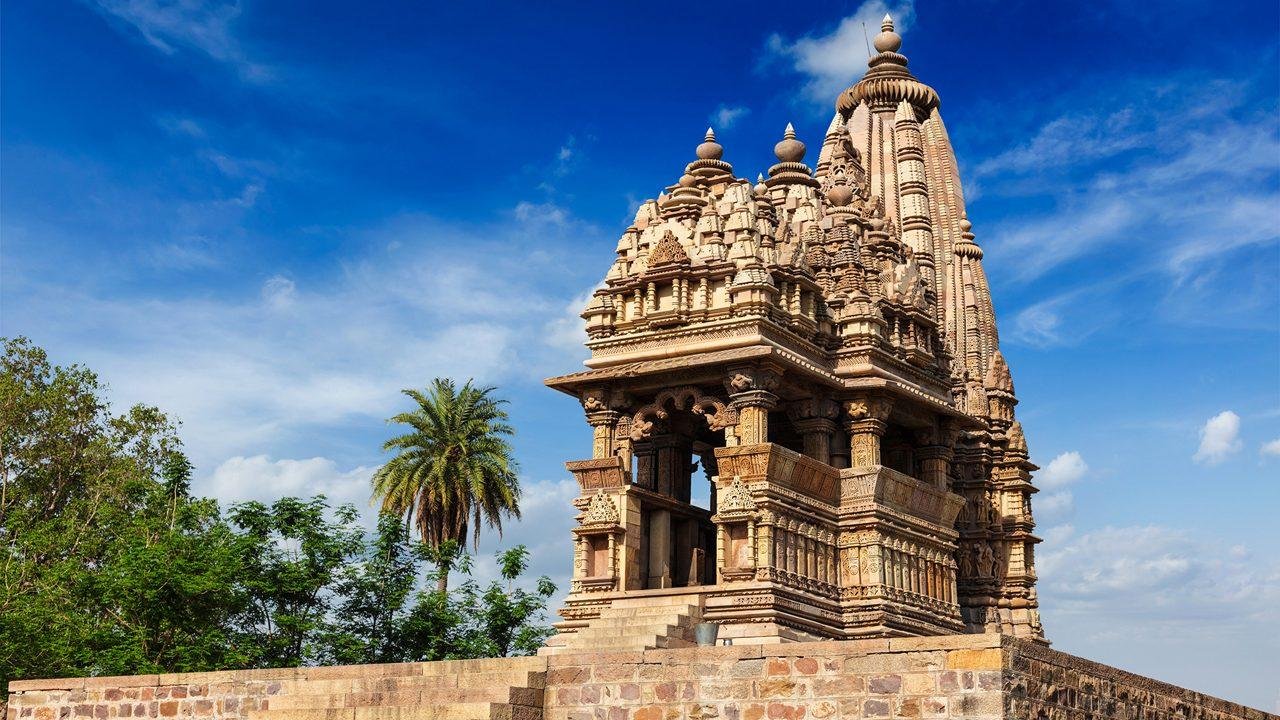
Javari Temple – An Elegant Jewel of Khajuraho's Temple Heritage
Located within the world-famous temple town of Khajuraho in Madhya Pradesh, Javari Temple is one of the finest examples of Chandela-era temple architecture. Built during the 11th century CE, this beautifully preserved temple is admired for its graceful proportions, richly carved sculptures, and elegant Nagara-style design. As part of the renowned Khajuraho Group of Monuments, the temple contributes to one of India's most celebrated UNESCO World Heritage Sites.
Although smaller than some of Khajuraho's larger temples, Javari Temple captivates visitors with its architectural beauty and intricate craftsmanship. Tourists, photographers, historians, and spiritual travelers often include it in their Khajuraho itinerary while enjoying a comfortable stay with Mudras Stays.
History of Javari Temple
Javari Temple was constructed around the 11th century CE during the reign of the Chandela dynasty, a period known for extraordinary achievements in temple architecture. Historians believe the temple was originally dedicated to Lord Vishnu, although the original idol is no longer present.
The temple forms part of the Eastern Group of Khajuraho temples and remains one of the finest surviving examples of Chandela artistry and devotion.
Architecture of Javari Temple
Built in the classic Nagara style, Javari Temple features a beautifully proportioned sanctum, mandapa, ornate entrance porch, and a slender shikhara rising elegantly above the shrine. The temple's exterior walls are richly decorated with finely carved sculptures depicting Hindu deities, celestial beings, dancers, musicians, floral motifs, and scenes from everyday life.
Its exquisitely carved doorway is considered one of the temple's architectural highlights, displaying the exceptional craftsmanship for which Khajuraho is famous.
- Constructed during the 11th century CE
- Built by the Chandela dynasty
- Originally dedicated to Lord Vishnu
- Elegant Nagara-style architecture
- Part of the UNESCO-listed Khajuraho Group of Monuments
- Intricately carved sandstone sculptures
Religious and Cultural Significance
Although no longer an active center of regular worship, Javari Temple remains an important symbol of India's rich cultural and architectural heritage. It reflects the artistic brilliance of the Chandela rulers and the sophisticated craftsmanship that made Khajuraho internationally renowned.
Today, the temple attracts visitors from around the world who come to admire its historical importance and exceptional stone carvings.
Temple Timings
- Opening Hours: 8:00 AM – 6:00 PM
- Best Time for Visit: Morning and late afternoon
Visitors can explore the temple comfortably during daylight hours while enjoying the peaceful surroundings of Khajuraho.
Best Time to Visit Javari Temple
The ideal time to visit is from October to March, when the weather is pleasant for sightseeing. The annual Khajuraho Dance Festival, usually held in February, offers visitors a wonderful opportunity to experience India's classical dance traditions against the backdrop of these magnificent temples.
Nearby Attractions
- Kandariya Mahadev Temple
- Lakshmana Temple
- Duladeo Temple
- Vamana Temple
- Chitragupta Temple
- Khajuraho Archaeological Museum
Why Stay with Mudras Stays?
Whether you're exploring Khajuraho's UNESCO World Heritage temples or discovering the cultural treasures of Madhya Pradesh, Mudras Stays offers comfortable accommodation with modern amenities and warm hospitality. It is an ideal choice for heritage enthusiasts, photographers, families, and spiritual travelers.
- Comfortable accommodation
- Modern amenities
- Ideal for heritage tourism
- Warm hospitality
- Convenient access to Khajuraho's famous temples
After exploring the timeless beauty of Javari Temple, Mudras Stays provides the perfect place to relax and continue your journey through the historic wonders of Khajuraho.
Travel Tips
- Visit early morning for pleasant weather and fewer crowds.
- Wear comfortable footwear while exploring the temple complex.
- Carry drinking water during warmer months.
- Respect the protected heritage monument and avoid touching ancient sculptures.
- Carry a camera to capture the temple's intricate carvings.
- Combine your visit with other Khajuraho temples for a complete heritage experience.
Conclusion
Javari Temple is one of Khajuraho's most elegant architectural masterpieces, showcasing the artistic excellence of the Chandela dynasty through its graceful design and exquisite carvings. Its historical importance and peaceful atmosphere make it a must-visit destination for anyone exploring India's UNESCO World Heritage treasures. Complete your cultural journey with a comfortable stay at Mudras Stays and experience exceptional hospitality while discovering the timeless beauty of Khajuraho.
Frequently Asked Questions (FAQs)
1. Where is Javari Temple located?
Javari Temple is located in Khajuraho, Chhatarpur district, Madhya Pradesh.
2. Which deity was Javari Temple originally dedicated to?
The temple is believed to have originally been dedicated to Lord Vishnu.
3. Why is Javari Temple famous?
Javari Temple is famous for its elegant Nagara-style architecture, intricate stone carvings, and its place within the UNESCO-listed Khajuraho Group of Monuments.
4. What is the best time to visit Javari Temple?
October to March is the ideal season for visiting, while the Khajuraho Dance Festival offers a unique cultural experience.
5. Why should travelers choose Mudras Stays?
Mudras Stays offers comfortable accommodation, modern amenities, and warm hospitality, making it an excellent choice for visitors exploring Khajuraho and the heritage attractions of Madhya Pradesh.