Jhajjar Kotli – A Refreshing Riverside Escape Near Mata Vaishno Devi, Katra
Jhajjar Kotli is a scenic riverside destination in the Jammu region of Jammu and Kashmir, known for its flowing mountain stream, rocky riverbanks, green surroundings and peaceful picnic atmosphere. Located on the route connecting Jammu with Katra, it is an excellent leisure stop for pilgrims travelling to or returning from Shri Mata Vaishno Devi Temple.
After completing the spiritually fulfilling but physically demanding Vaishno Devi yatra, devotees often look for a quiet place where they can rest, spend time with family and enjoy the natural beauty of the Jammu hills. Jhajjar Kotli offers exactly such an experience. Its clear-flowing water, smooth pebbles, surrounding greenery and refreshing air make it a suitable place to pause before continuing towards Jammu, Katra or another destination on the pilgrimage circuit.
Jhajjar Kotli is approximately 15 kilometres from Katra and is generally presented as a short road excursion from the pilgrimage town. Its location makes it particularly convenient for travellers who want to add a few hours of leisure to their Vaishno Devi itinerary without planning a long diversion.
A Peaceful Break After Mata Vaishno Devi Darshan
The journey to Mata Vaishno Devi Bhawan may involve several hours of walking, climbing, waiting and travelling. Once the darshan is complete, pilgrims may prefer a calm outdoor setting rather than immediately beginning a long return journey. Jhajjar Kotli provides a refreshing break where families can relax near the water and enjoy a slower pace.
Visitors can sit along the riverbank, walk over the pebbled landscape, take photographs and spend time listening to the sound of the flowing stream. The natural environment creates a pleasant contrast to the busy markets, transportation points and crowded pilgrimage areas around Katra.
For families travelling with children, Jhajjar Kotli can be an enjoyable picnic destination. For couples and small groups, it offers a quiet setting for photography and relaxation. Senior citizens who do not wish to walk extensively can enjoy the scenery from an accessible riverside or landscaped area, depending on current local conditions.
A typical pilgrimage and leisure itinerary may include:
Mata Vaishno Devi Darshan – Katra – Jhajjar Kotli – Jammu
Travellers arriving from Jammu can also stop here before reaching Katra:
Jammu – Jhajjar Kotli – Katra – Mata Vaishno Devi Temple
This flexibility makes Jhajjar Kotli a useful addition to both the arrival and departure portions of a Vaishno Devi pilgrimage.
The Scenic Jhajjar Stream
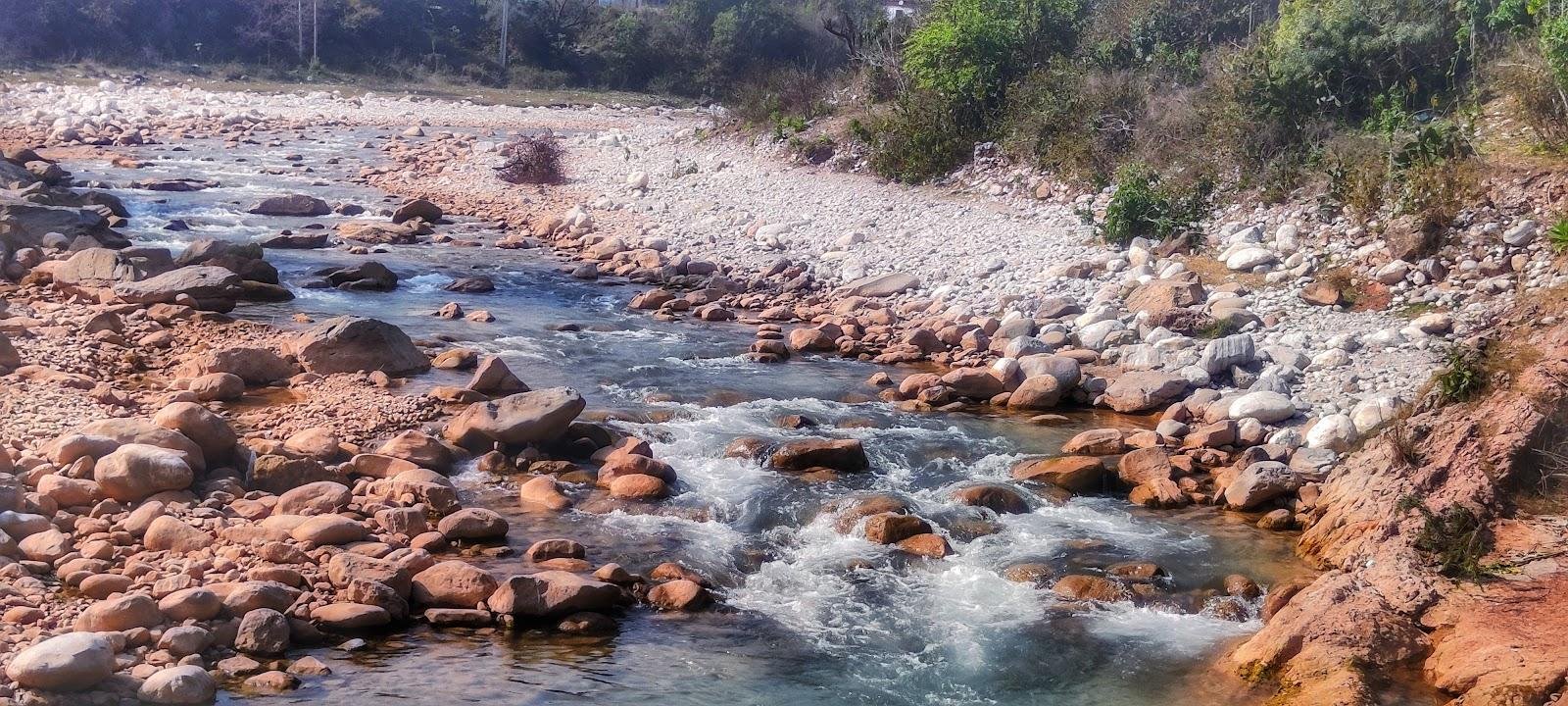
The main attraction of Jhajjar Kotli is the mountain stream flowing through its rocky landscape. The water passes over stones and pebbles, creating shallow stretches and small natural currents that contribute to the destination’s peaceful atmosphere.
The pebbled banks provide space for visitors to sit, walk and enjoy the surrounding scenery. During favourable weather, the combination of flowing water, forested slopes and open skies makes Jhajjar Kotli an attractive location for family photographs and short nature breaks.
Visitors should remember that natural water bodies can change according to rainfall and seasonal conditions. Even when the water appears shallow, rocks may be slippery and currents may become stronger without warning. Entering the stream should therefore be avoided during heavy rain or whenever local authorities advise against it. Children and elderly visitors should remain under close supervision near the water.
A Family Picnic Destination Near Katra
Jhajjar Kotli is widely known as a picnic destination for residents of Jammu as well as travellers visiting Katra. Most visitors spend a few relaxed hours beside the stream rather than following a fixed sightseeing schedule. Travel listings commonly recommend approximately two to three hours for a visit, although families may choose to stay longer depending on the weather and facilities available.
Pilgrims can carry light refreshments, sit together beside the river and enjoy a peaceful family meal after completing their temple visit. However, visitors should avoid leaving plastic, food packaging or other waste near the water. Maintaining the cleanliness of the riverbank helps preserve the natural beauty of Jhajjar Kotli for future travellers.
The destination is particularly enjoyable for:
Families completing the Vaishno Devi pilgrimage
Pilgrims travelling between Jammu and Katra
Groups seeking a short picnic near Katra
Travellers with a few free hours before a train or flight
Couples looking for a peaceful natural setting
Visitors exploring the Jammu–Katra pilgrimage route
Combine Jhajjar Kotli with Mata Vaishno Devi Temple
The most natural pilgrimage connection for Jhajjar Kotli is Shri Mata Vaishno Devi Temple in Katra. Devotees can first complete the darshan and then visit Jhajjar Kotli while travelling towards Jammu.
Travellers arriving early in the region may also stop at Jhajjar Kotli before checking into their hotel in Katra. However, those with a fixed yatra registration or darshan schedule should prioritise reaching Katra on time and keep the leisure visit for their return journey.
A comfortable two-day itinerary may be planned as follows:
Day 1: Arrival in Katra, hotel check-in and local market visit
Day 2: Mata Vaishno Devi darshan, rest and overnight stay
Day 3: Visit Jhajjar Kotli while travelling towards Jammu
This itinerary gives pilgrims sufficient time for darshan and recovery without making the overall journey feel rushed.
Other Temples to Visit Around the Jammu–Katra Route
Travellers exploring Jhajjar Kotli can combine it with other important temples and sacred sites located around Jammu, Nagrota and Katra.
Kol Kandoli Temple
Kol Kandoli Temple in Nagrota is traditionally associated with the Mata Vaishno Devi pilgrimage and is regarded by many devotees as an important spiritual stop before proceeding towards Katra. Pilgrims travelling by road from Jammu may include the temple along with Jhajjar Kotli as part of their journey.
Raghunath Temple
Located in Jammu city, Raghunath Temple is one of the region’s prominent Hindu temple complexes. Travellers staying overnight in Jammu can visit the temple before or after travelling to Katra.
Ranbireshwar Temple
Dedicated to Lord Shiva, Ranbireshwar Temple is another significant shrine in Jammu city. It can be included in a broader Jammu temple tour along with Raghunath Temple and the temples around Bahu Fort.
Bawe Wali Mata Temple
The revered Bawe Wali Mata Temple, situated within the Bahu Fort complex, is another popular spiritual destination in Jammu. The temple visit can be combined with views of the Tawi River and nearby leisure attractions.
A longer pilgrimage itinerary may therefore include:
Raghunath Temple – Ranbireshwar Temple – Kol Kandoli Temple – Jhajjar Kotli – Katra – Mata Vaishno Devi Temple
This route allows devotees to experience several important religious places while also enjoying a refreshing natural break.
Best Time to Visit Jhajjar Kotli
Jhajjar Kotli is especially popular during warmer months because the flowing stream and green surroundings offer relief from the heat. Morning and late-afternoon visits are generally more comfortable than the hottest part of the day.
The monsoon season can make the surroundings greener, but rainfall may also increase the stream’s water level and make rocks slippery. Travellers should check the latest weather and road conditions before visiting during periods of heavy rainfall.
Winter visits offer cooler weather and a quieter experience, although the water may be too cold for close contact. Visitors should carry warm clothing, particularly during early mornings and evenings.
The most suitable visiting period depends on the purpose of the trip:
Summer: Refreshing riverside atmosphere and family outings
Monsoon: Green scenery, but greater caution required near the stream
Autumn: Pleasant weather and clearer surroundings
Winter: Cooler, peaceful visits with appropriate warm clothing
What to Carry for a Visit
Jhajjar Kotli is best experienced as a short, relaxed outdoor excursion. Visitors may carry drinking water, light snacks, sun protection and comfortable footwear with a good grip.
Shoes or sandals suitable for uneven surfaces are preferable because the riverbank may contain loose stones and slippery patches. Travellers should also carry any regular medicines required by senior citizens or family members.
Those planning a picnic should take all waste back with them or use designated disposal points. Avoid carrying disposable plastic items wherever possible.
Food and Refreshments
Basic refreshments and roadside food options may be available around the route, but the range and operating status can vary. Families with children or elderly members should carry essential snacks and drinking water instead of depending entirely on local availability.
Travellers can enjoy a more complete meal in Katra or Jammu, where a wider selection of vegetarian restaurants, local eateries and family dining options is available. Katra is particularly convenient for pilgrims seeking simple vegetarian food before or after Mata Vaishno Devi darshan.
How to Reach Jhajjar Kotli
Jhajjar Kotli is accessible by road and lies along the Jammu–Katra travel corridor. It can be reached by private vehicle, local taxi or a pre-arranged cab from Katra or Jammu.
Travellers coming from Katra can include Jhajjar Kotli as a short excursion or visit it while proceeding towards Jammu. Those arriving through Jammu Airport or Jammu Tawi railway station can plan the stop while travelling towards Katra, provided sufficient time is available.
Because road conditions, traffic diversions and travel times may change, pilgrims should confirm the latest route with their driver or accommodation provider before departure.
Where to Stay Near Jhajjar Kotli
Most pilgrims visiting Jhajjar Kotli prefer to stay in either Katra or Jammu.
Staying in Katra is ideal for travellers whose main purpose is Mata Vaishno Devi darshan. It allows easier access to the pilgrimage registration points, Banganga and the local market. After completing the yatra, visitors can check out and stop at Jhajjar Kotli while travelling towards Jammu.
Staying in Jammu may be more convenient for travellers with early flights, trains or plans to visit temples within Jammu city. Jhajjar Kotli can then be explored as part of a road journey between Jammu and Katra.
Travellers should select accommodation according to:
Distance from Mata Vaishno Devi pilgrimage access points
Availability of family rooms
Parking and taxi facilities
Meal options
Accessibility for senior citizens
Railway station or airport connectivity
Flexible check-in and check-out requirements
Book Stays Near Katra and Jammu with MudrasStays
MudrasStays is designed to help pilgrims find suitable accommodation near temples, pilgrimage destinations and the leisure attractions surrounding them. Travellers planning a Mata Vaishno Devi yatra can use MudrasStays to discover stays near Katra and then include destinations such as Jhajjar Kotli in their travel itinerary.
Through MudrasStays, travellers can plan a journey that brings together:
Comfortable stays near Mata Vaishno Devi Temple
Convenient accommodation in Katra
Family-friendly stays along pilgrimage routes
Leisure visits to Jhajjar Kotli
Temple sightseeing in Jammu and Nagrota
Rest stops before or after darshan
Whether you are searching for hotels near Mata Vaishno Devi Temple, stays in Katra near the pilgrimage route, family accommodation near Jhajjar Kotli, or hotels near temples in Jammu, MudrasStays helps make the journey better organised and more comfortable.
Jhajjar Kotli adds a refreshing dimension to the Mata Vaishno Devi pilgrimage. It gives devotees a place to rest beside flowing water, spend meaningful time with family and experience the natural beauty surrounding the sacred journey. By combining temple darshan with a peaceful visit to Jhajjar Kotli and booking suitable accommodation through MudrasStays, pilgrims can turn a religious trip into a complete spiritual, leisure and family travel experience.