
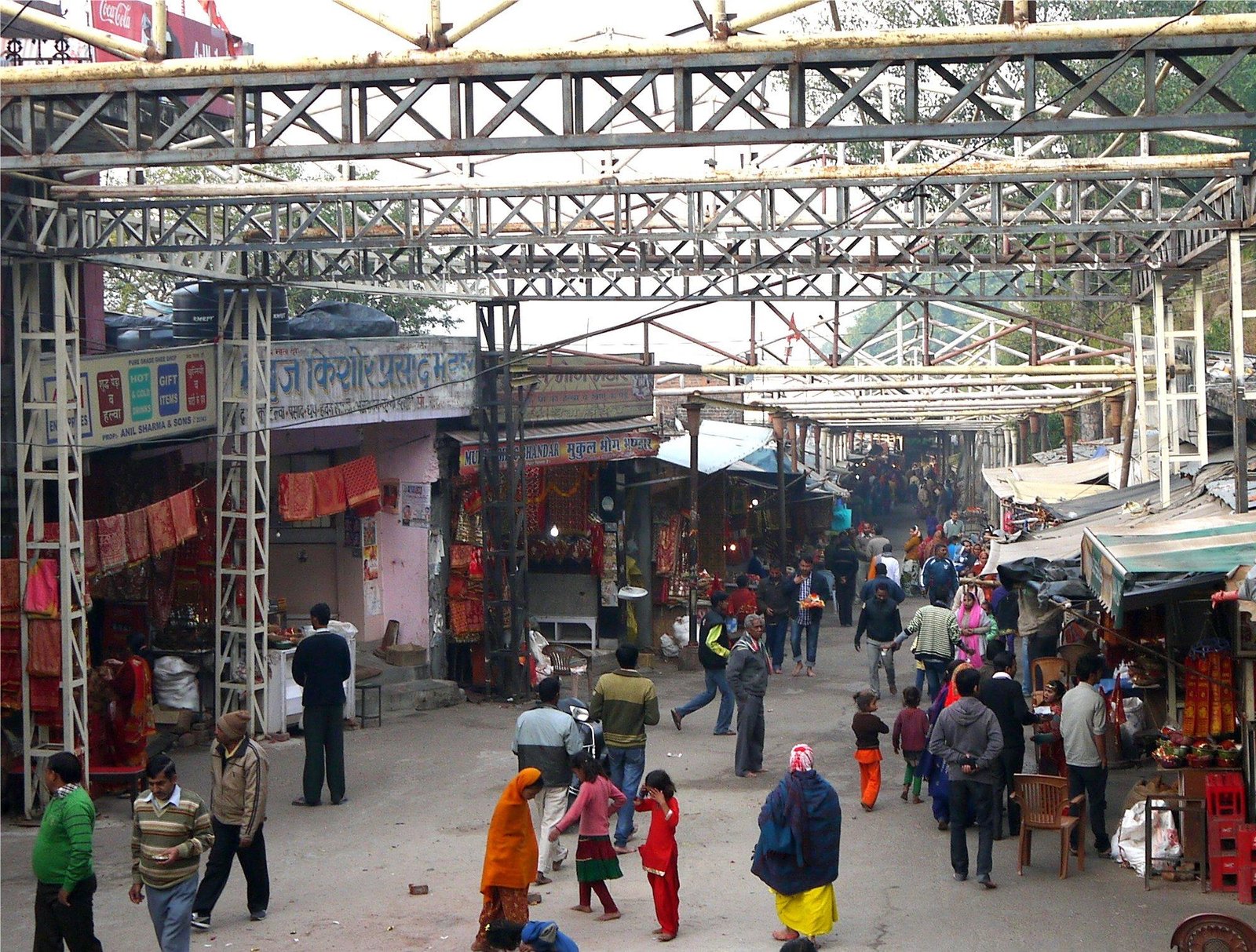
Jwalaji Main Market – The Sacred Shopping Street Leading to Shri Jwala Devi Temple
Jwalaji Main Market is the lively pilgrimage bazaar surrounding the approach to **Shri Jwala Devi Temple**, also known as Jwalamukhi Temple, in the Kangra district of Himachal Pradesh. Lined with prasad shops, devotional-item stores, vegetarian eateries, sweet counters and small local businesses, the market forms an important part of the complete Jwalaji pilgrimage experience.
Devotees generally pass through the market while walking towards the temple. The narrow shopping lanes are filled with red chunris, coconuts, Mata Rani photographs, bangles, sacred threads, incense sticks and other offerings traditionally associated with Devi worship.
Unlike a modern shopping complex, Jwalaji Main Market has developed around the requirements of pilgrims. Its primary purpose is to provide temple offerings, refreshments, religious souvenirs and basic travel supplies to devotees arriving from different parts of Himachal Pradesh, Punjab, Haryana, Delhi, Jammu and other regions.
The market becomes especially vibrant during **Chaitra Navratri and Sharad Navratri**, when the entire temple town welcomes large numbers of pilgrims. Devotional chants, red flags, decorated shops and the continuous movement of devotees create a deeply spiritual atmosphere.
Travellers searching for hotels near Jwalaji Main Market, family stays close to Jwala Devi Temple or accommodation along Himachal Pradesh’s Shakti Peeth circuit can explore suitable options through **MudrasStays**.
## Visit the Market Before Jwala Devi Temple Darshan
The market lies along the principal approach towards Shri Jwala Devi Temple. Many devotees purchase their offerings here before entering the temple queue.
A typical pilgrimage plan may include:
**Arrival in Jwalamukhi – Purchase Prasad and Chunri – Shri Jwala Devi Darshan – Langar or Vegetarian Meal – Shopping in Jwalaji Main Market**
Visitors should buy only the offerings they genuinely wish to present. Temple-entry and security rules may determine which items can be carried inside, so pilgrims should follow the instructions displayed near the temple and queue area.
During busy pilgrimage periods, walking through the market and completing darshan can take considerably longer. Families should keep children and senior citizens close and avoid blocking the narrow pathways while shopping.
## Religious Significance of Shri Jwala Devi Temple
Shri Jwala Devi Temple is one of the most revered Shakti Peeth pilgrimage destinations in India. The Goddess is worshipped here not through a conventional stone idol but through sacred natural flames emerging from fissures in the rock.
According to Hindu tradition, this sacred place is associated with the tongue of Goddess Sati. The divine flames are therefore worshipped as the living manifestation of Mata Jwala Ji.
The temple is associated with nine principal flames representing different forms of the Goddess. Devotees visit the shrine to offer prayers, participate in aarti and seek the blessings of Maa Jwala Ji.
The temple’s exceptional form of worship makes Jwalamukhi different from most other Devi temples. The flames, rather than an anthropomorphic idol, form the centre of devotion.
Jwalaji Main Market reflects this religious identity. Nearly every section of the approach road displays products, colours and offerings connected with the worship of the Divine Mother.
## Buy Prasad for Maa Jwala Ji
Prasad shops are the most characteristic feature of Jwalaji Main Market. These outlets prepare offering baskets and packets for devotees proceeding towards the temple.
Depending on the shop and current temple rules, pilgrims may find:
* Coconut
* Mata ki chunri
* Red sacred cloth
* Sindoor
* Roli and rice
* Incense sticks
* Camphor
* Flowers or garlands
* Sacred threads
* Mishri
* Dry prasad
* Small puja thalis
* Decorative Mata Rani flags
* Packaged offering baskets
Shopkeepers may offer different prasad combinations at different prices. Visitors should ask what each basket contains before purchasing.
Devotees should avoid assuming that buying a more expensive basket provides faster darshan or special access. Temple queues and religious services should be followed only through officially authorised arrangements.
## Shop for Mata Rani Chunris and Shringar Items
Red and golden chunris are among the most visible products in Jwalaji Main Market. They are offered to the Goddess and also carried home as blessed devotional souvenirs.
Visitors may find:
* Red Mata ki chunri
* Gold-bordered chunri
* Decorative temple cloth
* Mata Rani bangles
* Sindoor containers
* Bindis
* Sacred red threads
* Decorative crowns
* Small tridents
* Religious jewellery
* Shringar sets
* Mata Rani headbands
Many families purchase additional chunris or sacred threads for relatives who could not join the pilgrimage.
Before purchasing, visitors should check the fabric, size, decoration and price. Delicate devotional items should be packed properly to protect them during the return journey.
## Purchase Religious Souvenirs
Jwalaji Main Market offers numerous souvenirs connected with Maa Jwala Ji and the wider Shakti Peeth pilgrimage circuit.
Common purchases may include:
* Framed pictures of Maa Jwala Ji
* Images of the sacred flames
* Small idols of Goddess Durga
* Mata Rani lockets
* Religious bracelets
* Prayer beads
* Jai Mata Di scarves
* Keychains
* Refrigerator magnets
* Small temple replicas
* Devotional books
* Aarti collections
* Calendars
* Car-dashboard idols
* Religious wall hangings
These products are suitable as pilgrimage gifts for family members and friends.
Visitors purchasing metal, framed or breakable items should ask for protective packaging. Large souvenirs are generally better bought after darshan so they do not need to be carried through the temple queue.
## Leave Footwear at an Authorised Counter
Devotees must remove their footwear before entering the temple premises. Some shops near the approach route may offer footwear-storage arrangements, while designated facilities may also be available around the temple.
Pilgrims should use a recognised counter and keep any token provided to them safely.
Expensive shoes, cash, phones and other valuables should not be left casually at an open shop. Visitors should follow the latest temple arrangements and security instructions.
Families can reduce inconvenience by wearing comfortable footwear that is easy to remove and identify after darshan.
## Enjoy Vegetarian Food Near the Temple
Jwalaji Main Market contains vegetarian restaurants, dhabas, sweet shops and snack counters serving pilgrims throughout the day.
Depending on the outlet, visitors may find:
* Poori sabzi
* Chana and puri
* Rajma chawal
* Kadhi chawal
* Dal and rice
* Roti with seasonal vegetables
* Chole bhature
* Aloo paratha
* Paneer dishes
* Vegetarian thali
* Pakoras
* Samosas
* Tea and coffee
* Lassi
* Halwa
* Jalebi and other sweets
Pilgrims should prefer freshly prepared food from clean and established outlets. Heavy or highly oily food may feel uncomfortable before standing in a long temple queue.
Visitors following a strict satvik diet should confirm whether onion and garlic are used. A vegetarian restaurant does not automatically mean that every dish is prepared without these ingredients.
## Receive Prasad at the Temple Langar
The Shri Jwalamukhi Temple Trust provides a free langar facility for pilgrims, subject to the temple’s current arrangements and serving schedule.
The langar represents the tradition of community service associated with the shrine. Devotees can participate respectfully, follow the queue and accept only as much food as they can finish.
Visitors should:
* Avoid wasting food
* Follow the seating and serving system
* Keep the dining space clean
* Cooperate with volunteers
* Ask about ingredients when managing allergies
* Avoid carrying disposable waste outside designated areas
The availability and schedule of the langar should be confirmed at the temple because arrangements can change during festivals, maintenance or crowd-control periods.
## Taste Sweets and Carry Prasad Home
Sweet shops around Jwalaji Main Market may offer products that pilgrims can eat after darshan or carry home for family members.
Depending on availability, visitors may find:
* Besan laddoo
* Boondi laddoo
* Peda
* Barfi
* Patisa
* Jalebi
* Halwa
* Dry-fruit sweets
* Packaged prasad
* Mishri and makhana mixtures
Dry sweets are generally easier to carry than fresh milk-based products.
Travellers should check when the sweets were prepared, their shelf life and whether refrigeration is required. Sealed packaging is preferable for long road, rail or air journeys.
## Explore Local Himachali Products
Although Jwalaji Main Market mainly focuses on religious products, some shops may also sell general Himachali and regional goods.
Visitors may come across:
* Himachali caps
* Woollen socks
* Shawls and stoles
* Small winter accessories
* Local pickles
* Honey
* Tea products
* Dry fruits
* Handmade bags
* Decorative wooden items
* Simple local souvenirs
The selection is usually smaller than markets in Dharamshala, Kangra or larger Himachal tourist towns.
Travellers purchasing honey, tea, dry fruits or packaged food should check the label, weight, expiry date and seller details. Expensive shawls should be purchased only after confirming the fabric and quality.
## Purchase Basic Travel Essentials
The market also serves the immediate requirements of pilgrims staying in Jwalamukhi or continuing through the Kangra temple circuit.
Depending on the operating shops, visitors may find:
* Water bottles
* Toiletries
* Mobile chargers
* Small bags
* Umbrellas
* Raincoats
* Woollen caps
* Socks
* Basic medicines
* Packaged snacks
* Personal-care products
* Children’s travel items
Prescription medicines should be arranged in advance. Families travelling with senior citizens should carry their regular medicines and relevant medical information.
Visitors should avoid carrying excessive shopping bags while moving through the temple queue.
## Experience Jwalaji Main Market During Navratri
Jwalaji becomes one of Himachal Pradesh’s most vibrant pilgrimage towns during Chaitra Navratri and Sharad Navratri.
During these periods:
* Shops display expanded collections of prasad and chunris
* The town is decorated with flags and lights
* Devotional music and religious programmes increase
* Larger numbers of pilgrims visit the temple
* Transport and accommodation experience high demand
* Darshan queues can become significantly longer
* Traffic and pedestrian restrictions may be introduced
Navratri provides an intensely devotional experience, but travellers should prepare for crowds.
Hotels should be reserved well in advance. Families travelling with elderly devotees, infants or people with limited mobility may prefer a quieter weekday or a non-festival period.
## Visit Nearby Temples in Jwalamukhi
Devotees can explore additional sacred places situated within or around the temple town, depending on current access and local guidance.
### Gorakh Dibbi
Gorakh Dibbi is a sacred site associated with Guru Gorakhnath and is commonly included in the wider Jwalamukhi pilgrimage.
### Tara Devi Temple
Pilgrims may also enquire locally about the nearby Tara Devi shrine and its accessibility.
### Ashtabhuja Temple
The wider Jwalamukhi area includes shrines connected with different manifestations of the Goddess.
Local conditions, road access and temple timings should be confirmed before visiting secondary shrines.
## Add Jwalaji Main Market to the Himachal Shakti Peeth Circuit
Jwala Devi Temple is commonly included in a wider Devi pilgrimage covering several revered temples across Himachal Pradesh.
A multi-day spiritual circuit may include:
**Chintpurni Devi – Jwala Devi – Bajreshwari Devi in Kangra – Chamunda Devi – Baglamukhi Temple**
Some travellers also combine this route with Naina Devi and other sacred destinations, depending on their starting point and available time.
Pilgrims should avoid attempting too many temples in one day. Mountain roads, darshan queues and meal breaks can make actual travel considerably longer than expected.
A well-planned itinerary with appropriate overnight stays is safer and more comfortable for families and senior citizens.
## Difference Between Jwalaji Main Market and an Ordinary Tourist Bazaar
Jwalaji Main Market is primarily a pilgrimage-support market.
### It Is Best For:
* Jwala Devi prasad
* Mata ki chunri
* Puja materials
* Shringar items
* Religious photographs
* Devotional souvenirs
* Vegetarian food
* Basic travel supplies
* Shopping immediately before or after darshan
### It Is Not Primarily Known For:
* Luxury-brand shopping
* Large handicraft showrooms
* Extensive fashion retail
* Modern entertainment
* Late-night leisure activities
The market’s value lies in its direct connection with the temple and the devotional atmosphere of the town.
## Best Time to Visit Jwalaji Main Market
The market can be visited throughout the year whenever the temple and local businesses are operating.
### Spring
Spring offers pleasant weather and includes the busy Chaitra Navratri period.
### Summer
Summer can be warm during the day. Morning darshan and evening market visits may be more comfortable.
### Monsoon
Rain may affect road conditions and walking surfaces. Visitors should carry umbrellas or raincoats and wear footwear with good grip.
### Autumn
Sharad Navratri brings major pilgrimage activity. The weather is generally suitable, but crowds can be heavy.
### Winter
Winter is quieter and cooler. Warm clothing may be required during mornings and evenings.
Temple timings and market activity can vary by season. Devotees should verify current darshan and aarti schedules before travelling.
## How Much Time to Spend at Jwalaji Main Market
Visitors can keep approximately one to three hours for the market in addition to the time required for temple darshan.
A simple plan may include:
**Prasad Shopping – Temple Darshan – Langar or Meal – Souvenir Shopping**
Additional time may be required during:
* Navratri
* Weekends
* Public holidays
* School vacations
* Major religious occasions
* Large group travel
* Temple security checks
Visitors should avoid scheduling a fixed onward departure immediately after their expected darshan time because queues can be unpredictable.
## Practical Shopping Tips
Pilgrims can make their market visit more comfortable by following a few precautions:
* Confirm the price before purchasing a prasad basket.
* Check what items are included.
* Do not pay anyone promising unauthorised priority darshan.
* Purchase major souvenirs after completing darshan.
* Keep cash, phones and identification secure.
* Ask for a bill for expensive items.
* Check food packaging and expiry dates.
* Use designated footwear counters.
* Keep children close in crowded lanes.
* Carry only essential belongings into the temple queue.
* Confirm digital-payment availability.
* Respect security and photography restrictions.
Temple donations should be made only through authorised counters or officially recognised channels.
## How to Reach Jwalaji Main Market
Jwalaji Main Market is located in Jwalamukhi town in Kangra district and is approached through the road leading towards Shri Jwala Devi Temple.
Travellers can reach the town by:
* Government or private bus
* Private taxi
* Personal vehicle
* Hotel-arranged cab
* Organised temple-tour transport
The nearest narrow-gauge railway access is through **Jwalamukhi Road station at Ranital**, followed by onward road transport. The closest major airport is Kangra Airport at Gaggal.
Vehicle access may be restricted near the temple during crowded periods. Visitors may need to walk from the designated parking or drop-off area through the market towards the shrine.
## Where to Stay Near Jwalaji Main Market
Jwalamukhi has hotels, guesthouses, dharamshalas and pilgrim accommodation in different budget categories. The Temple Trust also lists Yatri Niwas facilities, subject to availability and current booking arrangements.
Staying near the market may provide:
* Easy access to early-morning darshan
* Less dependence on local transport
* Convenient access to prasad shops
* Nearby vegetarian food
* Easier return after evening aarti
* Access to the temple’s pilgrim facilities
* A practical base for the Shakti Peeth circuit
Before booking, travellers should check:
* Actual walking distance from the temple
* Road gradient and number of steps
* Vehicle drop-off access
* Parking availability
* Family-room configuration
* Hot-water facilities
* Lift or ground-floor rooms
* Vegetarian or satvik food
* Secure luggage storage
* Assistance for senior citizens
* Current cancellation policy
A property described as being in Jwalamukhi may still be some distance from the temple, so travellers should verify the exact location before confirming.
## Book Hotels Near Jwalaji Main Market with MudrasStays
**MudrasStays** helps pilgrims discover accommodation near temples, sacred markets and important religious circuits across India.
Travellers visiting Maa Jwala Ji can use MudrasStays to explore:
* Hotels near Jwalaji Main Market
* Stays near Shri Jwala Devi Temple
* Family accommodation in Jwalamukhi
* Pilgrimage-friendly rooms for senior citizens
* Hotels near vegetarian restaurants
* Properties with temple transport support
* Group stays for Devi pilgrimage tours
* Accommodation along the Himachal Shakti Peeth circuit
* Hotels near Chintpurni, Kangra and Chamunda routes
Choosing accommodation close to the temple and market can help devotees complete darshan without unnecessary travel and enjoy the pilgrimage at a more comfortable pace.
Jwalaji Main Market is more than a row of shops leading towards a temple. It is an extension of the Maa Jwala Ji pilgrimage, where devotees prepare their offerings, purchase sacred souvenirs, share vegetarian food and experience the devotional energy of one of Himachal Pradesh’s most revered temple towns.
By exploring Jwalaji Main Market and booking a suitable nearby stay through **MudrasStays**, pilgrims can create a complete spiritual journey combining darshan, local shopping, food, rest and convenient access to the wider Shakti Peeth circuit.