
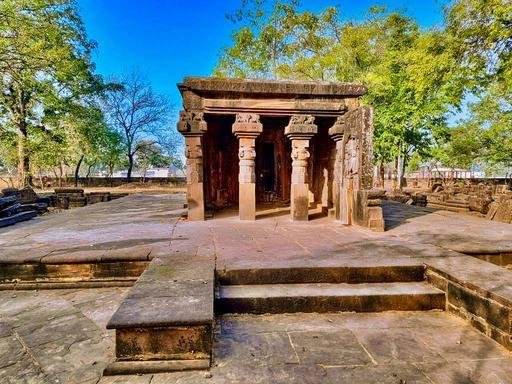
Kankali Devi Temple – A Remarkable Gupta-Era Architectural Masterpiece
Located in Tigawa near Katni in Madhya Pradesh, Kankali Devi Temple is one of the oldest surviving Hindu temples in India. Dating back to the 5th century CE, the temple is an outstanding example of Gupta-period architecture, often regarded as the golden age of Indian art and temple construction. Its elegant simplicity and historical importance make it a treasured destination for devotees, historians, and architecture enthusiasts.
Although popularly known as Kankali Devi Temple today, historians believe the shrine was originally dedicated to Lord Vishnu before later becoming associated with Goddess Kankali. Visitors exploring Madhya Pradesh's ancient heritage frequently choose Mudras Stays for comfortable accommodation and exceptional hospitality.
History of Kankali Devi Temple
Kankali Devi Temple was constructed during the reign of the Gupta Empire around the 5th century CE. The Gupta period is widely recognized as one of the most influential eras in Indian history, marked by significant achievements in architecture, sculpture, literature, and science.
Over the centuries, the temple became associated with local traditions dedicated to Goddess Kankali while preserving its remarkable Gupta architectural features. Today, it is protected by the Archaeological Survey of India as an important national monument.
Architecture of Kankali Devi Temple
The temple represents the early development of classical Hindu temple architecture. Built from sandstone, it features a square sanctum, beautifully carved entrance doorway, elegantly proportioned pillars, and a flat-roofed mandapa that reflects the refined style of Gupta craftsmanship.
Intricate carvings of floral motifs, divine figures, and decorative patterns adorn the temple, demonstrating the artistic excellence achieved more than 1,500 years ago. Despite its relatively modest size, Kankali Devi Temple is considered one of India's most significant surviving Gupta monuments.
- Constructed during the 5th century CE
- Outstanding example of Gupta architecture
- Originally dedicated to Lord Vishnu
- Later associated with Goddess Kankali
- Beautiful sandstone carvings
- Protected archaeological monument
Religious Significance
Kankali Devi Temple remains a respected place of worship and an important symbol of India's ancient spiritual traditions. Devotees visit to seek blessings from Goddess Kankali, while scholars and architecture enthusiasts admire its role in the evolution of Hindu temple design.
Its historical value makes it one of the most significant Gupta-era monuments in central India.
Temple Timings
- Opening Hours: 6:00 AM – 6:00 PM
- Best Time for Visit: Morning and evening
The temple can be visited throughout the day, although mornings provide a peaceful atmosphere and comfortable weather.
Best Time to Visit Kankali Devi Temple
The ideal time to visit is from October to March, when the weather is pleasant for sightseeing and exploring nearby heritage attractions. Winter months also provide excellent lighting for photography.
Nearby Attractions
- Bahuriband
- Roopnath Temple
- Katni City
- Bhedaghat Marble Rocks
- Dhuandhar Waterfall
- Madan Mahal Fort, Jabalpur
Why Stay with Mudras Stays?
Whether you're exploring Madhya Pradesh's ancient temples, archaeological sites, or cultural landmarks, Mudras Stays provides comfortable accommodation with modern amenities and warm hospitality. It is an excellent choice for pilgrims, history enthusiasts, photographers, and family travelers.
- Comfortable accommodation
- Modern amenities
- Ideal for heritage tourism
- Warm hospitality
- Convenient base for exploring central Madhya Pradesh
After discovering the remarkable history of Kankali Devi Temple, Mudras Stays offers the perfect place to relax and continue your heritage journey through Madhya Pradesh.
Travel Tips
- Visit during the morning for peaceful sightseeing.
- Wear comfortable footwear while exploring the temple grounds.
- Carry drinking water during warmer months.
- Respect the archaeological monument and avoid touching delicate carvings.
- Photography is best during early morning and late afternoon.
- Combine your visit with nearby heritage sites around Katni and Jabalpur.
Conclusion
Kankali Devi Temple stands as one of India's finest surviving examples of Gupta-era architecture and remains an invaluable part of the country's cultural heritage. Its elegant design, historical importance, and spiritual atmosphere make it a must-visit destination for devotees, historians, and architecture lovers. Complete your journey through Madhya Pradesh with a comfortable stay at Mudras Stays for exceptional hospitality and relaxation.
Frequently Asked Questions (FAQs)
1. Where is Kankali Devi Temple located?
Kankali Devi Temple is located in Tigawa near Katni in Madhya Pradesh.
2. Why is Kankali Devi Temple famous?
The temple is famous as one of India's finest surviving Gupta-era temples and for its elegant early Hindu temple architecture.
3. Which deity was Kankali Devi Temple originally dedicated to?
Historians believe the temple was originally dedicated to Lord Vishnu before later becoming associated with Goddess Kankali.
4. What is the best time to visit Kankali Devi Temple?
October to March is the ideal season for comfortable sightseeing and heritage exploration.
5. Why should travelers choose Mudras Stays?
Mudras Stays offers comfortable accommodation, modern amenities, and warm hospitality, making it an excellent choice for visitors exploring Tigawa, Katni, and Madhya Pradesh's ancient temples.