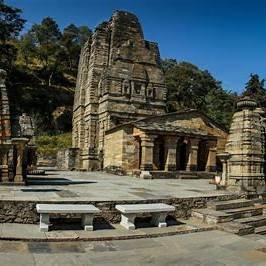
Katarmal Sun Temple is one of the most remarkable heritage temples in Uttarakhand and an important spiritual destination near Almora. Located in Katarmal village, approximately 17 kilometres from Almora town, this ancient temple is dedicated to Surya, the Sun God. Standing at an elevation of around 2,116 metres, the temple offers visitors a rare combination of religious importance, early Himalayan architecture, peaceful mountain surroundings and panoramic views of the Kumaon landscape.
Also known as the **Bara Aditya Temple**, **Badaditya Temple** or **Vriddhaditya Temple**, Katarmal Sun Temple is considered the most prominent Sun temple in the Kumaon region. While most pilgrimage circuits in Uttarakhand are associated with Lord Shiva, Goddess Durga or Lord Vishnu, Katarmal offers travellers an opportunity to experience the ancient Indian tradition of Surya worship.
The temple is believed to have been constructed during the 9th century by Katarmalla, a ruler of the Katyuri dynasty. The Katyuri kings played an important role in the political, cultural and architectural history of the Kumaon Himalayas. Their rule witnessed the development of several stone temples and religious centres across present-day Uttarakhand.
Katarmal Sun Temple remains one of the finest surviving examples of the temple-building traditions associated with that period. Its age, remote hill setting and distinctive stone architecture make it an important destination for pilgrims, heritage travellers, architecture enthusiasts, photographers and visitors exploring lesser-known temples near Almora.
The main shrine is dedicated to Burhadita or Vriddhaditya, an ancient form of Surya. The name is generally interpreted as the old or senior Sun God. The central temple is surrounded by numerous smaller stone shrines dedicated to different Hindu deities, creating an impressive religious complex rather than a single standalone temple.
Approximately 45 temples, including the main Surya shrine and surrounding subsidiary temples, form the larger Katarmal complex. These shrines were constructed during different periods and reflect the continued religious importance of the location over several generations.
The smaller temples are arranged around the principal shrine in a compact stone courtyard. Their gradually rising shikharas, carved stone surfaces, pillars and geometric architectural forms create one of the most visually distinctive temple settings in the Almora region.
The central temple dominates the complex with its comparatively tall stone tower. Around it stand smaller shrines of different sizes, each contributing to the layered architectural character of Katarmal. The weathered stone surfaces carry the marks of centuries of exposure to mountain sun, rain, wind and changing seasons.
Visitors interested in traditional architecture can observe how the temple builders worked with locally available stone to create walls, pillars, doorways and temple towers. The structures demonstrate the skill of Himalayan craftsmen who constructed lasting religious monuments in difficult mountain terrain without modern machinery.
The temple complex is traditionally associated with deities including Shiva, Parvati, Lakshmi and Narayana, alongside the principal worship of Surya. This presence of multiple deities reflects the inclusive character of historic Himalayan temple complexes, where different forms of Hindu worship were often represented within one sacred space.
Katarmal Sun Temple is now a protected heritage monument under the Archaeological Survey of India. Its protected status recognises the temple’s historic, architectural and archaeological significance. Visitors should therefore treat the complex not only as a place of worship but also as an irreplaceable part of India’s cultural heritage.
The temple is sometimes compared with the famous Sun Temple at Konark because both are dedicated to Surya. However, the architecture, geography and experience of the two destinations are very different. Katarmal is a quieter Himalayan temple built within a mountain settlement, while Konark is a much larger monumental complex in coastal Odisha.
What makes Katarmal special is its intimate setting. The temple does not stand within a large urban centre or commercial pilgrimage zone. It is surrounded by mountain slopes, villages, trees, terraced fields and wide views of the Kumaon valleys. The journey towards the shrine gradually takes visitors away from the activity of Almora and into a more peaceful rural environment.
The elevated location creates a strong visual relationship between the temple and the sky. Sunlight falling across the old stone walls changes the appearance of the complex throughout the day. During the morning, the first light creates sharp patterns across the temple towers, while the warmer afternoon light highlights the texture and age of the stone.
As a temple dedicated to Surya, morning holds particular spiritual importance for many visitors. Devotees may offer water, prayers and respect to the rising Sun before entering the temple complex. The calm morning atmosphere also makes it an excellent time for photography, architectural observation and quiet reflection.
Local and popular accounts frequently describe the temple as having been planned to receive the rays of the rising Sun within the principal shrine. Such accounts form an important part of the temple’s cultural narrative. Visitors should understand them within the context of traditional belief and historic architectural interpretation.
The Sun has held a prominent position in Hindu religious thought since ancient times. Surya is associated with light, vitality, clarity, discipline, time and the sustaining force of life. Worship of the Sun may include offering water at sunrise, reciting prayers and expressing gratitude for light, warmth and natural energy.
At Katarmal, this ancient tradition of Surya worship is experienced within the environment of the Himalayas. The open sky, mountain sunlight and elevated landscape strengthen the connection between the temple’s presiding deity and its natural surroundings.
The journey to Katarmal Sun Temple is an important part of the overall experience. The temple lies away from the main commercial areas of Almora and may require a combination of road travel and walking, depending on the current access route and drop-off point.
Official district information traditionally describes a walk or trek of approximately 3 kilometres after travelling through the Hawalbagh, Matela and Kosi region. Road development and access conditions may change over time, so visitors should confirm the latest route with their hotel, homestay host, local taxi driver or tourism office before beginning the journey.
The walking route may include uphill stretches, village paths and uneven mountain terrain. Comfortable shoes are strongly recommended. Visitors should carry drinking water, sun protection and light refreshments, especially when travelling with children or during warmer months.
Senior citizens, travellers with mobility limitations and families with young children should check the distance between the nearest vehicle point and the temple before travelling. The level of difficulty may vary according to the chosen route, weather and road conditions.
For many travellers, the walk adds value to the pilgrimage. Passing through quiet mountain surroundings allows visitors to approach the temple gradually. The experience feels different from arriving directly at a crowded roadside shrine.
The trail and surrounding landscape may offer views of forests, farms, valleys and traditional Kumaoni settlements. The absence of heavy commercial activity helps preserve the calm heritage character of the destination.
Katarmal Sun Temple is suitable for travellers seeking a peaceful spiritual experience away from large crowds. It is especially appealing to those who enjoy destinations where religion, architecture, history and nature come together.
Devotees visit to seek the blessings of Surya and offer prayers for strength, clarity, health, discipline and prosperity. Heritage travellers come to study the temple’s age and design. Photographers are attracted by the stone towers, mountain light and dramatic setting, while families often include Katarmal in a wider Almora sightseeing itinerary.
The temple is also valuable for students and researchers interested in medieval Himalayan architecture. Its layout, subsidiary shrines, construction style and connection with the Katyuri dynasty provide insight into the religious and artistic history of Kumaon.
Visitors should avoid touching or climbing upon the ancient structures. Even when a stone surface appears strong, unnecessary contact can contribute to long-term deterioration. Names, symbols or messages should never be carved into the temple walls.
Photography may be permitted in the outer complex, but travellers should confirm restrictions before photographing the inner shrine, deities, worshippers or conservation areas. Drone use should not be assumed to be allowed at a protected heritage monument.
The temple should be visited during daylight hours because the route, mountain terrain and heritage complex are easier to navigate safely when visibility is clear. Beginning early also gives travellers enough time to explore the temple without rushing.
Spring is a pleasant period to visit Katarmal Sun Temple. The weather around Almora is generally comfortable, the surrounding vegetation becomes colourful and the walking route can be enjoyable.
Summer offers relief from the high temperatures of the plains. However, strong sunlight may be experienced during exposed sections of the walk, so visitors should carry water and use suitable sun protection.
The monsoon brings rich greenery and mist to the Kumaon hills. The landscape can appear especially beautiful during this season, but rain may make stone steps, pathways and mountain roads wet or slippery. Travellers should check local weather and road conditions before departure.
Autumn is often preferred for clearer skies, comfortable daytime temperatures and mountain views. The post-monsoon landscape is fresh, and the light can be particularly attractive for photography.
Winter offers a quiet atmosphere and, on clear days, broad views across the surrounding region. Mornings and evenings can be cold, so travellers should carry warm clothing. Fog, frost and changing mountain conditions should also be considered.
A visit to Katarmal can be completed as a half-day excursion from Almora, but travellers interested in architecture and slow travel may prefer to spend more time in the area. The route, temple exploration and return journey should not be planned too tightly.
A typical half-day visit can begin with an early departure from Almora. Travellers may drive through the Kosi or Hawalbagh region, complete the required walk, explore the temple complex and return to Almora by afternoon.
A full-day itinerary can combine Katarmal Sun Temple with nearby Almora attractions, local villages or a relaxed meal in the Kosi area. Travellers should avoid trying to include too many distant temples on the same day because mountain travel may take longer than expected.
Katarmal can also be included in a two-day Almora pilgrimage itinerary. The first day may cover Nanda Devi Temple, Kasar Devi Temple and Almora’s traditional market. The second day can be dedicated to Katarmal Sun Temple and nearby cultural or nature attractions.
A longer Kumaon temple circuit can include Katarmal Sun Temple, Chitai Golu Devta Temple, Kasar Devi Temple, Nanda Devi Temple and Jageshwar Dham. Each destination offers a different spiritual experience.
Kasar Devi is known for its peaceful hilltop atmosphere, meditation traditions and Himalayan views. Chitai Golu Devta Temple is famous for written petitions and the countless bells offered by devotees seeking justice.
Nanda Devi Temple is located in Almora town and is closely connected with Kumaoni culture and the annual Nanda Devi festival. Jageshwar Dham contains a historic group of Shiva temples surrounded by deodar forests.
Together, these temples create a strong spiritual and heritage circuit around Almora. Travellers can experience Sun worship, Devi traditions, Shiva temples, regional deities, meditation sites and traditional Kumaoni culture within one multi-day journey.
Nearby Hawalbagh and Kosi provide access to rural landscapes and local settlements. Travellers may also explore Almora town, known for its traditional markets, local food, handicrafts and mountain views.
Accommodation for visiting Katarmal Sun Temple is available in Almora, Kosi, Hawalbagh and nearby villages. The ideal location depends on the traveller’s wider itinerary and preferred style of stay.
Hotels in Almora are suitable for visitors who want access to markets, restaurants, transport and multiple nearby temples. Almora can serve as a convenient base for visiting Katarmal, Kasar Devi, Chitai Golu Devta Temple and Jageshwar Dham.
Homestays near Katarmal, Kosi or Hawalbagh may appeal to travellers seeking a quieter rural experience. These properties can provide closer access to the temple route, local food and personal guidance from hosts familiar with the area.
Mountain-view cottages and boutique stays around Almora are suitable for couples, families and slow travellers. They offer the opportunity to combine temple visits with peaceful mornings, forest surroundings and wider Himalayan views.
Budget travellers can choose guesthouses or simple hotels in Almora and arrange a local taxi for the temple visit. Families should consider properties offering meals, parking and reliable road access.
Before booking accommodation, visitors should confirm the actual driving distance to Katarmal Sun Temple rather than relying only on straight-line map distance. In the mountains, a property that appears geographically close may require a longer road journey.
Travellers should also check whether the property can arrange taxis, guides or local transport. Clear information regarding the final walking route can be especially useful for senior citizens and first-time visitors.
MudrasStays helps pilgrims find hotels, homestays, guesthouses, cottages and peaceful mountain retreats near Katarmal Sun Temple. The platform is designed specifically to make accommodation discovery easier for travellers visiting temples and spiritual destinations.
Through MudrasStays, travellers can explore accommodation according to distance from the temple, location, budget, room type and required facilities. Visitors can choose between staying close to Katarmal’s rural surroundings or using Almora as a central base for a wider pilgrimage circuit.
Booking a stay near Katarmal Sun Temple allows travellers to begin their journey early, avoid unnecessary long-distance travel and experience the temple without rushing. It also supports local homestay owners, taxi operators and small tourism businesses in the Kumaon region.
Travellers planning a multi-temple journey can use MudrasStays to discover accommodation near Katarmal, Kasar Devi, Chitai Golu Devta Temple, Nanda Devi Temple, Jageshwar Dham and other sacred places across Uttarakhand.
Responsible travel is essential at Katarmal because the temple combines a fragile heritage monument with a sensitive mountain environment. Visitors should carry back plastic bottles, food wrappers and other waste.
Religious offerings should be placed only in designated areas. Oil, incense, flowers and ritual items should not be left against ancient stone surfaces unless permitted by the temple authorities.
Visitors should avoid loud music, disruptive behaviour and commercial photography that interferes with worship. The peaceful environment is one of the temple’s greatest qualities and should be preserved for devotees and future travellers.
Supporting local guides, village shops, taxi operators and homestays helps ensure that tourism benefits the communities surrounding the temple. Travellers can also explore Kumaoni cuisine and locally produced goods during their stay.
Katarmal Sun Temple is much more than an old structure in the mountains. It represents the religious imagination, architectural knowledge and craftsmanship of the Katyuri period. Its continued presence reveals how strongly temples have shaped the cultural landscape of Uttarakhand.
The main Surya shrine and surrounding stone temples create an atmosphere that feels both spiritual and historic. Visitors can stand within the courtyard, observe the changing sunlight and imagine the generations of worshippers who travelled through the mountains to reach this sacred place.
For devotees, Katarmal offers an opportunity to worship Surya in one of the most significant Sun temples of the Himalayan region. For architecture enthusiasts, it presents a rare collection of early stone temples. For nature lovers, it offers a peaceful journey through the Kumaon landscape.
For families and leisure travellers, the temple provides an educational and visually memorable excursion from Almora. For photographers and heritage researchers, its stone structures, mountain setting and changing natural light provide extensive opportunities for observation and documentation.
Plan your journey to Katarmal Sun Temple with MudrasStays and experience one of Uttarakhand’s most valuable heritage shrines. Walk through peaceful mountain surroundings, explore the ancient temple complex, seek the blessings of Surya and discover the sacred landscape of Almora.
Book hotels near Katarmal Sun Temple, find homestays near Kosi and Hawalbagh, or select comfortable mountain accommodation in Almora through MudrasStays. Stay closer to your spiritual destination and explore the temples, culture and natural beauty of Kumaon at a relaxed pace.
MudrasStays connects pilgrims with accommodation near temples and religious destinations across India. Begin your Katarmal Sun Temple pilgrimage with a comfortable stay and create a complete spiritual journey through the historic temples and Himalayan landscapes of Almora.