
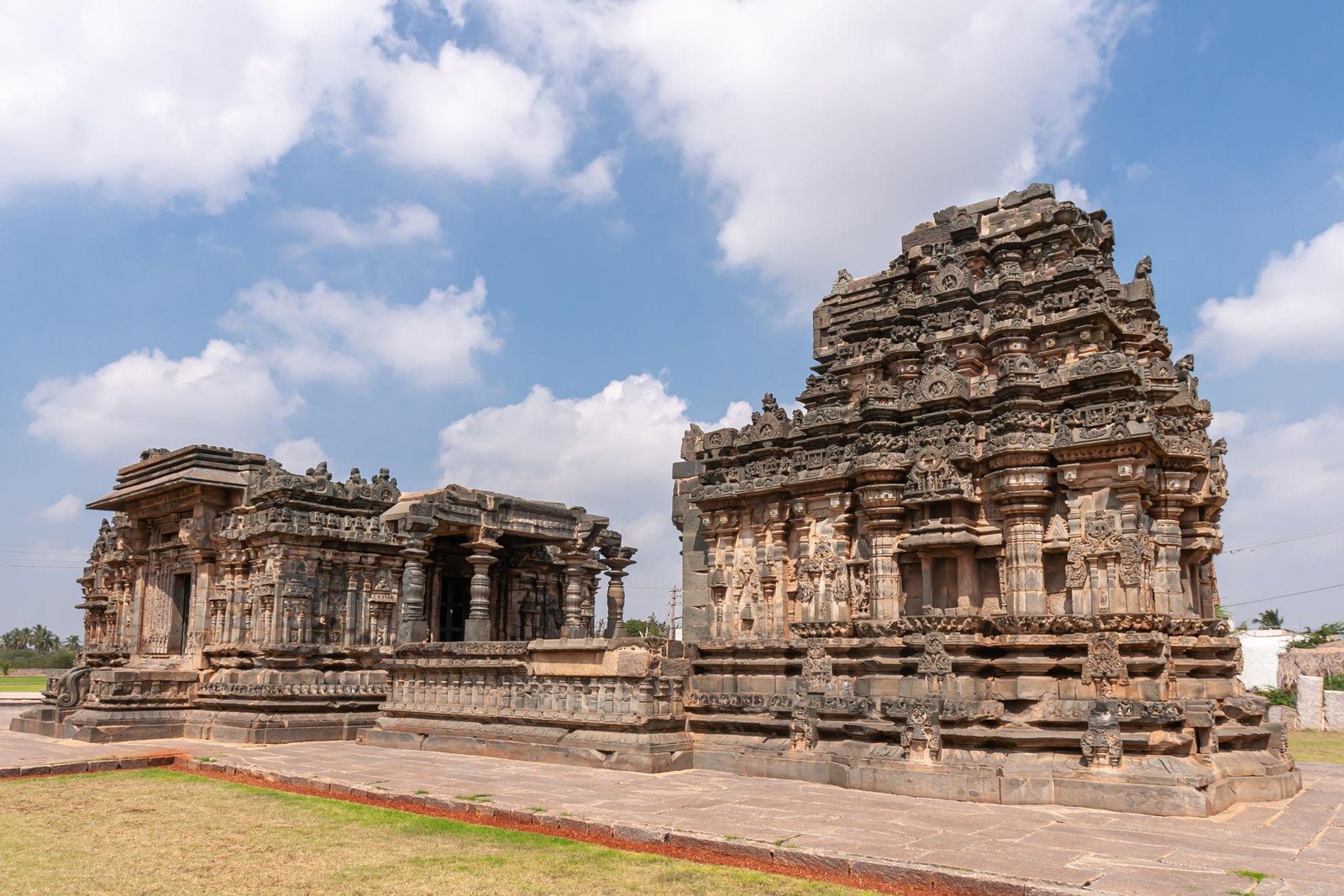
Lakkundi Temple Complex – A Heritage Jewel of Karnataka
Situated in Lakkundi near Gadag, Karnataka, the Lakkundi Temple Complex is one of India's most important heritage sites, famous for its remarkable collection of Chalukyan-era temples, ancient stepwells, and intricate stone architecture. Once a flourishing cultural and educational center, Lakkundi is home to more than 50 historic monuments that reflect Karnataka's rich artistic and spiritual legacy.
The complex attracts devotees, historians, architects, photographers, and heritage lovers eager to explore its extraordinary craftsmanship and historical significance.
History of Lakkundi Temple Complex
Lakkundi flourished between the 10th and 12th centuries under the Western Chalukya Empire. The town became an important center of religion, education, and architecture, with numerous temples dedicated to Lord Shiva, Lord Vishnu, and Jain Tirthankaras.
Among its many monuments, the Kasivisvesvara Temple is regarded as one of the finest examples of Western Chalukya architecture.
Architecture
The temples display finely carved pillars, beautifully sculpted doorways, decorative ceilings, elegant towers, and highly detailed stone sculptures. Lakkundi is also famous for its ancient stepped wells (Kalyanis), which demonstrate exceptional engineering and artistic excellence.
Every monument within the complex showcases the evolution of medieval temple architecture in South India.
Religious Importance
The temples of Lakkundi continue to serve as important places of worship while preserving centuries-old traditions. Devotees visit throughout the year, especially during Maha Shivaratri and other major Hindu festivals.
Main Attractions
- Kasivisvesvara Temple.
- Ancient stepwells (Kalyanis).
- Western Chalukya architecture.
- Historic stone carvings.
- Jain temples.
- Archaeological Museum.
- Heritage village atmosphere.
Things to Do
- Explore ancient temples.
- Visit the Archaeological Museum.
- Photograph intricate carvings.
- Discover historic stepwells.
- Learn about Chalukyan architecture.
- Enjoy a peaceful heritage walk.
Major Festivals
- Maha Shivaratri.
- Karthika Deepotsava.
- Shravan Month Celebrations.
- Annual Temple Festival.
- Deepavali.
Best Time to Visit
October to February is the best time to explore the temple complex comfortably due to pleasant weather.
Nearby Attractions
- Trikuteshwara Temple, Gadag.
- Dambal Heritage Village.
- Mahadeva Temple, Itagi.
- Gadag Archaeological Museum.
- Hampi UNESCO World Heritage Site.
How to Reach
Lakkundi is approximately 12 km from Gadag. Gadag Railway Station is the nearest railway station, while Hubballi Airport is the nearest airport.
Why Stay with Mudras Stays?
Explore Karnataka's architectural wonders with Mudras Stays. Enjoy comfortable accommodation, premium hospitality, modern amenities, and convenient access to heritage destinations across Karnataka.
- Comfortable accommodation.
- Modern amenities.
- Excellent hospitality.
- Family-friendly stays.
- Convenient travel locations.
- Perfect for heritage tourism.
Travel Tips
- Allocate at least half a day to explore the complex.
- Wear comfortable walking shoes.
- Carry drinking water.
- Visit the museum for historical insights.
- Respect the heritage monuments.
Conclusion
The Lakkundi Temple Complex is one of Karnataka's greatest architectural treasures, offering visitors an unforgettable journey through history, spirituality, and artistic excellence. Enhance your heritage tour with the comfort and hospitality of Mudras Stays.
Frequently Asked Questions (FAQs)
1. Why is Lakkundi Temple Complex famous?
It is famous for its Western Chalukya temples, ancient stepwells, and exquisite stone carvings.
2. Where is the temple complex located?
Lakkundi, Gadag district, Karnataka.
3. Which is the most famous temple here?
Kasivisvesvara Temple is the best-known monument within the complex.
4. What is the best time to visit?
October to February.
5. Why stay with Mudras Stays?
Mudras Stays provides comfortable accommodation with convenient access to Karnataka's heritage and spiritual attractions.