
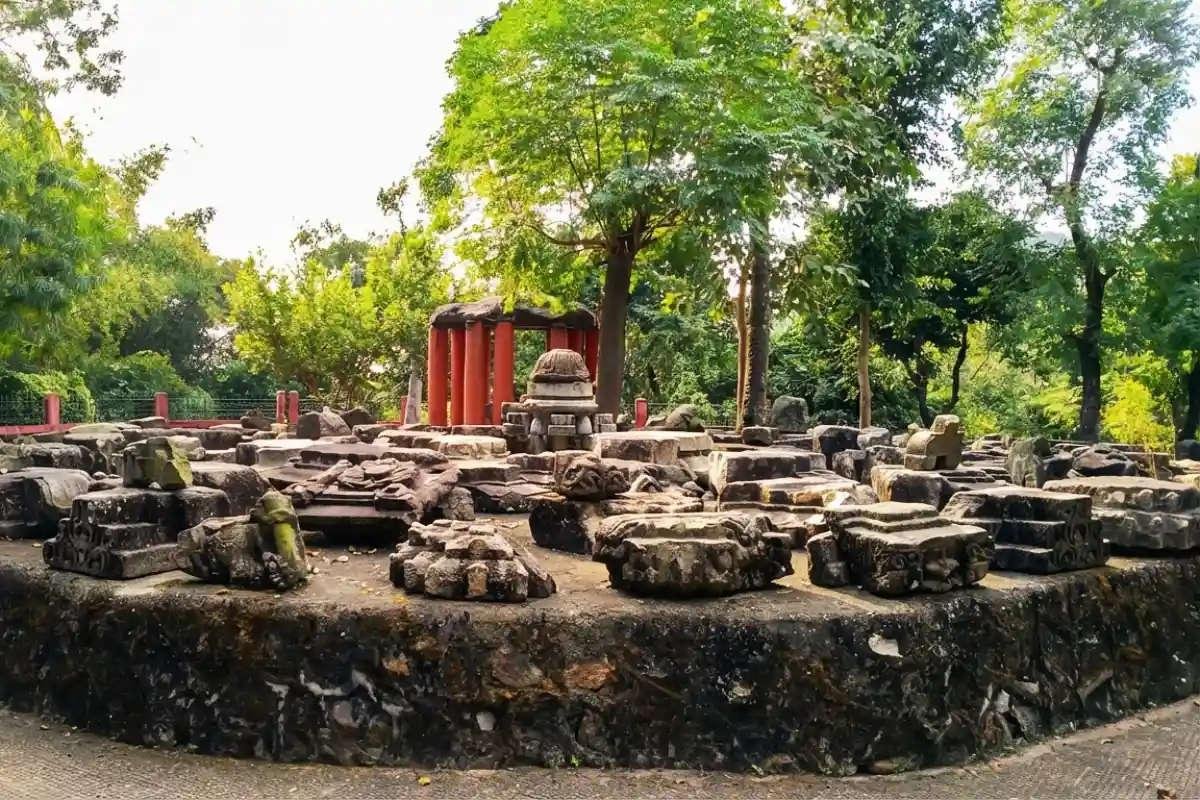
Madan Kamdev Temple – Assam's Ancient Masterpiece of Art and Spirituality
Located near Baihata Chariali in the Kamrup district of Assam, approximately 40 km from Guwahati, the Madan Kamdev Temple is one of Northeast India's most fascinating archaeological and spiritual destinations. Often referred to as the "Khajuraho of Assam", this remarkable temple complex is celebrated for its exquisite stone sculptures, intricate carvings, and rich historical heritage.
Nestled amidst lush green hills and peaceful forests, the temple complex consists of the ruins of more than twenty ancient temples dedicated primarily to Lord Shiva and Goddess Shakti. The beautifully sculpted figures depicting Hindu mythology, celestial beings, and divine love make Madan Kamdev one of Assam's most treasured heritage sites.
History of Madan Kamdev Temple
Historians believe the Madan Kamdev Temple Complex was constructed between the 10th and 12th centuries CE during the rule of the Pala dynasty of Kamarupa. The temples remained hidden beneath dense vegetation for centuries until they were rediscovered during archaeological explorations in the 1970s.
Excavations revealed numerous beautifully carved stone temples, sculptures, pillars, and decorative architectural fragments, providing valuable insights into the artistic excellence and religious practices of medieval Assam.
Religious Significance
Although now preserved mainly as an archaeological monument, Madan Kamdev continues to hold great religious importance. The temples were dedicated to Lord Shiva, Goddess Parvati, Lord Vishnu, and various forms of Shakti. The site is also associated with Kamadeva, the Hindu God of Love, which is believed to have inspired the temple's name.
Many devotees continue to visit the complex to offer prayers, especially during Maha Shivaratri, while history enthusiasts admire its remarkable heritage.
Architectural Excellence
The temple complex showcases exceptional medieval stone architecture with remarkable sculptural craftsmanship. The walls and pillars feature detailed carvings of Hindu deities, dancers, musicians, mythical creatures, floral patterns, and celestial couples.
The artistic style is often compared with the famous temples of Khajuraho because of its intricate decorative sculptures. Despite centuries of natural wear, the carvings continue to display extraordinary detail and artistic brilliance.
Main Attractions
- Ancient archaeological temple complex.
- Known as the "Khajuraho of Assam."
- Beautiful medieval stone sculptures.
- Intricate carvings depicting Hindu mythology.
- Historic Shiva-Shakti temples.
- Peaceful natural surroundings.
- Protected archaeological heritage site.
- Excellent destination for photography.
- Rich cultural and historical significance.
- Ideal for history and architecture enthusiasts.
Things to Do During Your Visit
- Explore the ancient temple ruins.
- Admire the intricate stone carvings.
- Learn about Assam's medieval history.
- Photograph the architectural masterpieces.
- Visit nearby forested areas.
- Meditate in the peaceful surroundings.
- Observe archaeological remains.
- Experience Assam's cultural heritage.
- Visit during Maha Shivaratri celebrations.
- Explore nearby attractions around Guwahati.
Major Festivals Celebrated
- Maha Shivaratri.
- Magh Bihu.
- Durga Puja.
- Navratri.
- Special local cultural festivals.
- Heritage and tourism events.
Nearby Attractions
- Hayagriva Madhava Temple, Hajo.
- Kedareswara Temple, Hajo.
- Pobitora Wildlife Sanctuary.
- Kamakhya Temple.
- Deepor Beel.
- Umananda Temple.
- Assam State Museum.
Best Time to Visit
The ideal time to visit is between October and March, when the weather is pleasant for sightseeing and exploring the archaeological remains. The lush greenery after the monsoon also enhances the beauty of the site.
Temple Timings
The archaeological complex is generally open from 9:00 AM to 5:00 PM. Visitors should verify timings on public holidays and festival days before planning their trip.
How to Reach
Madan Kamdev Temple Complex is located about 40 km from Guwahati and around 8 km from Baihata Chariali. Guwahati Railway Station and Lokpriya Gopinath Bordoloi International Airport provide excellent connectivity. Taxis, private vehicles, and local buses are readily available from Guwahati.
Accommodation with Mudras Stays
Planning to explore Assam's rich heritage? Mudras Stays offers comfortable accommodations, excellent hospitality, and convenient access to Guwahati's famous temples, archaeological sites, and natural attractions. Whether travelling for history, spirituality, or leisure, Mudras Stays ensures a memorable and relaxing stay.
Travel Tips
- Wear comfortable walking shoes.
- Carry drinking water and sunscreen.
- Visit during the morning for better photography.
- Respect the archaeological heritage.
- Avoid climbing on ancient sculptures.
- Carry a camera for architectural photography.
- Combine your visit with nearby Hajo temples.
- Help preserve the monument by avoiding littering.
Why Visit Madan Kamdev Temple?
Madan Kamdev Temple offers a rare combination of spirituality, archaeology, history, and artistic excellence. Its magnificent stone carvings, ancient temple ruins, and serene natural surroundings make it one of the most unique heritage destinations in Northeast India.
Conclusion
Madan Kamdev Temple stands as a remarkable testament to Assam's glorious artistic and spiritual heritage. Whether you are fascinated by ancient architecture, Hindu mythology, or archaeological wonders, this extraordinary temple complex promises an unforgettable experience. Complete your Assam heritage tour with the trusted hospitality of Mudras Stays.
Frequently Asked Questions (FAQs)
1. Why is Madan Kamdev Temple famous?
Madan Kamdev Temple is famous for its intricate medieval stone carvings and is popularly known as the "Khajuraho of Assam."
2. Which deity is worshipped here?
The temple complex was primarily dedicated to Lord Shiva and Goddess Shakti, along with several other Hindu deities.
3. Where is Madan Kamdev Temple located?
The temple complex is located near Baihata Chariali in Kamrup district, Assam.
4. What is the best time to visit?
October to March offers the most pleasant weather for exploring the archaeological site.
5. Which nearby attractions should visitors explore?
Hayagriva Madhava Temple, Kedareswara Temple, Pobitora Wildlife Sanctuary, Kamakhya Temple, Deepor Beel, Umananda Temple, and Assam State Museum are popular nearby attractions.
6. How much time should visitors plan?
Plan around 2–3 hours to explore the temple ruins, admire the carvings, and enjoy the surrounding landscape.
7. Why choose Mudras Stays?
Mudras Stays offers comfortable accommodations, excellent hospitality, and convenient access to Assam's top heritage sites, temples, and tourist attractions, ensuring a memorable travel experience.