
Mansar Lake – A Sacred Lakeside Retreat Near Jammu’s Temple and Vaishno Devi Pilgrimage Circuit
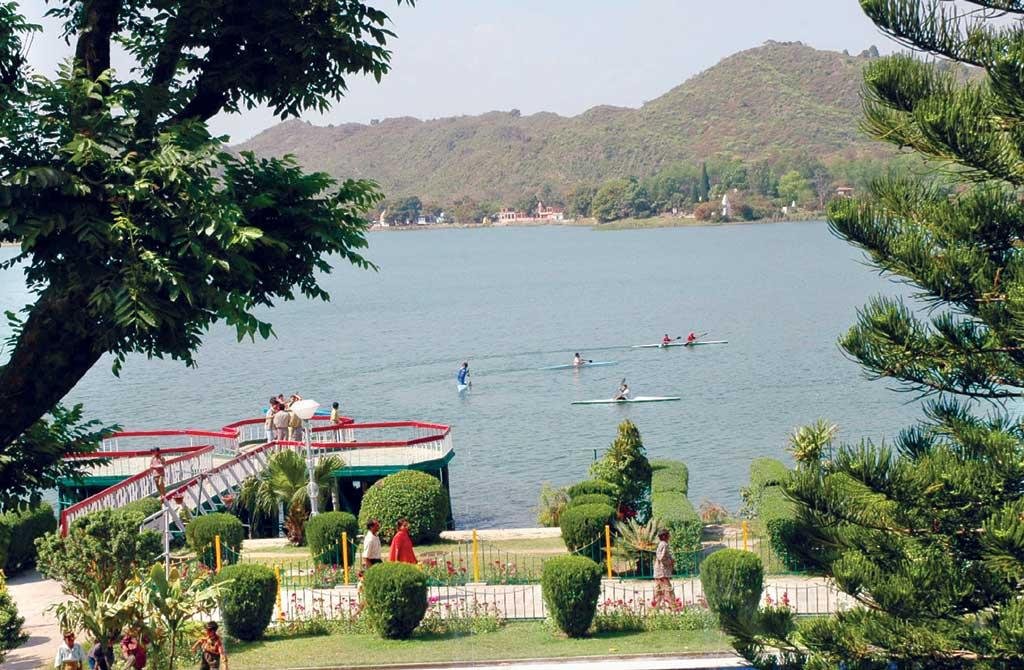
Mansar Lake is one of the most beautiful spiritual and leisure destinations in the Jammu region of Jammu and Kashmir. Surrounded by forest-covered hills, sacred temples and peaceful natural scenery, the lake offers pilgrims an opportunity to combine religious devotion with boating, family recreation, wildlife viewing and quiet relaxation.
Located in Samba district, Mansar Lake is approximately 22 kilometres from Samba and around 64 kilometres from Jammu. Its position on the Samba–Udhampur road makes it a convenient excursion for travellers exploring Jammu, Samba, Udhampur and the wider Mata Vaishno Devi pilgrimage circuit.
For devotees visiting Mata Vaishno Devi Temple in Katra, Raghunath Temple, Ranbireshwar Temple, Bawe Wali Mata Temple, Purmandal or other sacred places around Jammu, Mansar Lake can be added as a peaceful leisure destination before or after darshan.
Unlike an ordinary sightseeing lake, Mansar is deeply connected with Hindu faith, local mythology and traditional religious ceremonies. Pilgrims visit the temples around its banks, perform parikrama, seek blessings from Lord Sheshnag and spend time beside the sacred water. At the same time, families can enjoy boating, lakeside walks, photography and nature viewing.
This balance of spirituality and leisure makes Mansar Lake an ideal addition to a temple-focused journey planned through MudrasStays.
A Peaceful Leisure Stop After Temple Darshan
Temple journeys across Jammu and Katra often involve long road travel, early-morning departures, waiting periods and physically demanding pilgrimages. After completing darshan, many devotees want to spend a few hours at a calm destination where they can rest and reconnect with their families.
Mansar Lake provides a refreshing change from crowded temple markets and busy pilgrimage routes. Visitors can walk along the lake, sit beside the water, admire the surrounding hills or simply enjoy the peaceful atmosphere.
Families travelling with children can enjoy the open surroundings and recreational facilities, while senior citizens can spend time near the temples and landscaped areas without following a demanding sightseeing schedule. Couples and groups can enjoy photography, boating and relaxed lakeside conversations.
Pilgrims travelling through Jammu can therefore turn their religious visit into a more complete spiritual holiday by combining temple darshan with a visit to Mansar Lake.
A suitable journey may include:
Jammu Temples – Mansar Lake – Samba – Udhampur – Katra – Mata Vaishno Devi Temple
Travellers returning from Katra can also visit the lake before continuing towards Jammu, Pathankot or Punjab, depending on their route and available time.
Religious Significance of Mansar Lake
Mansar Lake is regarded as a sacred destination and is associated with legends from the Mahabharata. According to local tradition, the lake is connected with Babruvahana, the son of Arjuna and Ulupi, and with the story of the divine jewel of Sheshnag.
The legend links Mansar Lake with nearby Surinsar Lake, and both destinations continue to hold cultural, ecological and spiritual importance in the Jammu region. These traditions have given Mansar a sacred identity comparable in local belief to the better-known Lake Mansarovar.
For pilgrims, the lake is not merely a place for photography or boating. It is a sacred landscape where water, temples, mythology and nature come together.
Certain Hindu communities also visit Mansar for traditional ceremonies, including mundan rituals. Devotees may take part in religious customs or ceremonial bathing during special occasions, subject to local rules and prevailing conditions.
Sheshnag Temple at Mansar Lake
One of the most important religious places at Mansar Lake is the shrine dedicated to Lord Sheshnag. Located on the eastern bank of the lake, the shrine is associated with the serpent deity who holds an important place in Hindu mythology.
The shrine contains a large sacred boulder accompanied by iron chains traditionally interpreted as representations of serpents. Devotees visit the shrine to seek protection, prosperity and divine blessings.
Newly married couples traditionally consider it auspicious to perform circumambulation around the lake and seek the blessings of Lord Sheshnag for a peaceful and prosperous married life.
For pilgrims visiting Jammu for temple darshan, the Sheshnag shrine gives Mansar Lake a distinct spiritual identity. Visitors can offer prayers, walk around the sacred surroundings and then spend time exploring the natural beauty of the lake.
Umapati Mahadev Temple
The ancient Umapati Mahadev Temple near Mansar Lake is dedicated to Lord Shiva and Goddess Parvati. Its presence makes Mansar particularly relevant for Shiva devotees and pilgrims exploring temples across the Jammu region.
A visit to Umapati Mahadev can be combined with the Sheshnag shrine, the Narasimha Temple and the Durga Temple situated around the lake. Together, these sacred places make Mansar a compact pilgrimage destination where travellers can seek blessings from several Hindu deities during a single visit.
Devotees visiting Shiv temples such as Ranbireshwar Temple in Jammu, Sudh Mahadev or other sacred sites around Udhampur can include Mansar Lake in the same extended pilgrimage itinerary.
Narasimha and Durga Temples
Mansar Lake is also surrounded by temples dedicated to Lord Narasimha and Goddess Durga. Lord Narasimha is worshipped as an incarnation of Lord Vishnu, while Goddess Durga represents divine strength and protection.
These temples attract pilgrims as well as visitors interested in the religious heritage of the Jammu region. Their location near the lake allows devotees to combine temple darshan with a peaceful walk through the surrounding natural landscape.
Visitors should maintain appropriate decorum around the shrines, dress respectfully and follow any instructions provided by temple authorities.
Boating at Mansar Lake
Boating is one of the most popular leisure experiences at Mansar Lake. Visitors can enjoy the calm water while admiring the surrounding hills, forested slopes and temples along the lake’s edge.
A boat ride can be particularly enjoyable for families who have completed a long pilgrimage and want to spend some relaxed time together. The experience provides attractive views of the lake and a refreshing break from road travel.
Boating availability, operating hours, safety rules and charges may change according to the season, weather and local administration. Visitors should therefore confirm current arrangements at the destination and use only authorised boating services.
Life jackets should be worn whenever provided, and parents should supervise children throughout the ride.
Lakeside Walks and Nature Viewing
Mansar Lake has walking areas and viewing points from which visitors can observe the water, temples, aquatic life and seasonal birds. The lakeside setting is suitable for slow walks, photography and peaceful family outings.
The lake is known for its turtles, fish and waterbirds. Forested hills surrounding the area add to its ecological value and create a pleasant atmosphere for visitors interested in nature.
Travellers should avoid throwing plastic, food packaging or other waste into the water. Feeding wildlife should also be avoided unless expressly permitted by local authorities, as artificial feeding can disturb the natural ecosystem.
For pilgrims, the lakeside walk can also become a reflective spiritual experience. Walking beside the sacred water after temple darshan allows visitors to pause, pray and appreciate the serenity of the surroundings.
Surinsar–Mansar Wildlife Experience
Mansar Lake forms part of a broader ecological landscape associated with nearby Surinsar Lake and the Surinsar–Mansar wildlife area. The region supports birds, aquatic species and animals such as spotted deer and nilgai.
Nature lovers may observe ducks, cranes and other seasonal birds depending on the time of year and local conditions.
Visitors with additional time can combine Mansar Lake with Surinsar Lake to create a full-day nature and leisure itinerary. The two destinations are popularly described as twin lakes and are connected through regional mythology as well as their shared ecological importance.
A suitable route may be:
Jammu – Surinsar Lake – Mansar Lake – Samba
This itinerary is ideal for families staying in Jammu who want to enjoy temples, lakes, wildlife and scenic drives in a single day.
Mansar Lake Near the Mata Vaishno Devi Pilgrimage Route
Mata Vaishno Devi Temple is the most important pilgrimage connection for many travellers visiting the Jammu region. Jammu serves as a major gateway for pilgrims continuing towards Katra, while Samba and Udhampur are important points on the surrounding road network.
Mansar Lake can be explored before travelling to Katra or after completing the Vaishno Devi yatra. However, travellers should keep their pilgrimage registration, train timings, flights and hotel check-in schedule in mind before planning the excursion.
One comfortable itinerary could include:
Day 1: Jammu Temple Tour
Visit Raghunath Temple, Ranbireshwar Temple, Bawe Wali Mata Temple and other important shrines in Jammu.
Day 2: Mansar Lake Excursion
Travel to Mansar Lake, visit the Sheshnag, Umapati Mahadev, Narasimha and Durga temples, enjoy boating and spend time beside the lake.
Day 3: Travel to Katra
Check into a hotel in Katra and prepare for the Mata Vaishno Devi pilgrimage.
Day 4: Mata Vaishno Devi Darshan
Complete the yatra and return to Katra for rest.
This type of itinerary prevents the journey from becoming excessively rushed and gives families enough time for both devotion and leisure.
Best Time to Visit Mansar Lake
Mansar Lake can be visited during different seasons, but the period from October to April is generally considered especially pleasant for sightseeing, temple visits and outdoor exploration.
Winter offers cooler weather and comfortable daytime conditions, although mornings and evenings may be cold. Spring brings pleasant temperatures and greener surroundings.
Summer visits are possible, but daytime temperatures around the Jammu region can become high. Visitors travelling during warmer months may prefer arriving in the morning or late afternoon.
The monsoon season can make the surrounding landscape greener, but heavy rainfall may affect road conditions and outdoor activities. Travellers should check current weather conditions before leaving Jammu, Samba, Udhampur or Katra.
How Much Time to Spend at Mansar Lake
Most families can comfortably spend around three to five hours at Mansar Lake. Visitors who want to explore all the temples, enjoy boating, walk around the lake and have a relaxed meal may require additional time.
A full-day excursion is recommended when combining Mansar Lake with Surinsar Lake, nearby temples or other attractions around Samba and Jammu.
Travellers should avoid planning the visit immediately before a fixed train, flight or yatra reporting time. Keeping a time buffer is particularly important when travelling with senior citizens or children.
Food and Local Refreshments
Basic food, snacks and refreshments may be available around the tourist area, although the selection can vary by day and season.
Families with children, elderly members or dietary restrictions should carry drinking water, essential snacks and required medicines. Pilgrims following a vegetarian or satvik diet may prefer confirming meal arrangements in advance or eating at their hotel in Jammu, Samba or Katra.
Visitors should use designated waste bins and avoid leaving food packaging near the lake or temple areas.
How to Reach Mansar Lake
Mansar Lake is accessible by road from Jammu, Samba and Udhampur. The lake lies on the Samba–Udhampur road and is approximately 22 kilometres from Samba. Travellers can reach it by private car, taxi or locally available road transport.
Jammu Airport and Jammu Tawi Railway Station are the principal air and rail gateways for travellers arriving from other parts of India.
Pilgrims travelling towards Mata Vaishno Devi should discuss the route with their driver because Mansar Lake requires a separate excursion from the standard Jammu–Katra journey. Actual travel time may vary according to traffic, weather and road conditions.
Where to Stay Near Mansar Lake
Limited tourist accommodation is available near Mansar Lake, including tourist huts and rooms near the lakeside. Travellers may also choose to stay in Jammu, Samba, Udhampur or Katra depending on the main purpose of their journey.
Staying near Mansar Lake is suitable for visitors seeking a peaceful environment and an unhurried nature experience. Staying in Jammu provides easier access to railway, airport and major city facilities.
Katra is the preferred accommodation base for pilgrims whose primary purpose is Mata Vaishno Devi darshan. Udhampur may be useful for travellers continuing towards Patnitop, Sudh Mahadev or other destinations in the region.
Book Stays Near Mansar Lake and Jammu Temples with MudrasStays
MudrasStays helps pilgrims discover accommodation near temples, sacred destinations and the leisure attractions surrounding important pilgrimage routes.
Travellers planning a Jammu and Mata Vaishno Devi journey can use MudrasStays to explore:
Hotels near temples in Jammu
Family stays near Mansar Lake
Accommodation near Samba and Udhampur
Hotels in Katra near Mata Vaishno Devi
Stays near sacred lakes and pilgrimage destinations
Comfortable properties for families and religious groups
By choosing accommodation through MudrasStays, pilgrims can plan a journey that combines temple darshan, comfortable rest, local sightseeing and peaceful family experiences.
Mansar Lake is more than a scenic picnic destination. It is a sacred place where ancient legends, revered temples, peaceful waters and forested hills come together. Whether you visit after seeking blessings at Jammu’s temples, before travelling to Mata Vaishno Devi or as part of a wider pilgrimage through Samba and Udhampur, Mansar Lake adds tranquillity and natural beauty to the journey.
With the right itinerary and a comfortable stay booked through MudrasStays, a visit to Mansar Lake can transform a regular temple trip into a complete spiritual and leisure experience.