
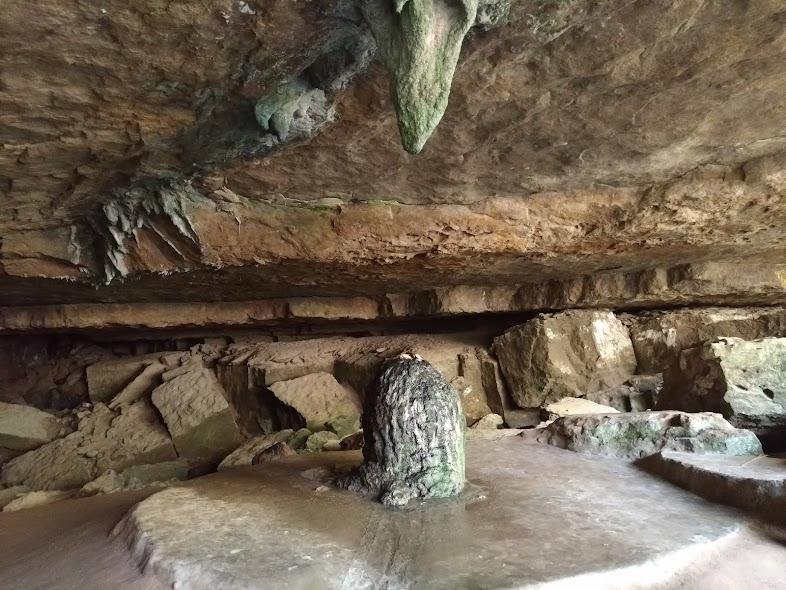
Mawjymbuin Shiva Shrine – The Natural Cave Shrine of Lord Shiva
Located in Mawsynram, the wettest inhabited place on Earth, the Mawjymbuin Shiva Shrine is one of Meghalaya's most fascinating spiritual destinations. Hidden inside the famous Mawjymbuin Cave, this sacred shrine is renowned for its naturally formed Shiva Lingam, created over centuries through the gradual deposition of limestone.
Combining natural geological wonders with deep religious significance, the shrine attracts pilgrims, nature enthusiasts, photographers, and adventure seekers from across India. The peaceful cave atmosphere and unique rock formations create an unforgettable spiritual experience.
History of Mawjymbuin Shiva Shrine
Mawjymbuin Cave has long been revered by local communities and Hindu devotees. Unlike man-made temples, the shrine owes its significance to the naturally formed stalagmite that resembles a Shiva Lingam. Over time, the cave evolved into an important pilgrimage destination where faith and nature beautifully coexist.
Today, the site is maintained as both a spiritual landmark and one of Meghalaya's most visited natural attractions.
Religious Significance
The naturally formed limestone Shiva Lingam is worshipped as a divine manifestation of Lord Shiva. Devotees believe that offering prayers here brings peace, prosperity, protection, and spiritual fulfilment.
The shrine becomes especially vibrant during Maha Shivaratri, when devotees gather to perform special poojas and seek Lord Shiva's blessings amidst the mystical surroundings of the cave.
Natural Formation and Cave Features
The highlight of Mawjymbuin Cave is its impressive limestone formations, created by mineral-rich water dripping over thousands of years. The cave features stalactites hanging from the ceiling and stalagmites rising from the floor, with the naturally formed Shiva Lingam standing as the centrepiece of devotion.
The cave's cool interior, dramatic rock formations, and peaceful ambience make it one of the most unique cave temples in Northeast India.
Main Attractions
- Natural limestone Shiva Lingam.
- Spectacular limestone cave formations.
- Sacred cave dedicated to Lord Shiva.
- Unique geological formations.
- Peaceful spiritual atmosphere.
- Maha Shivaratri celebrations.
- Scenic Mawsynram landscapes.
- Excellent cave photography opportunities.
- One of Meghalaya's most unique pilgrimage sites.
- Combination of spirituality and nature.
Things to Do During Your Visit
- Offer prayers to Lord Shiva.
- Explore the limestone cave.
- Observe the naturally formed Shiva Lingam.
- Photograph the cave formations.
- Meditate inside the peaceful cave.
- Learn about limestone geology.
- Visit nearby viewpoints in Mawsynram.
- Experience Meghalaya's natural beauty.
- Attend Maha Shivaratri celebrations.
- Explore nearby villages and waterfalls.
Major Festivals Celebrated
- Maha Shivaratri.
- Shravan Month celebrations.
- Pradosh Vrat.
- Special Shiva Poojas.
- Local cultural festivals.
- Religious gatherings throughout the year.
Nearby Attractions
- Mawsynram View Point.
- Mawjymbuin Cave.
- Mawphlang Sacred Forest.
- Arwah Cave.
- Elephant Falls.
- Laitlum Canyons.
- Shillong.
Best Time to Visit
The best time to visit is from October to April, when rainfall is relatively lower and the roads are easier to access. Visitors who wish to experience Mawsynram's famous monsoon landscape may also visit during the rainy season, but should be prepared for heavy rainfall.
Temple Timings
The shrine is generally accessible from 8:00 AM to 5:00 PM. Timings may vary slightly during festivals and adverse weather conditions.
How to Reach
Mawjymbuin Shiva Shrine is located about 55 km from Shillong. The nearest airport is Shillong Airport (Umroi), while Guwahati Railway Station is the nearest major railhead. Taxis and buses regularly connect Shillong with Mawsynram.
Accommodation with Mudras Stays
Planning a spiritual journey through Meghalaya? Mudras Stays offers comfortable accommodations, exceptional hospitality, and convenient access to Meghalaya's temples, caves, waterfalls, and scenic destinations. Whether travelling for pilgrimage or adventure, Mudras Stays ensures a peaceful and memorable stay.
Travel Tips
- Wear comfortable shoes with good grip.
- Carry a raincoat, especially during the monsoon.
- Be cautious while walking inside the cave.
- Respect religious customs and maintain silence.
- Carry drinking water.
- Bring a camera for cave photography.
- Visit early to avoid crowds.
- Help preserve the cave by avoiding littering.
Why Visit Mawjymbuin Shiva Shrine?
Mawjymbuin Shiva Shrine offers an extraordinary combination of spirituality, geology, and natural beauty. The naturally formed Shiva Lingam inside a magnificent limestone cave makes it one of India's most unique pilgrimage destinations.
Conclusion
Mawjymbuin Shiva Shrine continues to inspire visitors through its divine natural formations and serene cave environment. Whether you seek Lord Shiva's blessings, wish to witness one of nature's geological marvels, or explore Meghalaya's spectacular landscapes, this sacred shrine promises an unforgettable experience. Complete your journey with the trusted hospitality of Mudras Stays.
Frequently Asked Questions (FAQs)
1. Why is Mawjymbuin Shiva Shrine famous?
The shrine is famous for its naturally formed limestone Shiva Lingam inside Mawjymbuin Cave.
2. Which deity is worshipped here?
The shrine is dedicated to Lord Shiva.
3. Where is Mawjymbuin Shiva Shrine located?
It is located inside Mawjymbuin Cave in Mawsynram, Meghalaya.
4. What is the best time to visit?
October to April is ideal for pleasant weather, while the monsoon offers dramatic scenery for adventurous travellers.
5. Which nearby attractions should visitors explore?
Mawjymbuin Cave, Mawsynram View Point, Mawphlang Sacred Forest, Arwah Cave, Elephant Falls, Laitlum Canyons, and Shillong are popular nearby attractions.
6. How much time should visitors plan?
Visitors should allocate around 2–3 hours to explore the cave, shrine, and surrounding attractions.
7. Why choose Mudras Stays?
Mudras Stays offers comfortable accommodations, premium hospitality, and convenient access to Meghalaya's spiritual destinations, caves, waterfalls, and scenic attractions, ensuring a memorable travel experience.