
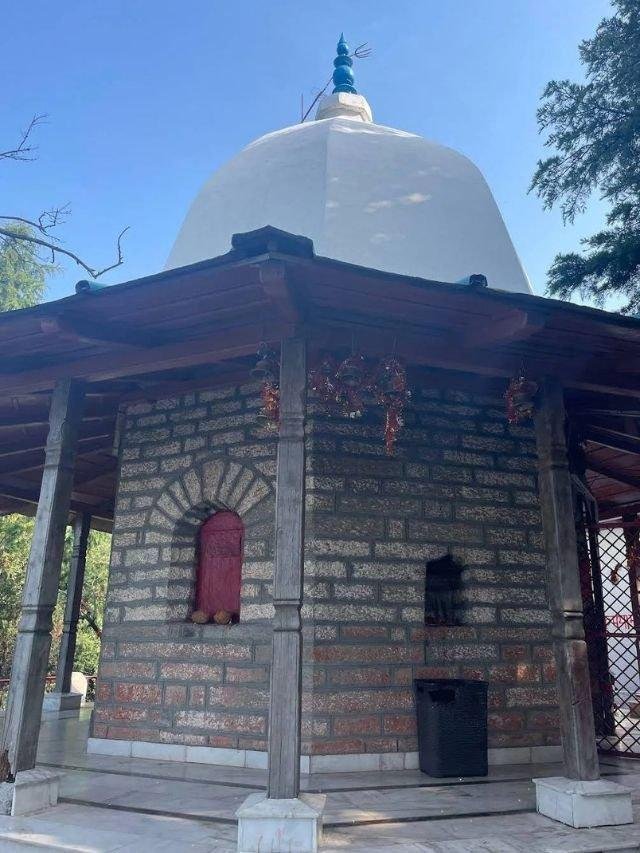
Mukteshwar Mahadev Temple is a historic hilltop shrine dedicated to Lord Shiva, situated in the beautiful mountain destination of Mukteshwar in the Nainital district of Uttarakhand. Standing at one of the highest points of the region and surrounded by thick forests, fruit orchards and expansive Himalayan scenery, the temple is among the most peaceful spiritual destinations in the Kumaon hills.
The temple is also popularly known as Mukteshwar Dham, Mukteshwar Temple and Chaumukhi Mahadev Temple. It is closely connected with the identity of Mukteshwar town, which is believed to have received its name from this sacred Shiva shrine. The word “Mukteshwar” combines “Mukti,” meaning liberation or salvation, and “Ishwar,” meaning the Supreme Lord. Mukteshwar can therefore be understood as the Lord who grants liberation.
Devotees visit Mukteshwar Mahadev Temple to seek the blessings of Lord Shiva for spiritual freedom, peace, protection, family welfare and relief from personal difficulties. The temple’s elevated location, forest surroundings and quiet atmosphere make the journey suitable not only for traditional worship but also for meditation, reflection and a peaceful Himalayan retreat.
Mukteshwar is situated approximately 51 to 52 kilometres from Nainital. The hill destination lies at an elevation of about 2,286 metres, while the temple occupies a prominent rocky height above the surrounding settlement. Its location gives visitors wide views of the forested valleys and, during favourable weather, distant snow-covered Himalayan ranges.
The journey towards Mukteshwar Temple passes through winding mountain roads, orchards, villages and dense stretches of oak, pine and coniferous forest. As travellers move away from busier destinations such as Nainital, the landscape becomes quieter and more open. The cool mountain air, changing forest scenery and views across the Kumaon hills prepare visitors for the peaceful spiritual environment of the temple.
The temple stands at the top of a rocky hill and is generally approached through a series of steps and pathways. Hanging bells, sacred red cloth, trees and small shrines create a traditional Himalayan temple setting. The final approach may require a short uphill walk, so visitors should wear comfortable footwear and move carefully during rain or winter frost.
The temple structure is comparatively small and intimate. It does not depend on monumental scale or elaborate commercial development for its spiritual importance. Its simple stone walls, white dome, wooden protective elements and forest surroundings reflect the character of an old mountain shrine that has remained closely connected with the local landscape.
Uttarakhand Tourism identifies the temple as an example of Katyuri architectural style. The Katyuri rulers played an important role in the cultural and temple-building history of the Kumaon Himalayas. Although the shrine has undergone repairs and changes over time, its traditional stone construction and elevated setting continue to reflect the architectural heritage of the region.
Inside the principal shrine is a Shiva linga worshipped as Mukteshwar Mahadev. Devotees offer water, flowers, bilva leaves and prayers according to temple customs. The interior is compact, and visitors may need to wait patiently during festivals, weekends or periods of increased pilgrimage activity.
The sacred Shiva linga is the spiritual centre of the temple. Lord Shiva is worshipped here as the divine giver of mukti or liberation. For devotees, liberation may refer not only to freedom from the cycle of birth and death but also to freedom from fear, attachment, sorrow, confusion and the burdens of worldly life.
This association with liberation gives Mukteshwar Mahadev Temple a deeply contemplative character. Many pilgrims visit with prayers for emotional peace, clarity and the strength to move beyond difficult phases in life. Others come to express gratitude, perform Shiva worship or begin a longer spiritual journey through Kumaon.
The temple is especially meaningful for devotees of Lord Shiva because of its Himalayan setting. Shiva is traditionally associated with mountains, caves, forests, silence and meditation. At Mukteshwar, these natural elements are present around the temple itself.
The elevated rock, old trees, mountain winds and distant peaks help create a setting that feels naturally suited to Shiva worship. The destination offers a quieter alternative to large and heavily commercialised pilgrimage centres.
Local religious traditions connect Mukteshwar Mahadev Temple with stories from the Mahabharata and the Pandavas. According to a popular legend, the Pandavas worshipped Lord Shiva in this region during their period of exile and prayed for liberation from the challenges and consequences of their worldly struggles.
This story forms an important part of the temple’s devotional identity, although it should be understood as sacred tradition rather than precisely documented history. Similar legends connecting the Pandavas with mountain shrines can be found throughout Uttarakhand, reflecting the region’s strong relationship with the Mahabharata.
Another local belief explains the name Mukteshwar through a story in which Lord Shiva defeated a powerful being and granted him liberation. The place consequently became associated with Mahadev as the giver of mukti.
Different priests, residents and regional accounts may preserve varying versions of these legends. Their importance lies in the spiritual meaning they carry for devotees rather than in their use as conventional historical records.
Visitors should listen respectfully to local stories because they reveal how generations of Kumaoni communities have understood the temple and its sacred landscape.
Mukteshwar Mahadev Temple remains an active place of worship. Local residents, pilgrims and visitors offer prayers throughout the year, while larger numbers of devotees may arrive during Mahashivratri and the sacred month of Shravan.
Mahashivratri is one of the most important festivals associated with the temple. Devotees worship Lord Shiva, offer water and bilva leaves, recite prayers and participate in special religious ceremonies.
The temple atmosphere becomes more vibrant during Mahashivratri, with increased movement of pilgrims, bells, devotional chanting and ritual activity. Travellers planning to visit during the festival should expect larger crowds and greater demand for accommodation.
Shravan is another significant period for Shiva worship. Many devotees visit Mukteshwar Mahadev Temple during the monsoon month to offer prayers and seek the blessings of Mahadev.
The forested landscape becomes especially green during this season, adding to the natural beauty of the pilgrimage. However, rainfall can make the approach steps and pathways slippery, so travellers should wear suitable shoes and follow local safety guidance.
Mondays are traditionally associated with Lord Shiva and may attract additional devotees. Visitors seeking a quieter experience may choose an ordinary weekday and arrive early in the morning.
Morning is among the best times to visit Mukteshwar Mahadev Temple. The atmosphere is peaceful, the air is fresh and visibility may be clearer before clouds gather over the hills.
Early morning darshan allows visitors to experience the temple before sightseeing activity increases around Mukteshwar and Chauli Ki Jali. The soft mountain light, sound of bells and movement of wind through the trees create a calm beginning to the day.
Evening can offer another beautiful experience, particularly when the hills and valleys are illuminated by changing sunset light. Visitors should nevertheless confirm temple timings and complete the return walk before darkness, especially during winter or poor weather.
From the higher areas around Mukteshwar, travellers may enjoy views of prominent Himalayan peaks during clear conditions. The visible range can vary according to weather, season, cloud cover and the exact viewpoint.
Post-monsoon autumn and clear winter days often provide some of the best mountain visibility. Snow-covered peaks appear across the horizon, while the lower valleys remain surrounded by forests and orchards.
The Himalayan views are among the strongest reasons why travellers choose to stay overnight in Mukteshwar rather than completing only a short day trip. Sunrise, sunset and early-morning mountain scenery can be difficult to experience properly during a rushed excursion.
A stay near Mukteshwar Mahadev Temple allows pilgrims to attend early darshan and then spend the remainder of the day exploring the natural and cultural attractions of the region.
One of the most important nearby attractions is Chauli Ki Jali, a dramatic rocky cliff and natural formation situated close to the temple area. The site is known for its elevated valley views, rocky edges and association with local religious stories.
Chauli Ki Jali is also popular with adventure travellers for activities such as rock climbing and rappelling when these are offered under appropriate supervision. Visitors should never attempt risky climbing or move close to exposed cliff edges without trained guidance.
The name Chauli Ki Jali is associated with local folklore. Various traditions connect the site with divine forces, battles between good and evil and the blessings of the goddess.
Some visitors also associate openings within the rocks with fertility-related beliefs and prayers. These stories form part of regional faith and should be presented as local traditions rather than scientifically established claims.
The rocky landscape near Chauli Ki Jali provides a striking contrast to the forested setting of Mukteshwar Mahadev Temple. Travellers can experience both a sacred Shiva shrine and an open cliffside viewpoint within the same local journey.
Because the cliffs can be dangerous during strong winds, rain or poor visibility, families should supervise children closely. Visitors should follow barriers, signs and instructions from local authorities or trained guides.
The forests surrounding Mukteshwar are another major attraction. Dense stands of oak, pine and other Himalayan trees support birdlife and create opportunities for quiet nature walks.
Birdwatchers may observe a variety of Himalayan species depending on the season and location. Travellers should move quietly, avoid disturbing nests and use binoculars rather than approaching wildlife closely.
The surrounding orchards are also central to Mukteshwar’s character. Apples, plums, peaches, apricots and other temperate fruits are cultivated across parts of the region.
The appearance of the orchards changes with the seasons. Spring may bring blossoms, summer and monsoon support fruit growth, and autumn can offer fresh produce and colourful landscapes.
Visitors staying in locally operated homestays may have opportunities to learn about orchard life, seasonal farming and traditional food. Any orchard visit should be undertaken only with the owner’s permission.
Mukteshwar is known for its peaceful environment and slower mountain lifestyle. Compared with busier hill stations, it offers more space for forest walks, reading, yoga, meditation and relaxed family holidays.
The temple gives this natural destination a strong spiritual centre. Visitors may begin the day with Mahadev darshan, walk through the forest, explore nearby viewpoints and return to a mountain cottage for a quiet evening.
This combination makes Mukteshwar suitable for spiritual tourism, nature tourism, wellness travel, family holidays and work-from-mountain stays.
Travellers seeking meditation and yoga experiences may find the quiet environment especially supportive. The forest soundscape, fresh air and reduced urban disturbance create a setting in which visitors can slow down and focus on personal reflection.
Mukteshwar Mahadev Temple should not be presented as a medical treatment or as a guaranteed cure for stress, anxiety or other health conditions. However, the natural setting and slower pace may provide a restorative travel experience for many visitors.
Guests should continue to seek appropriate professional support for medical or mental-health concerns while using the destination for rest, spiritual reflection and connection with nature.
The Indian Veterinary Research Institute is another important landmark in Mukteshwar. The area was developed as a centre for veterinary research and education during the British period, and the institute contributed to the growth and recognition of Mukteshwar.
Parts of the institutional landscape contain old buildings, forested roads and historic elements. Access to research premises may be restricted, so travellers should not assume that all areas are open for tourism.
The presence of the institute adds a scientific and historical dimension to the destination, while the temple represents its spiritual heritage.
Mukteshwar can also be combined with Ramgarh, a quieter fruit-growing region known for orchards, mountain views and literary associations. Ramgarh is suitable for travellers looking for peaceful homestays and scenic retreats.
Bhalu Gaad Waterfall is another attraction in the wider Mukteshwar region. Reaching the waterfall may involve walking through forested terrain, and access can vary according to weather and seasonal water flow.
Visitors should use local guides where required and avoid entering unsafe water during the monsoon or periods of heavy flow.
Dhokaney Waterfall and other smaller waterfalls may also be included in a nature-based itinerary, depending on the route and current accessibility.
Waterfall visits should be planned carefully because rocks can become slippery, mobile connectivity may be limited and sudden changes in weather can affect trail conditions.
Bhimtal is a popular nearby lake destination that can be combined with Mukteshwar. The town is known for Bhimtal Lake, Bhimeshwar Mahadev Temple and a range of hotels, cafés and activities.
Travellers arriving from Haldwani or Kathgodam may pass through the Bhimtal–Bhowali region before continuing towards Mukteshwar.
Bhowali is an important road junction connecting Nainital, Bhimtal, Mukteshwar, Ramgarh and Almora. The town provides markets, transport and access to nearby pilgrimage destinations.
Kainchi Dham, associated with Neem Karoli Baba, is another major spiritual destination in the wider Nainital region. It can be included in a multi-day pilgrimage plan, although travellers should account for traffic and parking restrictions during popular dates.
Ghorakhal Golu Devta Temple is dedicated to Golu Devta, widely worshipped as the deity of justice in Kumaon. The temple can be combined with Bhimtal, Bhowali and Mukteshwar as part of a regional spiritual itinerary.
Naina Devi Temple in Nainital is another significant shrine in the district. Located near Naini Lake, the temple is dedicated to Goddess Naina Devi and attracts pilgrims throughout the year.
A longer temple journey can combine Mukteshwar Mahadev, Naina Devi Temple, Ghorakhal Golu Devta Temple, Kainchi Dham and Bhimeshwar Mahadev Temple.
This route allows visitors to experience Shiva worship, Shakti traditions, regional deity worship and modern spiritual heritage across the Nainital district.
A one-day Mukteshwar itinerary can begin with early darshan at Mukteshwar Mahadev Temple. Visitors can then walk towards Chauli Ki Jali, spend time at a viewpoint and explore the local market or nearby forest roads.
The afternoon may include a café, orchard visit or short nature walk before returning to the accommodation. Travellers should avoid trying to cover distant lakes and temples on the same day if they wish to experience Mukteshwar at a relaxed pace.
A two-day itinerary provides a more complete experience.
On the first day, travellers can arrive in Mukteshwar, check into a hotel, cottage or homestay and explore the nearby forest and sunset viewpoints.
The second day can begin with morning darshan at Mukteshwar Mahadev Temple, followed by Chauli Ki Jali and a local orchard or waterfall excursion.
A three-day itinerary can include Mukteshwar Temple and Chauli Ki Jali on the first full day, Ramgarh and local orchards on the second day, and Bhimtal, Ghorakhal or Kainchi Dham on the third day.
Families with children may prefer a slower itinerary with shorter road journeys. Senior citizens may focus on the temple, viewpoints and comfortable scenic drives rather than demanding trails.
Couples can choose secluded cottages, orchard stays or mountain-view resorts. Solo spiritual travellers may prefer simple homestays or peaceful rooms within walking or short driving distance of the temple.
Mukteshwar is also suitable for small yoga groups, meditation retreats and spiritual communities, provided the selected accommodation offers appropriate space and follows local noise and environmental guidelines.
The best time to visit Mukteshwar Mahadev Temple depends on the type of experience desired.
Spring generally brings pleasant temperatures, flowering trees and fresh mountain scenery. Orchard blossoms can add colour to the landscape, making the season attractive for photography and nature walks.
Summer offers relief from the heat of the plains. It is a popular period for family holidays, so accommodation rates and visitor numbers may increase.
Travellers visiting during summer should book hotels and cottages in advance, particularly for weekends and school-holiday periods.
The monsoon brings dense greenery, mist and dramatic cloud movement. Shravan also makes the season spiritually important for Shiva devotees.
However, heavy rain can affect road conditions, visibility and outdoor activities. Steps around the temple and rocks at Chauli Ki Jali may become slippery.
Visitors should avoid exposed cliffs during heavy rain, thunderstorms or strong winds. Waterfall trails should only be attempted after checking current conditions.
Autumn is one of the most attractive seasons for Mukteshwar. The weather is generally comfortable, skies may be clearer and post-monsoon scenery appears fresh.
Winter brings cold temperatures, quiet surroundings and the possibility of clear Himalayan views. Snowfall may occasionally occur in Mukteshwar and nearby higher areas, although it cannot be guaranteed for any specific date.
Travellers visiting in winter should carry warm layers, gloves, suitable shoes and weather-resistant outerwear. They should also confirm road conditions before departure.
Properties differ considerably in winter preparedness. Guests should ask about room heating, hot water, power backup and road accessibility before booking.
Accommodation near Mukteshwar Mahadev Temple includes boutique resorts, mountain-view hotels, wooden cottages, orchard retreats, budget guesthouses, hostels and family-run homestays.
Travellers can select accommodation within Mukteshwar town, close to the temple approach, or in surrounding areas such as Sargakhet, Sitla, Satbunga, Peora and Ramgarh.
A stay close to Mukteshwar Temple is convenient for pilgrims who wish to attend early darshan and reach Chauli Ki Jali without a long drive.
Properties near the main market may offer easier access to cafés, taxis and basic shopping. However, these areas may be busier during weekends and holidays.
Travellers seeking privacy may prefer cottages or homestays located among orchards and forests outside the central settlement.
These properties may offer wider views and a quieter environment, although access roads can be narrow or steep. Guests should confirm the final road condition before booking.
Mountain-view resorts are suitable for families and couples seeking comfort, organised meals and recreational facilities.
Traditional homestays can provide a closer experience of Kumaoni hospitality, home-cooked food and local knowledge.
Budget guesthouses may be suitable for solo travellers, students and pilgrims who prioritise location over luxury.
Accommodation selection should consider much more than the property’s advertised distance from Mukteshwar. Mountain routes, slopes and road quality can significantly affect travel time.
Travellers should confirm the actual driving or walking route to the temple, availability of parking and whether the final access involves steps.
Families with senior citizens should prioritise properties with minimal stairs, safe pathways and direct vehicle access.
Travellers with young children should check balcony safety, room heating and meal availability.
Guests planning to work remotely should confirm internet quality, mobile-network availability and power backup. Connectivity can vary between different ridges and valleys.
Pet-friendly travellers should verify policies before booking and remain aware that the surrounding forests may contain wildlife.
Pilgrimage groups should look for properties that can arrange multiple rooms, vegetarian meals, vehicle parking and early breakfast.
MudrasStays helps pilgrims and spiritual travellers discover hotels, cottages, resorts, guesthouses and homestays near Mukteshwar Mahadev Temple.
The platform focuses on connecting travellers with suitable accommodation near temples, sacred destinations and pilgrimage circuits across India.
Visitors can explore properties based on their distance from Mukteshwar Temple, room type, budget, group size and required facilities.
Booking a stay near Mukteshwar Mahadev Temple makes it easier to attend morning darshan, experience quiet evening hours and explore Chauli Ki Jali before larger groups arrive.
A nearby stay also reduces repeated travel on winding mountain roads and gives visitors more time to enjoy forests, orchards and Himalayan views.
MudrasStays can support different types of travellers planning a Mukteshwar pilgrimage.
Solo travellers may select budget homestays or peaceful rooms near the temple.
Couples may choose private cottages, boutique resorts or orchard retreats.
Families can explore hotels offering larger rooms, meals, parking and child-friendly facilities.
Senior citizens can select properties with convenient road access and limited climbing.
Spiritual groups can search for accommodation suitable for yoga, meditation and group meals.
Travellers can also use Mukteshwar as a base for a wider Kumaon pilgrimage covering Ghorakhal Golu Devta Temple, Kainchi Dham, Naina Devi Temple, Bhimeshwar Mahadev Temple and nearby local shrines.
Choosing locally operated accommodation, guides, taxis, shops and cafés helps tourism income reach the communities living in Mukteshwar and the surrounding villages.
Responsible travel is essential because Mukteshwar is part of a sensitive Himalayan ecosystem.
Visitors should not leave plastic bottles, food wrappers, disposable plates or religious waste around the temple, forest or viewpoints.
Flowers, incense packaging and other offerings should be placed only in designated areas.
Travellers should avoid loud music around the temple and within quiet forest zones. The peaceful environment is one of the destination’s strongest qualities.
Photography rules should be confirmed before taking pictures inside the sanctum or during worship. Individual devotees should not be photographed without permission.
Visitors should not touch the Shiva linga or other sacred objects unless temple customs and priests permit it.
Chauli Ki Jali should be approached cautiously. Travellers should remain away from exposed edges, supervise children and avoid dangerous photography.
Adventure activities should only be undertaken with trained professionals using suitable safety equipment.
Forests should be protected from fire. Visitors should avoid open flames, careless smoking and disposal of burning materials.
Wildlife should not be fed, followed or disturbed. Food waste can attract animals and create risks for both visitors and wildlife.
Water should be used responsibly because mountain destinations can experience seasonal shortages despite appearing green and forested.
Guests staying in hotels or cottages should avoid unnecessary towel changes, long showers and excessive heating where possible.
The most meaningful Mukteshwar journey combines spiritual devotion with respect for the mountain environment.
Mukteshwar Mahadev Temple is not only a religious attraction but also the sacred heart of the destination.
The temple connects the idea of spiritual liberation with the natural freedom of the Himalayan landscape.
Visitors climb through trees and rocks before reaching the simple shrine of Lord Shiva. The journey gradually separates them from traffic, routine and urban distractions.
The mountain silence encourages prayer, while the open views create a feeling of space and perspective.
For Shiva devotees, Mukteshwar is a place to seek Mahadev’s blessings and reflect on the meaning of mukti.
For nature lovers, it offers forests, orchards, birds and Himalayan scenery.
For families, it provides a balanced combination of pilgrimage, sightseeing and a peaceful hill holiday.
For couples, the destination offers secluded cottages, scenic walks and quiet mountain evenings.
For solo travellers, it provides space for contemplation, writing, yoga and personal reflection.
For photographers, the temple steps, bells, forests, cliffs and distant peaks create varied visual opportunities.
For cultural travellers, Mukteshwar offers an introduction to Kumaoni faith, architecture, village life and orchard-based livelihoods.
For adventure travellers, Chauli Ki Jali and surrounding trails provide outdoor experiences that can be combined with temple darshan.
For senior citizens, the destination can offer a calm spiritual holiday when accommodation and transport are planned carefully.
A visit to Mukteshwar should not be rushed into a short checklist. The spiritual and natural character of the destination becomes clearer when travellers spend at least one night in the area.
Early mornings allow guests to hear forest birds and visit the temple in relative silence. Evenings offer changing mountain light and a slower atmosphere after day visitors leave.
Staying nearby enables pilgrims to experience Mukteshwar as a complete destination rather than only as a roadside attraction.
Plan your journey to Mukteshwar Mahadev Temple with MudrasStays and experience one of the most peaceful Shiva shrines in the Kumaon Himalayas.
Seek the blessings of Lord Mukteshwar, walk through the surrounding forest and enjoy views across the mountain valleys.
Explore Chauli Ki Jali, local orchards, waterfalls, Ramgarh and nearby spiritual destinations across the Nainital region.
Book hotels near Mukteshwar Mahadev Temple, find mountain-view cottages, discover orchard homestays and explore peaceful resorts through MudrasStays.
Stay closer to your spiritual destination, attend morning darshan comfortably and reduce unnecessary travel on winding mountain roads.
MudrasStays connects pilgrims and spiritual travellers with suitable accommodation near temples and religious destinations across India.
Begin your Mukteshwar Mahadev pilgrimage with a comfortable stay and create a meaningful journey combining Shiva worship, Himalayan nature, Kumaoni culture and peaceful mountain living.