
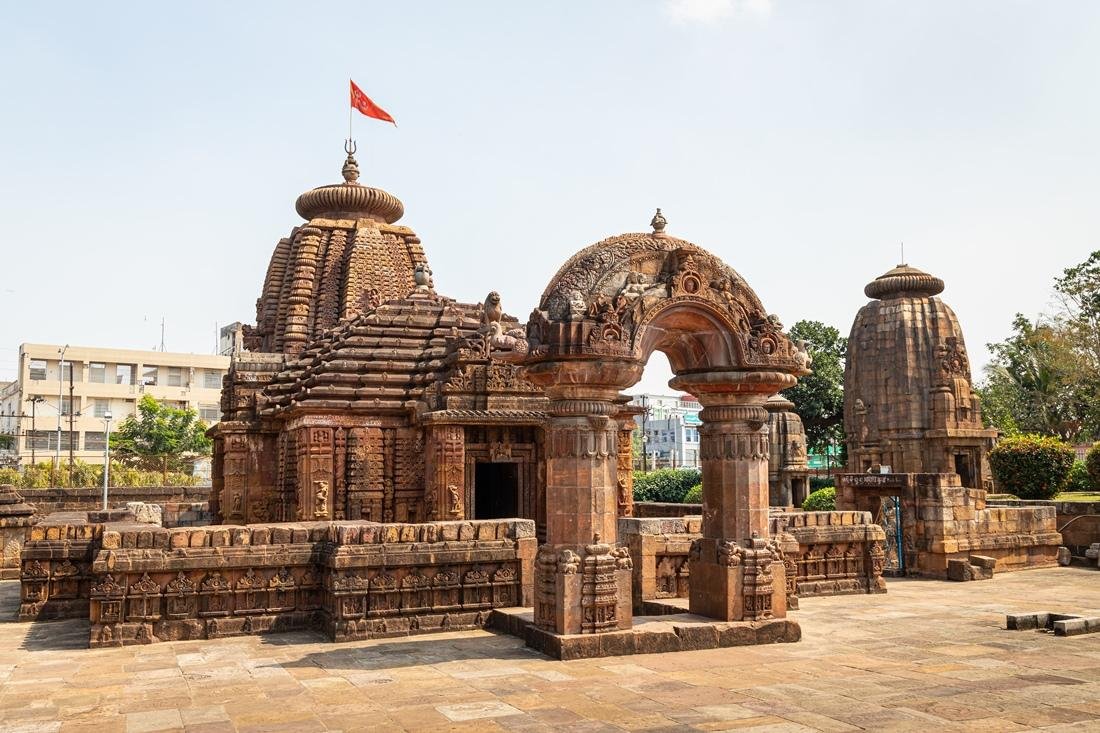
Mukteswar Temple – The Jewel of Kalinga Temple Architecture
Nestled in the heart of Bhubaneswar, Odisha, the Mukteswar Temple is one of India's finest examples of early medieval temple architecture. Built around the 10th century CE, this magnificent temple dedicated to Lord Shiva is often called the "Gem of Odisha Architecture" because of its elegant proportions, intricate carvings, and the famous ornamental stone arch known as the Torana.
Although relatively smaller than some of Bhubaneswar's grand temples, Mukteswar Temple is celebrated worldwide for its artistic perfection. Historians consider it a turning point in the evolution of Kalinga temple architecture, influencing the design of many temples built in Odisha during later centuries.
History of Mukteswar Temple
The Mukteswar Temple was constructed during the Somavamsi period in the 10th century CE, when Bhubaneswar was flourishing as a major centre of Shaivism. The temple reflects the maturity of Kalinga architecture, blending earlier design traditions with new artistic innovations.
Its name, "Mukteswar," translates to "Lord of Liberation", symbolizing Lord Shiva as the deity who grants moksha (spiritual liberation). Over the centuries, the temple has remained an active place of worship while also becoming one of Odisha's most treasured heritage monuments.
Religious Significance
Dedicated to Lord Shiva, Mukteswar Temple is considered highly auspicious by devotees seeking spiritual enlightenment, inner peace, and liberation from worldly attachments. Pilgrims offer prayers to the Shiva Linga and participate in daily rituals throughout the year.
The temple also plays an important role during Maha Shivaratri, when thousands of devotees gather to perform special prayers and night-long worship.
Architecture
Mukteswar Temple is regarded as the finest expression of Kalinga architecture. Its most distinctive feature is the beautifully carved Torana (arched gateway), an architectural element rarely found in Indian temples and considered one of Odisha's greatest artistic achievements.
The temple consists of a Vimana (sanctum) and a Jagamohana (assembly hall), both richly decorated with sculptures of Hindu deities, ascetics, celestial maidens, floral patterns, mythical creatures, and scenes from ancient scriptures.
Every inch of the sandstone structure showcases extraordinary craftsmanship. The lattice windows, decorative pillars, miniature shrines, and elaborate carvings display remarkable precision, making Mukteswar Temple an architectural masterpiece.
Main Attractions
- Iconic stone Torana (arched gateway).
- Ancient Shiva Linga.
- Magnificent Kalinga architecture.
- Intricately carved sandstone sculptures.
- Decorative lattice windows.
- Beautiful temple gardens.
- Miniature shrine carvings.
- Peaceful spiritual ambience.
- Historical inscriptions.
- Outstanding heritage photography opportunities.
Things to Do During Your Visit
- Offer prayers to Lord Shiva.
- Admire the famous Torana.
- Study the intricate stone carvings.
- Photograph the temple's architectural details.
- Attend the evening aarti.
- Spend time meditating in the temple premises.
- Explore nearby heritage temples.
- Visit during the Mukteswar Dance Festival.
- Learn about Kalinga architecture.
- Enjoy the peaceful surroundings.
Major Festivals Celebrated
- Maha Shivaratri.
- Mukteswar Dance Festival.
- Karthika Purnima.
- Shravana Mondays.
- Odisha Festival celebrations.
- Special Shiva Abhishekams.
Nearby Attractions
- Lingaraj Temple.
- Rajarani Temple.
- Parasurameswara Temple.
- Ananta Vasudeva Temple.
- Odisha State Museum.
- Bindu Sagar Lake.
- Ekamra Haat.
Best Time to Visit
The ideal time to visit is between October and February, when Bhubaneswar enjoys pleasant weather. The annual Mukteswar Dance Festival, usually held during winter, offers visitors a unique opportunity to witness classical dance performances against the backdrop of the illuminated temple.
Temple Timings
The temple generally remains open from early morning until evening, with regular poojas conducted throughout the day. Visitors are advised to check local timings during major festivals.
How to Reach
Mukteswar Temple is located in central Bhubaneswar, about 4 km from Bhubaneswar Railway Station and approximately 5 km from Biju Patnaik International Airport. Local buses, taxis, and auto-rickshaws provide easy access from all parts of the city.
Accommodation with Mudras Stays
Planning a heritage tour of Odisha? Mudras Stays offers comfortable accommodations with modern amenities, warm hospitality, and convenient access to Bhubaneswar's famous temples and cultural attractions. Whether you're travelling for pilgrimage, architecture, or sightseeing, Mudras Stays ensures a relaxing and memorable experience.
Travel Tips
- Visit early morning for peaceful darshan.
- Hire a local guide to understand the temple's architecture.
- Carry a camera for architectural photography.
- Wear comfortable footwear.
- Respect temple customs and photography restrictions inside the sanctum.
- Combine your visit with Lingaraj and Rajarani temples.
- Visit during the Mukteswar Dance Festival if possible.
- Carry drinking water during warmer months.
Why Visit Mukteswar Temple?
Mukteswar Temple is one of India's greatest architectural treasures. Its graceful proportions, world-famous Torana, intricate carvings, and spiritual atmosphere make it a must-visit destination for devotees, historians, photographers, and lovers of Indian heritage. The temple beautifully captures the artistic excellence of Odisha's golden age.
Conclusion
Mukteswar Temple stands as a timeless masterpiece of Kalinga architecture and a symbol of Odisha's rich spiritual heritage. Its exquisite craftsmanship, peaceful surroundings, and historical significance continue to inspire visitors from around the world. Complete your Bhubaneswar journey with the comfort and hospitality of Mudras Stays, making every heritage trip truly unforgettable.
Frequently Asked Questions (FAQs)
1. Why is Mukteswar Temple famous?
Mukteswar Temple is famous for its magnificent Kalinga architecture, intricate stone carvings, and the iconic Torana (arched gateway), considered one of Odisha's architectural masterpieces.
2. Which deity is worshipped here?
The temple is dedicated to Lord Shiva, worshipped as Mukteswar, meaning "Lord of Liberation."
3. When was Mukteswar Temple built?
The temple was constructed around the 10th century CE during the Somavamsi dynasty.
4. What is the best time to visit?
October to February offers pleasant weather, while the Mukteswar Dance Festival and Maha Shivaratri are the most popular times to visit.
5. Which nearby attractions should visitors explore?
Lingaraj Temple, Rajarani Temple, Parasurameswara Temple, Ananta Vasudeva Temple, Bindu Sagar Lake, Odisha State Museum, and Ekamra Haat are highly recommended.
6. How much time should visitors plan?
Visitors generally spend around 1–2 hours exploring the temple and appreciating its intricate architecture.
7. Why choose Mudras Stays?
Mudras Stays provides quality accommodations, modern amenities, and convenient access to Odisha's leading heritage and pilgrimage destinations, ensuring a comfortable and memorable travel experience.