
Pahalgam – A Scenic Himalayan Retreat on the Sacred Amarnath Yatra Route
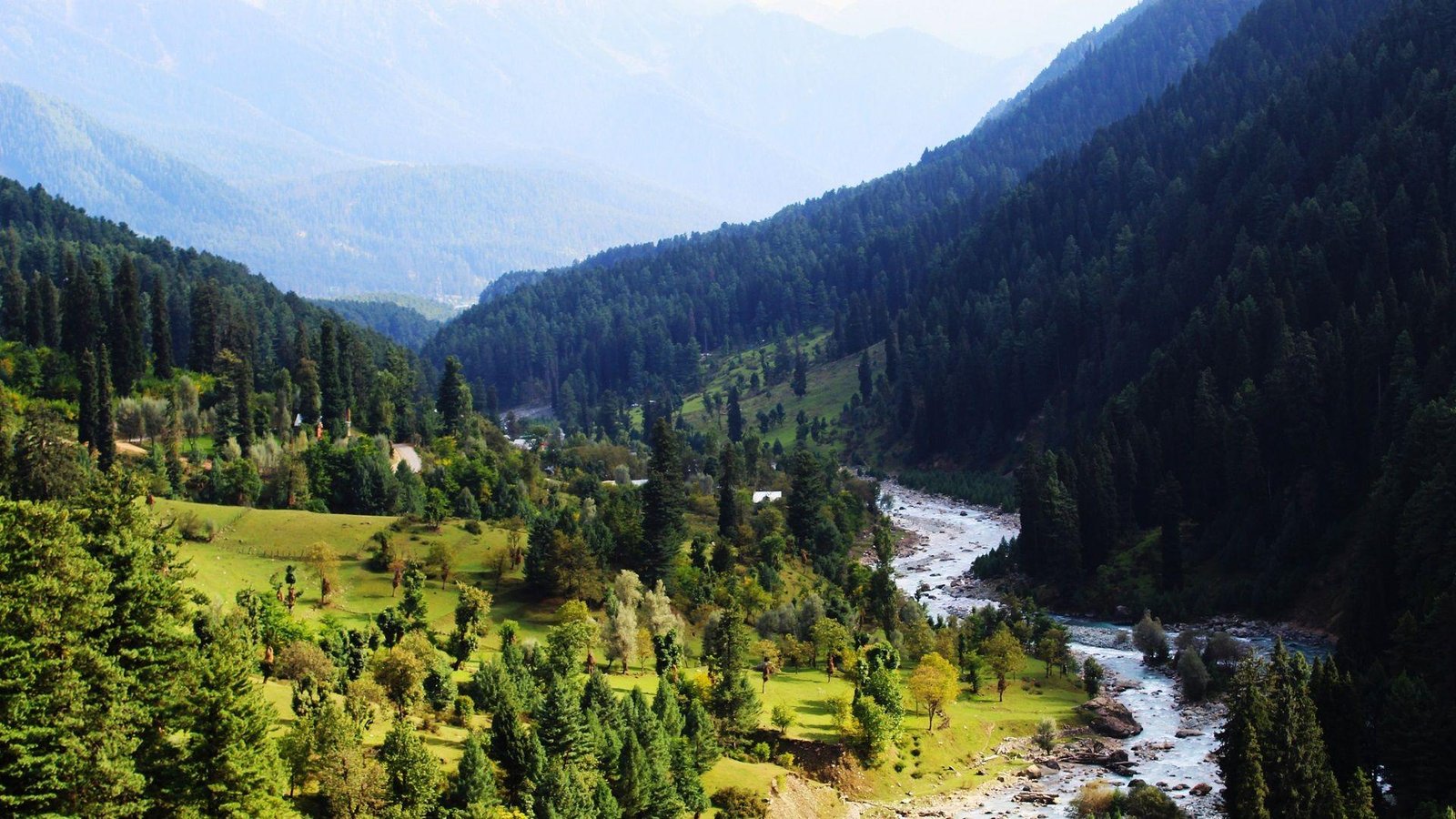
Pahalgam is one of Kashmir’s most beautiful mountain destinations and an important spiritual gateway for devotees undertaking the Shri Amarnath Ji Yatra. Surrounded by pine-covered mountains, alpine meadows and the flowing Lidder River, Pahalgam gives pilgrims an opportunity to combine temple darshan with peaceful sightseeing, family leisure and a comfortable stay amid nature.
Located in the Anantnag district of Jammu and Kashmir, Pahalgam developed from a traditional shepherd settlement into one of the Kashmir Valley’s best-known hill destinations. Situated at an elevation of approximately 2,130 metres, the town lies near the meeting point of streams associated with Sheshnag Lake and the Lidder River. Its cool climate, forested slopes and riverside scenery have made it a popular destination for pilgrims, families, couples and nature lovers.
For devotees travelling to the holy Amarnath Cave, Pahalgam is far more than a sightseeing stop. It forms the base of the traditional pilgrimage route that proceeds through Chandanwari, Pissu Top, Sheshnag and Panchtarni before reaching the sacred cave. The official Shri Amarnath Ji Shrine Board identifies the Pahalgam route as one of the two principal approaches to the shrine.
Travellers who are visiting nearby temples or completing the Amarnath Yatra can spend additional time in Pahalgam exploring its riverbanks, valleys, meadows, local market and ancient religious sites. By choosing a suitable hotel through MudrasStays, pilgrims can plan a journey that balances spirituality, rest, local sightseeing and meaningful family experiences.
Pahalgam and the Shri Amarnath Ji Yatra
Pahalgam holds a special place in the Amarnath pilgrimage because it serves as the gateway to the traditional and comparatively longer yatra route. The base camp for this axis is established at Nunwan near Pahalgam, from where pilgrims proceed towards Chandanwari and the higher-altitude stages of the journey.
The traditional route generally follows:
Pahalgam – Chandanwari – Pissu Top – Sheshnag – Panchtarni – Shri Amarnath Holy Cave
Chandanwari lies approximately 16 kilometres from Pahalgam, and transport arrangements operate between the two points during the pilgrimage season, subject to current rules and official instructions. From Chandanwari, pilgrims continue on the mountain route towards the holy cave.
Because the Amarnath Yatra involves high-altitude travel and significant physical exertion, pilgrims should not treat Pahalgam only as a transit point. Staying before the yatra allows devotees to rest, complete necessary preparations and adjust to the mountain environment. An additional stay after darshan can also provide valuable recovery time before returning towards Srinagar, Anantnag or Jammu.
Yatra dates, registration requirements, compulsory health documentation, permitted routes and movement schedules may change every season. Pilgrims should always follow the latest instructions issued by the Shri Amarnath Ji Shrine Board rather than relying only on general travel information.
A Peaceful Place to Rest Before or After Darshan
A pilgrimage to Shri Amarnath Ji may involve several days of walking, changing weather conditions, limited rest and movement across high-altitude terrain. Pahalgam offers a peaceful environment where travellers can prepare before the yatra or recover after completing darshan.
The sound of the Lidder River, the cool mountain air and the surrounding forests create a calming atmosphere. Families can walk beside the river, sit together in the meadows or enjoy a quiet day without following a demanding sightseeing schedule.
Pahalgam is particularly suitable for:
Amarnath pilgrims using the traditional route
Families travelling with senior citizens
Religious groups requiring accommodation near the yatra base
Travellers seeking rest after high-altitude pilgrimage
Devotees combining temple visits with Kashmir sightseeing
Couples and families extending their spiritual journey
Instead of beginning a long return journey immediately after darshan, pilgrims can spend one or two nights in Pahalgam and experience the quieter, restorative side of Kashmir.
Visit Mamleshwar Temple in Pahalgam
Pahalgam has its own sacred attractions, including the ancient Mamleshwar Temple, also written as Mamaleshwar or Mamal Temple. Dedicated to Lord Shiva, the shrine forms an important part of Pahalgam’s spiritual landscape and is especially relevant for devotees travelling on the Amarnath pilgrimage route.
The temple offers pilgrims another opportunity to seek the blessings of Lord Shiva before beginning the yatra or after returning from the holy cave. Incredible India identifies Mamleshwar Temple among the important spiritual places around Pahalgam, alongside the wider Amarnath pilgrimage tradition.
The comparatively peaceful environment around the temple allows visitors to pray without the intensity of a large pilgrimage camp. Devotees should maintain appropriate decorum, dress respectfully and follow local temple customs during their visit.
A temple-focused itinerary can include:
Mamleshwar Temple – Pahalgam – Chandanwari – Shri Amarnath Ji Yatra
Relax Beside the Lidder River
The Lidder River is one of the defining natural features of Pahalgam. Flowing through the valley amid forests, meadows and mountain slopes, the river provides a beautiful setting for walks, photography and quiet family time.
The river originates through glacial systems associated with Kolahoi and Sheshnag and flows through the wider Lidder Valley before joining the Jhelum system. Its clear mountain water and pine-covered surroundings give Pahalgam much of its scenic character.
After temple darshan or yatra preparation, visitors can spend time walking beside the river, enjoying tea at a nearby café or simply sitting quietly while listening to the water.
Seasonal activities such as rafting and angling may be available under authorised arrangements. Availability depends on weather, water levels, permits and local operating conditions. Visitors should use recognised operators and avoid approaching the river during heavy rain or strong currents.
Explore Betaab Valley
Betaab Valley is one of the most famous sightseeing destinations near Pahalgam. It is known for green meadows, the Lidder River, forested slopes and snow-covered mountain views. The valley takes its popular name from the Hindi film Betaab, which was filmed in the region.
Families visiting Pahalgam after Amarnath darshan can spend a few relaxed hours in Betaab Valley, enjoying the landscape, walking through the developed areas and taking photographs.
The valley is especially suitable for visitors who want a scenic experience without undertaking a difficult trek. However, walking surfaces and weather conditions may still vary, so elderly travellers should use appropriate footwear and move at a comfortable pace.
Visit Aru Valley
Aru Valley is a picturesque village and meadow destination near Pahalgam, surrounded by mountains, forests and open grasslands. It is also used as a starting point for several trekking routes, including journeys towards the Kolahoi Glacier region.
For pilgrims, Aru Valley provides a peaceful leisure experience after the intensity of temple travel. Visitors can enjoy nature walks, photography, village scenery and views of the surrounding Himalayan landscape.
Aru is suitable for families who want to spend a full or half day away from the busier centre of Pahalgam. Travellers should confirm local transportation arrangements before departure, as vehicle-access rules and permitted taxi services may vary.
Discover Baisaran Valley
Baisaran Valley is a broad meadow surrounded by dense pine forests and mountains. Often promoted as a scenic meadow excursion from Pahalgam, it is commonly reached through a trek or pony ride, depending on local conditions and visitor preferences. The Anantnag district tourism portal describes Baisaran as a meadow offering views over Pahalgam and the Lidder Valley.
Baisaran is particularly attractive to families, younger travellers and photography enthusiasts. Its open landscape creates a peaceful setting for spending time away from busy roads and markets.
Pilgrims should choose only authorised pony operators, agree on charges and route details beforehand and avoid travelling during poor weather. Senior citizens or visitors with mobility limitations should assess the terrain carefully before planning the excursion.
Visit Chandanwari
Chandanwari is closely connected with both the religious and leisure identity of Pahalgam. It marks the starting point of the trekking portion of the traditional Amarnath Yatra route and lies approximately 16 kilometres from Pahalgam. The journey follows scenic stretches of the Lidder Valley and offers views of the surrounding mountains.
During the yatra season, Chandanwari becomes an important movement point for pilgrims. Outside or around the pilgrimage period, it is also visited for mountain scenery, seasonal snow and short nature excursions.
Travellers should remember that access, movement timings and vehicle rules may change during the Amarnath Yatra because of security and administrative arrangements. Official yatra instructions should always take priority over ordinary sightseeing plans.
Include Martand Sun Temple and Mattan in the Journey
Travellers approaching Pahalgam through Anantnag can extend their temple itinerary by visiting the historic Martand Sun Temple and the sacred site at Mattan.
The Martand Sun Temple is an important ancient temple complex dedicated to Surya, the Sun God. Its surviving stone architecture represents a significant chapter in Kashmir’s religious and architectural heritage. The Anantnag district administration identifies it as an eighth-century Hindu temple noted for its monumental stone columns and distinctive Kashmiri architectural style.
Mattan is another recognised pilgrimage site in the Anantnag region and is associated with a sacred spring. It is traditionally visited by some pilgrims travelling towards the Amarnath route.
A broader pilgrimage and leisure circuit may include:
Martand Sun Temple – Mattan Temple – Pahalgam – Mamleshwar Temple – Chandanwari – Shri Amarnath Holy Cave
Local Shopping in Pahalgam
Pahalgam’s local shops and market areas give visitors an opportunity to purchase products associated with Kashmir’s craft traditions. Depending on availability, travellers may find:
Kashmiri shawls and stoles
Embroidered phirans
Woollen clothing
Walnut-wood products
Papier-mâché items
Dry fruits and walnuts
Saffron and local food products
Prayer items and pilgrimage souvenirs
Kashmiri textiles, walnut woodwork, papier-mâché crafts and copperware are among the regional products highlighted by India’s official tourism portal.
Pilgrims should compare prices and quality before buying expensive products. Bills should be requested for higher-value purchases, particularly shawls, carpets, jewellery or saffron.
Food to Experience in Pahalgam
Pahalgam offers Kashmiri, North Indian and vegetarian dining options across hotels, restaurants and local eateries. Visitors may enjoy dishes and beverages such as:
Kashmiri dum aloo
Rajma and rice
Nadru preparations
Rogan josh
Yakhni
Wazwan dishes
Kahwa
Noon chai
Fresh bread and local snacks
Kahwa, noon chai and traditional Kashmiri cuisine form an important part of the destination’s food experience.
Pilgrims following a vegetarian or satvik diet should confirm ingredients before ordering. During the Amarnath Yatra, langars may operate along designated stretches of the route, but their location and availability should be verified through current yatra information.
Best Time to Visit Pahalgam
Pahalgam presents a different experience in every season.
Spring and Early Summer
The meadows become greener, roads are generally more accessible and destinations such as Aru, Betaab Valley and Baisaran attract family travellers.
Amarnath Yatra Season
Pahalgam becomes an important pilgrimage hub during the officially announced yatra period. Accommodation and transport demand may rise considerably, making advance planning essential.
Autumn
The weather is cooler, landscapes begin to change colour and the destination may offer clearer views and a quieter atmosphere.
Winter
Snow can transform Pahalgam into a beautiful winter destination. However, road conditions, temperature and access to outer attractions can be affected. Travellers should carry suitable winter clothing and confirm local conditions before departure.
Mountain weather can change quickly in every season. Pilgrims should carry essential medicines, warm layers and rain protection even during warmer months.
Suggested Pahalgam Pilgrimage and Leisure Itinerary
Day 1: Arrival and Rest
Reach Pahalgam, check into your hotel and rest after the road journey. Spend the evening beside the Lidder River or explore the local market.
Day 2: Temple and Valley Sightseeing
Visit Mamleshwar Temple and seek the blessings of Lord Shiva. Continue towards Betaab Valley, Aru Valley or Baisaran according to your interests and mobility.
Day 3: Amarnath Yatra Preparation
Complete registration-related formalities as applicable, confirm transport and route arrangements and prepare all necessary clothing, medicines and documents.
Following Days: Shri Amarnath Ji Yatra
Proceed through the officially designated Pahalgam route according to Shrine Board instructions.
Recovery Stay
After returning from darshan, stay in Pahalgam for proper rest before beginning the onward journey.
How to Reach Pahalgam
Pahalgam is connected by road with Anantnag and other parts of the Kashmir Valley. The district tourism portal places it approximately 43 kilometres from Anantnag district headquarters, while Srinagar serves as the principal air gateway for most long-distance travellers.
Visitors generally reach Pahalgam through:
Private taxi from Srinagar
Taxi or road transport from Anantnag
Pre-arranged pilgrimage transport
Personal vehicle, subject to local access rules
Organised Amarnath Yatra arrangements
During the yatra season, travellers should expect checkpoints, scheduled movement and possible traffic restrictions. Additional travel time should be maintained.
Where to Stay in Pahalgam
Pahalgam offers hotels, resorts, guesthouses and other accommodation options across different budgets. Pilgrims should select a property according to the purpose of their journey rather than considering price alone.
Important factors include:
Distance from the Nunwan yatra base
Access to the local market
Availability of vegetarian meals
Hot-water facilities
Vehicle and taxi accessibility
Heating during colder periods
Family-room availability
Assistance for senior citizens
Secure luggage storage during the yatra
Proximity to Mamleshwar Temple or the Lidder River
Travellers undertaking the Amarnath Yatra should preferably book accommodation well in advance because demand can rise significantly during the pilgrimage season.
Book Hotels in Pahalgam with MudrasStays
MudrasStays helps pilgrims discover accommodation near temples, sacred destinations and the leisure attractions surrounding important religious routes.
Travellers planning a Pahalgam and Amarnath journey can use MudrasStays to explore:
Hotels in Pahalgam near the Amarnath Yatra route
Stays near Nunwan base camp
Accommodation near Mamleshwar Temple
Family hotels near the Lidder River
Hotels near Chandanwari
Pilgrimage-friendly stays for senior citizens
Properties near Betaab Valley and Aru Valley
Comfortable accommodation before and after Amarnath darshan
Choosing a suitable stay can reduce unnecessary travel, give pilgrims sufficient recovery time and make the overall journey safer and more comfortable.
Pahalgam is more than a hill station. It is a sacred gateway where the devotion of the Amarnath Yatra meets the natural beauty of Kashmir. Pilgrims can pray at Mamleshwar Temple, prepare for the holy cave journey, walk beside the Lidder River and explore beautiful places such as Betaab Valley, Aru, Baisaran and Chandanwari.
By adding Pahalgam to your temple itinerary and booking the right accommodation through MudrasStays, your pilgrimage can become a complete spiritual and leisure journey filled with darshan, nature, family time and meaningful rest.