Raghunath Bazaar – Jammu’s Famous Temple Market Near Raghunath Mandir
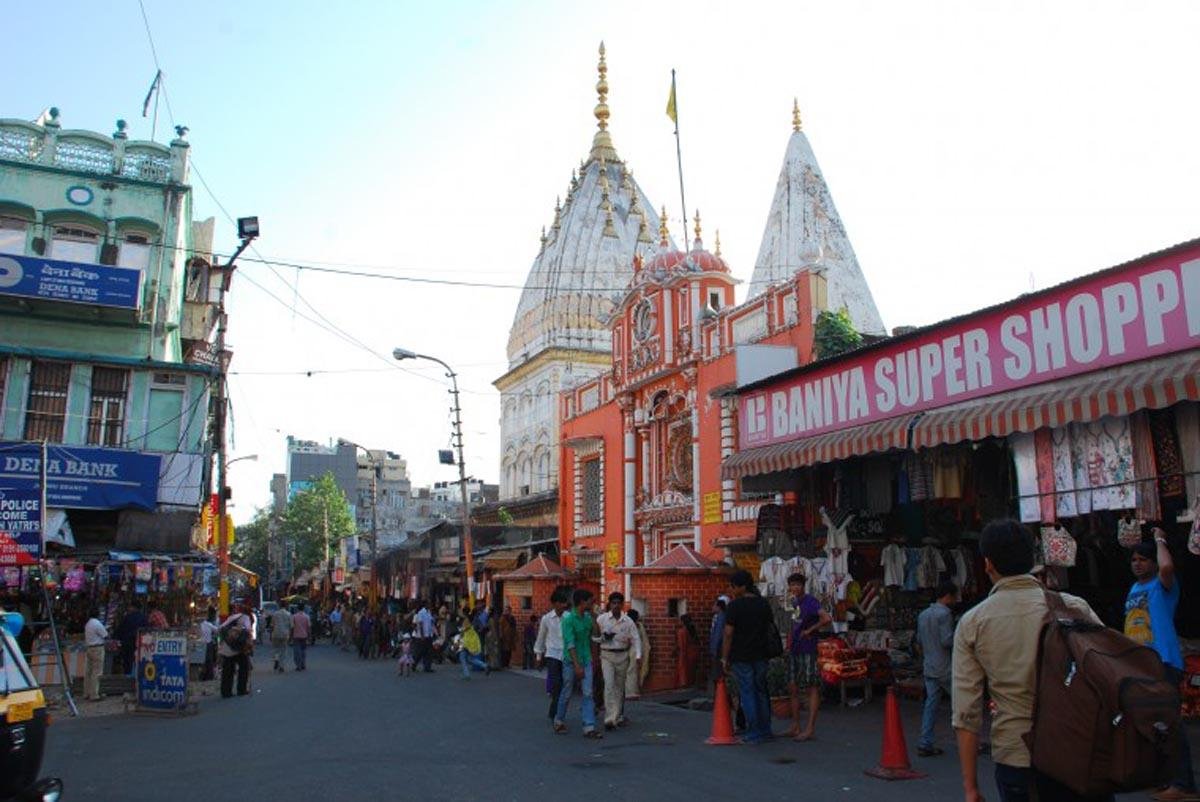
Raghunath Bazaar is one of the oldest, busiest and most culturally significant shopping areas in Jammu. Located around the historic **Raghunath Temple** in the heart of the city, the market brings together pilgrimage, traditional shopping, local food and the everyday culture of Jammu.
The bazaar originally developed around shops selling prasad and religious offerings to devotees visiting Raghunath Temple. Over time, it expanded into one of Jammu’s leading commercial areas, with shops offering dry fruits, Kashmiri handicrafts, traditional Dogra jewellery, shawls, clothing, sweets, devotional products and household goods.
For pilgrims visiting **Raghunath Temple**, exploring the bazaar after darshan is one of the most convenient ways to experience Jammu beyond its shrines. Devotees can purchase prasad, shop for gifts, taste local sweets and carry home regional products without travelling to a separate market.
Raghunath Bazaar is also useful for travellers undertaking the **Mata Vaishno Devi Yatra**. Pilgrims arriving in Jammu by train or flight can stay in the city, visit Raghunath Temple, shop in the bazaar and then continue towards Katra. Those returning from Vaishno Devi can visit the market before beginning their journey home.
Travellers looking for hotels near Raghunath Bazaar, family accommodation near Raghunath Temple or comfortable stays around Jammu’s pilgrimage circuit can explore suitable options through **MudrasStays**.
## Visit Raghunath Bazaar After Raghunath Temple Darshan
The strongest spiritual connection of Raghunath Bazaar is with the adjoining **Raghunath Temple**, one of the most prominent temple complexes in northern India.
The temple complex consists of seven principal shrines, each crowned by its own shikhara. Lord Rama, an incarnation of Lord Vishnu, is worshipped as the presiding deity, while Mata Sita, Shri Lakshman Ji and several other Hindu deities are also enshrined within the complex.
After completing darshan, pilgrims can step directly into the surrounding market. This makes Raghunath Bazaar an easy addition to a temple itinerary, especially for families travelling with children or senior citizens.
A simple temple and shopping plan can include:
**Raghunath Temple Darshan – Prasad Shopping – Raghunath Bazaar – Local Vegetarian Meal**
The market can be explored at a relaxed pace, allowing pilgrims to purchase devotional items, compare dry-fruit shops and enjoy Jammu’s local atmosphere.
## Buy Prasad and Religious Items
Raghunath Bazaar has maintained its connection with temple worship since its earliest development. Shops around the temple continue to offer prasad, puja materials and religious souvenirs for devotees.
Visitors may find:
* Raghunath Temple prasad
* Puja thalis
* Incense sticks
* Diyas and camphor
* Sacred threads
* Coconuts and temple offerings
* Lord Rama idols
* Mata Sita and Lakshman Ji images
* Hanuman Ji idols and photographs
* Religious pendants and lockets
* Prayer books
* Framed devotional pictures
* Decorative items for home temples
* Mata Vaishno Devi souvenirs
Pilgrims can purchase prasad after darshan or buy devotional items before continuing towards other temples in Jammu.
Travellers carrying sweets or prasad over a long distance should check the packaging, shelf life and storage instructions before purchasing.
## Shop for Jammu’s Famous Dry Fruits
Raghunath Bazaar is particularly well known for its traditional dry-fruit shops. Walnuts and almonds are among the most popular products purchased by pilgrims, although many stores also sell cashews, raisins, pistachios, dried figs and other packaged goods.
Visitors may shop for:
* Kashmiri walnuts
* Almonds
* Cashews
* Pistachios
* Raisins
* Dried figs
* Mixed dry-fruit boxes
* Saffron
* Honey
* Kahwa blends
* Regional spices
Dry fruits are convenient pilgrimage gifts because they are easy to carry and closely associated with Jammu and Kashmir.
Travellers should compare product quality, grading, weight and prices before buying. Premium products such as saffron, walnuts and almonds should preferably be purchased in sealed packaging from an established seller.
A proper bill should be requested for expensive or bulk purchases.
## Explore Kashmiri Handicrafts
Raghunath Bazaar offers a variety of handicrafts and decorative products associated with Jammu and Kashmir. These products allow visitors to carry home something reflecting the region’s artistic traditions.
Depending on the shop and season, visitors may find:
* Kashmiri shawls
* Embroidered stoles
* Woollen garments
* Phirans
* Handwoven carpets
* Rugs
* Walnut-wood products
* Decorative wooden boxes
* Papier-mâché items
* Embroidered bags
* Traditional home décor
* Handcrafted gift items
Travellers purchasing costly shawls, carpets or handicrafts should ask about the material, craftsmanship and place of manufacture.
Terms such as “Pashmina” may be used loosely in tourist markets, so visitors should verify quality carefully and request documentation for high-value purchases.
## Discover Traditional Dogra Jewellery
Raghunath Bazaar is also known for jewellery inspired by the traditional culture of Jammu’s Dogra community.
Visitors may find:
* Traditional necklaces
* Earrings
* Bangles
* Silver-coloured jewellery
* Decorative hair accessories
* Bridal jewellery
* Regional design-inspired ornaments
* Modern fashion accessories
Traditional Dogra-style jewellery can make a meaningful gift for travellers who want to purchase something specifically connected with Jammu’s cultural identity.
When buying precious metals or expensive pieces, visitors should choose a reputable seller, verify applicable hallmarking and retain the purchase bill.
## Shop for Shawls, Clothing and Woollen Products
The market contains stores selling traditional and modern clothing, making it useful for both pilgrims and general travellers.
Depending on availability, shoppers may find:
* Kashmiri shawls
* Woollen stoles
* Sweaters
* Jackets
* Caps and gloves
* Socks
* Embroidered garments
* Traditional suits
* Readymade clothing
* Bags and accessories
Winter products are particularly useful for travellers continuing towards Patnitop, Kashmir or the higher pilgrimage areas.
Visitors should check fabric quality, size and exchange policies before making a purchase.
## Taste Jammu’s Famous Sweets
Raghunath Bazaar is also associated with traditional sweets, especially different varieties of burfi. Sweet shops around the market offer pilgrims an opportunity to taste local preparations or purchase packed boxes for family members.
Depending on the outlet, visitors may find:
* Burfi
* Patisa
* Kalakand
* Peda
* Laddoo
* Jalebi
* Gulab jamun
* Sund panjiri
* Milk-based sweets
* Packaged gift boxes
Sweets can be enjoyed after temple darshan or carried home as a pilgrimage gift.
Travellers should check when the sweets were prepared, their expected shelf life and whether refrigeration is required. Fresh milk-based sweets should not be carried for long journeys without proper storage.
## Enjoy Local Vegetarian Food
The area around Raghunath Bazaar offers vegetarian restaurants, snack shops, sweet shops and simple local eateries.
Pilgrims may find food such as:
* Rajma chawal
* Kadhi chawal
* Dal and rice
* Poori sabzi
* Chole bhature
* Aloo paratha
* Paneer dishes
* Vegetarian thali
* Kaladi kulcha
* Tea and coffee
* Lassi
* Local sweets
Rajma chawal is among the most recognisable dishes associated with Jammu, while Kaladi is a traditional local cheese that may be served with bread or kulcha.
Pilgrims following a strict satvik diet should confirm whether onion and garlic are used. Families travelling with children or elderly members should prefer established eateries and freshly prepared meals.
## Experience the Traditional Atmosphere of Old Jammu
Raghunath Bazaar is not merely a shopping destination. Its atmosphere reflects the history, faith and commercial life of Jammu.
The temple shikharas rising above the market, shops selling prasad, old dry-fruit stores, traditional jewellery outlets and the movement of devotees create a distinctive pilgrimage-market experience.
Visitors can observe how the market has developed around the temple and continues to serve local residents as well as travellers from across India.
The bazaar becomes particularly lively during:
* Ram Navami
* Navratri
* Major Hindu festivals
* Mata Vaishno Devi pilgrimage periods
* Weekends
* School holidays
* Tourist seasons
During busy periods, visitors should allow additional time for temple security, pedestrian movement, shopping and traffic.
## Add Raghunath Bazaar to a Mata Vaishno Devi Itinerary
Jammu is an important gateway for pilgrims travelling towards **Mata Vaishno Devi Temple in Katra**. Many devotees arrive through Jammu Tawi Railway Station or Jammu Airport before continuing by road or rail to Katra.
Pilgrims with additional time can include Raghunath Temple and Raghunath Bazaar before or after the Vaishno Devi Yatra.
### Before the Vaishno Devi Yatra
A convenient itinerary may include:
**Arrival in Jammu – Hotel Check-in – Raghunath Temple Darshan – Raghunath Bazaar – Travel to Katra**
Pilgrims should avoid carrying heavy shopping bags during the Vaishno Devi trek. Larger purchases can be stored securely at the hotel or made after completing the yatra.
### After the Vaishno Devi Yatra
Travellers returning from Katra can stay in Jammu for one night, visit Raghunath Temple and complete their dry-fruit, sweet and souvenir shopping before taking their onward train or flight.
This is often the more convenient arrangement because visitors do not need to carry their purchases during the pilgrimage.
## Combine Raghunath Bazaar with Jammu’s Temple Circuit
Raghunath Bazaar can be included in a broader sightseeing and temple itinerary across Jammu.
### Raghunath Temple
Begin with darshan at the temple situated within the bazaar. The complex is dedicated primarily to Lord Rama and contains shrines devoted to several Hindu deities.
### Ranbireshwar Temple
Ranbireshwar Temple is one of Jammu’s prominent Shiva temples. Devotees can visit the shrine before or after exploring Raghunath Bazaar.
### Peer Kho Cave Temple
Peer Kho is a revered Shiva shrine located within a natural cave setting. Its peaceful environment provides a contrast to the busy commercial character of central Jammu.
### Bawe Wali Mata Temple
Situated within Bahu Fort, Bawe Wali Mata Temple is dedicated to Goddess Kali and is one of Jammu’s most important sacred destinations.
### Bagh-e-Bahu
After Bawe Wali Mata darshan, families can relax in the adjoining Bagh-e-Bahu garden and enjoy views of the Tawi River.
A suitable full-day route may include:
**Raghunath Temple – Raghunath Bazaar – Ranbireshwar Temple – Peer Kho Cave Temple – Bawe Wali Mata Temple – Bagh-e-Bahu**
This itinerary combines Lord Rama, Lord Shiva and Goddess worship with shopping, local food and family leisure.
## Difference Between Raghunath Bazaar and Katra Main Bazaar
Both markets are relevant to pilgrims, but they offer different shopping experiences.
### Raghunath Bazaar Is Best For:
* Shopping after Raghunath Temple darshan
* Dry fruits and walnuts
* Dogra jewellery
* Kashmiri handicrafts
* Shawls and clothing
* Jammu sweets
* General city shopping
* Exploring the culture of old Jammu
### Katra Main Bazaar Is Best For:
* Mata Vaishno Devi prasad
* Yatra souvenirs
* Pilgrimage essentials
* Raincoats and walking sticks
* Religious clothing
* Shopping immediately before or after the Vaishno Devi Yatra
Travellers staying in both Jammu and Katra can explore each market for a different experience.
## Best Time to Visit Raghunath Bazaar
Raghunath Bazaar can be explored throughout the year.
Morning hours are suitable for visitors who want to complete temple darshan before the market becomes busier. Late afternoon and evening generally offer a livelier shopping atmosphere.
During summer, Jammu can become hot, so morning or evening visits may be more comfortable. Winter is generally pleasant for daytime shopping, although mornings and evenings can be cold.
Festivals and pilgrimage seasons may bring larger crowds. Visitors should allow additional time for:
* Temple security checks
* Vehicle restrictions
* Parking
* Pedestrian congestion
* Restaurant waiting times
* Shopping during festival periods
Individual shop timings vary, so travellers should confirm locally when visiting a particular store.
## Shopping Tips for Pilgrims
Visitors can make their Raghunath Bazaar experience more comfortable by following a few practical precautions:
* Compare prices before purchasing expensive items.
* Check dry-fruit quality and weight carefully.
* Purchase saffron only from a reliable seller.
* Verify fabric claims when buying shawls.
* Ask for bills for high-value purchases.
* Check the shelf life of sweets and food products.
* Confirm digital-payment availability.
* Keep wallets and mobile phones secure.
* Avoid carrying excessive cash.
* Ask about return or exchange policies.
* Store heavy purchases at the hotel.
* Keep children and senior citizens close in crowded lanes.
Pilgrims should purchase official pilgrimage services only through authorised channels and avoid relying on unknown agents operating around busy markets.
## How Much Time to Spend at Raghunath Bazaar
Travellers can generally keep around two to four hours for temple darshan, shopping and a meal.
More time may be required when:
* Comparing dry-fruit shops
* Purchasing shawls or jewellery
* Visiting during a festival
* Dining with a large family
* Travelling with children or senior citizens
* Combining the market with other Jammu temples
Visitors should not schedule the market visit too close to a train, flight or fixed departure for Katra.
## How to Reach Raghunath Bazaar
Raghunath Bazaar is located in central Jammu around Raghunath Temple. It can be reached by taxi, auto-rickshaw, local transport or private vehicle, subject to current traffic and access arrangements.
Travellers can reach the market from:
* Jammu Tawi Railway Station
* Jammu Airport
* Jammu Bus Stand
* Residency Road
* Hari Market
* Hotels in central Jammu
Vehicle access and parking arrangements may change during festivals, security restrictions and busy shopping periods. Visitors may need to walk through some sections of the market.
Travellers should ask their hotel or driver about the most convenient drop-off point near Raghunath Temple.
## Where to Stay Near Raghunath Bazaar
Staying near Raghunath Bazaar is convenient for travellers who want easy access to temples, shopping, food and transport.
A centrally located hotel can provide convenient access to:
* Raghunath Temple
* Raghunath Bazaar
* Ranbireshwar Temple
* Jammu’s local restaurants
* Railway-station transport
* Taxis for Katra
* Dry-fruit and handicraft shops
Before booking, travellers should check:
* Actual distance from Raghunath Temple
* Family-room availability
* Lift or ground-floor access
* Vegetarian food facilities
* Secure luggage storage
* Parking or taxi access
* Railway-station transfers
* Airport transfers
* Flexible check-in and check-out
* Assistance for senior citizens
Pilgrims whose main purpose is Mata Vaishno Devi darshan should normally book an additional stay in Katra for the yatra portion of the journey.
## Book Hotels Near Raghunath Bazaar with MudrasStays
**MudrasStays** helps pilgrims discover suitable accommodation near temples, sacred markets and important pilgrimage routes.
Travellers visiting Jammu can use MudrasStays to explore:
* Hotels near Raghunath Bazaar
* Family stays near Raghunath Temple
* Accommodation near Ranbireshwar Temple
* Hotels near Jammu Tawi Railway Station
* Stays near Bawe Wali Mata Temple
* Hotels on the Jammu–Katra pilgrimage route
* Accommodation for Mata Vaishno Devi pilgrims
* Properties suitable for families and senior citizens
Choosing accommodation near the temple and market allows visitors to complete darshan, enjoy local food and shop without unnecessary travel across the city.
Raghunath Bazaar is more than a commercial market. It is an extension of the Raghunath Temple pilgrimage—a place where devotion meets Jammu’s traditional trade, handicrafts, food and local culture.
By visiting Raghunath Bazaar after temple darshan and booking a convenient stay through **MudrasStays**, pilgrims can turn a short stop in Jammu into a complete spiritual, shopping and cultural experience.