Chandi Devi Aarti: Powerful Shakti Worship Above Haridwar
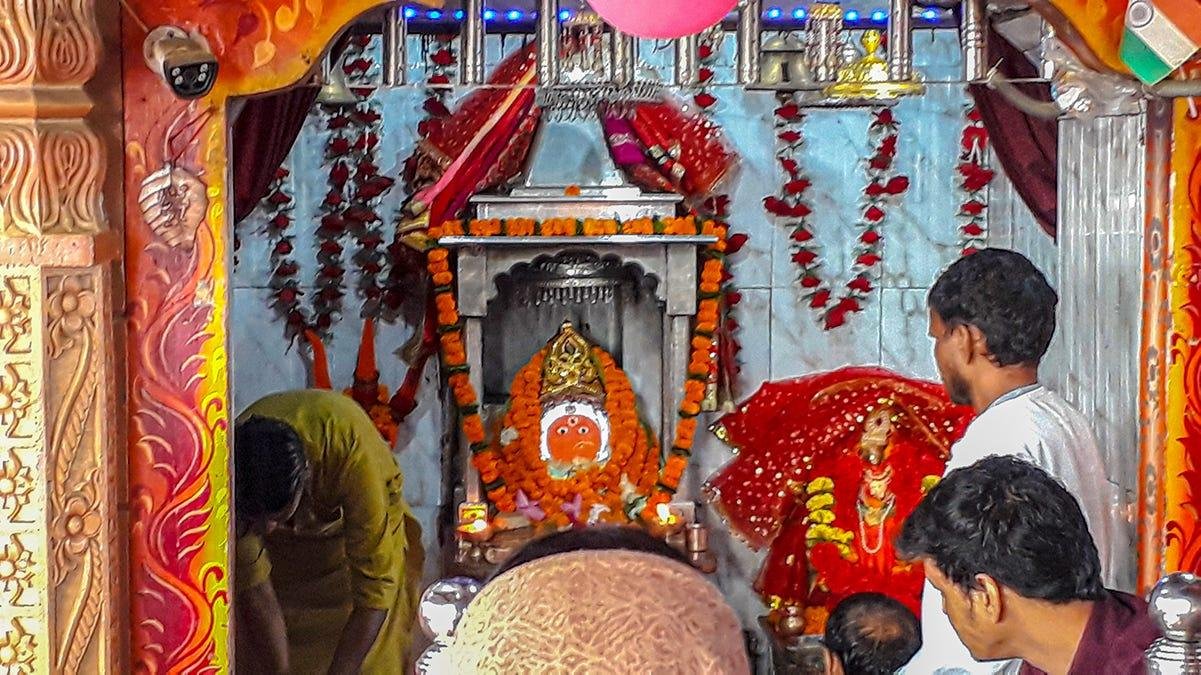
The Chandi Devi Aarti is a sacred daily ceremony performed before Maa Chandi Devi at her hilltop shrine on Neel Parvat in Haridwar. Through glowing lamps, temple bells, incense, flowers, conch sounds and devotional chants, priests and devotees honour the goddess as a powerful manifestation of Shakti.
The ceremony is known for its intense yet uplifting atmosphere. As the Aarti lamp moves before the decorated image of Maa Chandi, worshippers fold their hands, repeat the goddess’s name and silently offer their fears, responsibilities and prayers to her.
Maa Chandi is worshipped as a fierce form of the Divine Mother who destroys harmful forces and protects those following the path of righteousness. Devotees attend the Aarti to seek courage, mental strength, family protection and the confidence to face difficult situations.
The shrine stands on Neel Parvat in Haridwar and is recognised as one of the city’s important Siddha Peeth temples. Uttarakhand Tourism associates the site with the tradition that Goddess Chandi rested here after defeating the demons Shumbha and Nishumbha. :contentReference[oaicite:1]{index=1}
Although the temple receives large numbers of pilgrims, the Aarti remains a focused act of worship rather than a public performance. The flame, mantras and bells direct attention towards the goddess and create a shared devotional experience.
History of Chandi Devi Temple and Its Aarti Tradition
The present temple structure is traditionally associated with Suchat Singh, a ruler of Kashmir, who built it in 1929. The sacred idol is believed in temple tradition to have been established much earlier by Adi Shankaracharya during the eighth century. These accounts form an important part of the shrine’s religious heritage. :contentReference[oaicite:2]{index=2}
The precise date on which the daily Chandi Devi Aarti began is not documented. The ceremony developed as part of the temple’s continuing Shakta worship tradition, in which the goddess is awakened, decorated, offered food and honoured with sacred light during the day.
The legend associated with Maa Chandi gives the Aarti its powerful character. According to tradition, the demons Shumbha and Nishumbha attempted to dominate the celestial world. The Divine Mother appeared in a fierce form, defeated the forces of disorder and restored balance.
Neel Parvat is believed to be connected with the place where the goddess rested after the battle. For devotees, the location therefore symbolises victory after struggle, calmness after conflict and the restoration of spiritual order. :contentReference[oaicite:3]{index=3}
The daily Aarti carries this message forward. Priests offer light before Maa Chandi while worshippers pray for the strength to overcome fear, confusion, injustice and harmful tendencies within themselves.
Spiritual Significance of Chandi Devi Aarti
Aarti is the ceremonial offering of light before a deity. The flame represents knowledge, divine awareness and the removal of inner darkness. At Chandi Devi Temple, it also represents courage and the power to confront difficulties with discipline.
The circular movement of the lamp symbolises the belief that every aspect of life revolves around the divine. Devotees mentally offer their thoughts, actions, achievements and anxieties to Maa Chandi while seeking her guidance.
The bells rung during the ceremony help draw attention away from ordinary distractions. Their rhythmic sound marks the temple as a sacred space and encourages worshippers to remain mentally present.
Incense represents purification and the gradual elevation of prayer. Flowers express love and surrender, while the conch shell announces an auspicious moment and creates a deep vibration throughout the shrine.
Maa Chandi’s fierce form should not be understood as uncontrolled anger. It symbolises the divine force that removes arrogance, injustice, fear and negativity. Her Aarti encourages devotees to develop courage without aggression and strength without cruelty.
The ceremony also teaches that meaningful change requires action. Devotees may seek the goddess’s blessings, but the deeper spiritual message is to face challenges honestly and perform one’s duties with determination.
Benefits of Attending Chandi Devi Aarti
The benefits associated with attending the Aarti arise from devotion, concentration and spiritual reflection. They should not be considered guaranteed financial, medical or material outcomes.
- Inner strength: Worship of Maa Chandi inspires devotees to face challenges with courage.
- Spiritual peace: The combination of lamps, bells and mantras can calm a distracted mind.
- Positive energy: Collective prayer creates an uplifting and emotionally supportive atmosphere.
- Protection: Pilgrims seek the goddess’s blessings before journeys and major responsibilities.
- Stronger devotion: Participating in the ritual deepens the worshipper’s connection with the Divine Mother.
- Emotional clarity: Silent prayer during the Aarti provides time to examine fears and decisions.
- Community worship: Praying with pilgrims from different regions creates a shared feeling of faith.
- Cultural understanding: Visitors experience an active Himalayan Shakti tradition rather than only seeing a historic shrine.
What Makes Chandi Devi Aarti Special?
Worship on Neel Parvat
The hilltop setting gives the Chandi Devi Aarti a distinctive atmosphere. The temple stands above Haridwar, with views of the Ganga plains and surrounding Shivalik landscape. The sense of elevation adds to the feeling of entering a sacred space removed from ordinary activity.
The Fierce Form of the Divine Mother
Maa Chandi is worshipped as a powerful form of Goddess Durga. Her Aarti carries an energetic character centred on protection, courage and victory over negative forces.
Traditional Priestly Rituals
Temple priests prepare the shrine, decorate the goddess, present flowers and incense, chant prayers and move the sacred lamp before the deity. The sequence follows the temple’s established Shakta worship tradition.
Sacred Aarti Lamps
A brass lamp containing ghee or oil forms the centre of the ceremony. The priest may use a single-wick lamp or a larger multi-wick lamp, depending on the time, crowd and festival arrangements.
Conch Shells and Temple Bells
Bells are rung throughout the Aarti to focus the mind and announce worship. A conch shell may be sounded at the beginning or conclusion, particularly during major ceremonies.
Incense and Flower Offerings
Red flowers, marigold garlands, vermilion and decorative cloth are commonly associated with the worship of Maa Chandi. Incense adds fragrance and represents the purification of thought and intention.
Devotional Bhajans
Priests and devotees may sing hymns dedicated to Durga, Chandi and the Divine Mother. Repeated responses allow visitors to participate even when they do not know every verse.
Evening Illumination
The evening ceremony is especially atmospheric when the lamps illuminate the deity and temple interior. The fading natural light over Neel Parvat strengthens the visual impact of the Aarti flame.
Navratri Celebrations
Chaitra Navratri and Sharad Navratri are among the most important periods for worship at the shrine. Special decorations, longer prayer sequences and larger gatherings transform the regular Aarti into an extensive celebration of Shakti. Incredible India specifically identifies both Navratri periods as significant occasions for visiting the temple. :contentReference[oaicite:4]{index=4}
Chandi Devi Aarti Timings
Chandi Devi Temple generally conducts morning and evening worship. Exact timings can vary according to the season, sunrise, sunset, festival arrangements and instructions issued by the temple administration.
Mangala or Morning Aarti
The morning Aarti is commonly reported at approximately 5:30 AM. It marks the ceremonial beginning of the temple’s daily worship and is performed before the main flow of daytime pilgrims arrives. :contentReference[oaicite:5]{index=5}
Shringar Worship
After the early ritual preparation, Maa Chandi is decorated with fresh garments, flowers, garlands, ornaments and vermilion. Shringar may be incorporated into the morning worship rather than announced as a separate public Aarti.
Bhog Offering
A food offering is generally presented to the goddess during the midday period. Darshan may be paused briefly while priests complete the internal ritual and prepare the sanctum.
Sandhya or Evening Aarti
The evening Aarti is commonly performed between approximately 6:30 PM and 7:00 PM, although it may begin earlier in winter. Visitors should confirm the ceremony and closing arrangements on the same day. :contentReference[oaicite:6]{index=6}
- Mangala Aarti: Commonly around 5:30 AM.
- Shringar worship: Generally included in the morning ritual sequence.
- Bhog offering: Usually performed during the midday period.
- Sandhya Aarti: Commonly between 6:30 PM and 7:00 PM.
A visitor listing updated in March 2026 publishes general temple access from approximately 5:00 AM to 7:00 PM. The official Chandi Devi ropeway currently lists operating hours of approximately 7:00 AM to 6:00 PM. Therefore, devotees planning the early-morning Aarti or remaining for a later evening ceremony must confirm trekking access and return arrangements in advance. :contentReference[oaicite:7]{index=7}
Note: Timings may change during festivals or according to temple administration.
Rituals Performed During Chandi Devi Aarti
The precise ritual sequence may change according to the time of day and religious calendar. A regular Chandi Devi Aarti generally includes the following practices:
- The sanctum and worship area are prepared before the ceremony.
- Maa Chandi is dressed in ceremonial cloth and decorated with ornaments.
- Fresh flowers and garlands are placed before the goddess.
- Incense is lit to purify the shrine.
- A brass lamp is filled with ghee or oil.
- The priest lights the lamp and moves it in circular patterns before the deity.
- Temple bells are rung throughout the offering.
- A conch shell may be sounded at important moments.
- Priests recite mantras and hymns dedicated to the Divine Mother.
- Devotees join the chanting or remain in silent prayer.
- The Aarti flame is presented to the assembled worshippers.
- Devotees move their hands over the flame and touch their forehead respectfully.
- Flowers, sweets or other permitted offerings are presented.
- Prasad may be distributed after the worship concludes.
During Navratri, the ritual may include Durga Saptashati recitation, additional lamps, extended Bhajans, elaborate decoration and special offerings.
Temple Dress Code and Visitor Guidelines
- Wear clean and modest clothing appropriate for a sacred place.
- Choose comfortable clothes suitable for the hill journey.
- Remove footwear at the designated location before approaching the shrine.
- Maintain silence when the Aarti and mantra chanting begin.
- Do not push towards the sanctum or break the queue.
- Keep children and elderly devotees close during crowded periods.
- Follow instructions issued by priests, security staff and volunteers.
- Keep mobile phones silent throughout the ceremony.
- Ask permission before photographing the deity or priests.
- Respect all photography restrictions inside the sanctum.
- Do not touch lamps, offerings or sacred objects without permission.
- Use only authorised donation boxes and counters.
- Do not leave plastic, flowers or food packaging on the hill.
- Remain within designated pedestrian and ropeway routes.
Peak-period crowd controls may affect queues, entry routes and the time available inside the shrine. Devotees should remain patient and follow the one-way movement system announced on the day.
Best Time to Attend Chandi Devi Aarti
Morning Aarti
The morning ceremony is suitable for devotees seeking quiet worship and cooler temperatures. The shrine is usually calmer before the principal daytime flow of pilgrims begins.
Because the ropeway generally begins operating after the reported morning Aarti time, devotees hoping to attend the complete ceremony should confirm whether pedestrian access is permitted and safe at that hour.
Evening Aarti
The evening Aarti offers the most visually impressive atmosphere. The illuminated shrine, ringing bells and fading hilltop light create a memorable Shakti worship experience.
Visitors should verify the final ropeway departure before attending the complete evening ceremony. Those unable to descend safely after dark should choose an earlier worship period.
Navratri
Navratri offers special decoration, extended prayers and strong collective devotion. It is also one of the busiest times, with significantly longer ropeway and darshan queues.
Chandi Chaudas
Chandi Chaudas is another important occasion associated with the worship of Maa Chandi. Special prayers and larger gatherings may be organised according to the temple calendar.
Recommended Seasons
October to March generally provides pleasant weather for the hill journey. March to June is also suitable when visits are planned early in the day. Monsoon visitors should take care on wet stairs and forest paths.
Devotees planning an early visit can arrange accommodation near Har Ki Pauri, central Haridwar or Chandighat through Mudras Stays before travelling towards Neel Parvat.
Nearby Attractions
Anjani Mata Temple
Located close to the Chandi Devi shrine, this temple is dedicated to Maa Anjani, the mother of Lord Hanuman. The official ropeway portal lists it approximately 0.4 kilometres from Chandi Devi. :contentReference[oaicite:8]{index=8}
Har Ki Pauri
Har Ki Pauri is Haridwar’s best-known Ganga ghat and hosts morning and evening Ganga Aarti. It is located approximately 3.5 kilometres from the Chandi Devi ropeway area. :contentReference[oaicite:9]{index=9}
Mansa Devi Temple
Mansa Devi Temple stands on Bilwa Parvat and forms another important Shakti pilgrimage in Haridwar. Many devotees include both hill temples in the same spiritual circuit.
Interesting Facts About Chandi Devi Aarti
- The Aarti honours Maa Chandi as a fierce and protective manifestation of Shakti.
- The shrine stands on Neel Parvat in the Shivalik Hills.
- The site is connected with the legend of Chandi’s victory over Shumbha and Nishumbha.
- The current temple structure is traditionally dated to 1929.
- The sacred idol is believed to have been established much earlier by Adi Shankaracharya.
- The early-morning Aarti may begin before the ropeway starts operating.
- Navratri and Chandi Chaudas are important periods for special worship.
- The ropeway reaches the hilltop in approximately five minutes, while the uphill trek generally takes considerably longer. :contentReference[oaicite:10]{index=10}
Frequently Asked Questions
What is Chandi Devi Aarti?
Chandi Devi Aarti is the ceremonial offering of sacred lamps, incense, flowers, bells and prayers before Maa Chandi at her temple on Neel Parvat in Haridwar.
Where is Chandi Devi Aarti performed?
The Aarti is performed inside Chandi Devi Temple on Neel Parvat, Haridwar. The Haridwar district administration identifies it as a prominent shrine dedicated to Goddess Chandi. :contentReference[oaicite:11]{index=11}
What are the Chandi Devi Aarti timings?
Morning Aarti is commonly reported around 5:30 AM. Evening Aarti is generally performed between approximately 6:30 PM and 7:00 PM. Visitors should confirm the schedule locally.
Can anyone attend the Aarti?
Yes. The regular collective Aarti is generally open to respectful devotees and visitors, subject to temple capacity, security checks and crowd-management arrangements.
Is there an entry fee?
General temple entry is ordinarily free. Ropeway travel, personal offerings and individually arranged Poojas may involve separate charges. A March 2026 visitor listing confirms no general entry fee. :contentReference[oaicite:12]{index=12}
What should devotees wear?
Visitors should wear clean, modest and comfortable clothing. Footwear must be removed before approaching the sanctum, and weather-appropriate clothing is recommended for the hill journey.
Which Chandi Devi Aarti is most popular?
The evening Aarti is especially popular for its illuminated atmosphere. The morning ceremony is better suited to devotees seeking quieter prayer and lower temperatures.
What is the best time to attend Chandi Devi Aarti?
Attend the morning Aarti for peaceful worship or the evening ceremony for illuminated devotion. Navratri offers special celebrations but attracts significantly larger crowds.