
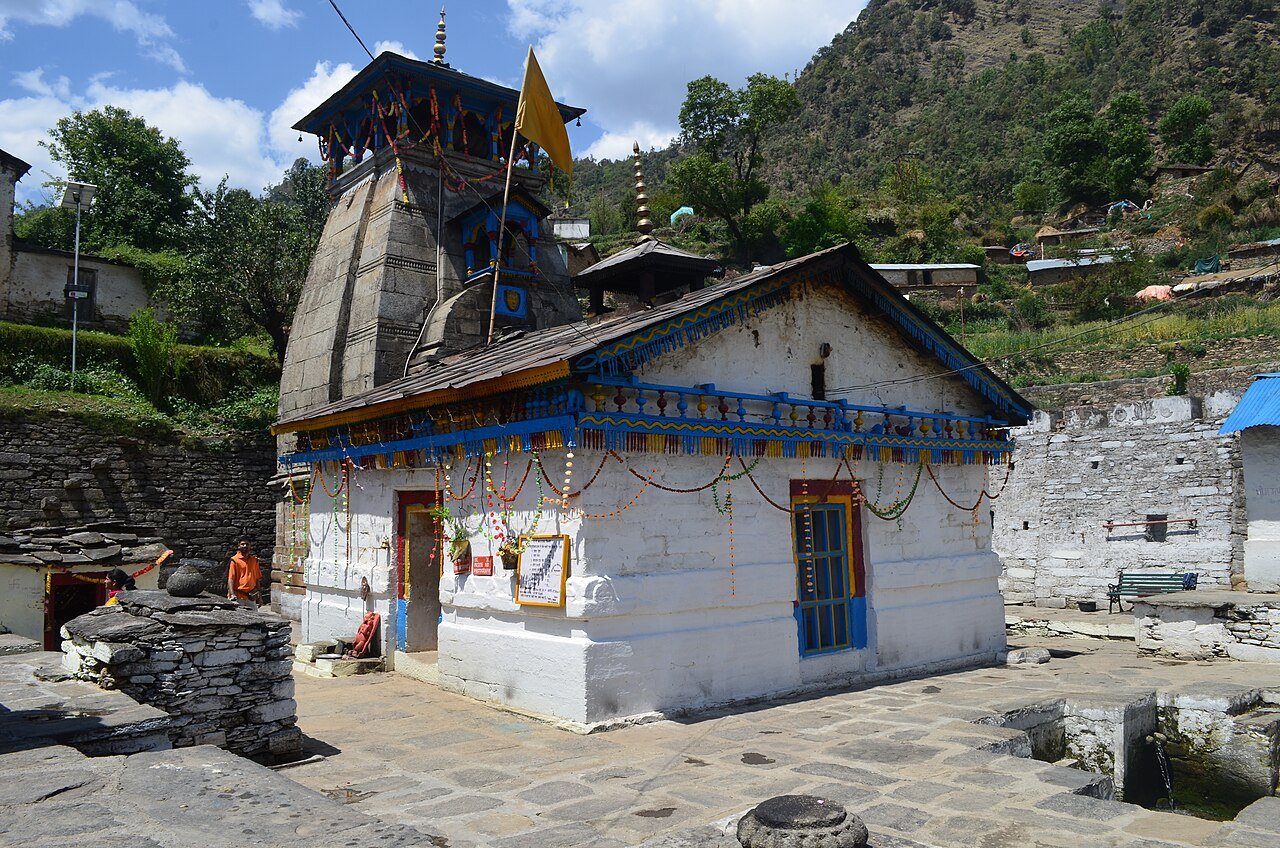
Triyuginarayan Temple Aarti: Worship Beside the Eternal Flame
Triyuginarayan Temple Aarti is the ceremonial worship of Lord Vishnu at the ancient Triyuginarayan Temple in Uttarakhand’s Rudraprayag district. Sacred lamps, incense, bells, flowers, mantras and devotional singing are presented before Lord Narayana in a Himalayan shrine remembered as the divine wedding place of Lord Shiva and Goddess Parvati.
The Aarti is especially meaningful because it takes place beside the Akhand Dhuni, the sacred fire traditionally believed to have witnessed the celestial marriage. The permanent fire and the temporary Aarti lamp create two closely connected expressions of sacred light.
The Akhand Dhuni represents continuity across generations, while the Aarti flame is ceremonially offered at a particular time of day. Together, they create an atmosphere centred on divine presence, harmony, commitment and remembrance.
Although Triyuginarayan is widely known as a spiritual wedding destination, its daily Aarti is not restricted to married or engaged couples. Families, individual pilgrims, senior citizens and ordinary travellers can attend the ceremony and offer prayers to Lord Narayana.
Who Is Worshipped During Triyuginarayan Aarti?
The principal temple is dedicated to Lord Vishnu in His Narayana form. The name Triyuginarayan is commonly interpreted as Narayana associated with three yugas or cosmic ages.
Lord Vishnu is worshipped as the preserver of cosmic order. During Aarti, devotees praise His protective, sustaining and compassionate qualities through lamps, flowers, incense and mantras.
The temple’s identity is also inseparable from Shiva and Parvati. According to local sacred tradition, their marriage was solemnised at this location in the presence of the holy fire. Lord Vishnu is remembered as an important witness and ceremonial participant, while Lord Brahma is traditionally associated with conducting the wedding rites.
Triyuginarayan Aarti therefore brings Vaishnava and Shaiva traditions into one sacred setting. The principal worship is offered to Narayana, but the surrounding devotional memory honours the divine partnership of Shiva and Parvati.
Legend Behind Triyuginarayan Temple Aarti
According to the tradition preserved at Triyuginarayan, Goddess Parvati performed intense penance to receive Lord Shiva as her husband. Their divine wedding was eventually celebrated at the place now occupied by the temple.
The Rudraprayag district administration identifies Triyuginarayan as the legendary capital of Himavat and the location where Shiva married Parvati during Satya Yuga. A large four-cornered Havan Kund in front of the temple marks the sacred fire connected with the marriage.
The flame is traditionally believed to have continued from the time of that celestial ceremony. This belief gives the temple its alternative name, Akhand Dhuni Temple. The word akhand means unbroken or continuous, while dhuni refers to a sacred fire.
A sacred stone known as Brahma Shila is associated with the exact place of the wedding. Devotees approach the area with folded hands and remember the principles of commitment, mutual respect and spiritual companionship.
The daily Aarti developed within this broader tradition of Narayana worship and care for the sacred fire. The precise historical date on which the present Aarti routine began is not conclusively recorded in widely available government sources.
Spiritual Meaning of Triyuginarayan Aarti
The principal symbol of the ceremony is light. The lamp offered before Lord Narayana represents divine knowledge, awareness and the removal of spiritual ignorance.
The Akhand Dhuni represents continuity. Its uninterrupted presence reminds devotees that faith must be maintained through daily attention rather than remembered only during festivals or important life events.
The association with Shiva and Parvati gives the Aarti a special connection with harmony. Couples may pray for understanding and patience, while unmarried devotees can reflect upon responsibility, emotional maturity and respect within future relationships.
Lord Narayana’s presence represents preservation. Devotees pray for the protection of family relationships, righteous conduct and stability during changing circumstances.
The Himalayan location adds another dimension to the experience. The cold air, stone architecture, surrounding mountains and sound of temple bells encourage visitors to slow down and participate with greater attention.
What Makes Triyuginarayan Aarti Special?
- Worship of Lord Narayana: The principal Aarti honours Vishnu as the preserver and protector of cosmic order.
- Akhand Dhuni: A sacred fire traditionally connected with the wedding of Shiva and Parvati burns in front of the temple.
- Two forms of sacred light: The permanent wedding fire and the moving Aarti lamp have separate but complementary meanings.
- Divine wedding tradition: The ceremony takes place at a location revered as the marriage site of Shiva and Parvati.
- Brahma Shila: A sacred stone in the temple area is associated with the celestial wedding ceremony.
- Himalayan setting: The Aarti is performed within a peaceful mountain village in Rudraprayag district.
- Vaishnava and Shaiva connection: Narayana worship exists alongside the remembrance of Shiva and Parvati.
- Intimate atmosphere: The ceremony is generally smaller and less theatrical than large riverside Aartis.
- Relationship prayers: Couples frequently pray for harmony, patience and commitment.
- Open participation: Visitors do not need to be married or attending a wedding to participate in daily Aarti.
Devotional Value of Attending the Aarti
- Reflection on commitment: The divine marriage tradition encourages devotees to understand relationships as responsibilities rather than temporary attractions.
- Prayer for harmony: Families and couples may pray for greater patience, trust and mutual respect.
- Connection with Narayana: The ceremony introduces visitors to the protective and sustaining qualities associated with Lord Vishnu.
- Respect for continuity: The Akhand Dhuni illustrates how a sacred tradition survives through regular care.
- Focused attention: Bells, mantras and the movement of the lamp help reduce distraction during prayer.
- Gratitude: Flowers, light and food offerings express thankfulness for family, health and companionship.
- Inner stability: The mountain setting supports contemplation and emotional calmness.
- Collective worship: Visitors from different regions participate through familiar gestures such as folded hands and mantra chanting.
These are devotional and reflective values, not promises of guaranteed marriage, reconciliation, fertility or material success. Visitors should approach the ceremony through sincere prayer rather than expecting an automatic result from any offering.
Triyuginarayan Temple Aarti Timings
Important timing note: The Rudraprayag district’s government page explains the temple’s religious significance but does not publish a continuously updated daily Aarti schedule.
YatraDham currently lists the following planning times:
- Morning Aarti: Approximately 6:00 AM
- Evening Aarti: Approximately 7:30 PM
- General opening period: Approximately 6:00 AM to 8:00 PM
Other current pilgrimage references place morning worship between approximately 6:00 AM and 7:00 AM and evening worship within a broader 6:30 PM to 7:30 PM period.
These times should be treated as indicative planning windows. The daily programme can change with the season, sunset, winter conditions, priestly arrangements, weddings, local festivals and maintenance of the Akhand Dhuni.
Visitors travelling specifically for the Aarti should confirm the ceremony locally on the same day. Arriving at least 30 minutes before the confirmed time provides sufficient opportunity to remove footwear, understand the worship arrangements and enter without disturbing the ritual.
Understanding the Daily Worship Cycle
Morning Preparation and Aarti
Morning worship usually begins with the preparation of the sanctum and ceremonial articles. The deity is respectfully awakened, purified and prepared for the day’s darshan.
Lamps and incense are presented before Lord Narayana while bells and mantras announce the beginning of worship. The early hour is generally quieter, allowing devotees