Surinsar Lake – A Peaceful Nature Retreat Near Jammu’s Temples and the Vaishno Devi Pilgrimage Route
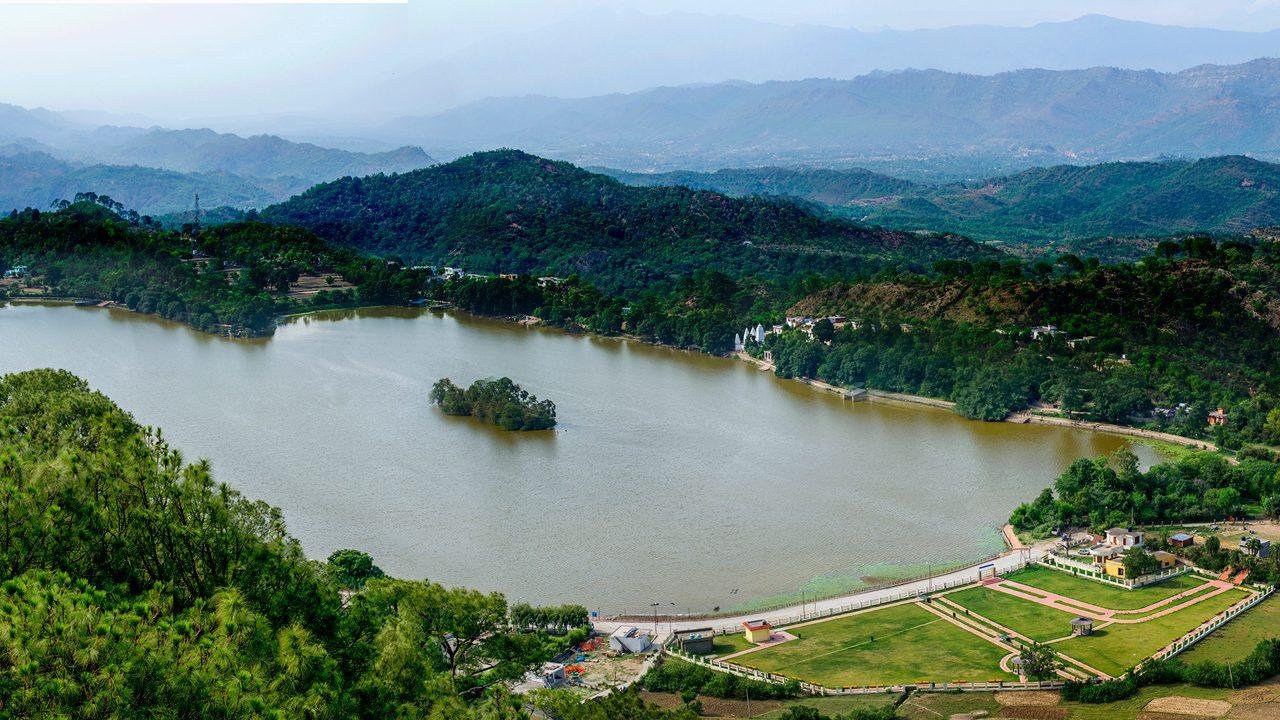
Surinsar Lake is a serene freshwater lake near Jammu, surrounded by wooded hills, lush greenery and a calm natural landscape. It is an ideal leisure destination for pilgrims who want to spend a few peaceful hours with their families after visiting the temples of Jammu or completing their journey to Shri Mata Vaishno Devi Temple in Katra.
Located around 42 kilometres by road from Jammu city, Surinsar Lake is known for its quiet atmosphere, scenic walking areas, seasonal lotus flowers and rich birdlife. The lake is traditionally paired with nearby Mansar Lake, and together the two sacred water bodies form one of the most important nature and pilgrimage circuits in the Jammu region.
For devotees visiting Raghunath Temple, Ranbireshwar Temple, Bawe Wali Mata Temple, Peer Kho Cave Temple, Kol Kandoli Temple or Mata Vaishno Devi, Surinsar Lake offers a refreshing break from crowded markets, long road journeys and physically demanding temple visits.
Instead of returning immediately after darshan, travellers can include Surinsar Lake in their itinerary and enjoy a more balanced journey combining spirituality, nature, family time and comfortable stays through MudrasStays.
A Relaxing Experience After Temple Darshan
Temple journeys around Jammu and Katra often involve early departures, long drives, waiting for darshan and extensive walking. After completing these religious visits, many pilgrims look for a peaceful place where they can rest without following another demanding sightseeing schedule.
Surinsar Lake provides exactly such an experience.
Visitors can walk along the lakeside, sit in the landscaped surroundings, admire the forest-covered hills and spend quiet time near the water. The destination is especially suitable for families, couples, senior citizens and religious groups who prefer calm natural places over crowded commercial attractions.
Children can enjoy the open surroundings, while elderly travellers can relax beside the lake and appreciate the fresh air. Photography enthusiasts can capture reflections on the water, changing skies, surrounding greenery and the small island located within the lake.
A visit to Surinsar Lake does not need to be rushed. Its main attraction is the opportunity to slow down, reconnect with family and enjoy the tranquillity of the Jammu countryside after a spiritually fulfilling temple journey.
Religious and Mythological Significance of Surinsar Lake
Surinsar Lake is not only a picnic destination; it also has a strong connection with Hindu mythology.
According to local tradition, Surinsar and Mansar lakes are associated with Babruvahana, the son of Arjuna and Ulupi. The legend connects the two lakes through a subterranean passage created during Babruvahana’s journey to obtain a sacred jewel from Sheshnag and restore Arjuna to life.
Surinsar is believed to have earlier been known as Surangsar, a name associated with the mythological tunnel or passage connecting the region with Mansar. These stories have given both lakes religious importance among local communities and pilgrims.
While the main temples and traditional rituals are concentrated around Mansar Lake, the sacred connection between the twin lakes makes Surinsar a meaningful addition to a pilgrimage itinerary.
Travellers can first experience the peaceful natural surroundings of Surinsar and then continue towards Mansar Lake for temple darshan and lakeside rituals.
Surinsar and Mansar – The Sacred Twin-Lake Circuit
Surinsar Lake and Mansar Lake are commonly explored together as the twin lakes of Jammu. Although both destinations are surrounded by forests and hills, they offer different visitor experiences.
Surinsar is quieter and more nature-focused. It is suitable for peaceful walks, birdwatching, photography and family picnics.
Mansar Lake has a stronger temple and pilgrimage environment, with sacred shrines dedicated to Sheshnag, Umapati Mahadev, Lord Narasimha and Goddess Durga situated around the lake.
Pilgrims can therefore plan a combined itinerary such as:
Jammu Temples – Surinsar Lake – Mansar Lake – Umapati Mahadev Temple – Sheshnag Temple
This combination allows travellers to experience temple darshan, mythological heritage, lakeside scenery and nature within the same journey.
The Jammu and Kashmir Tourism Development Corporation has also promoted Surinsar and Mansar together as part of a wider pilgrimage route that may include Sukrala Mata Temple, Chichi Mata Temple and Bawe Wali Mata Temple.
A Ramsar Wetland of International Importance
Surinsar and Mansar are not only culturally important; they also hold considerable ecological value.
The Surinsar–Mansar Lakes wetland complex was designated a Ramsar Site of international importance on 8 November 2005. The protected wetland covers approximately 350 hectares, recognising the ecological importance of its freshwater habitats, surrounding forests and wildlife.
The lakes also form part of the broader Surinsar–Mansar Wildlife Sanctuary, which supports a variety of birds, mammals, reptiles, fish and native vegetation.
For visitors, this means that Surinsar Lake should be experienced responsibly. Travellers should avoid throwing plastic, food waste or religious offerings into the water. Loud music, disturbance to birds and damage to plants should also be avoided.
A responsible visit protects the peaceful character of the lake while preserving its natural and spiritual value for future generations.
Birdwatching and Nature Around Surinsar Lake
The forests and wetlands around Surinsar support several resident and migratory bird species. Visitors may observe kingfishers, herons, cranes and other waterbirds depending on the season and local conditions.
Early morning is generally the most rewarding time for birdwatching because the surroundings are quieter and birds are more active. Visitors interested in photography may carry binoculars or a camera with a zoom lens.
The lake’s small central island is also known as a habitat for a large bat population. Visitors should observe wildlife from a respectful distance and should not attempt to approach or disturb the island.
During summer, floating lotuses may add colour to sections of the lake, further enhancing the natural beauty of the destination.
Walking, Picnics and Family Leisure
Surinsar Lake is ideal for an unhurried family outing. Visitors can walk along the developed lakeside area, sit in the gardens and enjoy views of the surrounding hills.
Families may carry light refreshments and spend a few hours picnicking beside the lake. However, food packaging and disposable items should always be taken back or placed in designated bins.
An adventure and family recreation area has also been associated with the destination, with activities such as a climbing wall, trampoline and giant swing listed by Incredible India. Availability may change according to maintenance, season and local operating conditions, so travellers should verify the facilities after reaching the lake.
Swimming and boating have traditionally been restricted at Surinsar because of religious beliefs and ecological concerns. Visitors should follow all instructions displayed by the local administration and avoid entering the water.
Temples to Visit with Surinsar Lake
Bawe Wali Mata Temple
Situated inside the historic Bahu Fort complex in Jammu, Bawe Wali Mata Temple is dedicated to Goddess Kali and is one of the region’s most revered shrines.
Devotees can complete darshan at Bawe Wali Mata, walk through the nearby Bagh-e-Bahu gardens and then travel towards Surinsar Lake for a peaceful afternoon.
Raghunath Temple
Located in the heart of Jammu, Raghunath Temple is an important temple complex dedicated primarily to Lord Rama.
Pilgrims staying in Jammu can visit Raghunath Temple in the morning and plan a half-day excursion to Surinsar Lake afterwards.
Ranbireshwar Temple
Dedicated to Lord Shiva, Ranbireshwar Temple is another prominent religious destination in Jammu city. Shiva devotees can combine the temple with Surinsar Lake and the Umapati Mahadev Temple at Mansar.
Peer Kho Cave Temple
The ancient Peer Kho Cave Temple, dedicated to Lord Shiva, is located near the Tawi River. Its cave setting gives the pilgrimage a distinctive spiritual character.
Mata Vaishno Devi Temple
Pilgrims travelling to or returning from Mata Vaishno Devi can include Surinsar Lake as an additional day excursion from Jammu. Since Katra and Surinsar lie in different directions, the lake is best visited with a dedicated travel window rather than immediately before a fixed yatra time.
A comfortable itinerary may include:
Day 1: Jammu arrival and temple sightseeing
Day 2: Surinsar Lake and Mansar Lake excursion
Day 3: Travel to Katra and prepare for the yatra
Day 4: Mata Vaishno Devi darshan and overnight rest in Katra
This itinerary gives pilgrims enough time for darshan, sightseeing and recovery without making the journey unnecessarily tiring.
Best Time to Visit Surinsar Lake
The pleasant spring and early-summer period from March to June is recommended for greenery, flowers, family outings and lakeside sightseeing. JKTDC also identifies the broader period from April to October as suitable for visiting the lake.
Summer days around Jammu can become warm, so morning and late-afternoon visits are generally more comfortable.
The monsoon season brings greener scenery but may also cause slippery paths, rainfall and changing road conditions. Visitors should check the weather before travelling.
Autumn provides clearer surroundings and pleasant outdoor conditions, while winter visits offer a cooler and quieter experience. Warm clothing may be required during winter mornings and evenings.
How Much Time to Spend at Surinsar Lake
Approximately two to four hours are sufficient for a relaxed visit to Surinsar Lake. Families who want to enjoy a picnic, walk around the developed area and spend time birdwatching may stay longer.
A complete Surinsar–Mansar excursion should be planned as a full-day trip, particularly when temple darshan, meals and travel time are included.
Visitors should avoid planning the excursion immediately before a train, flight or yatra reporting time. A suitable travel buffer is important, especially for families with children and senior citizens.
How to Reach Surinsar Lake
Surinsar Lake is accessible by road from Jammu. Travellers can hire a private taxi, use a personal vehicle or enquire about local bus services operating towards the destination.
Jammu Airport is the nearest major airport, while Jammu Tawi Railway Station is the principal rail gateway for visitors arriving from other parts of India.
Road conditions and travel times may change because of weather, construction or local diversions. Pilgrims should confirm the route with their driver or accommodation provider before departure.
Where to Stay When Visiting Surinsar Lake
Most travellers visiting Surinsar Lake choose to stay in Jammu, which offers convenient access to hotels, railway connections, the airport, restaurants and major temples.
Travellers planning a combined Surinsar and Mansar trip may also explore accommodation closer to Mansar Lake. Pilgrims whose primary purpose is Mata Vaishno Devi darshan should stay in Katra for the pilgrimage portion of the journey and use Jammu as the base for the lake excursion.
A suitable accommodation should be selected according to:
Distance from nearby temples
Family-room availability
Road and taxi connectivity
Accessibility for senior citizens
Meal facilities
Parking availability
Distance from Jammu Airport or railway station
Book Stays Near Surinsar Lake and Jammu Temples with MudrasStays
MudrasStays helps pilgrims discover accommodation near temples, sacred destinations and nearby leisure attractions.
Travellers planning a Jammu and Mata Vaishno Devi pilgrimage can explore stays through MudrasStays near:
Raghunath Temple
Ranbireshwar Temple
Bawe Wali Mata Temple
Peer Kho Cave Temple
Surinsar Lake
Mansar Lake
Katra and Mata Vaishno Devi Temple
Whether you are looking for hotels near Surinsar Lake, family stays near Jammu temples, accommodation near Mansar Lake, or hotels near the Mata Vaishno Devi pilgrimage route, MudrasStays helps you plan a more comfortable and organised spiritual journey.
Surinsar Lake is more than a scenic picnic spot. It is a peaceful landscape connected with Hindu mythology, protected wetlands, forested hills and Jammu’s wider pilgrimage heritage.
By adding Surinsar Lake to your temple itinerary and choosing the right accommodation through MudrasStays, you can experience darshan, nature, family leisure and meaningful relaxation as part of one complete journey.