Daksh Mahadev Aarti: Where Shiva’s Grace Conquered Pride
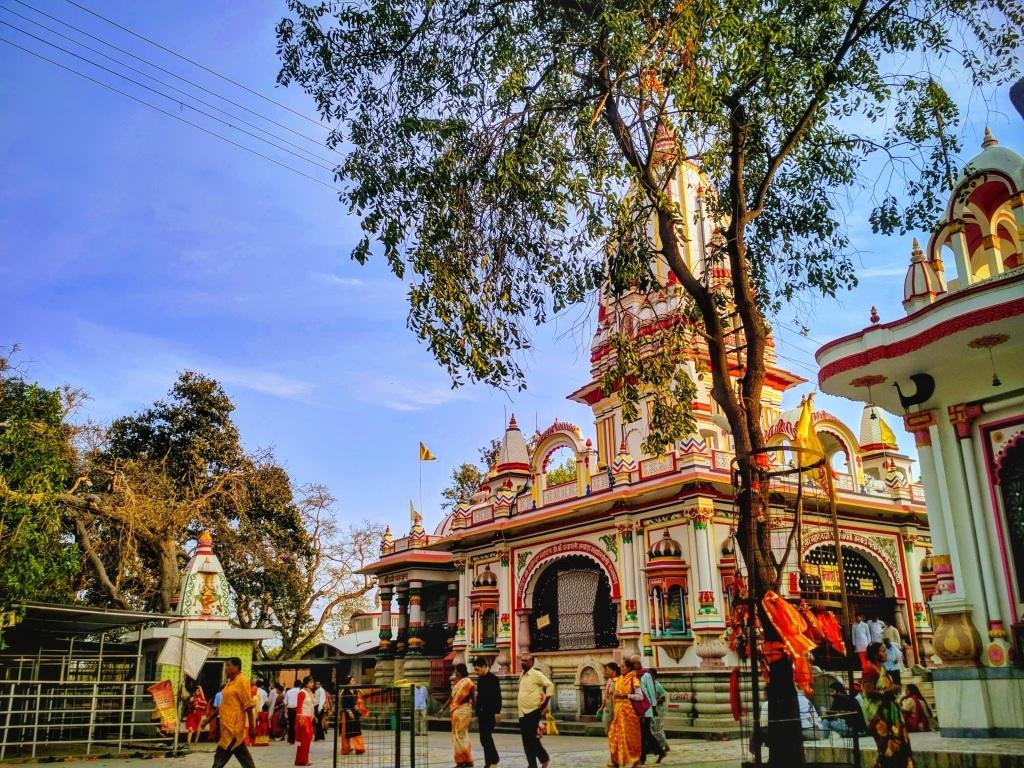
Daksh Mahadev Aarti is the daily ceremonial worship of Lord Shiva at the historic Daksheshwar Mahadev Temple in Kankhal, Haridwar. The ceremony brings together sacred lamps, bells, incense, flowers, Shiva mantras and collective prayer at a place associated with one of the most powerful narratives in Hindu tradition—the Daksha Yajna and Goddess Sati’s sacrifice.
The temple is also known as Daksha Prajapati Temple because it bears the name of King Daksha, the father of Goddess Sati. Its spiritual message, however, extends beyond Daksha’s story. It remembers the destructive consequences of pride, Sati’s unwavering devotion, Shiva’s grief and anger, Daksha’s remorse and the compassion through which Shiva eventually restored him.
Attending the Aarti allows devotees to experience this message through light and prayer. As the lamp is moved before the Shiva Lingam, the ceremony symbolically replaces ego with humility, anger with awareness and spiritual darkness with divine understanding.
History of Daksh Mahadev Temple
Daksh Mahadev Temple stands in Kankhal, one of the ancient sacred areas associated with Haridwar. According to Hindu tradition, this was the region where King Daksha Prajapati organised a grand Yajna.
Daksha was the father of Goddess Sati, who had married Lord Shiva. Daksha disapproved of Shiva’s unconventional appearance and ascetic way of life. When he organised the Yajna, he invited numerous gods, sages and celestial beings but deliberately excluded Shiva and Sati.
After learning about the ceremony, Sati decided to visit her parental home despite not receiving an invitation. She believed that a daughter should be able to attend a ceremony in her father’s house. Lord Shiva cautioned her, but Sati proceeded to the Yajna.
At the ceremony, Sati witnessed disrespect directed towards Shiva. Unable to tolerate the public humiliation of her husband, she renounced her physical body in the sacrificial fire. The location traditionally connected with this event is remembered as Sati Kund.
When Lord Shiva learned what had happened, his grief transformed into divine fury. Virabhadra, the fierce warrior created through Shiva’s power, reached the Yajna, disrupted the ceremony and beheaded Daksha.
The assembled deities later appealed to Shiva for mercy. Lord Shiva’s anger eventually subsided, and Daksha was restored to life with the head of a goat. Daksha recognised his pride, sought forgiveness and offered worship to Shiva.
The story therefore does not conclude with destruction. It concludes with remorse, forgiveness and restoration. This transformation gives Daksh Mahadev Aarti its distinctive spiritual meaning.
The present temple structure was built in 1810 by Queen Dhankaur and renovated in 1962. Although the physical structure belongs to a later historical period, the sacred identity of the site is rooted in the ancient Daksha–Sati tradition.
Meaning of Daksh Mahadev Aarti
Aarti is the ceremonial presentation of light before a deity. At Daksh Mahadev Temple, the lamp is offered before Lord Shiva while bells, mantras and devotional songs create an atmosphere of concentrated worship.
The flame represents divine knowledge and the removal of inner darkness. Its circular movement symbolically offers every part of life—thoughts, actions, relationships and responsibilities—to the divine.
The Daksha narrative adds a special meaning to this ceremony. Devotees are reminded that social position, ritual knowledge and authority become spiritually empty when they are controlled by pride.
Lord Shiva’s eventual forgiveness of Daksha also demonstrates that sincere remorse can create an opportunity for transformation. The Aarti therefore becomes a prayer for humility, better judgement and freedom from destructive anger.
All Daily Aartis at Daksh Mahadev Temple
The daily worship cycle commonly includes morning, midday and evening ceremonies. The precise ritual sequence and public access may change according to the season, festivals, priestly arrangements and crowd-management requirements.
Morning Aarti
Morning Aarti is commonly reported at approximately 5:00 AM. It marks the beginning of the temple’s daily worship and may also be described as Mangala Aarti.
The sanctum and ceremonial articles are prepared before worship. The Shiva Lingam may receive water, flowers, Bilva leaves, incense and other traditional offerings according to the temple’s established practice.
The priest presents the lighted lamp while Shiva mantras and the sound of bells fill the temple. The early hour creates a quiet and disciplined atmosphere suitable for meditation and personal prayer.
Visitors should note that the Government of India tourism portal currently lists general public opening from 6:00 AM. The reported 5:00 AM Aarti may therefore occur before ordinary public access or under arrangements that change locally. Devotees wishing to attend must confirm the same-day entry time directly at the temple.
Midday Aarti
Midday or afternoon Aarti is commonly reported at approximately 12:00 noon. It may be connected with the presentation of Bhog and the completion of the principal morning worship period.
Food, flowers, incense and light may be offered to Lord Shiva according to the priests’ ritual sequence. Public darshan can be briefly regulated while the offering is being prepared or presented.
This Aarti is suitable for visitors who cannot reach the temple early in the morning. However, it is generally quieter and less visually elaborate than the evening ceremony.
Evening Aarti
Evening or Sandhya Aarti is commonly reported at approximately 7:00 PM. It marks the transition from daylight to night and is generally the most visually expressive daily ceremony.
The ceremonial lamp appears especially prominent as the natural light fades. Bells, Shiva chants and the fragrance of incense create a deeply devotional environment around the sanctum.
Devotees commonly stand with folded hands, join familiar responses and receive the warmth of the Aarti flame when it is respectfully brought towards the congregation.
The official tourism portal presently lists 7:00 PM as the general closing time. Evening Aarti and closing arrangements may therefore overlap. Visitors should arrive early and verify whether the ceremony begins before or at the published closing hour.
Festival Aartis
Additional worship may be organised during Mahashivratri, Shravan, Shravan Mondays and other important Shiva observances. The ordinary daily timetable can be changed or expanded on these occasions.
Festival worship can include extended Jalabhishek, Rudrabhishek, mantra recitation, Bhajan, special decoration and additional lamp ceremonies. These arrangements are determined locally and should not be assumed to follow the regular schedule.
Daksh Mahadev Aarti Timings
| Aarti or Worship | Commonly Reported Time | Key Experience |
|---|---|---|
| Morning or Mangala Aarti | Around 5:00 AM | Quiet early worship, Shiva mantras and the first lamp offering |
| Midday or Bhog Aarti | Around 12:00 noon | Food offering, incense, prayers and midday darshan |
| Evening or Sandhya Aarti | Around 7:00 PM | Illuminated lamps, bells and expressive congregational worship |
| Festival Aartis | Announced locally | Extended rituals during Shravan, Mahashivratri and special occasions |
Important timing note: These are commonly published planning times, not a live official timetable. The Government of India tourism portal lists general temple hours from 6:00 AM to 7:00 PM but does not publish individual daily Aarti times. Seasonal conditions, festivals and crowd-control arrangements can alter both Aarti and darshan timings. Same-day local confirmation is strongly recommended.
Rituals Performed During Daksh Mahadev Aarti
Preparation of the Sanctum
The sanctum and ceremonial articles are prepared before the Aarti begins. Priests may temporarily regulate movement while completing internal worship.
Jalabhishek
Water is offered over the Shiva Lingam as a symbol of purification, surrender and inner calm. Devotees should follow the temple’s current queue and offering system.
Offering of Bilva Leaves
Bilva leaves are traditionally associated with Lord Shiva. The three leaflets are commonly understood as representing spiritual harmony and the surrender of impurities.
Flowers and Incense
Flowers express gratitude and devotion, while incense symbolises purified thoughts and prayers. Offerings should be presented only through the system accepted by the temple.
Presentation of the Aarti Lamp
A lighted ghee or oil lamp is moved before Lord Shiva in circular patterns. The flame represents divine awareness and the removal of ignorance.
Bells, Conch and Shiva Mantras
Bells help focus the congregation on worship. A conch may be sounded according to the ritual sequence, while mantras such as “Om Namah Shivaya” and traditional Shiva prayers may accompany the lamp offering.
Receiving the Aarti Flame
When the lamp is brought towards the congregation, devotees commonly place their hands near its warmth and respectfully touch their forehead or head. There is no need to push forward or touch the lamp.
Prasad and Final Darshan
The ceremony may conclude with final darshan and the distribution of prasad. Devotees should receive it respectfully and avoid leaving disposable offering materials inside the complex.
Benefits of Attending Daksh Mahadev Aarti
- Developing humility: Daksha’s story reminds devotees of the spiritual and personal consequences of pride.
- Seeking forgiveness: Shiva’s restoration of Daksha represents the possibility of transformation after sincere remorse.
- Managing anger: The peaceful lamp ceremony encourages reflection before reacting through anger or ego.
- Strengthening devotion: Shiva mantras, bells and collective prayer help devotees direct their attention towards worship.
- Improving concentration: Watching the flame and listening to rhythmic chants can support a focused devotional state.
- Remembering sacrifice: Sati’s story represents loyalty, dignity and complete dedication to divine truth.
- Finding inner calm: Morning and evening worship offer a pause from the movement and noise of pilgrimage.
- Family prayer: The ceremony gives families an opportunity to pray together and reflect upon respect within relationships.
- Spiritual discipline: Reaching the temple on time and participating respectfully encourages regular devotional practice.
- Expressing gratitude: The lamp, flowers and offerings become symbols of gratitude for life and divine guidance.
These benefits are devotional interpretations. Participation in Aarti should not be treated as a guaranteed remedy for health, financial, relationship or personal difficulties.
What Makes Daksh Mahadev Aarti Special?
- Association with Daksha Yajna: The Aarti is performed at a temple traditionally connected with the sacrifice organised by King Daksha.
- Memory of Goddess Sati: The nearby Sati Kund recalls Sati’s sacrifice and her unwavering devotion to Lord Shiva.
- Message of forgiveness: Shiva’s restoration of Daksha transforms the story from one of destruction into one of remorse and grace.
- Historic temple structure: The present shrine was built in 1810 and renovated in 1962.
- Shiva and Shakti connection: Worship remembers both Lord Shiva and Goddess Sati within the same sacred narrative.
- Three daily worship periods: Commonly reported morning, midday and evening ceremonies allow devotees to experience different devotional atmospheres.
- Shravan importance: The temple receives particularly intense Shiva worship during the sacred month of Shravan.
- Jalabhishek tradition: Offering sacred water over the Shiva Lingam is one of the principal devotional practices.
- Kankhal setting: The temple stands within one of the ancient spiritual areas associated with Haridwar.
- Different from Ganga Aarti: Daksh Mahadev Aarti worships Lord Shiva inside a temple, whereas Har Ki Pauri Aarti is performed on the riverbank in honour of the Ganga.
Jalabhishek and Offerings
Jalabhishek is one of the most important forms of worship at Daksh Mahadev Temple. Devotees traditionally offer water over the Shiva Lingam while praying for purification, wisdom and inner peace.
During Shravan, many Kanwariyas and Shiva devotees arrive with sacred Ganga water for Jalabhishek. Special queues and restrictions may be introduced because of the large number of pilgrims.
Common Shiva offerings can include clean water, Bilva leaves, flowers, fruits, incense and approved Puja materials. Milk and other substances should be offered only when permitted by the temple because ritual and crowd-management rules can change.
Devotees should avoid placing plastic packets, damaged flowers or excessive quantities of food near the sanctum. Offerings should be made respectfully without obstructing the darshan queue.
Shravan Worship at Daksh Mahadev Temple
Shravan is one of the busiest and most spiritually significant periods at Daksh Mahadev Temple. Lord Shiva is worshipped through Jalabhishek, mantra recitation, fasting and special prayers throughout the month.
Shravan Mondays generally attract particularly large congregations. Devotees may have to wait longer for darshan, and the normal Aarti arrangement can be modified to manage the crowd.
Pilgrims attending during Shravan should carry minimal belongings, remain hydrated, follow designated entry routes and allow substantially more time than on an ordinary weekday.
Mahashivratri Aarti
Mahashivratri is among the most important celebrations at Daksh Mahadev Temple. The temple is decorated, large numbers of devotees perform Jalabhishek, and Shiva mantras continue through extended periods of worship.
Special Pujas, Rudrabhishek, Bhajans and additional Aartis may be conducted. The regular 5:00 AM, 12:00 noon and 7:00 PM planning times should not be assumed to apply without change on Mahashivratri.
Visitors should expect security checks, crowd barriers, longer queues and restricted movement near the sanctum. Same-day instructions from temple representatives and local authorities must be followed.
Sati Kund and Its Connection with the Aarti
Sati Kund is traditionally identified with the Yajna fire into which Goddess Sati entered after witnessing the humiliation of Lord Shiva. It remains one of the most important sacred features associated with the Daksh Mahadev complex.
The daily Aarti is offered to Lord Shiva, but the memory of Sati gives the ceremony an additional emotional meaning. Her story represents devotion, dignity and the consequences of disrespect within family and spiritual relationships.
Visitors should treat Sati Kund as a sacred place rather than merely a photography point. Offerings should be made only according to local rules, and the area should be kept clean.
Which Daksh Mahadev Aarti Should You Attend?
Choose morning Aarti if you prefer quieter worship, cooler weather and a disciplined beginning to the day. Confirm whether public entry is available at the reported 5:00 AM time.
Choose midday Aarti if you are visiting Kankhal during daytime and want to combine darshan with the reported Bhog offering period.
Choose evening Aarti if you want the strongest visual experience of illuminated lamps, bells and collective Shiva worship. Arrive early because the reported ceremony coincides closely with the officially published closing time.
Choose a non-festival weekday if peaceful darshan is your priority. Choose Shravan or Mahashivratri only if you are comfortable with large crowds and longer waiting periods.
Key Details for Devotees
| Temple Name | Daksheshwar Mahadev Temple or Daksh Mahadev Temple |
|---|---|
| Location | Kankhal, Haridwar, Uttarakhand |
| Principal Deity | Lord Shiva |
| Sacred Association | Daksha Yajna, Goddess Sati and Sati Kund |
| Officially Published Visiting Hours | 6:00 AM to 7:00 PM |
| Reported Aarti Times | Approximately 5:00 AM, 12:00 noon and 7:00 PM |
| Important Festivals | Mahashivratri, Shravan and Shravan Mondays |
| Main Worship | Aarti, Jalabhishek, Shiva mantras and offerings |
| Recommended Arrival | 30 to 45 minutes before the expected Aarti |
| Timing Confirmation | Required locally because Aarti schedules are not published as a live official timetable |
Aarti Etiquette
- Wear clean and modest clothing suitable for a sacred temple.
- Remove footwear only at the designated area.
- Reach the temple before the Aarti begins.
- Keep mobile phones silent during worship.
- Follow current photography restrictions.
- Avoid flash photography near the sanctum and Aarti lamp.
- Do not touch the Shiva Lingam unless the current system allows it.
- Offer water, Bilva leaves and flowers only through approved arrangements.
- Do not push when the Aarti flame or prasad is brought towards devotees.
- Keep children at a safe distance from lamps, wet floors and crowded queues.
- Do not leave plastic, bottles or offering packets inside the complex.
- Follow instructions issued by priests, attendants and local authorities.
Frequently Asked Questions About Daksh Mahadev Aarti
1. What is Daksh Mahadev Aarti?
Daksh Mahadev Aarti is the ceremonial worship of Lord Shiva through lamps, bells, incense, mantras and devotional prayer at Daksheshwar Mahadev Temple in Kankhal.
2. What are the Daksh Mahadev Aarti timings?
Commonly reported planning times are approximately 5:00 AM for morning Aarti, 12:00 noon for midday Aarti and 7:00 PM for evening Aarti. Same-day confirmation is necessary.
3. Are these Aarti timings officially confirmed?
No live official Aarti timetable is currently published. The Government of India tourism portal lists general visiting hours from 6:00 AM to 7:00 PM, while pilgrimage references report the three Aarti times.
4. Which Aarti is best for first-time visitors?
Evening Aarti generally offers the most expressive experience of lamps, bells and collective worship. Morning Aarti is better for devotees seeking a quieter atmosphere.
5. Why is the temple named after Daksha?
The temple is associated with King Daksha Prajapati, Goddess Sati’s father, who organised the Yajna connected with the temple’s sacred history.
6. What is Sati Kund?
Sati Kund is traditionally associated with the Yajna fire into which Goddess Sati entered after Lord Shiva was humiliated at Daksha’s ceremony.
7. Can devotees perform Jalabhishek?
Jalabhishek is an important form of worship at the temple. Devotees must follow the current queue, offering and crowd-management system.
8. Is advance booking required for Aarti?
Advance booking is generally not required for ordinary public Aarti. Priest-assisted Puja, Rudrabhishek or special rituals may follow separate arrangements.
9. Are photographs allowed during Aarti?
Photography may be restricted near the sanctum and during worship. Visitors should follow the current signs and instructions and avoid flash photography.
10. How early should devotees arrive?
Arrive approximately 30 to 45 minutes before an ordinary Aarti. Considerably more time may be required during Shravan, Shravan Mondays and Mahashivratri.