Jageshwar Dham Aarti: Shiva Worship in a Timeless Himalayan Valley
The Jageshwar Dham Aarti is a sacred daily ceremony performed in honour of Lord Shiva at the ancient Jageshwar temple complex near Almora in Uttarakhand. Surrounded by tall deodar trees, stone shrines and the gentle flow of the Jata Ganga stream, the Aarti offers a calm and deeply devotional experience.
During the ceremony, temple priests offer illuminated lamps before the Shiva Linga while chanting mantras and ringing traditional bells. Incense, flowers, conch sounds and the repeated chanting of Om Namah Shivaya create an atmosphere that feels very different from the crowded Aartis of large urban temples.
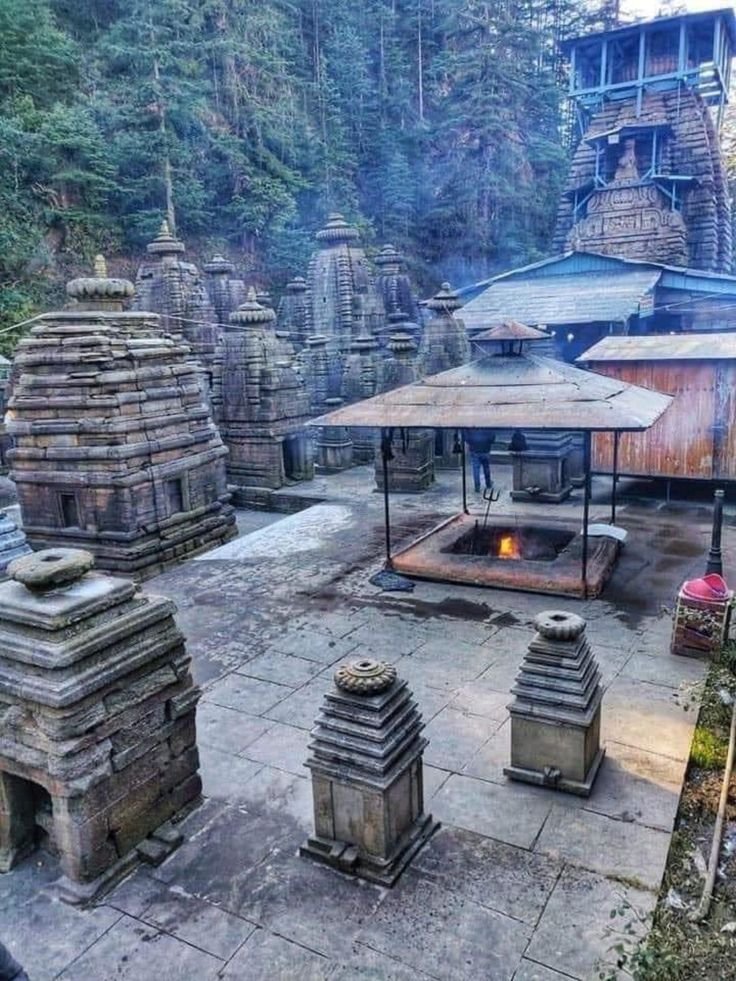
Jageshwar Dham contains more than one hundred ancient shrines, most of which are dedicated to different forms of Lord Shiva. The Almora district administration identifies 124 large and small temples within the complex, while the Ministry of Tourism describes Jageshwar as a group of more than 125 ancient temples. :contentReference[oaicite:1]{index=1}
The main Aarti is associated with Jageshwar Mahadev, also worshipped locally as Bal Jageshwar. Devotees attend to offer gratitude, seek Lord Shiva’s blessings, experience traditional Himalayan worship and spend a few peaceful moments in prayer.
History of Jageshwar Dham and Its Aarti Tradition
Jageshwar Dham is one of Uttarakhand’s most significant groups of ancient Shiva temples. Government sources place its major architectural development in the post-Gupta and early medieval periods. The stone temples, carved altars, Shiva Lingas and inscriptions reflect a long history of Shaiva worship in the Kumaon Himalayas. :contentReference[oaicite:2]{index=2}
The exact date on which the daily Jageshwar Dham Aarti began is not documented. The ceremony appears to have developed naturally as part of the temple’s established pattern of worship, in which the deity is awakened, honoured with lamps and offerings, worshipped during the day and offered evening prayers before the temple closes.
Traditional accounts also connect Jageshwar with ancient Shaiva teachers and pilgrims travelling towards Mount Kailash. The Ministry of Tourism notes the local tradition that Adi Shankaracharya restored or revived worship at the site, although this belongs primarily to temple legend rather than firmly established historical documentation. :contentReference[oaicite:3]{index=3}
Over generations, local priests have maintained the Aarti through mantras, lamps, flowers and ritual offerings. Its continuity is significant because the ceremony is not presented merely as a cultural performance. It remains part of the living religious routine of the temple.
Spiritual Significance of Jageshwar Dham Aarti
Aarti is the ceremonial offering of light before a deity. In the Jageshwar Dham Aarti, the flame is offered to Lord Shiva, who represents consciousness, transformation, meditation and freedom from attachment.
The lamp symbolises the removal of ignorance. As the priest moves it in circular patterns before the Shiva Linga, devotees are reminded to direct their thoughts, actions and awareness towards the divine.
The sound of bells is traditionally used to focus the mind and mark the beginning of sacred worship. Incense represents purification, while flowers express surrender and gratitude. The conch shell, when used, creates a powerful vibration that announces the opening of the ritual.
The surrounding deodar forest strengthens the contemplative character of the ceremony. Even when several devotees are present, the Aarti generally retains a quiet Himalayan atmosphere. The combination of prayer and nature makes it particularly meaningful for people seeking stillness and inner reflection.
Devotees also associate the Jageshwar Dham Aarti with the protective and healing forms of Shiva. The nearby Mahamrityunjaya shrine is closely connected with the Mahamrityunjaya Mantra, which is traditionally recited while seeking courage, spiritual strength and freedom from fear.
Benefits of Attending Jageshwar Dham Aarti
The benefits associated with the Aarti arise from faith, concentration and personal spiritual practice. They should not be treated as guaranteed material or medical results.
- Spiritual peace: The quiet temple environment helps devotees step away from everyday distractions.
- Inner calm: Repeated Shiva mantras and rhythmic bell sounds may settle a restless mind.
- Stronger devotion: Participating in the ceremony develops a closer emotional connection with Lord Shiva.
- Positive reflection: The Aarti encourages devotees to examine their habits, responsibilities and decisions.
- Freedom from fear: Shiva and Mahamrityunjaya worship are traditionally associated with courage during difficult periods.
- Cultural experience: Visitors witness an authentic Himalayan form of daily temple worship.
- Community prayer: Standing with local devotees and pilgrims creates a shared feeling of faith.
- Meditative awareness: The lamps, forest and stone architecture provide a setting suited to silence and contemplation.
What Makes Jageshwar Dham Aarti Special?
The most distinctive feature of the Jageshwar Dham Aarti is its setting. The ceremony takes place among tightly grouped stone temples surrounded by ancient deodar trees. The Jata Ganga stream flows near the complex, and the sound of water often blends naturally with bells and chants. :contentReference[oaicite:4]{index=4}
Traditional Priestly Worship
The Aarti is led by temple priests who follow the daily Shaiva worship tradition. They prepare the shrine, present flowers and incense, chant sacred verses and offer the lamp before the Shiva Linga.
Sacred Lamps
Ghee or oil lamps form the centre of the ceremony. A single lamp or a multi-wick Aarti lamp may be used depending on the time of worship and the temple’s arrangements.
Bells and Conch Sounds
Temple bells are rung during the offering of light. A conch shell may be sounded at the beginning or conclusion, particularly during important ceremonies and festival worship.
Shiva Mantras and Bhajans
Devotees may hear or recite Om Namah Shivaya, Shiva prayers and the Mahamrityunjaya Mantra. Bhajans are generally simple and devotional rather than performance-oriented.
Evening Illumination
The evening Aarti is visually impressive because warm lamps and exterior lighting illuminate the stone towers. The Ministry of Tourism lists different evening invocation times for summer and winter, reflecting the changing sunset hours in the Himalayan region. :contentReference[oaicite:5]{index=5}
Festival Worship
The ceremony becomes more elaborate during Maha Shivratri and the Jageshwar Monsoon Festival in Shravan. These occasions bring larger gatherings, extended prayers, floral decorations and a stronger atmosphere of collective Shiva devotion. :contentReference[oaicite:6]{index=6}
Jageshwar Dham Aarti Timings
Jageshwar Dham follows seasonal temple hours. The Ministry of Tourism currently lists the complex as open from approximately 5:00 AM to 6:00 PM during winter and from 4:30 AM to 7:30 PM during summer. :contentReference[oaicite:7]{index=7}
Morning or Mangala Aarti
The first Aarti is traditionally performed before sunrise. Since the temple opens earlier during summer than winter, the precise starting time can change with the season. Devotees should arrive close to the opening time and confirm the ceremony with temple staff.
Mid-Morning Aarti
Some current local schedules report a second Aarti at approximately 10:00 AM. This period is also associated with Parikrama and daytime worship by visiting pilgrims. :contentReference[oaicite:8]{index=8}
Sandhya or Evening Aarti
- Winter evening Aarti: Approximately 6:00 PM.
- Summer evening Aarti: Approximately 7:30 PM.
These seasonal evening invocation times are published by the Ministry of Tourism. Visitors should arrive at least 20 to 30 minutes early because entry may be regulated when the courtyard becomes crowded. :contentReference[oaicite:9]{index=9}
Separate public timings for Shringar Aarti, Rajbhog Aarti or Shayan Aarti are not consistently published for Jageshwar Dham. These services may form part of the temple’s internal daily worship without being organised as separate public ceremonies.
Note: Timings may change during festivals or according to temple administration.
Rituals Performed During Jageshwar Dham Aarti
The exact sequence depends on the time of day, priestly tradition and religious calendar. A regular ceremony may include the following rituals:
- The shrine and ritual area are prepared before the ceremony.
- The Shiva Linga is honoured with water, flowers or bilva leaves.
- Incense is lit and offered before the deity.
- A ghee or oil lamp is prepared by the priest.
- The lamp is moved in circular patterns before Lord Shiva.
- Bells are rung throughout the offering.
- A conch shell may be sounded during important moments.
- Priests recite Shiva mantras and traditional prayers.
- Devotees chant Om Namah Shivaya with folded hands.
- Flowers and bilva leaves may be presented as offerings.
- The sacred flame is shown to the assembled devotees.
- Prasad may be distributed after the ceremony.
During Maha Shivratri and Shravan, additional rituals may include Rudrabhishek, longer mantra recitations, special decoration and extended worship. Access to individual ceremonies depends on the arrangements announced by the temple administration.
Temple Dress Code and Visitor Guidelines
- Wear clean, modest clothing suitable for a place of worship.
- Carry warm layers because mornings and evenings can remain cool.
- Remove footwear only at the designated location.
- Maintain silence when the Aarti and mantra chanting begin.
- Do not push towards the sanctum or block narrow temple passages.
- Respect the queue and allow elderly devotees sufficient space.
- Ask before photographing the shrine, priest or ceremony.
- Follow restrictions on photography inside individual sanctums.
- Keep mobile phones silent throughout the Aarti.
- Do not touch lamps, Shiva Lingas or ritual objects without permission.
- Offer donations only through authorised temple facilities.
- Do not leave plastic, flowers or food waste in the courtyard or stream.
- Follow instructions issued by priests, security staff and heritage authorities.
Best Time to Attend Jageshwar Dham Aarti
Early Morning
Morning is ideal for devotees seeking silence and meditation. The temple complex is comparatively peaceful, the forest air is fresh and the soft light enhances the beauty of the stone shrines.
Evening
The evening Aarti provides the most atmospheric experience. The lamps, illuminated towers and fading light create a memorable setting. Visitors should plan their return journey carefully because mountain roads become darker and quieter after sunset.
Maha Shivratri
Maha Shivratri brings special worship and large numbers of Shiva devotees. It is spiritually vibrant but significantly more crowded than an ordinary day.
Shravan Festival
The Jageshwar Monsoon Festival is celebrated during the holy month of Shravan. Aarti, Shiva worship and pilgrimage activity become more prominent, although monsoon rain can affect road conditions. :contentReference[oaicite:10]{index=10}
Recommended Travel Months
March to May and mid-September to December are commonly recommended for comfortable travel. Visitors planning an overnight stay near the temple can use Mudras Stays while organising an early-morning or evening Aarti visit.
Nearby Attractions
Dandeshwar Temple
Dandeshwar is another important Shiva shrine located close to the main Jageshwar complex. Its tall stone structure and quiet surroundings make it suitable for a short devotional visit.
Vriddha Jageshwar
Vriddha Jageshwar is a hilltop Shiva temple above the main valley. It is associated with the older form of Lord Shiva and offers a quieter atmosphere than the main temple complex.
Jageshwar Archaeological Museum
The museum near the complex preserves stone sculptures and artefacts connected with the region’s temple heritage. The Ministry of Tourism highlights sculptures of Uma-Maheshwar, Surya and other important figures in its galleries. :contentReference[oaicite:11]{index=11}
Interesting Facts About Jageshwar Dham Aarti
- The Aarti is performed within a complex containing approximately 124 to 125 ancient temples.
- Most of the shrines are dedicated to Lord Shiva in different forms.
- The complex stands beside the Jata Ganga stream and is surrounded by deodar forest.
- Evening Aarti timing changes seasonally, occurring earlier in winter and later in summer.
- The principal shrine is associated with Jageshwar Mahadev or Bal Jageshwar.
- The Mahamrityunjaya shrine gives mantra chanting an important place in local worship.
- Maha Shivratri and the Shravan Monsoon Festival are the main periods of special Aarti celebrations.
- The stone temples are associated with post-Gupta and medieval Himalayan architecture.
Frequently Asked Questions
What is Jageshwar Dham Aarti?
Jageshwar Dham Aarti is the daily ceremonial offering of lamps, incense, flowers and prayers before Lord Shiva at the Jageshwar temple complex in Uttarakhand.
Where is the Aarti performed?
The main Aarti is performed at Jageshwar Mahadev Temple within the Jageshwar Dham complex near Almora.
What are the Jageshwar Dham Aarti timings?
The first Aarti is generally performed before sunrise. A mid-morning ceremony is commonly reported around 10:00 AM. Evening Aarti is listed at approximately 6:00 PM in winter and 7:30 PM in summer.
Can anyone attend the Aarti?
Yes. Regular collective Aarti is generally open to devotees and visitors, subject to temple capacity, heritage regulations and crowd-control arrangements.
Is there an entry fee?
General entry and participation in the regular Aarti are ordinarily free. Individually arranged Poojas, offerings or priest-led rituals may involve separate charges.
What should devotees wear?
Visitors should wear modest clothing and carry warm layers. Comfortable footwear is useful for the stone pathways, although footwear must be removed before entering designated worship areas.
Which Jageshwar Aarti is most popular?
The evening Aarti is popular for its illuminated setting, while the early-morning ceremony is preferred by devotees seeking peace and meditation.
What is the best time to attend?
Attend early in the morning for a quieter experience or in the evening for illuminated worship. Maha Shivratri and Shravan offer special ceremonies but attract much larger crowds.