Durga Kund Aarti: Worship of Divine Shakti in Varanasi
Durga Kund Aarti is a deeply devotional ceremony performed at the historic Durga Mandir beside Durga Kund in Varanasi, Uttar Pradesh. The Aarti is dedicated to Maa Durga, the divine embodiment of Shakti, courage, protection and motherly compassion. The goddess worshipped here is also associated with Maa Kushmanda, the fourth manifestation honoured during Navratri.
During the Aarti, priests offer illuminated lamps before the sacred form of the goddess while reciting prayers and devotional verses. Temple bells, conch shells, incense, flowers and the collective voices of devotees create a powerful atmosphere. The flames moving rhythmically before Maa Durga represent the offering of light, awareness and devotion to the divine mother.
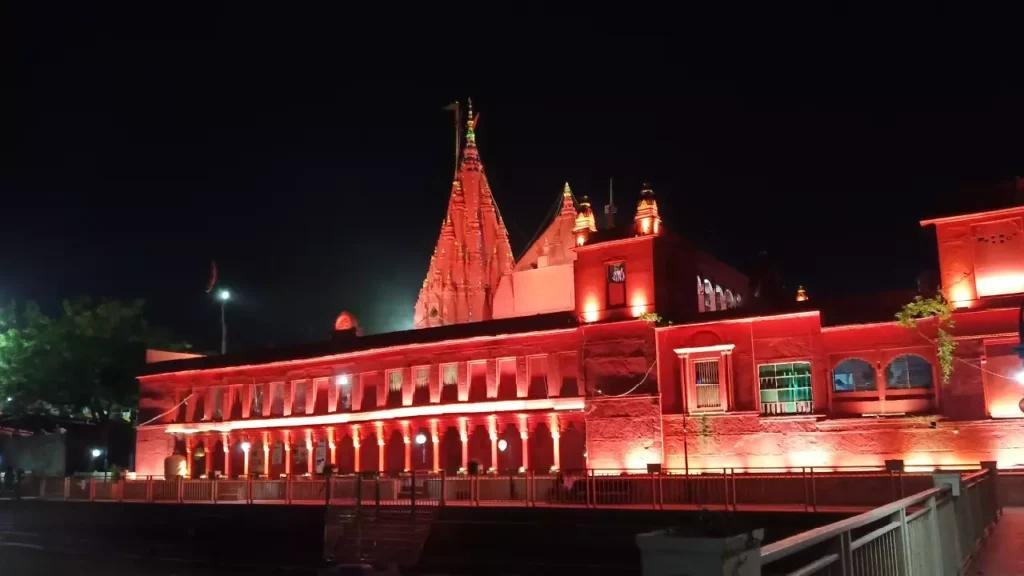
Devotees attend the Durga Kund Aarti to pray for courage, protection, spiritual strength and freedom from fear. While the morning ceremony has a peaceful and meditative character, the evening Aarti is more vibrant, with the red temple glowing under lamps and devotional chants echoing through the complex.
History of Durga Kund Temple and Its Aarti Tradition
The present Durga Kund Temple is generally dated to the 18th century and is associated with Rani Bhabani of Natore, a Bengali queen remembered for supporting temples and religious institutions. The temple was constructed in the North Indian Nagara architectural style and is distinguished by its red exterior, multiple spires and location beside the rectangular water reservoir known as Durga Kund.
According to local belief, the sacred presence of Maa Durga at this site is much older than the existing temple structure. A widely shared tradition holds that the principal representation of the goddess was not created by human hands but manifested through divine power. Some local accounts explain that Maa Durga is worshipped here in a sacred yantra form.
The daily Aarti tradition developed as an essential part of the temple’s continuing Shakta worship. Instead of being a performance for visitors, it remains a living act of devotion through which priests and worshippers honour the goddess at important transitions of the day. The lighting of the morning lamp marks the spiritual awakening of the shrine, while the evening ceremony offers gratitude before the conclusion of daily worship.
The Aarti becomes especially significant during Chaitra Navratri and Sharad Navratri. The fourth day of Navratri, dedicated to Maa Kushmanda, holds particular importance here. Elaborate adornment, extended prayers, Durga Saptashati recitations, devotional music and larger congregations may accompany the regular ceremonies during these celebrations.
Spiritual Significance of Durga Kund Aarti
In Hindu worship, Aarti represents the removal of spiritual darkness through divine light. At Durga Kund, the ceremony honours Maa Durga as the force that protects righteousness and gives devotees the strength to face fear, uncertainty and adversity.
The lamp flame represents pure consciousness. When it is moved in circular patterns before the goddess, devotees symbolically offer the elements of creation back to their divine source. The ringing of bells helps focus the mind, while the conch shell traditionally announces the beginning of sacred worship and the victory of positive energy over negativity.
Incense signifies the spreading of noble thoughts and devotion. Flowers express purity and gratitude, while bhajans allow worshippers to participate through music even if they do not know the Sanskrit mantras recited by the priests. At the conclusion of the ceremony, devotees place their hands over the Aarti flame and touch their forehead, symbolically receiving divine light and grace.
Collective participation is another important aspect of Durga Kund Aarti. When devotees chant together, the ceremony becomes a shared expression of faith rather than an individual prayer. This sense of spiritual unity is one of the principal reasons people return to the Aarti whenever they visit Varanasi.
Benefits of Attending Durga Kund Aarti
- Spiritual peace: The combination of sacred chants, lamps and prayer can help devotees experience quietness and emotional balance.
- Inner courage: Maa Durga represents strength and fearlessness, inspiring worshippers to approach personal difficulties with confidence.
- Focused devotion: Participating in the ritual helps direct the mind away from everyday distractions and towards prayer.
- Positive atmosphere: The sounds of bells, conches, mantras and bhajans create an uplifting devotional environment.
- Connection with Shakti worship: The Aarti introduces visitors to the traditions through which divine feminine energy is honoured in Varanasi.
- Cultural understanding: Visitors witness a living form of Hindu worship that has been preserved across generations.
- Community prayer: Chanting with other devotees creates a feeling of unity, shared faith and spiritual belonging.
- Meaningful reflection: The ceremony provides a peaceful opportunity to express gratitude and consider one’s intentions.
What Makes Durga Kund Aarti Special?
The setting of the ceremony makes Durga Kund Aarti particularly memorable. The temple’s red colour represents energy, power and the protective form of Maa Durga. When the brass or earthen lamps are lit, their golden glow creates a striking contrast against the red walls and decorated shrine.
The Aarti follows traditional Shakta forms of worship. Priests prepare the sanctum, offer flowers and incense, recite invocations and present the sacred lamp before the goddess. Bells are sounded during the ceremony, and a conch may be blown to mark an important stage of worship. Devotees frequently respond with chants such as “Jai Mata Di” and join in familiar hymns dedicated to Maa Durga.
Shringar is another important part of worship at the temple. The sacred form of the goddess may be adorned with red cloth, flowers, garlands, ornaments and vermilion. The appearance of the shrine can change during festivals or special observances, giving returning devotees a renewed devotional experience.
During Navratri, the temple receives far larger numbers of devotees. Special decorations, recitations, bhajans and expanded worship may surround the regular Aarti. Tuesdays and Fridays are also traditionally considered auspicious for goddess worship and can attract larger gatherings.
Durga Kund Aarti Timings
- Mangala or Morning Aarti: Commonly reported at approximately 5:00 AM, around the opening of the temple.
- Morning Shringar and Worship: Performed after the opening rituals; the exact sequence and time can vary.
- Bhog Offering: Commonly performed around 12:00 PM before the temple’s afternoon interval.
- Sandhya or Evening Aarti: Commonly reported at approximately 7:00 PM and generally considered the most atmospheric ceremony for visitors.
The published visiting hours are generally 5:00 AM to 12:00 PM and 4:00 PM to 9:00 PM. Devotees wishing to attend a specific ceremony should arrive 20–30 minutes early and confirm the day’s schedule locally, as ritual times can vary with the season.
Note: Timings may change during festivals or according to temple administration.
Rituals Performed During the Aarti
Preparation of the Shrine
Before the Aarti begins, the worship area is prepared and the sacred form of Maa Durga is decorated. Flowers, red cloth, vermilion, garlands and other traditional offerings may be presented according to the day’s ritual programme.
Lighting of Sacred Lamps
The priest lights an Aarti lamp containing cotton wicks and ghee or oil. The illuminated lamp is moved in circular patterns before the goddess. Each movement is offered with reverence and represents the surrender of the devotee’s mind, senses and actions to the divine.
Chanting and Bhajans
Mantras, Durga prayers and devotional hymns accompany the lamp offering. During special occasions, recitations from the Durga Saptashati or other Shakta scriptures may form part of the broader worship. Devotees often join the bhajans and repeat the names of Maa Durga.
Bells, Conch and Incense
Temple bells are rung to maintain the rhythm of worship and focus the attention of the congregation. The blowing of the conch carries ceremonial importance, while incense is offered as a symbol of purity, prayer and the spreading of divine fragrance.
Flowers, Bhog and Prasad
Flowers, sweets, fruits, coconuts and other permitted offerings may be presented to the goddess. After the worship is completed, sanctified food or prasad may be distributed among devotees. Visitors should accept prasad respectfully with the right hand or both hands.
Temple Dress Code and Visitor Guidelines
- Wear modest and respectful clothing suitable for an active place of worship.
- Remove footwear before entering the designated temple area.
- Keep conversations quiet, particularly when prayers and Aarti are in progress.
- Do not obstruct priests or cross restricted areas around the sanctum.
- Ask before taking photographs, as photography may be restricted near the inner shrine.
- Stand in the designated queue and avoid pushing during crowded periods.
- Keep personal belongings secure and avoid carrying unnecessary valuables.
- Follow instructions issued by priests, security personnel and temple administration.
Best Time to Attend Durga Kund Aarti
Early morning is suitable for devotees seeking a quieter ceremony. The atmosphere around the opening worship is generally peaceful, and the softer chants and lamp light make it easier to focus on personal prayer.
Evening is ideal for experiencing the visual and collective energy of the Aarti. The glow of the lamps, illuminated red temple, ringing bells and larger gathering of devotees create a more vibrant atmosphere. Arriving before the evening ceremony also gives visitors enough time to join the queue without rushing.
Navratri offers the most elaborate devotional experience, especially on the fourth day associated with Maa Kushmanda. However, crowds can be considerable, and access arrangements may change. Tuesdays, Fridays and major goddess festivals are also busier than ordinary weekdays.
Travellers planning a wider spiritual journey through Varanasi can use Mudras Stays to explore accommodation near Durga Kund and other sacred areas, making it easier to reach the temple before morning or evening worship.
Nearby Attractions
- Tulsi Manas Mandir: Located close to Durga Kund, this temple is associated with the Ramcharitmanas and contains verses from the sacred work on its walls.
- Sankat Mochan Hanuman Temple: A revered Hanuman shrine situated a short distance away and closely connected with the devotional traditions of Varanasi.
- Assi Ghat: One of Varanasi’s best-known riverfront locations, popular for sunrise visits, devotional programmes and views of the Ganga.
Interesting Facts About Durga Kund Aarti and Temple
- The temple derives the name Durga Kund from the large rectangular sacred pond situated beside it.
- The present structure is associated with Rani Bhabani of Natore and dates to the 18th century.
- The temple’s red colour represents the strength, energy and protective power of Maa Durga.
- The goddess is closely associated here with Maa Kushmanda, the fourth form worshipped during Navratri.
- Local tradition regards the sacred representation of the goddess as self-manifested rather than fashioned by human hands.
- The multi-tiered temple spires follow the Nagara tradition of North Indian architecture.
- The temple is sometimes called the Monkey Temple because monkeys are frequently seen around the complex.
- The Durga Kund Aarti becomes especially elaborate during Navratri, when decorations, recitations and devotional gatherings increase.
Frequently Asked Questions About Durga Kund Aarti
What is Durga Kund Aarti?
Durga Kund Aarti is a daily lamp-offering ceremony performed before Maa Durga at Durga Kund Temple in Varanasi. It includes sacred lamps, prayers, bells, incense and devotional chanting.
Where is Durga Kund Aarti performed?
The Aarti is performed inside Durga Mandir beside the sacred Durga Kund in the Bhelupur area of Varanasi, Uttar Pradesh.
What are the Durga Kund Aarti timings?
The morning Aarti is commonly reported at around 5:00 AM, while the evening Aarti is generally held around 7:00 PM. Visitors should confirm the schedule locally because timings may change.
Can anyone attend Durga Kund Aarti?
Yes. The ceremony is generally open to devotees and respectful visitors, subject to temple rules, crowd-control arrangements and any restrictions applied during festivals.
Is there an entry fee for the Aarti?
There is generally no entry fee for attending the regular Durga Kund Aarti. Charges may apply only to independently arranged services or specific offerings.
What should devotees wear while attending the Aarti?
Visitors should wear modest clothing that covers the shoulders and knees. Traditional Indian attire is welcome but is not normally compulsory.
Which Durga Kund Aarti is the most popular?
The Sandhya or evening Aarti is particularly popular because the glowing lamps, temple illumination, bells and collective chanting create a vibrant devotional atmosphere.
What is the best time to experience Durga Kund Aarti?
Attend the morning Aarti for a quieter experience or the evening Aarti for a livelier ceremony. Navratri offers special worship and decorations but also attracts much larger crowds.