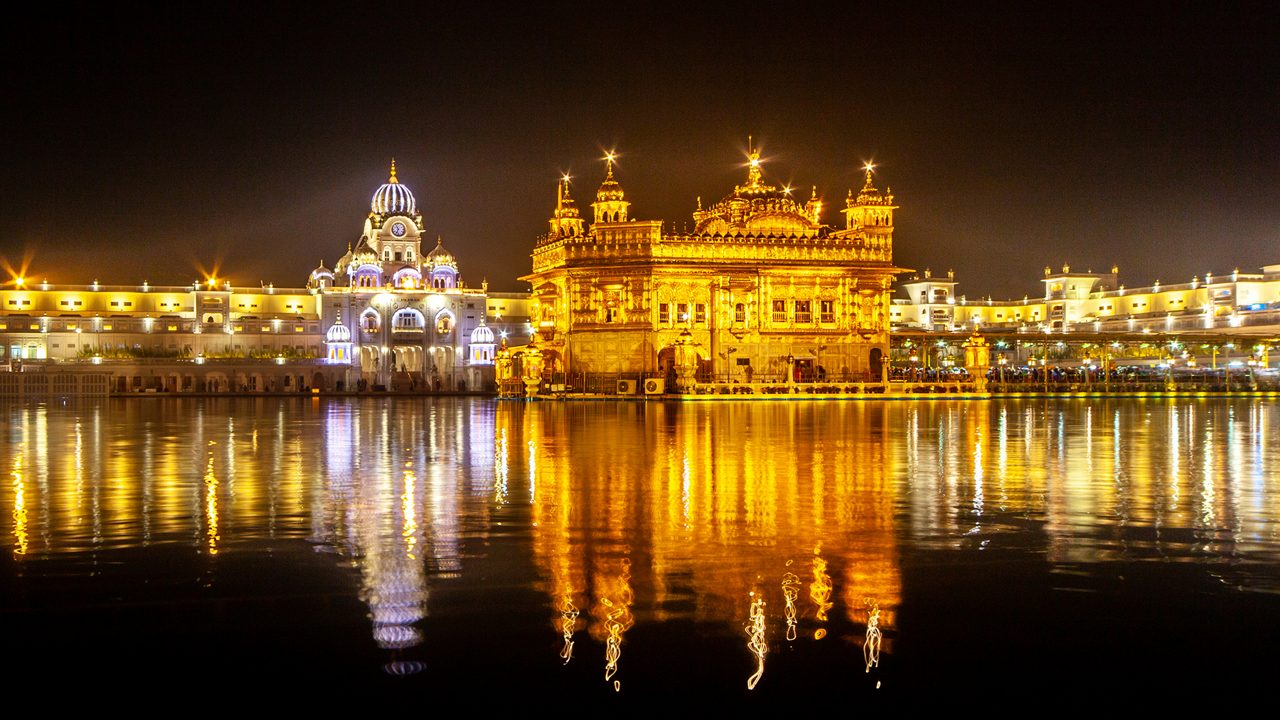
 ✨ Home of Golden Temple
Amritsar
✨ Home of Golden Temple
Amritsar
The Golden Temple (Harmandir Sahib)
The Golden Temple, also known as Harmandir Sahib, stands as one of the most spiritually uplifting and architecturally stunning religious sites in the world. Located in the heart of Amritsar, this sacred shrine is the holiest pilgrimage destination for Sikhs and a symbol of universal brotherhood, peace, and devotion. Surrounded by the serene Amrit Sarovar (holy water tank), the temple’s gold-plated structure appears to float gracefully at the center, reflecting beautifully in the water and creating an atmosphere of deep calm and spiritual connection. The complex is open to people of all faiths, welcoming millions of visitors every year who come seeking blessings, inner peace, and a sense of unity. Founded by Guru Ram Das and completed under the guidance of Guru Arjan Dev, the Golden Temple is not just a place of worship but a living embodiment of Sikh values such as equality, humility, and selfless service. At its core lies the sacred scripture, the Guru Granth Sahib, which is recited continuously, filling the entire परिसर with divine hymns and spiritual energy. One of the most remarkable aspects of the Golden Temple is its Langar, the world’s largest free community kitchen, where thousands of people are served meals every day regardless of caste, religion, or background. This tradition of selfless service makes the temple a powerful symbol of humanity and inclusiveness. Open 24 hours a day, the temple offers a unique experience at every hour. Early mornings bring a peaceful and meditative environment, while evenings transform the shrine into a glowing spectacle as it lights up against the night sky, attracting visitors for its breathtaking beauty. The Golden Temple is surrounded by a vibrant spiritual and cultural environment, with narrow streets, local markets, and historic landmarks adding to the richness of the experience. Nearby attractions such as Jallianwala Bagh and Wagah Border further enhance the destination, making Amritsar a complete blend of devotion, history, and culture. Easily accessible by air, rail, and road, Amritsar serves as a major hub for both domestic and international travelers. The Golden Temple’s year-round accessibility and continuous footfall make it one of the most consistently visited spiritual destinations in India. A visit to the Golden Temple is not just a journey of faith but an experience of peace, equality, and timeless devotion that leaves a lasting impression on every visitor.
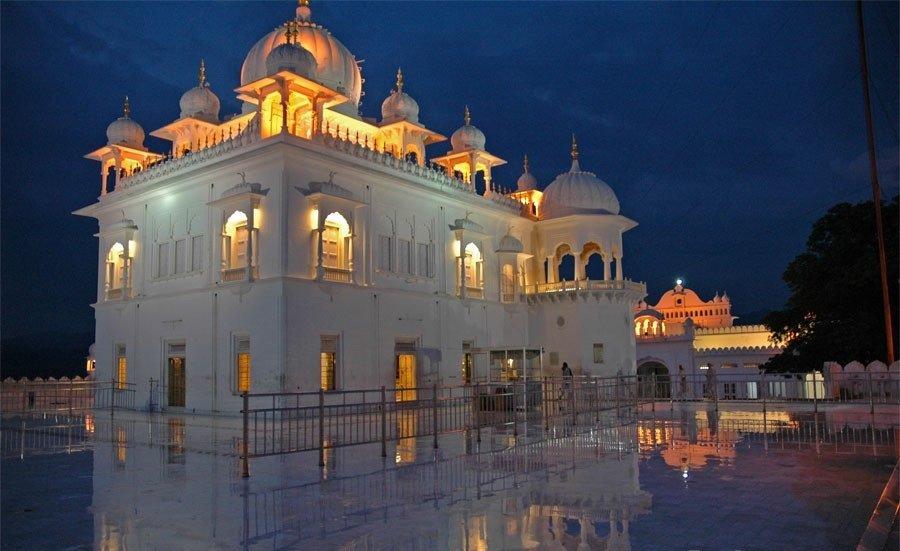 ⚔️ Birthplace of the Khalsa
Anandpur Sahib
⚔️ Birthplace of the Khalsa
Anandpur Sahib
Anandpur Sahib Temple
Anandpur Sahib is one of the most important Sikh pilgrimage destinations. It is the birthplace of the Khalsa Panth established by Guru Gobind Singh Ji in 1699. Anandpur Sahib, nestled at the foothills of the Shivalik range in Punjab, is one of the most sacred and historically significant cities in Sikhism. Revered as the birthplace of the Khalsa Panth, this spiritual town holds immense importance for devotees and stands as a symbol of courage, faith, and Sikh identity. Founded in 1665 by Guru Tegh Bahadur, Anandpur Sahib later became the center of major spiritual and historical developments under Guru Gobind Singh. It was here, in 1699, that Guru Gobind Singh established the Khalsa, marking a defining moment in Sikh history that emphasized equality, bravery, and devotion. At the heart of Anandpur Sahib lies Takht Sri Kesgarh Sahib, one of the five Takhts (seats of authority) in Sikhism. This sacred shrine is a major place of pilgrimage, where devotees gather to pay their respects and connect with the rich spiritual heritage of the Sikh faith. The architecture reflects a blend of fort-like strength and divine serenity, symbolizing both protection and spirituality. Anandpur Sahib is especially vibrant during the festival of Hola Mohalla, a grand celebration initiated by Guru Gobind Singh. Held annually, it showcases traditional martial arts, mock battles, processions, kirtans, and community gatherings, attracting lakhs of devotees and tourists from across the country. The energy, devotion, and cultural display during this time make it one of the most unique festivals in India. Surrounded by scenic hills and a peaceful environment, Anandpur Sahib offers a calm and spiritually uplifting experience. The town is dotted with several historic gurudwaras and sites that narrate stories of sacrifice, valor, and devotion, making it not just a pilgrimage destination but also a place of deep historical significance. The destination is well-connected by road and rail, with easy access from major cities like Chandigarh and Delhi. Its year-round accessibility, combined with peak demand during festivals and religious occasions, ensures a steady flow of pilgrims and visitors. A visit to Anandpur Sahib is more than just a religious journey—it is an immersion into the roots of Sikh heritage, where spirituality, history,
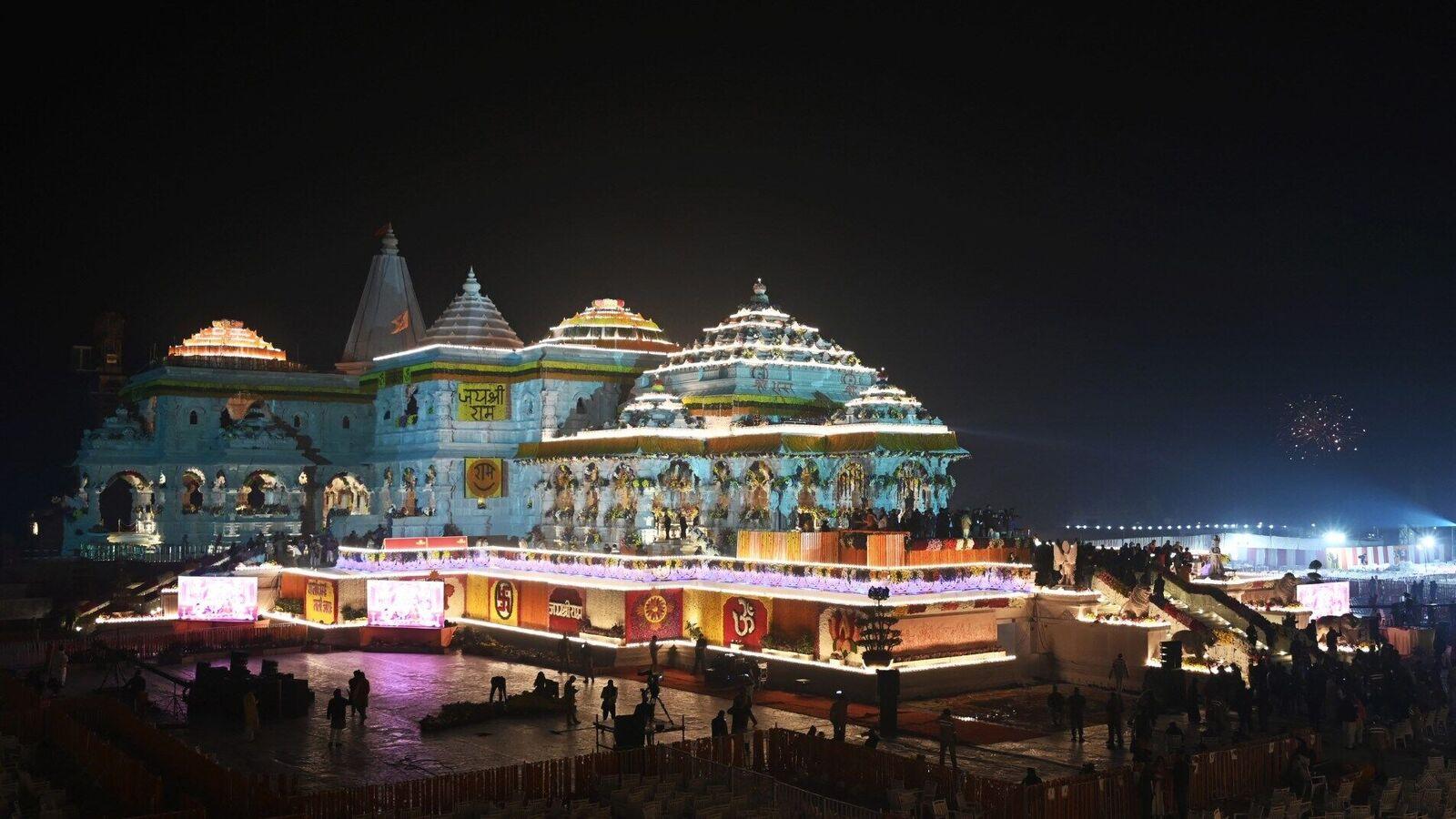 🚩 Birthplace of Lord Ram
Ayodhya
🚩 Birthplace of Lord Ram
Ayodhya
Shree Ram Janmabhoomi Mandir
The ancient birthplace of Lord Ram, now home to the magnificent new Ram Mandir temple, a spiritual landmark for all Hindus. The Ram Mandir in Ayodhya stands as one of the most significant and iconic spiritual landmarks in modern India, symbolizing faith, devotion, and cultural heritage. Located in the sacred city of Ayodhya, on the banks of the holy Saryu River, this grand temple is dedicated to Lord Rama, who is revered as the seventh incarnation of Lord Vishnu. Ayodhya is believed to be the birthplace (Janmabhoomi) of Lord Rama, making the Ram Mandir one of the most important pilgrimage destinations for Hindus worldwide. The temple represents centuries of devotion and has emerged as a major center of spiritual tourism, attracting millions of devotees every year. Designed in traditional Nagara-style architecture, the Ram Mandir showcases intricate carvings, विशाल pillars, and a magnificent structure built using sandstone, reflecting timeless Indian craftsmanship. The temple complex is expansive, with beautifully planned pathways, courtyards, and facilities to accommodate the growing number of pilgrims visiting the shrine. The spiritual atmosphere of the temple is deeply powerful, especially during darshan hours when chants of “Jai Shri Ram” echo across the complex. The experience becomes even more mesmerizing during festivals like Ram Navami and Diwali, when Ayodhya is illuminated with thousands of lamps, creating a divine and festive environment. The surrounding city of Ayodhya further enhances the spiritual journey, with numerous temples and sacred sites such as Hanuman Garhi, Kanak Bhawan, and the ghats along the Saryu River, where devotees gather for holy dips and evening aarti. With rapidly developing infrastructure, improved connectivity, and a surge in pilgrim footfall, Ayodhya has become one of the fastest-growing religious destinations in India. The Ram Mandir is at the center of this transformation, drawing not only devotees but also cultural and heritage travelers from across the globe. A visit to the Ram Mandir is more than just a pilgrimage—it is an emotional and spiritual experience that reflects devotion, tradition, and the timeless legacy of Lord Rama.
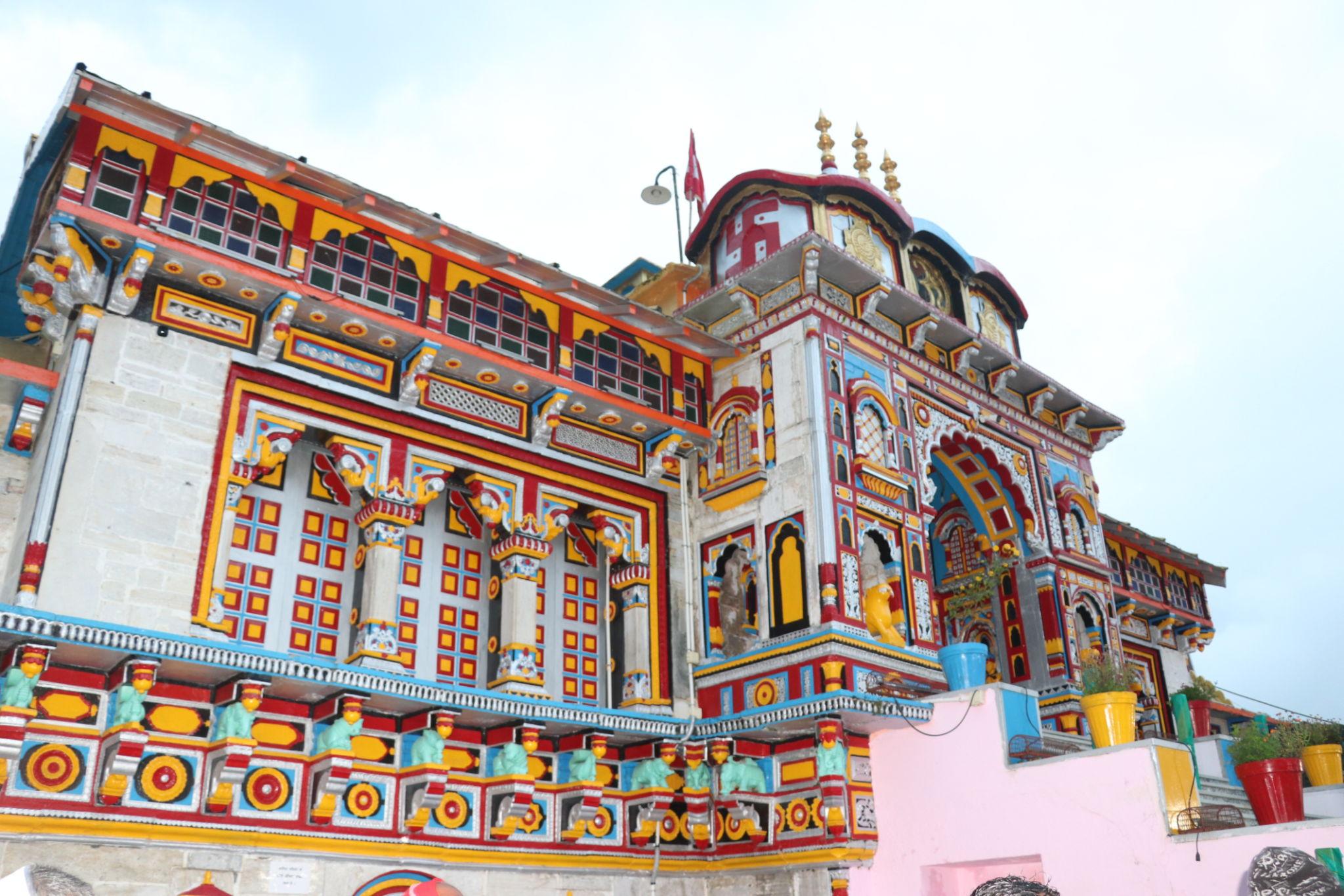 🙏 Sacred Seat of Lord Vishnu
Badrinath
🙏 Sacred Seat of Lord Vishnu
Badrinath
Badrinath Temple
Badrinath is one of the four sacred Char Dham pilgrimage sites dedicated to Lord Vishnu. Surrounded by the majestic Himalayas, it attracts devotees seeking spiritual fulfillment and divine blessings. Badrinath Dham, nestled in the majestic Garhwal Himalayas of Uttarakhand, is one of the most sacred pilgrimage sites in India and an integral part of the revered Char Dham Yatra. Located along the banks of the Alaknanda River at an altitude of approximately 3,300 meters, this divine destination is dedicated to Lord Vishnu in his form as Badrinarayan. Surrounded by snow-capped peaks and breathtaking natural beauty, Badrinath offers a deeply spiritual and serene atmosphere that attracts lakhs of devotees every year. The temple stands against the backdrop of the majestic Neelkanth Peak, adding to the divine aura of the place. According to Hindu beliefs, Badrinath is one of the holiest abodes of Lord Vishnu and holds immense importance in both the Char Dham (Badrinath, Dwarka, Puri, Rameswaram) and Chota Char Dham circuits (Badrinath, Kedarnath, Gangotri, Yamunotri). It is believed that a visit to Badrinath helps devotees attain spiritual liberation (moksha). The temple is open only for a limited period each year, typically from April/May to October/November, due to extreme winter conditions when the region is covered in heavy snowfall. During the yatra season, the town transforms into a vibrant hub of pilgrims, spiritual seekers, and travelers. The journey to Badrinath itself is considered sacred, passing through scenic mountain routes, rivers, and holy towns. Devotees often travel via Rishikesh, Joshimath, and other key stops before reaching the temple. The spiritual experience is enhanced by nearby sacred sites such as Tapt Kund, where pilgrims take a holy dip before entering the temple, and Mana Village, known for its mythological significance and proximity to the Indo-Tibetan border. Despite its remote location, Badrinath attracts a wide range of travelers, including families, elderly devotees, and organized pilgrimage groups. The limited operational season, combined with high demand, makes it one of the most dynamic and high-footfall spiritual destinations in India. The peaceful surroundings, divine energy, and powerful religious significance make Badrinath Dham not just a place of worship, but a transformative spiritual journey set amidst the grandeur of the Himalayas.
 🏔️ Gateway to Yamunotri Dham
Barkot
🏔️ Gateway to Yamunotri Dham
Barkot
Barkot Temple
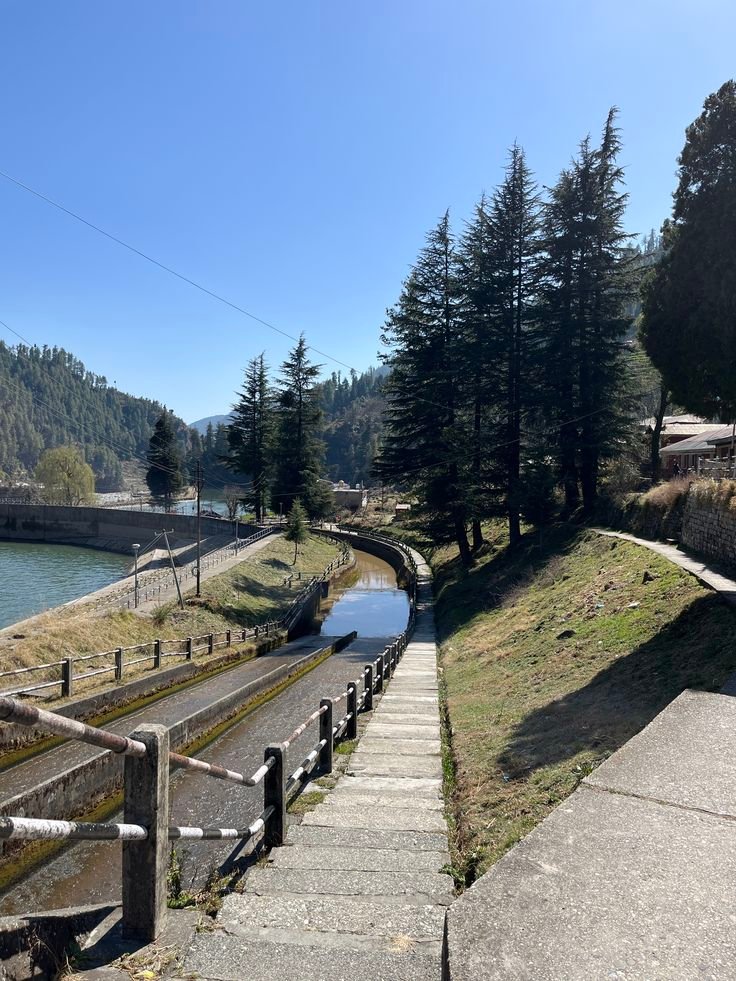
Barkot is one of the principal accommodation and transit hubs for pilgrims travelling towards Yamunotri as part of the Char Dham Yatra in Uttarakhand. Located in Uttarkashi district, Barkot is surrounded by beautiful Himalayan landscapes and provides convenient road access towards Hanumanchatti and Jankichatti, from where pilgrims continue towards Yamunotri Dham. Because Barkot offers more hotels and services than several smaller settlements closer to the shrine, many Char Dham travellers choose to spend the night here before continuing their journey. Through MudrasStays, visitors can explore hotels in Barkot, Yamunotri route hotels, Char Dham stays, family accommodation in Barkot and budget hotels near Yamunotri. The town's combination of road connectivity, accommodation availability, local markets and scenic surroundings makes it a practical base for families, senior citizens and larger pilgrimage groups preparing for the Yamunotri section of the Char Dham Yatra.
 ☸️ Where Buddha Attained Enlightenment
Bodh Gaya
☸️ Where Buddha Attained Enlightenment
Bodh Gaya
Bodh Gaya Temple
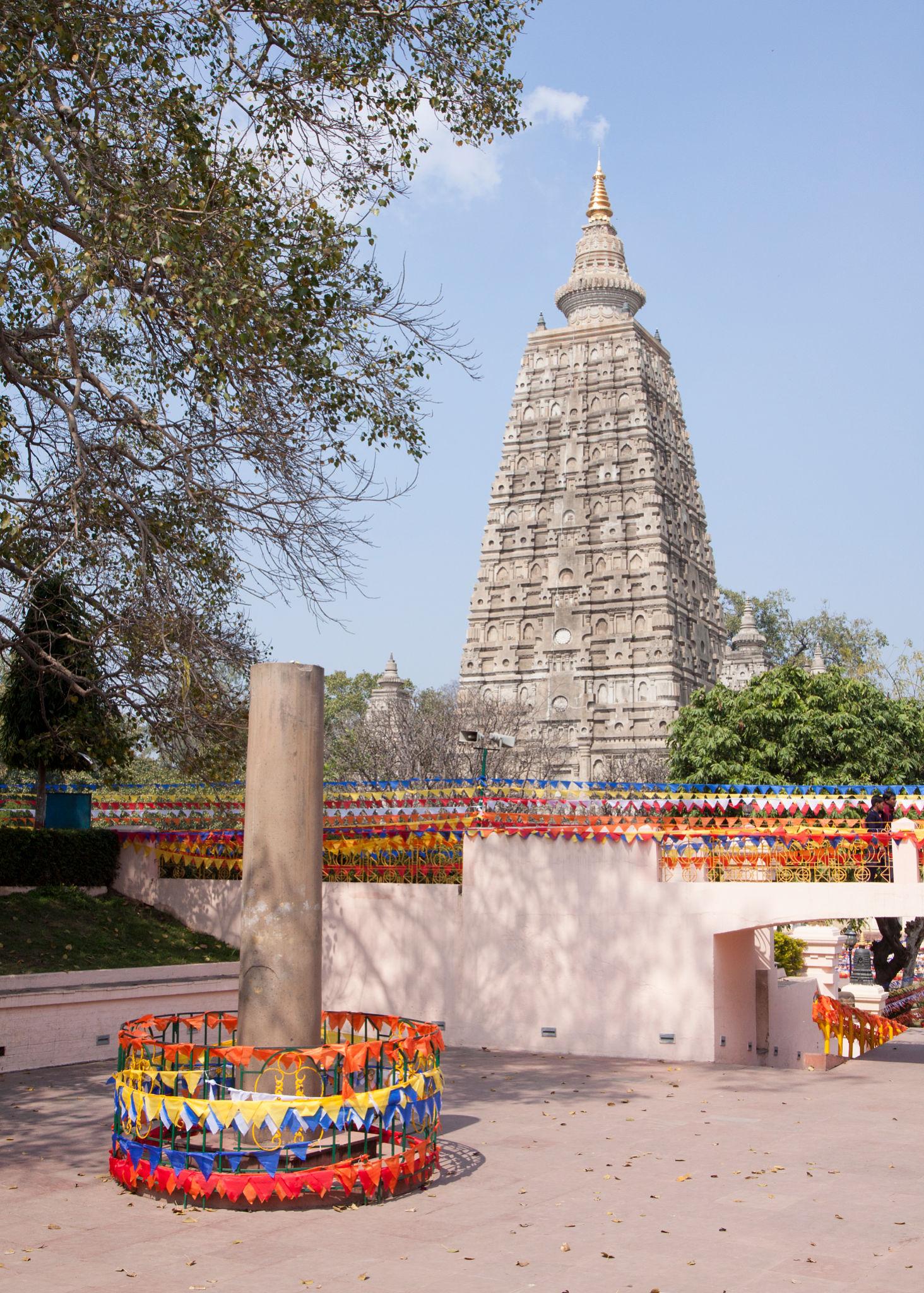
Bodh Gaya is the most sacred Buddhist pilgrimage site in the world — where Gautama Buddha attained enlightenment beneath the Bodhi Tree. The Mahabodhi Temple Complex is a UNESCO World Heritage Site. Located in the sacred town of Bodh Gaya, the Mahabodhi Temple is one of the most revered spiritual destinations in the world and the holiest site in Buddhism. It is here that Gautama Buddha attained enlightenment under the sacred Bodhi Tree, making Bodh Gaya a place of immense global religious significance and spiritual energy. Set along the tranquil banks of the Phalgu River, the temple complex exudes a serene and meditative atmosphere, attracting pilgrims, monks, and travelers from across the world. Recognized as a UNESCO World Heritage Site, the Mahabodhi Temple stands as a remarkable example of ancient Indian architecture, with its towering stupa rising approximately 55 meters high, surrounded by beautifully carved railings and sacred monuments. The heart of the complex lies in the Vajrasana, also known as the Diamond Throne, which marks the exact spot where Buddha meditated and achieved enlightenment. The Bodhi Tree, believed to be a direct descendant of the original tree, continues to be the focal point of devotion, where visitors engage in meditation, prayer, and reflection. Bodh Gaya is not just a pilgrimage site but a global spiritual hub, with monasteries and temples built by various Buddhist countries such as Thailand, Japan, Bhutan, and Sri Lanka, each reflecting unique architectural styles and traditions. The town maintains a peaceful and disciplined environment, ideal for meditation, spiritual learning, and long stays. The destination experiences a steady flow of international and domestic visitors throughout the year, with peak footfall during festivals like Buddha Purnima, when the entire town comes alive with prayers, ceremonies, and cultural gatherings. The presence of international pilgrims also gives Bodh Gaya a unique cosmopolitan spiritual character. Easily accessible via Gaya, which is well connected by air, rail, and road, Bodh Gaya offers a range of accommodations from budget lodges to premium hotels and monastery guesthouses. Travelers visiting this destination often seek calm, clean, and spiritually aligned stays, making it distinct from typical tourist locations. A visit to Bodh Gaya is not just a journey but a deeply transformative experience, where spirituality, history, and global cultural heritage come together in a peaceful and sacred environment that continues to inspire millions across generations.
 🌄 Peaceful Gateway to Garhwal
Chamba
🌄 Peaceful Gateway to Garhwal
Chamba
Chamba Temple
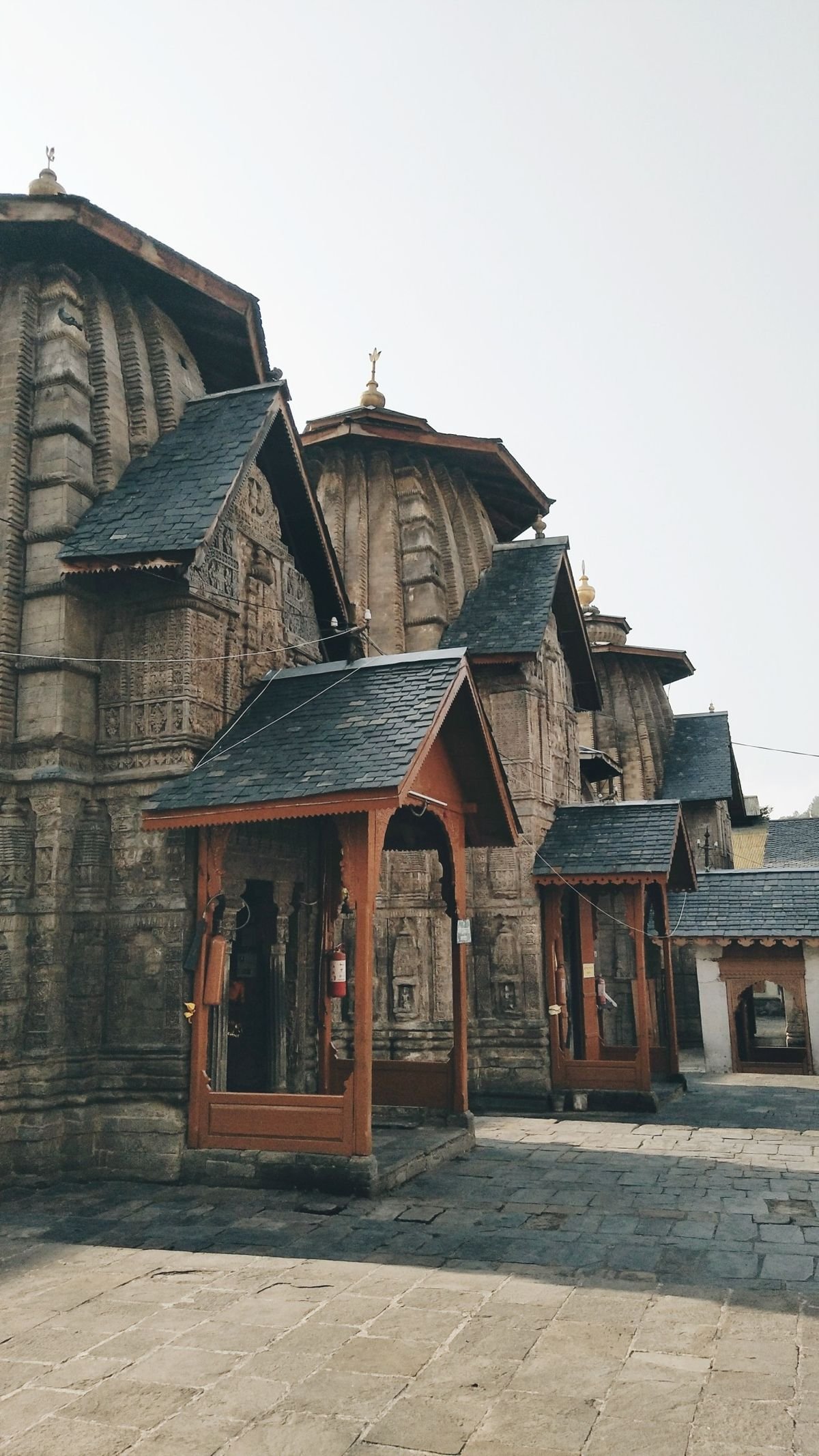
Chamba is a peaceful hill town in Tehri Garhwal and can serve as a useful intermediate stop for travellers undertaking an extended Char Dham Yatra through Uttarakhand. Located along important roads connecting Rishikesh, Tehri and the higher Garhwal region, Chamba offers pleasant Himalayan views, comfortable weather and access to nearby religious attractions. The town provides hotels, guest houses, restaurants and markets, allowing travellers to take a comfortable break before continuing deeper into the mountains. Through MudrasStays, visitors can search for hotels in Chamba Uttarakhand, Char Dham route hotels, Tehri accommodation, family stays in Chamba and budget hotels in Garhwal. Its strategic location makes Chamba particularly useful for road travellers looking to divide long Char Dham journeys into manageable sections. The town can also be combined with visits to nearby Tehri and Surkanda Devi Temple for a broader spiritual and sightseeing experience.
 ☸️ Home of the Dalai Lama
Dharamshala
☸️ Home of the Dalai Lama
Dharamshala
Dharamshala Temple
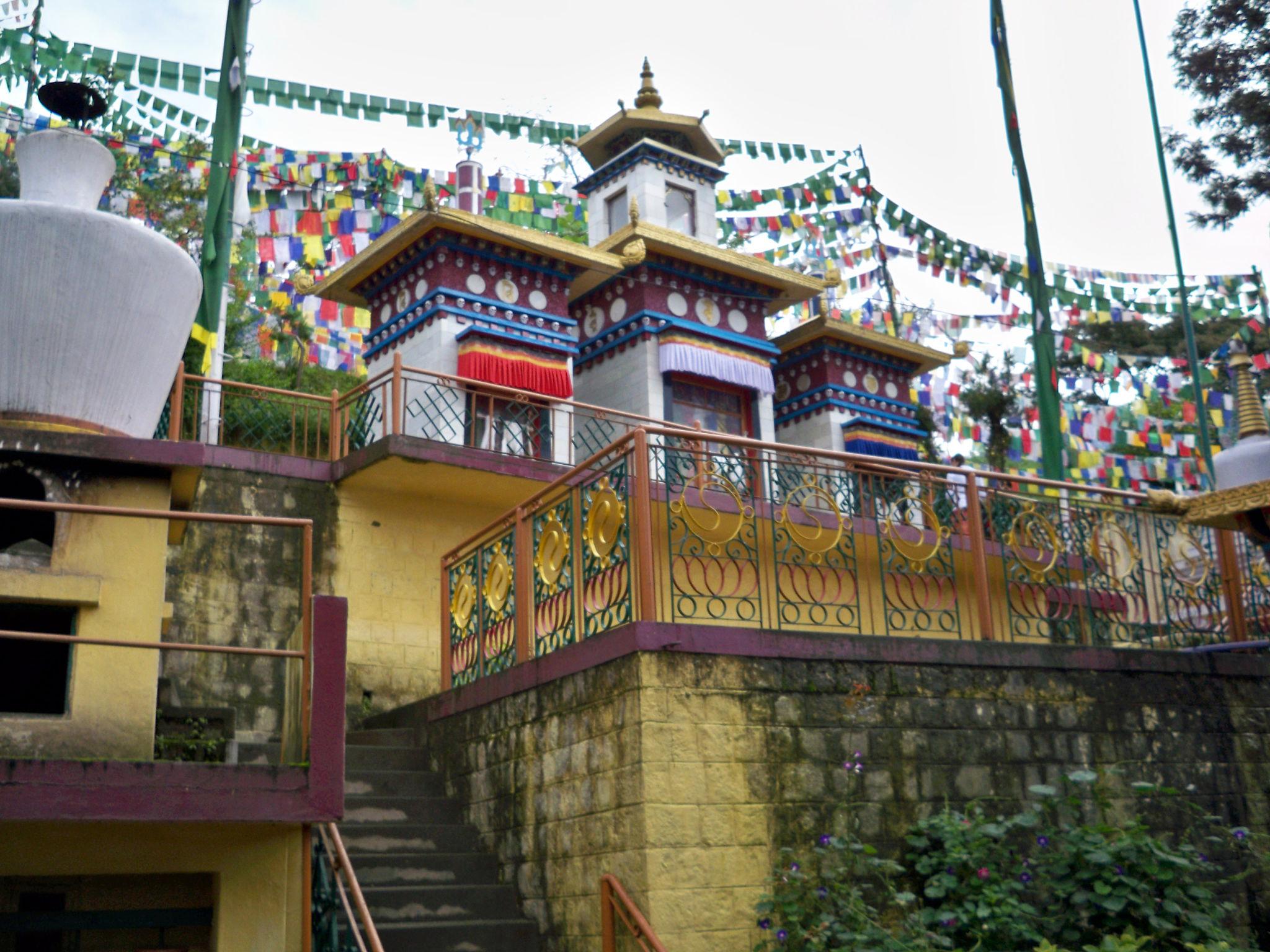
Dharamshala is known as the center of Tibetan Buddhism in India and the residence of His Holiness the Dalai Lama. The town attracts spiritual seekers, monks, and tourists from around the world. Nestled in the serene hills of Dharamshala, particularly in the upper region of McLeod Ganj, the Tsuglagkhang Complex serves as the spiritual and political center of Tibetan Buddhism in exile and is closely associated with Dalai Lama. Surrounded by the majestic Dhauladhar mountain range, this sacred site attracts spiritual seekers, monks, and travelers from across the world. The Tsuglagkhang Complex is the official residence of the Dalai Lama and houses the main temple, monasteries, prayer halls, and sacred shrines. The temple complex is deeply peaceful, filled with the sound of chanting monks, spinning prayer wheels, and the gentle rhythm of meditation practices, creating a calm and spiritually uplifting environment. Inside the temple, visitors can find large statues of Lord Buddha, along with representations of Avalokiteshvara and Padmasambhava, which are central figures in Tibetan Buddhism. The surroundings are designed to encourage meditation and reflection, with devotees often seen walking around the temple in a clockwise direction as part of traditional prayer rituals. Dharamshala, often referred to as “Little Lhasa,” has become a global center for Tibetan culture, spirituality, and learning since the arrival of the Dalai Lama in 1959. The town beautifully blends Indian and Tibetan influences, with monasteries, cafes, markets, and cultural centers offering a unique and peaceful atmosphere. The destination is visited throughout the year, with peak seasons during March to June and September to November when the weather is pleasant. It also hosts spiritual teachings and public addresses by the Dalai Lama (subject to schedule), attracting international audiences and followers of Buddhism. Apart from its religious importance, Dharamshala offers breathtaking natural beauty, with panoramic views, forest trails, and nearby attractions such as Bhagsu Nag Temple, Dal Lake, and Triund, making it a complete spiritual and nature retreat. Easily accessible via Kangra Airport, Pathankot railway station, and well-connected road networks, Dharamshala provides a range of accommodations from budget guesthouses to boutique hotels and retreats focused on wellness and meditation. A visit to Dharamshala and the Tsuglagkhang Complex is not just about sightseeing—it is a deeply calming and introspective experience, where spirituality, culture, and nature come together to create a unique and meaningful journey.
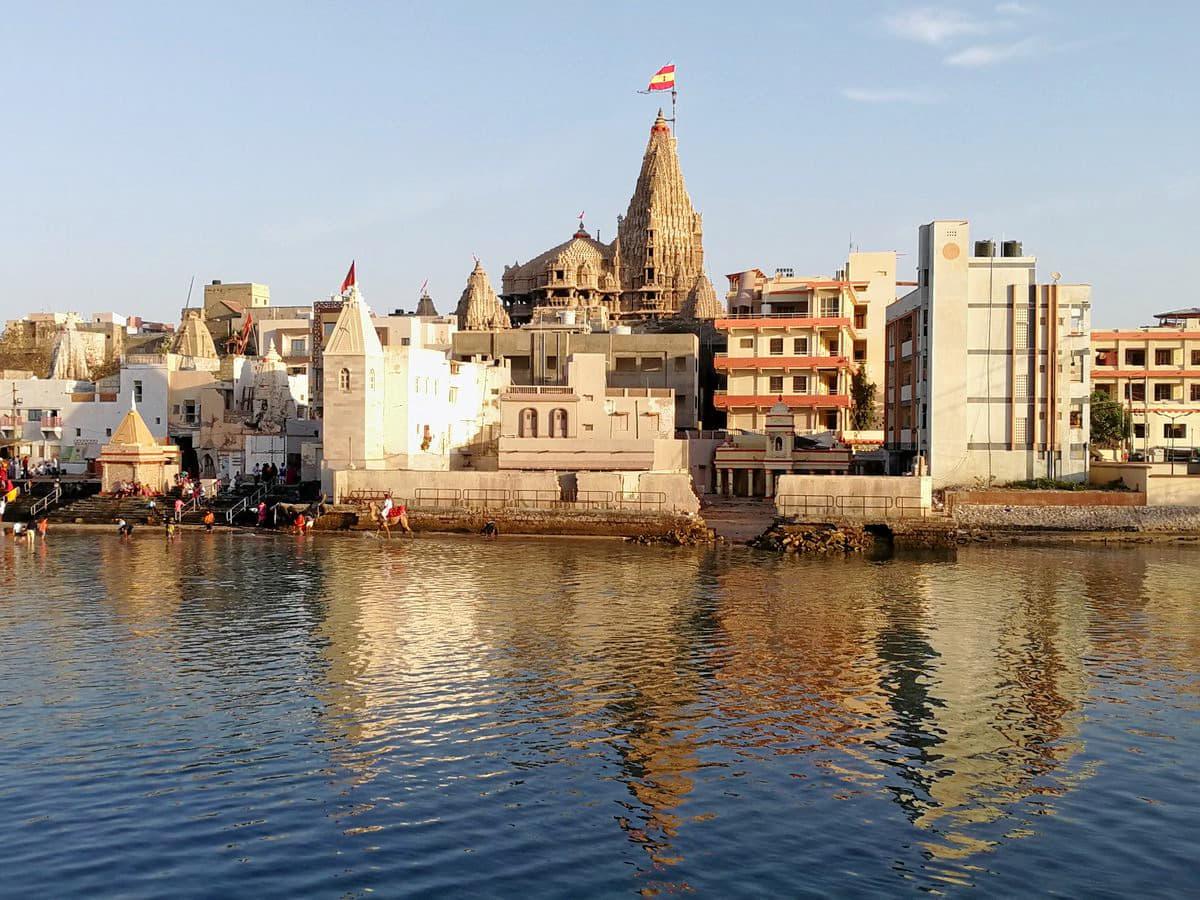 🕉️ Kingdom of Lord Krishna
Dwarka
🕉️ Kingdom of Lord Krishna
Dwarka
Dwarka Temple
Dwarka is one of the Char Dham pilgrimage sites and is believed to be the ancient kingdom of Lord Krishna. Renowned for the Dwarkadhish Temple and its profound spiritual significance in Hinduism. Located in the sacred coastal city of Dwarka, the Dwarkadhish Temple is one of the most revered pilgrimage sites in India and holds immense significance in Hinduism. Dedicated to Lord Krishna, worshipped here as Dwarkadhish (King of Dwarka), this ancient temple is a key part of the Char Dham Yatra and one of the Sapta Puri (seven sacred cities) in India. Dwarka is believed to be the legendary kingdom established by Lord Krishna after leaving Mathura, making it a place deeply rooted in mythology and devotion. The temple stands majestically on the banks of the Gomti River, near the Arabian Sea, creating a unique blend of spiritual and coastal charm. The architecture of the Dwarkadhish Temple is striking, featuring a multi-storied structure supported by intricately carved pillars and crowned with a towering spire rising over 70 meters. The temple’s flag, which is changed several times a day, is a major attraction and holds deep religious importance for devotees. The temple complex is always vibrant with spiritual energy, with devotees gathering for darshan and participating in daily rituals and aartis. The atmosphere becomes especially powerful during festivals like Janmashtami, when the entire city celebrates the birth of Lord Krishna with great enthusiasm and devotion. Dwarka attracts pilgrims throughout the year, with peak footfall during winter months and major festivals. Its accessibility by road, rail, and nearby airports makes it a well-connected destination for travelers from across India. The surrounding area enhances the spiritual journey, with important sites such as Bet Dwarka, Rukmini Temple, and the sacred ghats along the Gomti River, where pilgrims take holy dips before visiting the temple. As a major pilgrimage destination with consistent visitor flow, Dwarka offers a wide range of accommodations from budget lodges to premium hotels. Pilgrims often prefer stays close to the temple for easy access to darshan and participation in rituals. A visit to Dwarkadhish Temple is a deeply spiritual experience, where mythology, devotion, and coastal beauty come together to create a sacred destination that continues to inspire faith and श्रद्धा among millions of devotees.
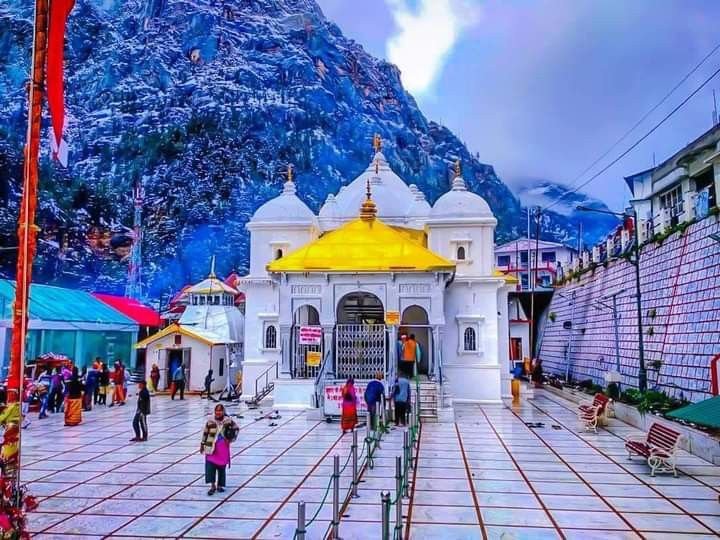 🌊 Sacred Origin of the River Ganga
Gangotri
🌊 Sacred Origin of the River Ganga
Gangotri
Gangotri Temple
Gangotri is one of the four sacred pilgrimage destinations of the Char Dham Yatra in Uttarakhand and is revered as the spiritual source of the River Ganga. Located in the high Himalayas of Uttarkashi district, Gangotri Temple is dedicated to Goddess Ganga and attracts devotees from across India during the pilgrimage season. The destination is surrounded by magnificent Himalayan scenery and lies along the Bhagirathi River, with the trekking route towards Gaumukh beginning from the wider Gangotri region. Accommodation near Gangotri ranges from pilgrim guest houses to basic hotels and lodges, making advance planning particularly valuable during peak Char Dham dates. Through MudrasStays, travellers can explore hotels near Gangotri Temple, Gangotri accommodation, Char Dham hotels, budget stays in Gangotri and pilgrimage guest houses near Gangotri Dham. For devotees completing the full Char Dham circuit, Gangotri represents one of the most spiritually significant destinations on the journey.
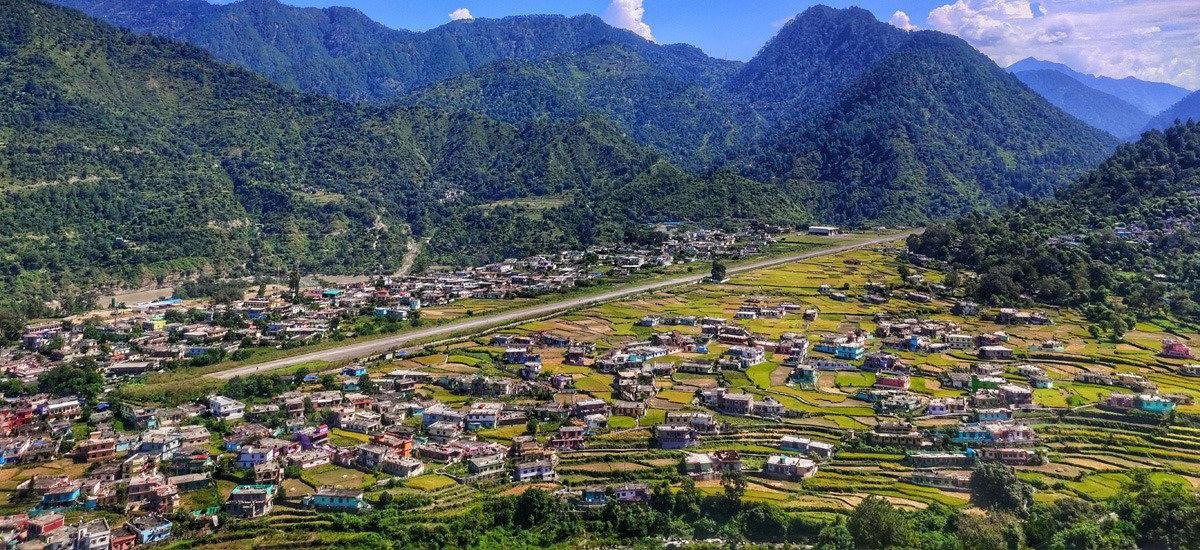 🏞️ Scenic Transit Hub on the Badrinath Route
Gauchar
🏞️ Scenic Transit Hub on the Badrinath Route
Gauchar
Gauchar Temple
Gauchar is an important town in Chamoli district of Uttarakhand and a convenient intermediate stop for travellers undertaking the Char Dham Yatra towards Badrinath Dham. Located in the Alaknanda Valley and positioned along the wider pilgrimage corridor through Karnaprayag, Nandprayag, Pipalkoti, Joshimath and Badrinath, Gauchar offers travellers a useful place to rest before continuing towards the higher Himalayan regions. The town is officially administered as Nagar Palika Parishad Gauchar, under Chamoli district. Gauchar is particularly well known for the historic Gauchar Mela, an important cultural and trade fair of Uttarakhand. According to the Chamoli district administration, the Gauchar Mela was first organised in 1943 and developed from the region's historic India-Tibet trading traditions. Over time, the fair has evolved into an important celebration of local culture, traditional commerce, handicrafts and community activities, adding a distinctive cultural identity to Gauchar beyond its role as a pilgrimage transit town. For travellers completing the Char Dham Yatra, Gauchar can be a practical overnight halt before proceeding towards Badrinath. Pilgrims travelling from Haridwar, Rishikesh, Devprayag, Srinagar or Rudraprayag can use Gauchar as an intermediate stop to break a long mountain journey into more manageable sections. Uttarakhand Tourism recorded approximately 17.78 lakh visitors to Badrinath in 2025, showing the substantial pilgrimage traffic travelling through the broader Badrinath corridor; therefore, the 17L+ label should be understood as Badrinath-route footfall rather than a Gauchar-specific visitor count. Another distinguishing feature of Gauchar is its aviation infrastructure. Uttarakhand Civil Aviation Development Authority lists Gauchar in the state's helicopter connectivity network, although the current Sahastradhara–Gauchar service is shown as temporarily not operating due to technical reasons. This air connectivity infrastructure reinforces Gauchar's wider importance as a strategic transport location in the Garhwal Himalayas. Travellers searching online for hotels in Gauchar, Gauchar hotels on the Badrinath route, Char Dham hotels in Chamoli, accommodation near Karnaprayag, budget hotels in Gauchar, family stays on the Badrinath highway, pilgrim accommodation in Chamoli and hotels between Rudraprayag and Joshimath can explore suitable properties through MudrasStays. By listing pilgrimage-focused accommodation at important intermediate towns such as Gauchar, MudrasStays can help devotees plan shorter travel stages, find convenient overnight stays and organise their Char Dham journey more comfortably. Gauchar is therefore more than simply a road stop on the way to Badrinath. Its Himalayan setting, cultural importance through the Gauchar Mela, proximity to Karnaprayag, transport infrastructure and position within the wider Badrinath pilgrimage corridor make it a useful destination for families, senior citizens, religious groups and road travellers. For visitors who want a comfortable intermediate halt while travelling through Chamoli during the Char Dham Yatra, Gauchar is a valuable addition to the MudrasStays network.
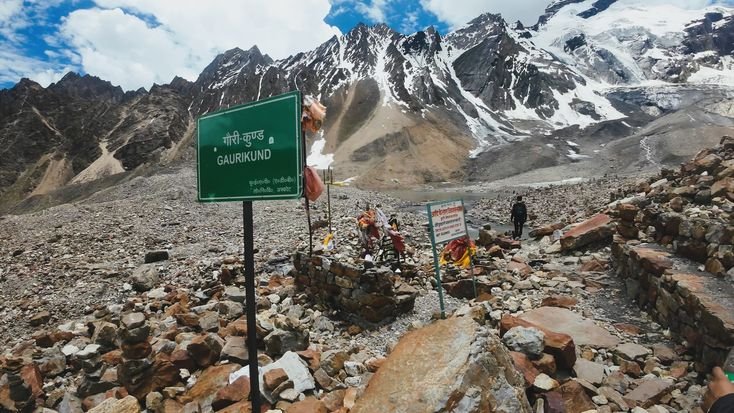 🥾 Starting Point of the Kedarnath Trek
Gaurikund
🥾 Starting Point of the Kedarnath Trek
Gaurikund
Gaurikund Temple
Gaurikund is the traditional starting point of the Kedarnath trek and one of the most important destinations on the Char Dham Yatra route in Uttarakhand. Located beyond Sonprayag, Gaurikund acts as the final major base before devotees begin their journey towards the sacred Kedarnath Temple. The destination is closely associated with Goddess Parvati and is known for the Gauri Temple and its deep religious significance. During the Char Dham season, Gaurikund becomes an important hub for trekking preparations, refreshments, essential travel supplies, pony services and palki arrangements. Many pilgrims prefer reaching the area early so they can begin their Kedarnath trek during the morning hours. Travellers searching for hotels near Gaurikund, Kedarnath trek accommodation, Char Dham stays, guest houses near Kedarnath and hotels near the Kedarnath trekking point can explore suitable options through MudrasStays. Its direct connection with the Kedarnath trekking trail makes Gaurikund one of the most important intermediate locations of the entire Char Dham journey.
 🥾 Trekking Base for Hemkund Sahib & Valley of Flowers
Ghangaria
🥾 Trekking Base for Hemkund Sahib & Valley of Flowers
Ghangaria
Ghangaria Temple
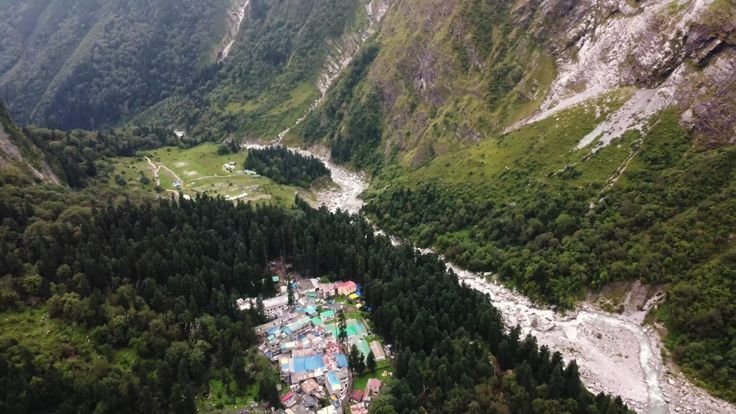
Ghangaria is an important trekking settlement in Chamoli district and a major base for travellers visiting Hemkund Sahib and the Valley of Flowers. Its location near the Badrinath corridor means it can also be incorporated into an extended Char Dham Yatra itinerary, particularly by travellers who want to combine temple pilgrimage with trekking and Himalayan exploration. The settlement is reached through the Govindghat-Pulna trekking route and provides accommodation, food and basic traveller facilities during the operating season. Because onward travel involves trekking, choosing appropriate accommodation in Ghangaria is especially important for rest and recovery. Through MudrasStays, visitors can explore hotels in Ghangaria, stays near Hemkund Sahib, Valley of Flowers accommodation, Char Dham route hotels and trekking accommodation near Badrinath. For pilgrims and adventure travellers combining Badrinath with Hemkund Sahib, Ghangaria serves as one of the most important overnight bases in the region.
 🕉️ Sacred Mountain of Faith
Girnar
🕉️ Sacred Mountain of Faith
Girnar
Girnar Temple
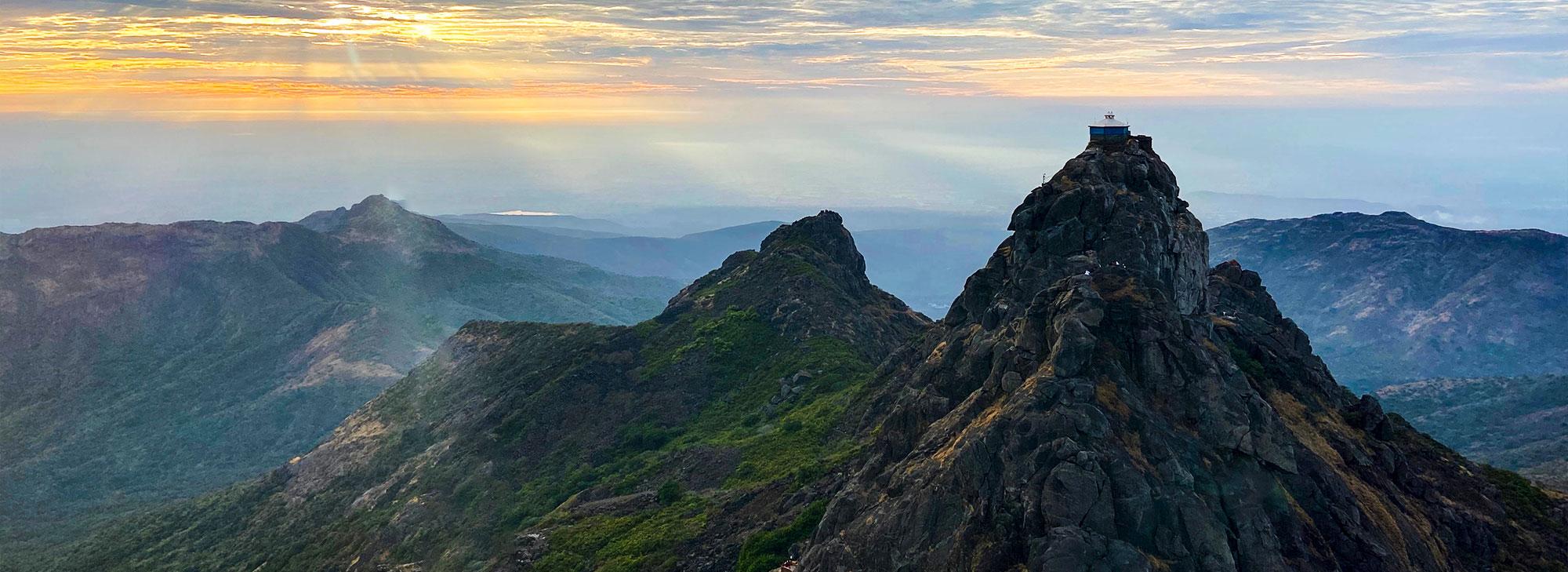
Girnar is one of the holiest pilgrimage destinations in Gujarat, revered by Hindus and Jains alike. The mountain is home to ancient temples and offers a spiritually enriching trekking experience. Located near the historic city of Junagadh, the sacred Girnar Hills stand as one of the most ancient and spiritually significant pilgrimage destinations in India. Rising dramatically from the plains of Gujarat, Girnar is a cluster of rugged mountain peaks that hold deep religious importance for both Hindus and Jains, attracting thousands of devotees, trekkers, and spiritual seekers every year. Girnar is believed to be older than the Himalayas and is considered a powerful center of spiritual energy and meditation. The pilgrimage to the top involves climbing more than 9,000 stone steps, making it not only a religious journey but also a test of endurance and devotion. The climb begins early in the morning, with pilgrims ascending through a series of temples, resting points, and scenic viewpoints surrounded by forested hills and fresh mountain air. One of the most important shrines on Girnar is the temple dedicated to Lord Dattatreya, located at the highest peak. Devotees believe that Lord Dattatreya meditated here, making it a highly sacred spot. The summit offers breathtaking panoramic views of the surrounding landscape, rewarding pilgrims after the challenging ascent. Girnar is also home to the revered Neminath Temple, dedicated to the 22nd Jain Tirthankara, making it one of the holiest Jain pilgrimage sites. The temple complex features intricate carvings and ancient architecture, reflecting the rich heritage of Jainism. Along the route, several other temples and shrines can be found, each carrying its own religious and historical significance. In recent years, the introduction of the Girnar Ropeway has made the pilgrimage more accessible, allowing visitors to reach certain parts of the hill with ease while still experiencing the spiritual atmosphere of the place. Girnar becomes especially vibrant during festivals such as Maha Shivaratri, when thousands of devotees gather for the Girnar Parikrama and temple visits, creating a deeply energetic and devotional environment. The destination is well connected via Junagadh, which serves as the base for the Girnar Yatra. Travelers can access Junagadh by rail and road, with nearby cities like Rajkot providing air connectivity. The region offers a range of accommodations from budget stays to comfortable hotels catering to pilgrims and tourists. A visit to Girnar is not just a pilgrimage but a transformative journey that combines spirituality, physical challenge, and natural beauty. The sacred hills continue to inspire devotion and determination, offering a unique experience where faith meets endurance amidst one of Gujarat’s most powerful spiritual landscapes.
 ⛪ Heritage Capital of Christianity in India
Goa Velha (Old Goa)
⛪ Heritage Capital of Christianity in India
Goa Velha (Old Goa)
Goa Velha (Old Goa) Temple
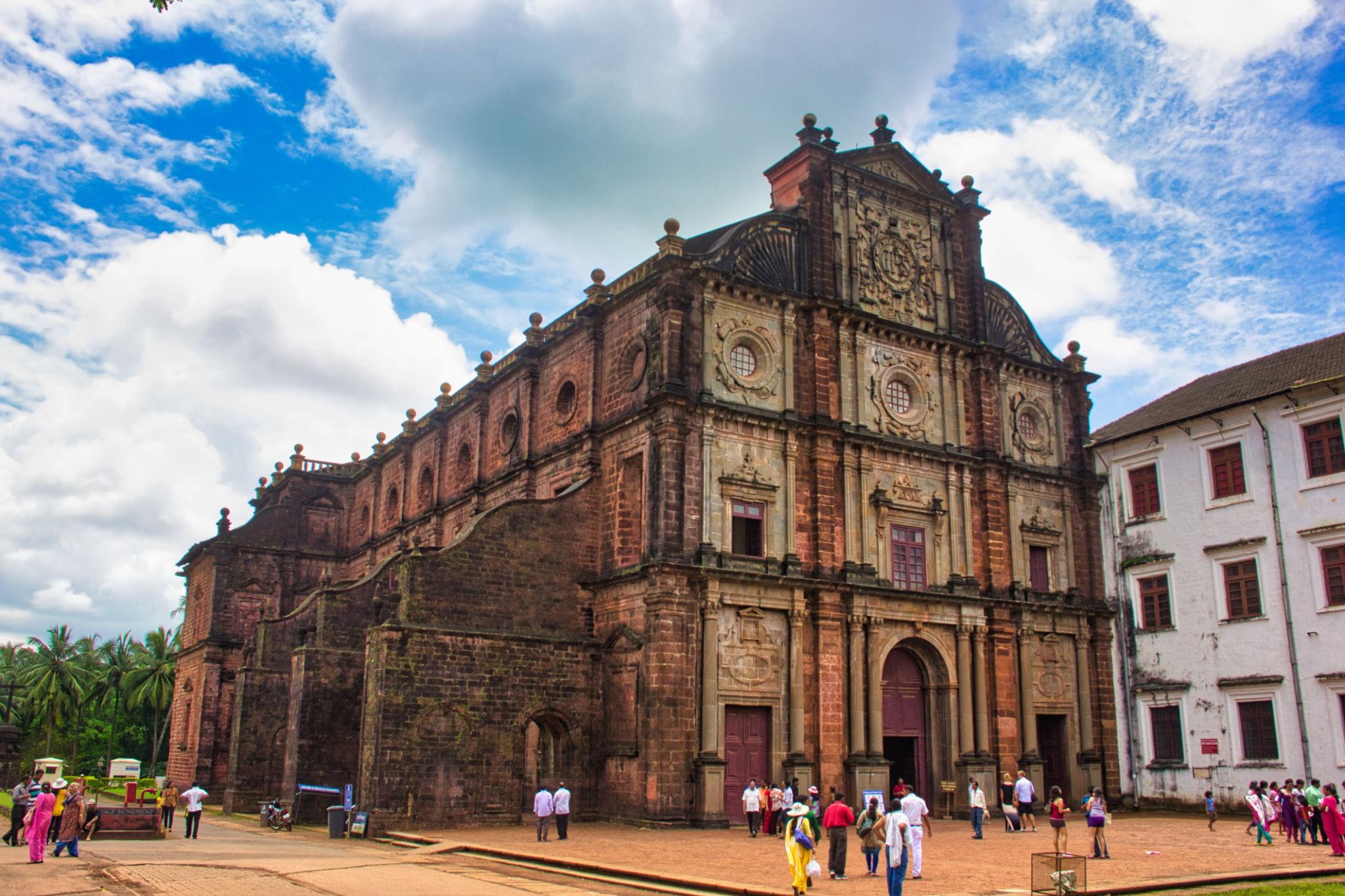
Goa Velha known as Old Goa is famous for its historic churches and cathedrals. It is a UNESCO World Heritage Site and an important center of Christian faith and Portuguese-era architecture. Old Goa (Velha Goa), located near Panaji in the state of Goa, is one of India’s most important heritage and spiritual destinations, known for its magnificent churches, colonial architecture, and deep historical significance. Once the capital of Portuguese India, Old Goa flourished as a major cultural and religious center during the 16th and 17th centuries and is today recognized as a UNESCO World Heritage Site. The highlight of Old Goa is the iconic Basilica of Bom Jesus, one of the most revered Christian pilgrimage sites in Asia. This historic basilica houses the mortal remains of St. Francis Xavier, whose body is preserved and displayed to the public during special occasions. The church’s baroque architecture, intricate carvings, and spiritual atmosphere make it a focal point for both devotees and tourists. Another prominent landmark is the grand Se Cathedral, one of the largest churches in Asia, known for its impressive Portuguese-Manueline architecture and vast interiors. The cathedral stands as a symbol of Goa’s rich colonial past and religious heritage. Old Goa is dotted with several historic churches and convents, each reflecting European architectural styles blended with local influences. The peaceful surroundings, wide avenues, and preserved structures create an atmosphere that feels both spiritual and timeless. The destination attracts visitors throughout the year, with a significant increase during festivals like Christmas and the Feast of St. Francis Xavier, when pilgrims from across the world gather to celebrate with devotion and grandeur. Easily accessible from Panaji and well connected by road, Old Goa is a must-visit for those seeking a blend of spirituality, history, and architectural beauty. The area offers a range of accommodations nearby, catering to both pilgrims and tourists exploring Goa beyond its beaches. A visit to Old Goa is not just a journey through history, but an immersive experience into a rich cultural and spiritual legacy, where centuries-old churches, sacred relics, and serene surroundings come together to create a destination of global importance and timeless appeal.
 🔱 Temple Town of Chamoli
Gopeshwar
🔱 Temple Town of Chamoli
Gopeshwar
Gopeshwar Temple
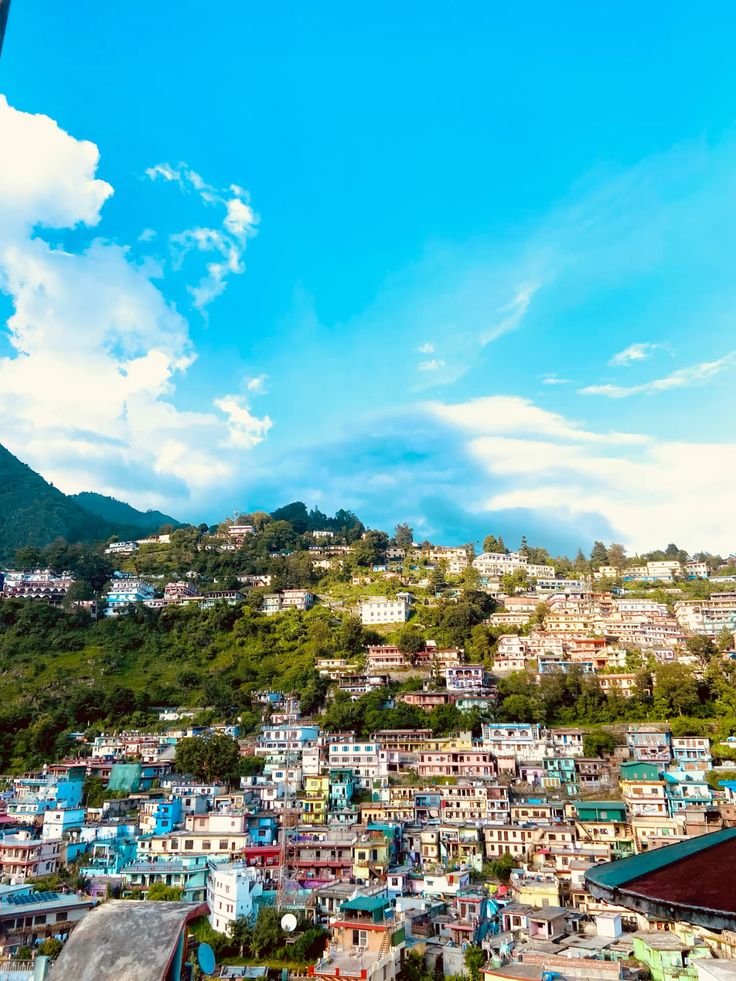
Gopeshwar is an important temple town and district headquarters in Chamoli, offering travellers a peaceful stop within the wider Char Dham pilgrimage region of Uttarakhand. The town is best known for the ancient Gopinath Temple dedicated to Lord Shiva and is surrounded by forests, mountain valleys and traditional Garhwali settlements. Gopeshwar is also conveniently located for travellers exploring destinations around Chamoli, Chopta and the broader Badrinath region. Compared with smaller mountain villages, Gopeshwar offers better access to hotels, restaurants, markets and essential services, making it suitable for families and pilgrimage groups requiring a comfortable intermediate halt. Through MudrasStays, travellers can explore hotels in Gopeshwar, Char Dham route accommodation, hotels near Gopinath Temple, stays in Chamoli and pilgrimage-friendly hotels near Badrinath route destinations. The town's spiritual heritage, convenient facilities and quieter environment make it a useful addition to a longer Char Dham itinerary.
 🔱 Sacred Gateway to Kedarnath
Guptkashi
🔱 Sacred Gateway to Kedarnath
Guptkashi
Guptkashi Temple
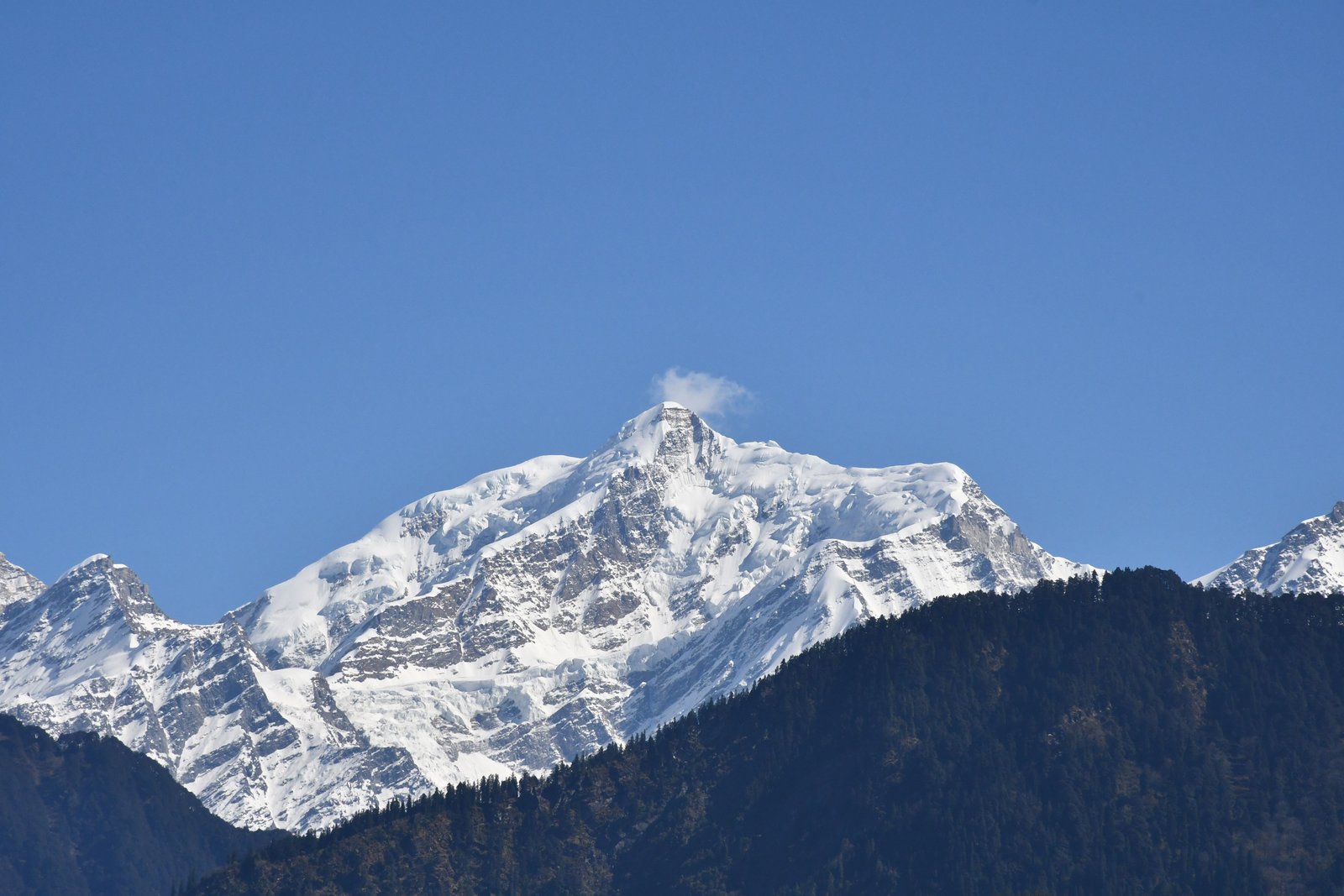
Guptkashi is one of the most important pilgrimage towns on the Char Dham Yatra route to Kedarnath, offering travellers a convenient place to rest before continuing towards Sonprayag, Gaurikund and Kedarnath Dham. Situated in the beautiful Mandakini Valley of Rudraprayag district, Guptkashi is known for the ancient Vishwanath Temple, Ardhanarishwar Temple and sacred Manikarnika Kund. Its religious importance, scenic Himalayan surroundings and availability of hotels, guest houses, restaurants and local transport make it an ideal overnight halt for Char Dham pilgrims. Travellers searching for hotels in Guptkashi, Kedarnath route hotels, Char Dham accommodation, budget hotels near Kedarnath and family stays in Guptkashi can explore suitable options through MudrasStays. Staying in Guptkashi can also provide pilgrims with additional time to rest and prepare before travelling to the higher-altitude sections of the Kedarnath Yatra. Its strategic location and strong spiritual significance make Guptkashi a valuable stop on any Char Dham pilgrimage itinerary.
 🌊 Gateway to the Ganges
Haridwar
🌊 Gateway to the Ganges
Haridwar
Har Ki Pauri & Mansa Devi
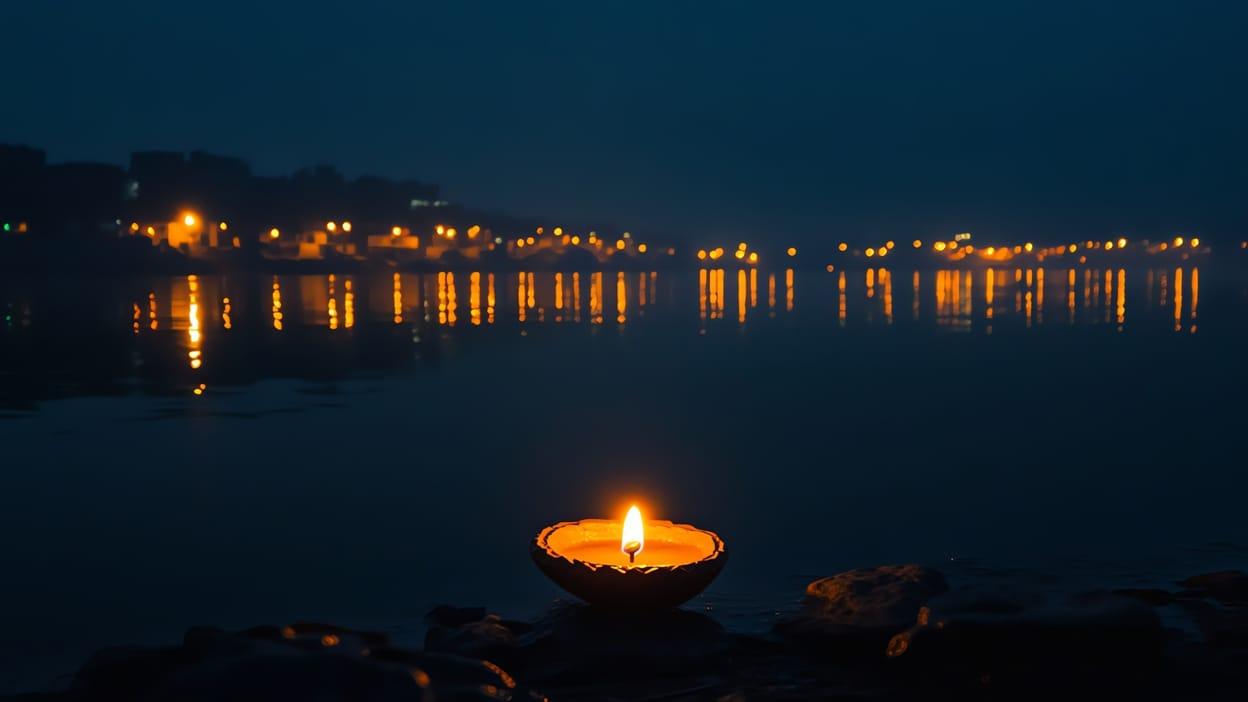
Where the Ganges meets the plains, Haridwar is one of the seven holiest cities in Hinduism and a gateway to the Char Dham. Located in the sacred city of Haridwar, Har Ki Pauri is one of the most revered ghats on the banks of the holy Ganga River and holds immense spiritual significance in Hinduism. The name “Har Ki Pauri” translates to “Footsteps of the Lord,” and it is believed that Lord Vishnu once set foot here, making it one of the holiest spots for devotees. Har Ki Pauri is considered the heart of Haridwar and a central point for religious activities, where thousands of pilgrims gather daily to take a holy dip in the Ganga, believing it cleanses sins and grants spiritual liberation. The ghat is especially known for its mesmerizing Ganga Aarti, held every evening, where priests perform rituals with large lamps, chants, and devotional songs, creating a deeply spiritual and visually captivating experience. The atmosphere during the aarti is truly powerful, with hundreds of diyas floating on the river, reflecting light across the flowing water, and filling the surroundings with devotion and positive energy. This ritual attracts not only pilgrims but also travelers from across the world who come to witness this iconic spiritual spectacle. Har Ki Pauri also plays a major role during large religious gatherings such as the Kumbh Mela, when millions of devotees visit Haridwar for sacred स्नान, making it one of the largest religious congregations in the world. The area around Har Ki Pauri is vibrant with temples, markets, and spiritual centers, offering a complete pilgrimage experience. The destination is well connected by road and rail, with easy access from cities like Delhi, Dehradun, and Rishikesh, making it a popular and easily reachable spiritual hub. With year-round footfall and peak demand during festivals and weekends, Har Ki Pauri remains one of the most dynamic religious destinations in India. Visitors often prefer staying close to the ghat for easy access to early morning and evening rituals. A visit to Har Ki Pauri is more than just a religious act—it is a deeply emotional and spiritual experience where faith, tradition, and the divine presence of the Ganga come together to create a truly unforgettable journey.
 🏔️ Himalayan Valley on the Gangotri Route
Harsil
🏔️ Himalayan Valley on the Gangotri Route
Harsil
Harsil Temple
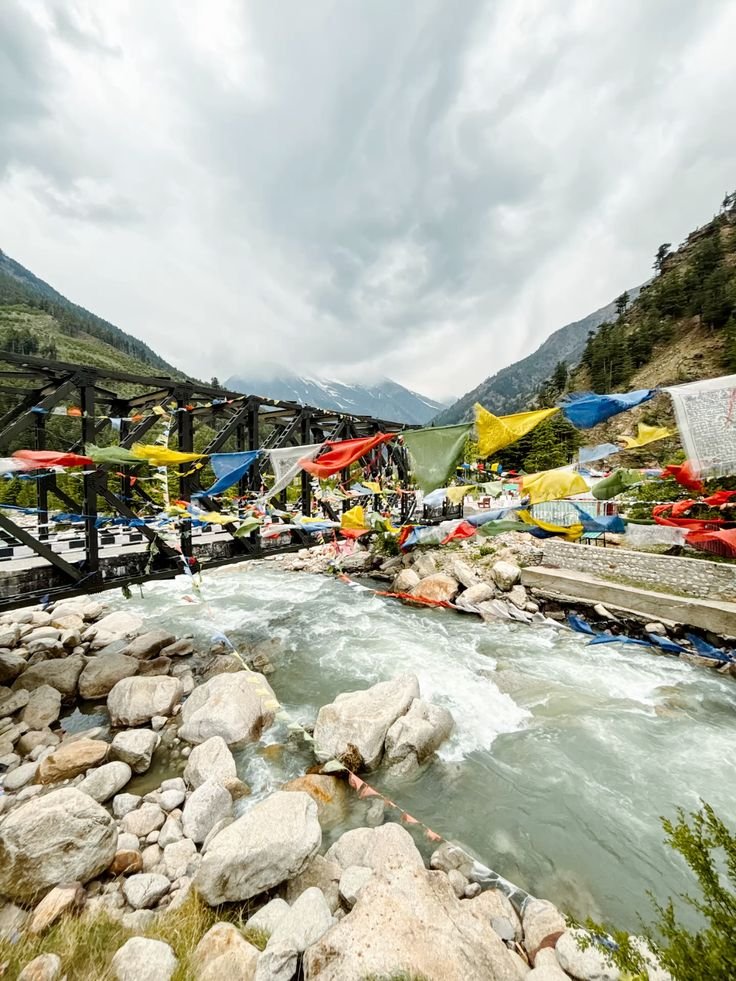
Harsil is a picturesque Himalayan valley located on the Char Dham Yatra route between Uttarkashi and Gangotri. Known for its peaceful atmosphere, apple orchards, pine forests and the flowing Bhagirathi River, Harsil has become one of the most attractive intermediate stays for pilgrims travelling towards Gangotri Dham. Instead of completing the long Uttarkashi-to-Gangotri journey in a single stretch, many travellers choose to stay in Harsil or nearby Dharali and continue towards Gangotri the following morning. Through MudrasStays, visitors can discover hotels in Harsil, Gangotri route accommodation, Char Dham hotels, homestays in Harsil, stays near Dharali and hotels between Uttarkashi and Gangotri. Harsil is particularly suitable for families and travellers seeking a slower and more scenic Char Dham journey. Its proximity to Gangotri combined with its natural beauty makes it one of the most memorable overnight locations on the pilgrimage route.
 🏔️ World Highest Gurudwara
Hemkund Sahib
🏔️ World Highest Gurudwara
Hemkund Sahib
Hemkund Sahib Temple
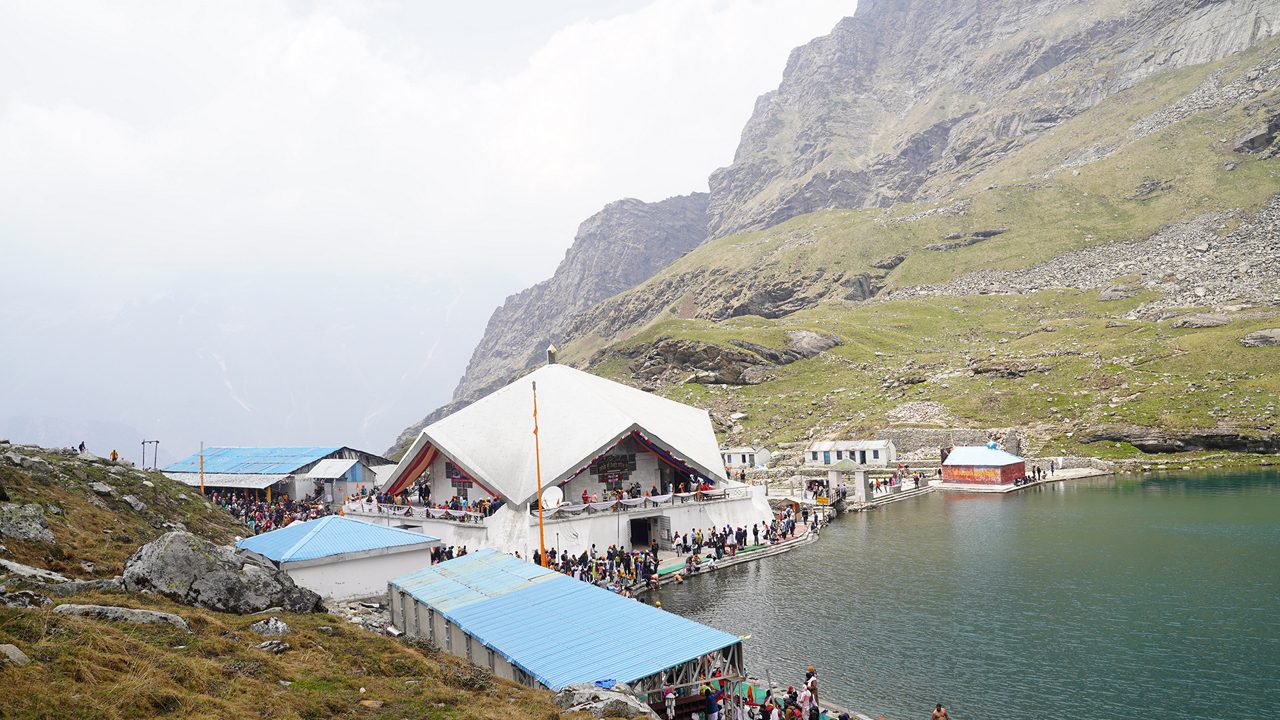
Hemkund Sahib is a revered Sikh shrine located at an altitude of over 4,300 meters in the Himalayas. Surrounded by snow-capped peaks, it offers a deeply spiritual experience. Nestled at an altitude of approximately 4,329 meters in the pristine Himalayas of Uttarakhand, Hemkund Sahib is one of the highest and most revered Sikh pilgrimage sites in the world. Surrounded by snow-clad peaks and situated beside a glacial lake, this sacred gurudwara offers a breathtaking combination of spirituality and natural beauty, attracting thousands of devotees and trekkers every year. Hemkund Sahib holds deep religious significance in Sikhism as it is believed to be the meditation site of Guru Gobind Singh in his previous life. The gurudwara stands peacefully on the banks of the crystal-clear Hemkund Lake, whose still waters reflect the surrounding mountains, creating a serene and divine atmosphere that enhances the spiritual experience. Reaching Hemkund Sahib is a journey of devotion and endurance. The trek begins from Govindghat and passes through scenic locations such as Ghangaria, covering steep mountain paths surrounded by lush greenery, waterfalls, and alpine landscapes. The final stretch of the trek is challenging due to the high altitude and steep climb, making the pilgrimage both physically demanding and spiritually rewarding. The shrine remains open only for a limited period each year, typically from June to October, as the region is covered in heavy snow during the winter months. During the yatra season, the area comes alive with pilgrims, yet retains its peaceful and disciplined environment. Close to Hemkund Sahib lies the famous Valley of Flowers, a UNESCO World Heritage Site known for its vibrant alpine flora, adding to the appeal of the region for nature lovers and travelers. Despite its remote location, Hemkund Sahib attracts a diverse group of visitors, including Sikh devotees, spiritual seekers, and trekking enthusiasts. Accommodation facilities are mainly available at Govindghat and Ghangaria, offering basic to moderate stay options suited for pilgrims. The journey to Hemkund Sahib is not just a pilgrimage but a transformative experience, where faith, nature, and personal endurance come together in one of the most serene and spiritually powerful environments in the Himalayas.
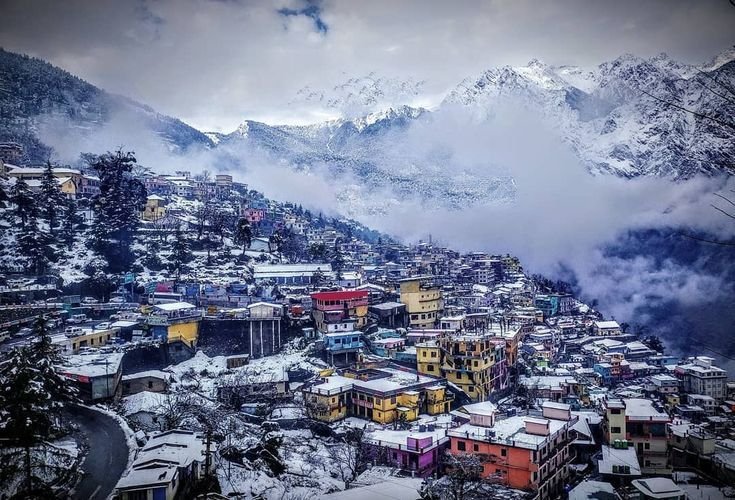 🛕 Spiritual Gateway to Badrinath
Joshimath
🛕 Spiritual Gateway to Badrinath
Joshimath
Joshimath Temple
Joshimath is one of the most important pilgrimage and transit towns on the Char Dham Yatra route to Badrinath. Located in Chamoli district, the town has deep religious significance and is associated with Adi Shankaracharya. The famous Narsingh Temple, monasteries and nearby spiritual sites make Joshimath an important destination in its own right, while its location also makes it a major base for Badrinath, Auli, Govindghat and other Himalayan destinations. Joshimath has a wider selection of hotels, restaurants, shops and travel services compared with several smaller settlements further along the Badrinath route. This makes it a convenient overnight halt for families, groups and senior citizens travelling during the Char Dham season. Through MudrasStays, travellers can search for hotels in Joshimath, Char Dham hotels, Badrinath route accommodation, hotels near Narsingh Temple and family stays in Joshimath. Its combination of religious significance, accommodation infrastructure and route connectivity makes Joshimath one of the most useful bases in Chamoli.
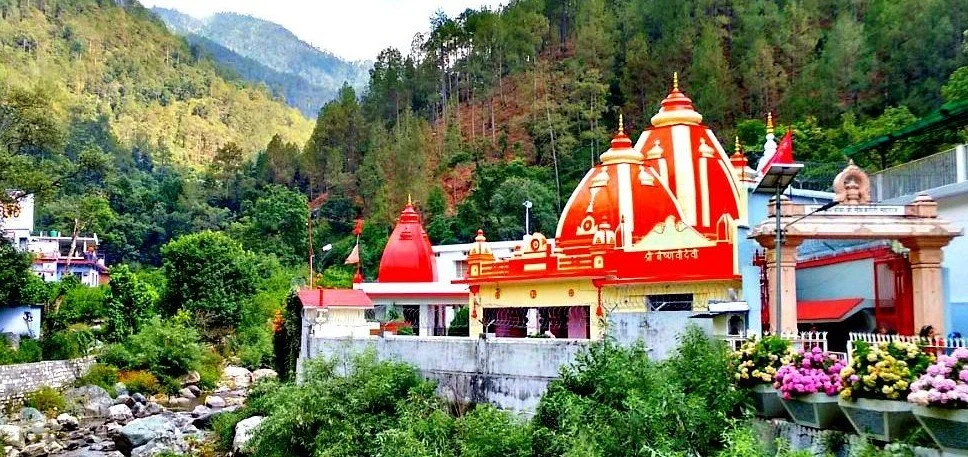 Neem Karoli Baba
Kainchi Dham
Neem Karoli Baba
Kainchi Dham
Kainchi Dham Temple
Nestled amidst the lush green hills of Uttarakhand, near Nainital, Kainchi Dham is a revered spiritual ashram and temple dedicated to Neem Karoli Baba, a highly respected saint known for his simplicity, miracles, and teachings of love and devotion. Surrounded by forested mountains and a peaceful valley, this sacred site has gained immense popularity among devotees, spiritual seekers, and even global personalities over the years. Established in the 1960s, Kainchi Dham is not just a temple but a powerful center of faith and meditation. The ashram is situated along the banks of a gentle mountain stream, enhancing the tranquil and calming atmosphere that draws visitors seeking inner peace and spiritual connection. The name “Kainchi” (meaning scissors) is derived from the unique crossing of two hills that form the shape of scissors around the area. The temple complex houses shrines dedicated to Neem Karoli Baba and Lord Hanuman, who is considered the central deity of the ashram. Devotees believe that the place holds strong spiritual energy, and many visit with deep faith, seeking blessings, guidance, and fulfillment of wishes. Kainchi Dham experiences a significant surge in visitors during the annual bhandara held in June, marking the स्थापना day of the ashram. During this time, thousands of devotees gather to participate in prayers, rituals, and community meals, creating a vibrant and devotional atmosphere. The destination is easily accessible by road from Nainital, Haldwani, and Kathgodam, making it a popular spiritual stop for travelers visiting the Kumaon region. Its growing global recognition, combined with increasing footfall throughout the year, has transformed Kainchi Dham into one of the most sought-after spiritual destinations in North India. The surrounding region offers a range of accommodation options, from budget stays to boutique retreats, catering to pilgrims and tourists alike. Visitors often prefer staying close to the temple or in nearby hill towns for a peaceful and convenient experience. A visit to Kainchi Dham is more than just a religious journey—it is a deeply calming and spiritually enriching experience, where devotion, nature, and the teachings of Neem Karoli Baba come together to create a place of profound peace and divine connection.
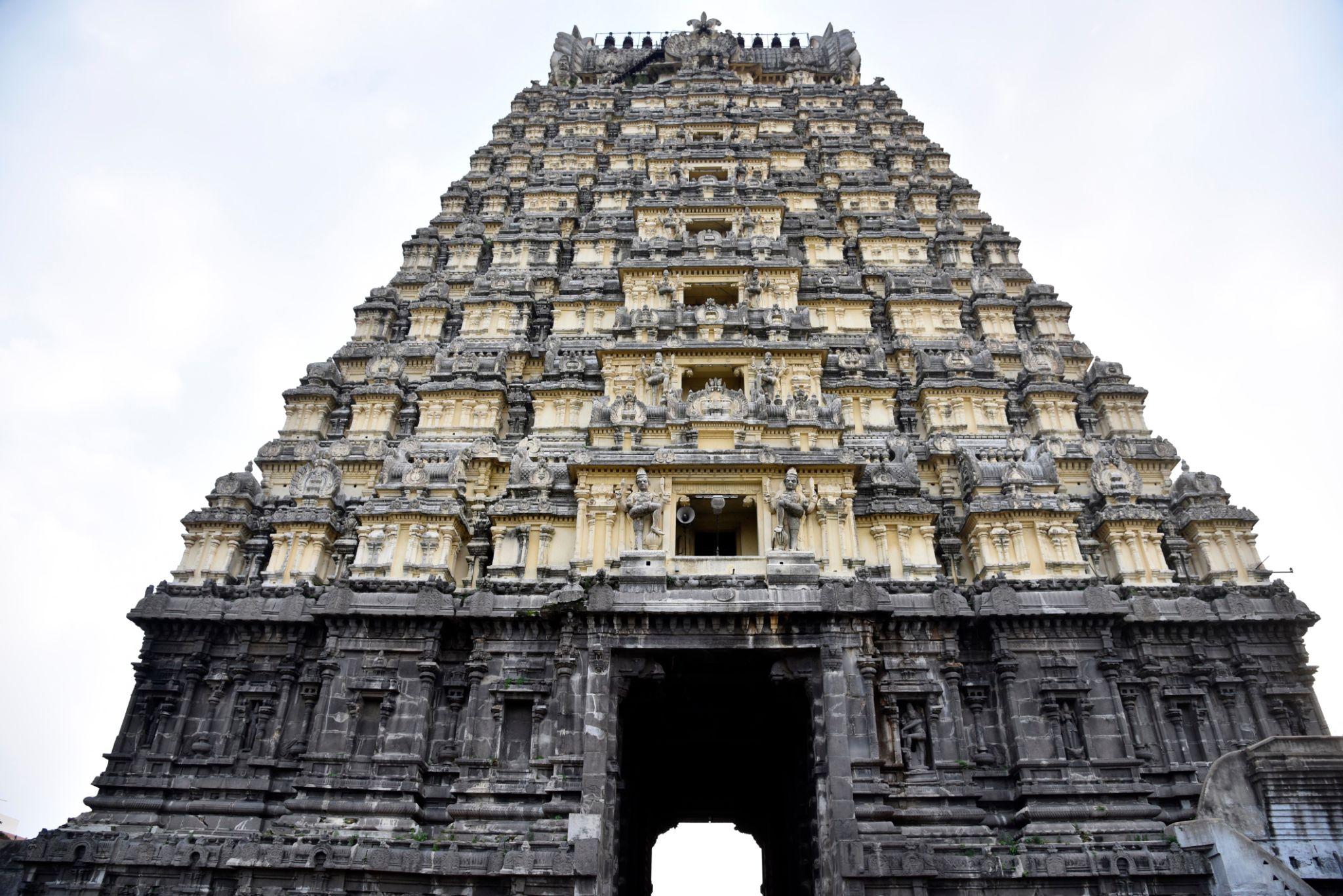 🕉️ City of Thousand Temples
Kanchipuram
🕉️ City of Thousand Temples
Kanchipuram
Kanchipuram Temple
Kanchipuram is one of India seven sacred cities, renowned for its magnificent temples and world-famous silk sarees. It remains a major pilgrimage destination for Hindus across the world. Kanchipuram, often referred to as the “City of Thousand Temples,” is one of the most sacred and historically rich pilgrimage destinations in India, located in the state of Tamil Nadu. Known for its deep spiritual roots, ancient temples, and vibrant cultural heritage, Kanchipuram holds immense importance in Hinduism and is counted among the Sapta Puri—the seven cities believed to grant salvation. This ancient city has been a prominent center of religion, learning, and art for centuries, with its origins tracing back to early South Indian dynasties such as the Pallavas and Cholas. Kanchipuram is especially revered for its magnificent temples dedicated to both Lord Shiva and Lord Vishnu, making it unique as a major center for both Shaivism and Vaishnavism traditions. Among its most famous temples is the Ekambareswarar Temple, one of the Pancha Bhoota Stalas, representing the element of earth (Prithvi). Equally significant is the Kamakshi Amman Temple, dedicated to Goddess Kamakshi, a powerful form of the Divine Mother, attracting devotees seeking blessings and spiritual fulfillment. The Varadaraja Perumal Temple is another prominent shrine, known for its grand architecture and importance in Vaishnavite tradition. Kanchipuram is also globally renowned for its exquisite silk sarees, known as Kanchipuram silk, which are handwoven with intricate designs and rich textures, forming an important part of India’s cultural identity. The city seamlessly blends spirituality with craftsmanship, offering visitors a unique experience of devotion and tradition. The town is visited throughout the year, with peak footfall during major temple festivals and auspicious occasions when the temples are beautifully decorated and filled with devotees. The spiritual atmosphere, combined with its architectural grandeur and cultural richness, makes Kanchipuram a must-visit destination for pilgrims and heritage travelers alike. Well connected by road and rail, and located close to Chennai, Kanchipuram is easily accessible and offers a range of accommodation options catering to different types of travelers. A visit to Kanchipuram is a journey into the heart of ancient Indian spirituality and tradition, where timeless temples, sacred rituals, and cultural elegance come together to create a deeply enriching and memorable experience.
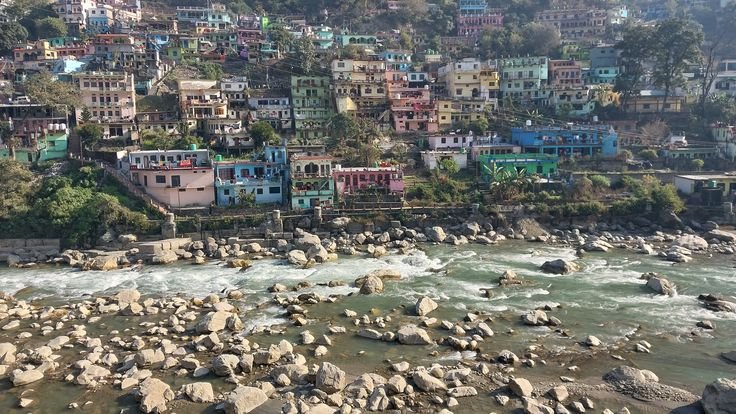 🕉️ Sacred Sangam on the Badrinath Route
Karnaprayag
🕉️ Sacred Sangam on the Badrinath Route
Karnaprayag
Karnaprayag Temple
Karnaprayag is one of the five sacred Panch Prayags of Uttarakhand and an important intermediate town on the Char Dham Yatra route towards Badrinath. The town is located at the confluence of the Alaknanda and Pindar rivers and is traditionally associated with Karna from the Mahabharata. Its religious significance and convenient road location make Karnaprayag a useful stopping point for pilgrims travelling deeper into Chamoli district. The town provides hotels, restaurants, markets, medical facilities and transport services, making it particularly suitable for travellers who want to divide the long Char Dham road journey into comfortable stages. Through MudrasStays, visitors can explore hotels in Karnaprayag, Badrinath route hotels, Char Dham accommodation, Panch Prayag stays and budget hotels in Chamoli. Karnaprayag's combination of sacred river heritage and practical travel infrastructure makes it a valuable stop for both spiritual travellers and families undertaking the Badrinath Yatra.
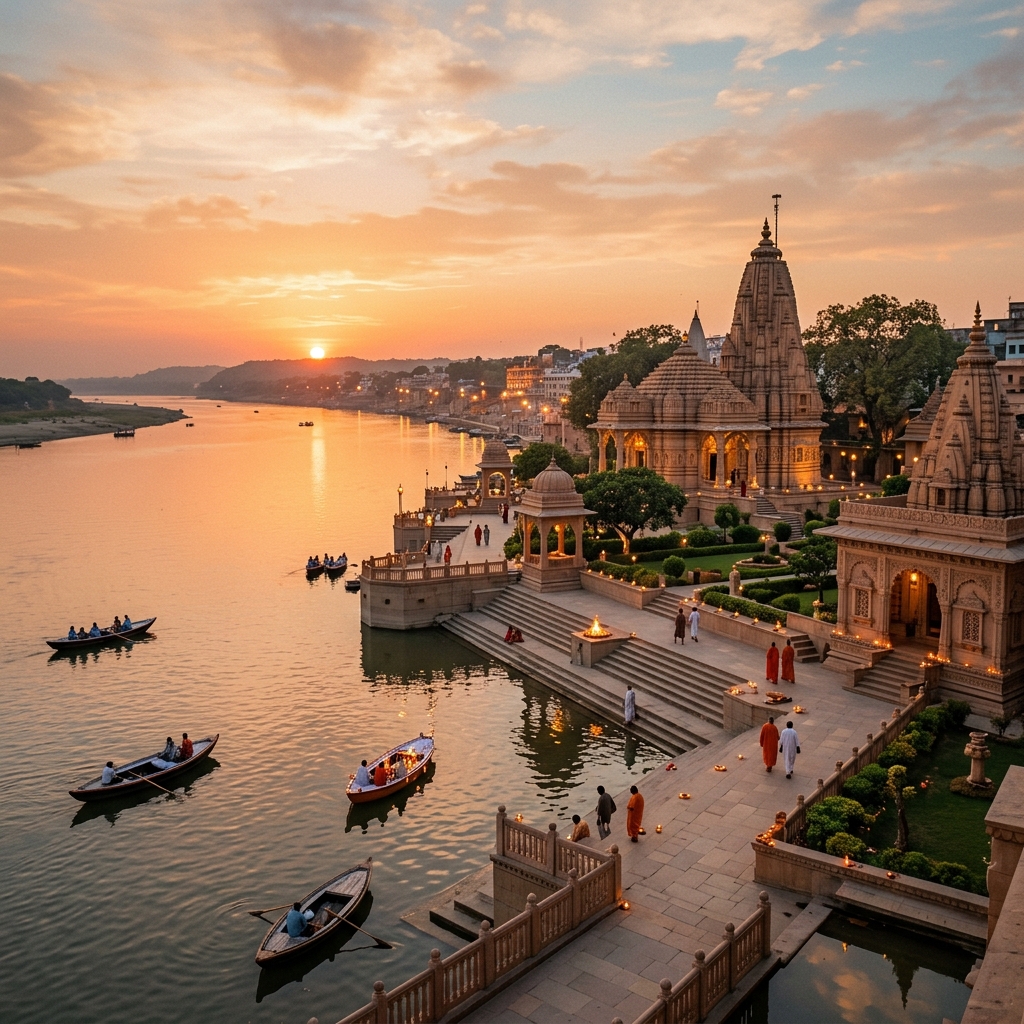 🕌 Spiritual Destination
Katra
🕌 Spiritual Destination
Katra
Katra Temple
Katra is a revered spiritual destination in Jammu and Kashmir. Explore sacred temples and verified stays.
 🏔️ Abode of Lord Shiva
Kedarnath
🏔️ Abode of Lord Shiva
Kedarnath
Kedarnath Temple
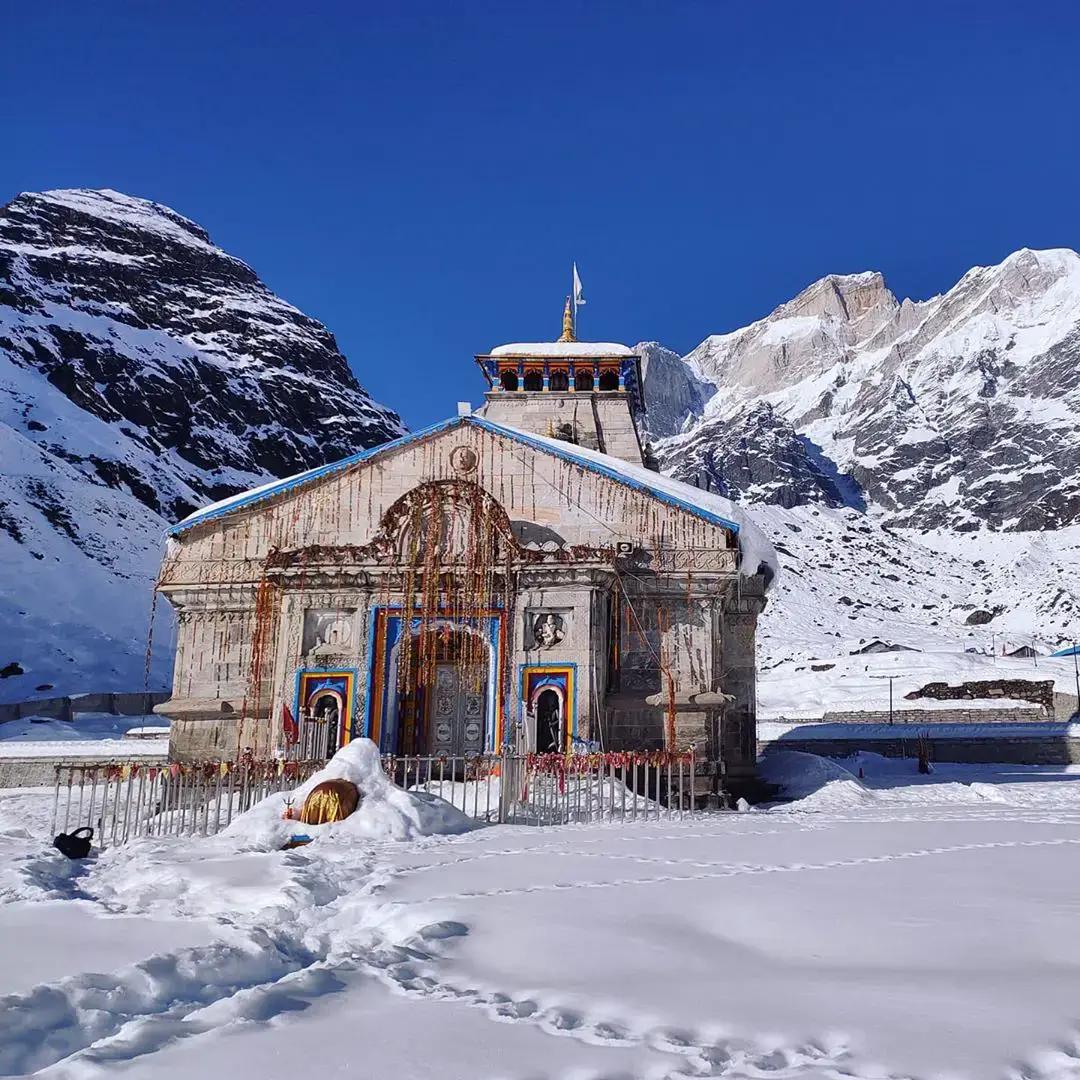
Nestled in the Garhwal Himalayas, Kedarnath is one of the holiest Shiva temples and a key destination in the Char Dham Yatra. The temple breathtaking mountain setting makes it one of India most iconic pilgrimage destinations. Nestled in the majestic Garhwal Himalayas of Uttarakhand at an altitude of approximately 3,583 meters, the Kedarnath Temple is one of the most sacred pilgrimage sites dedicated to Lord Shiva. Surrounded by towering snow-covered peaks and breathtaking natural beauty, Kedarnath is not only a place of deep spiritual significance but also one of the most powerful and challenging pilgrimage destinations in India. Kedarnath is one of the twelve Jyotirlingas of Lord Shiva and forms an integral part of the revered Char Dham Yatra in Uttarakhand. The temple is believed to have been originally established by the Pandavas and later revived by Adi Shankaracharya, adding to its immense historical and religious importance. Set against the backdrop of the towering Kedarnath range and near the origin of the Mandakini River, the temple exudes a divine and mystical aura that attracts lakhs of devotees every year. The journey to Kedarnath itself is considered a sacred act of devotion, involving a trek of approximately 16–18 kilometers from Gaurikund through rugged mountain terrain, scenic valleys, and flowing rivers. Due to extreme weather conditions, the temple remains open only for a limited period each year, typically from April/May to October/November. During the winter months, the region is covered in heavy snowfall, and the deity is worshipped at Ukhimath. Pilgrims can reach Kedarnath via trekking, pony, palki, or helicopter services, making the journey accessible to a wide range of devotees. Despite the physical challenges, the spiritual reward and sense of fulfillment make the yatra deeply meaningful. The atmosphere around Kedarnath is serene yet powerful, with chants of devotion echoing through the mountains and a strong sense of faith uniting pilgrims from across the country. The temple premises, especially during early morning and evening aarti, offer a deeply immersive spiritual experience. Accommodation options are mainly available at Gaurikund, Sonprayag, and nearby areas, ranging from basic lodges to camps and limited hotels. Due to the short operational season and extremely high demand, advance planning and reliable booking arrangements are essential. Kedarnath continues to stand as a symbol of unwavering faith and resilience, where spirituality meets the raw beauty of the Himalayas. A visit to this sacred shrine is not just a pilgrimage, but a transformative journey that leaves devotees with a deep sense of peace, devotion, and connection to the divine.
 ☸️ Land of Buddha Mahaparinirvana
Kushinagar
☸️ Land of Buddha Mahaparinirvana
Kushinagar
Kushinagar Temple
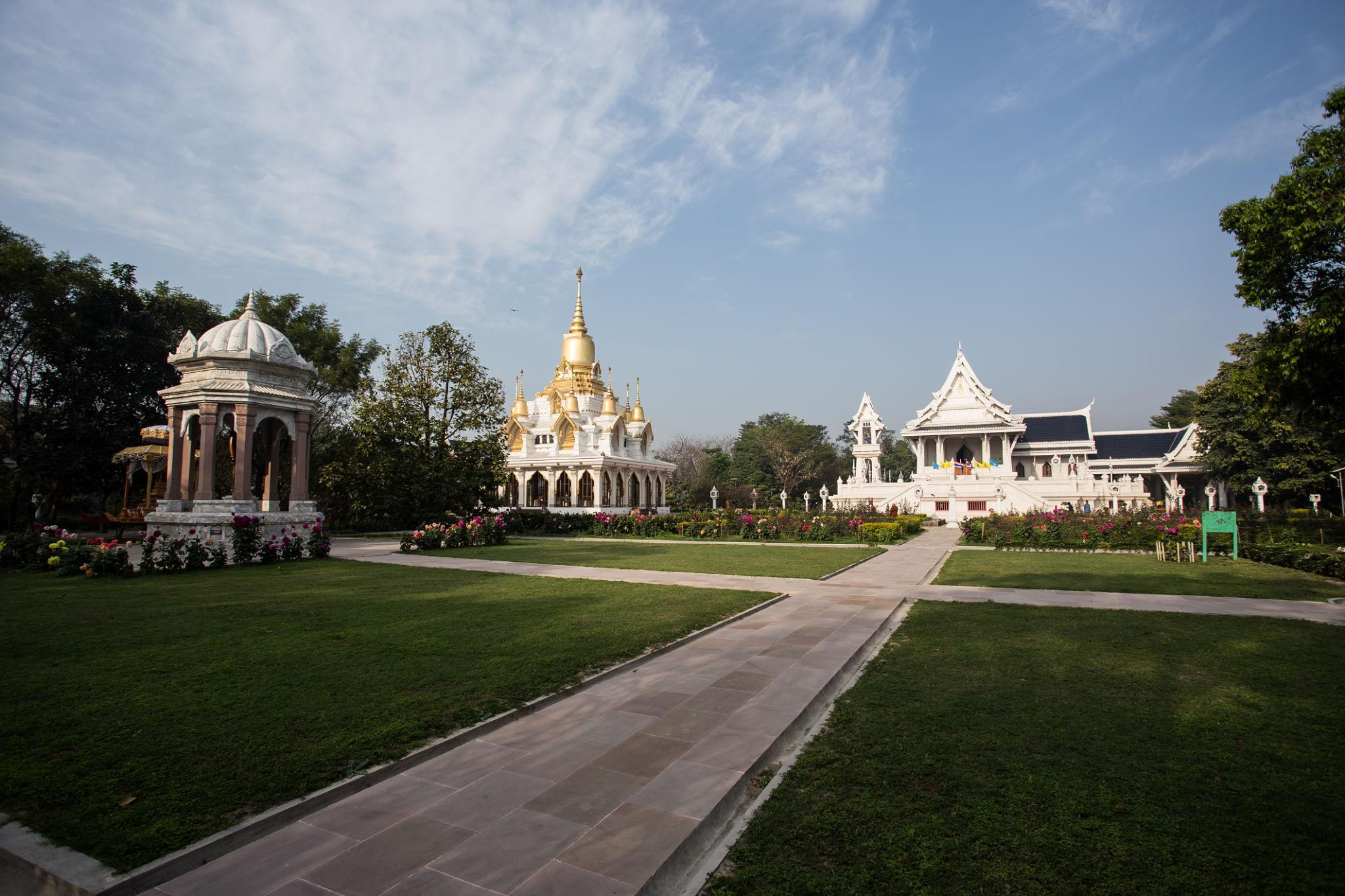
Kushinagar is the sacred place where Lord Buddha attained Mahaparinirvana. The city attracts Buddhist pilgrims and spiritual seekers from across the world due to its immense historical and religious significance. Kushinagar, located in the eastern part of Uttar Pradesh, is one of the most sacred pilgrimage destinations for Buddhists around the world. This serene town holds immense historical and spiritual significance as the place where Gautama Buddha attained Mahaparinirvana (final liberation after death), making it one of the four principal Buddhist pilgrimage sites. The centerpiece of Kushinagar is the revered Mahaparinirvana Temple, which houses a large reclining statue of Buddha, symbolizing his final moments. The temple exudes a calm and meditative atmosphere, drawing devotees, monks, and spiritual seekers who come to pay homage and reflect on the teachings of Buddhism. Nearby lies the sacred Ramabhar Stupa, believed to be the cremation site of Buddha, further enhancing the spiritual importance of the region. Surrounded by peaceful gardens, monasteries, and international temples built by various Buddhist countries such as Thailand, Japan, Sri Lanka, and Myanmar, Kushinagar reflects a global spiritual presence. Each monastery showcases unique architectural styles and traditions, contributing to the town’s serene and multicultural environment. Kushinagar maintains a quiet and tranquil atmosphere throughout the year, making it ideal for meditation, reflection, and spiritual exploration. The destination attracts both international and domestic pilgrims, particularly during Buddhist festivals and important religious occasions, when the town becomes more vibrant with ceremonies and gatherings. The city is gradually developing as a major spiritual tourism hub, with improved connectivity through Kushinagar International Airport and nearby railway and road networks linking it to cities like Gorakhpur and Varanasi. Accommodation options in Kushinagar range from budget lodges to mid-range hotels and monastery guesthouses, catering primarily to pilgrims seeking peaceful and clean environments rather than luxury stays. A visit to Kushinagar is a deeply spiritual experience, offering a sense of peace and introspection. It stands as a sacred reminder of Buddha’s teachings and his journey toward enlightenment and liberation, making it a destination of profound importance for followers of Buddhism and spiritual travelers alike.
 🏔️ Land of High Passes
Ladakh
🏔️ Land of High Passes
Ladakh
Ladakh Temple
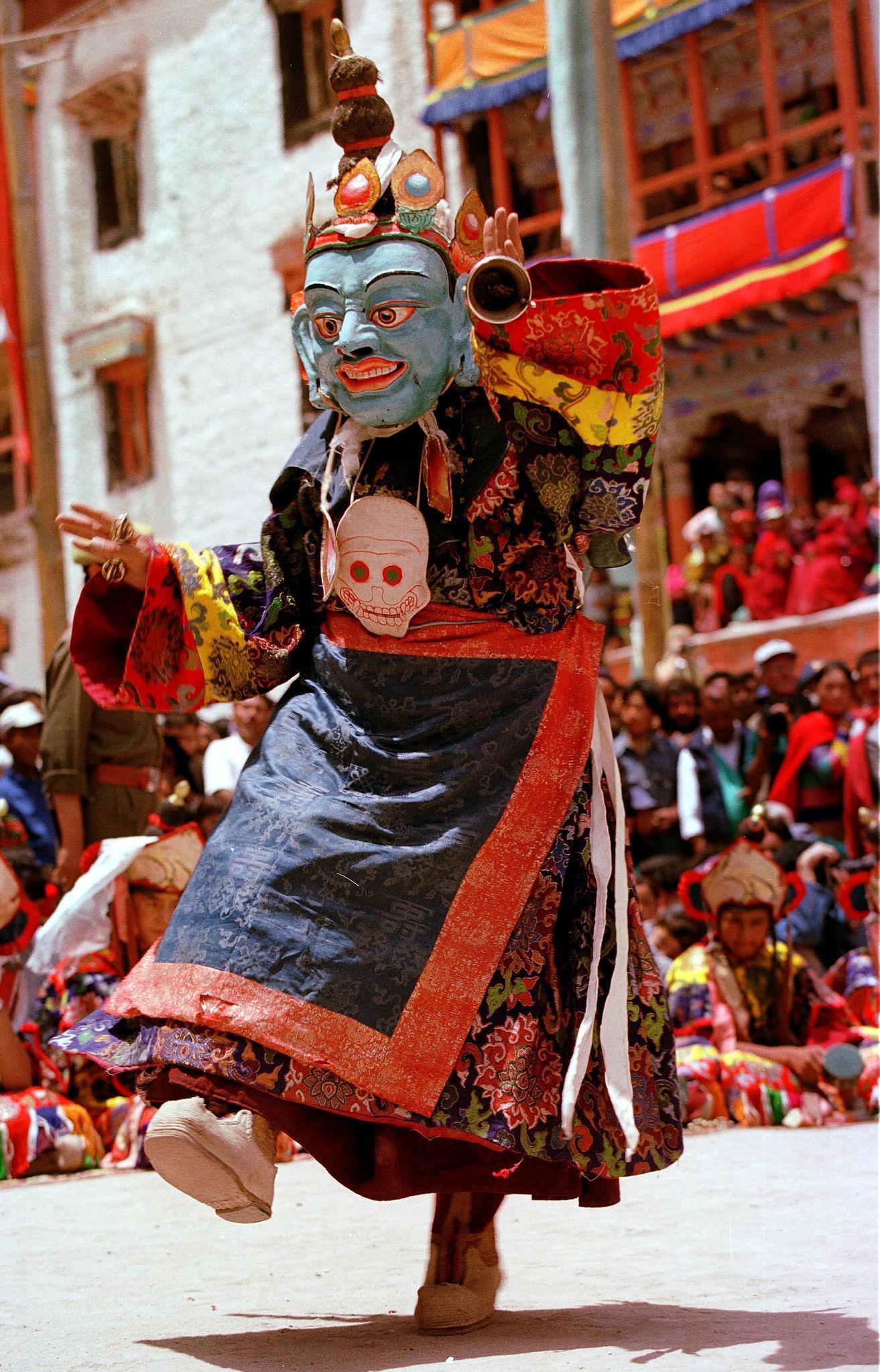
Ladakh is famous for its breathtaking Himalayan landscapes, ancient monasteries, and vibrant Buddhist culture. It is a spiritual as well as adventure tourism hotspot. Nestled in the high-altitude cold desert of northern India, Leh-Ladakh is a unique spiritual destination known for its ancient monasteries, शांत landscapes, and deep-rooted Buddhist culture. Surrounded by the mighty Himalayas and Karakoram ranges, this region offers a rare blend of spirituality, adventure, and breathtaking natural beauty. Unlike traditional temple destinations, Ladakh is primarily known for its Buddhist monasteries (gompas), which serve as centers of meditation, learning, and religious practices. These monasteries are often perched on hilltops, overlooking vast valleys and rivers, creating a surreal and peaceful environment that attracts spiritual seekers from across the world. Among the most prominent spiritual sites is the Thiksey Monastery, one of the largest and most architecturally impressive monasteries in Ladakh, resembling the Potala Palace of Tibet. It houses a magnificent statue of Maitreya Buddha and offers panoramic views of the Indus Valley. Another major center is the Hemis Monastery, the largest and wealthiest monastery in Ladakh, famous for the vibrant Hemis Festival, where monks perform traditional masked dances and rituals, drawing tourists and devotees alike. The Diskit Monastery in Nubra Valley is known for its towering statue of Maitreya Buddha overlooking the valley, symbolizing peace and protection. Similarly, the Spituk Monastery, located near Leh, is a significant religious center offering stunning views and a peaceful atmosphere. Ladakh’s spiritual charm lies in its simplicity and tranquility. The sound of prayer wheels, fluttering prayer flags, and chanting monks creates an environment deeply conducive to meditation and introspection. The region’s monasteries are not just places of worship but also living institutions preserving ancient traditions, scriptures, and cultural practices. The best time to visit Leh-Ladakh is between May and September, when the weather is relatively favorable and roads are accessible. Due to extreme winters, many areas remain cut off during colder months. Leh serves as the main hub for travelers, offering connectivity via air and seasonal road routes from Manali and Srinagar. Accommodation options range from budget guesthouses to boutique hotels and luxury camps, catering to both pilgrims and adventure tourists. A visit to Ladakh’s monasteries is a deeply calming and transformative experience, where spirituality meets solitude amidst some of the most dramatic landscapes on earth, making it one of India’s most unique and soul-stirring destinations.
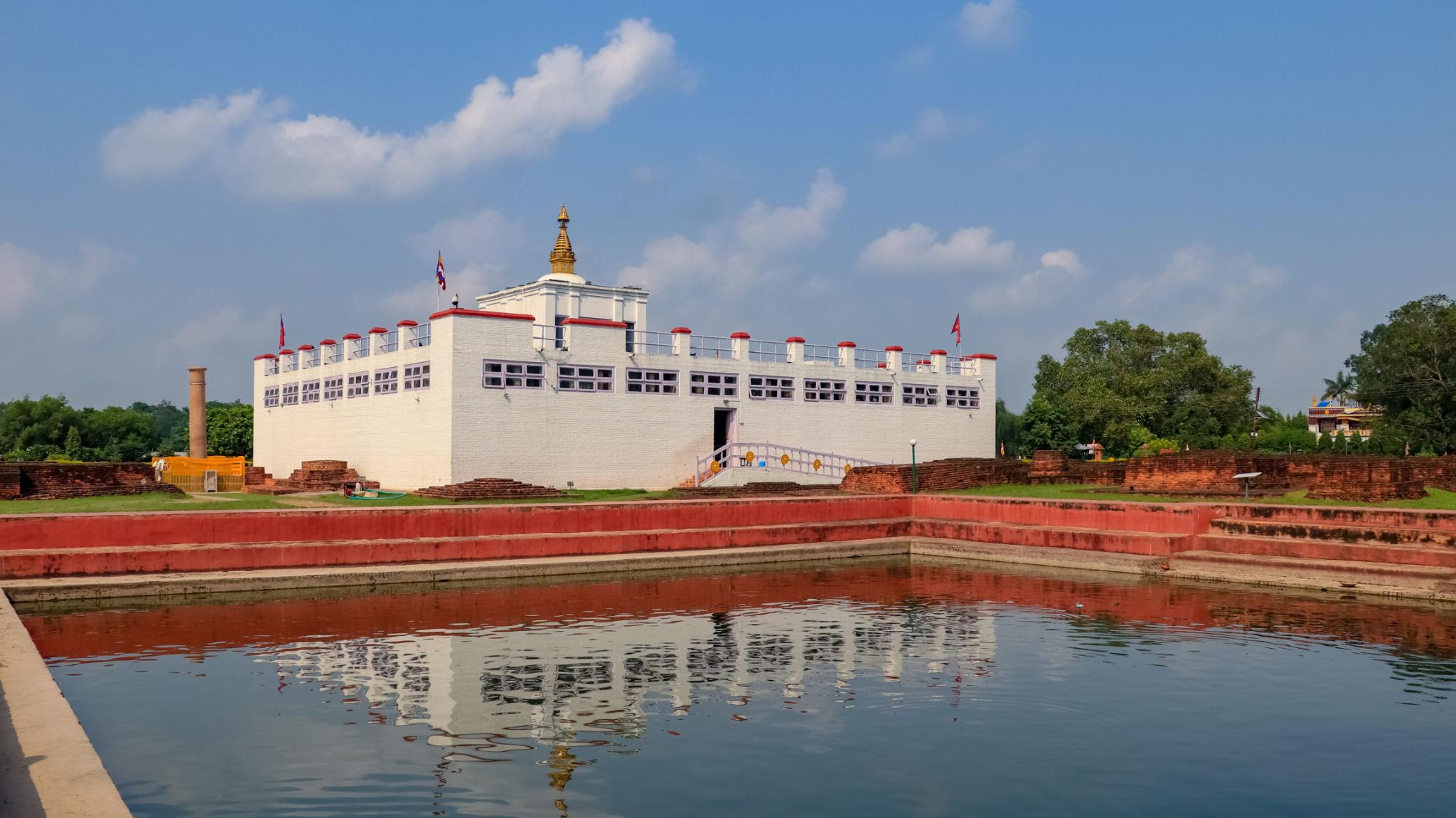 ☸️ Birthplace of Lord Buddha
Lumbini
☸️ Birthplace of Lord Buddha
Lumbini
Lumbini Temple
Lumbini is the birthplace of Siddhartha Gautama, who later became Lord Buddha. Recognized as a UNESCO World Heritage Site, it is one of the most important pilgrimage destinations for Buddhists worldwide. Lumbini, located in the Rupandehi district of Nepal, is one of the most sacred pilgrimage destinations in the world and holds unparalleled significance in Buddhism as the birthplace of Gautama Buddha. This serene and spiritually powerful site attracts millions of pilgrims, monks, and travelers from across the globe who come to experience the origins of Buddha’s life and teachings. At the heart of Lumbini lies the revered Maya Devi Temple, marking the exact spot where Queen Maya Devi gave birth to Siddhartha Gautama. The temple complex is surrounded by sacred gardens and ancient ruins, preserving the historical essence of this holy site. Adjacent to the temple stands the historic Ashoka Pillar, erected by Emperor Ashoka in the 3rd century BCE, affirming Lumbini as Buddha’s birthplace. Recognized as a UNESCO World Heritage Site, Lumbini is designed as a large monastic zone divided into different sections, where various countries have built monasteries reflecting their unique architectural styles and interpretations of Buddhist traditions. These monasteries from nations like Thailand, Myanmar, Germany, China, and Japan create a peaceful and diverse spiritual environment. The entire area of Lumbini is characterized by tranquility, meditation zones, and beautifully maintained gardens, making it an ideal place for reflection, spiritual learning, and inner peace. Visitors often spend time meditating near the sacred Bodhi tree and exploring the monastic complexes that represent global Buddhist culture. Lumbini experiences a steady flow of international pilgrims throughout the year, with peak footfall during Buddha Purnima, when the birthplace of Buddha comes alive with prayers, ceremonies, and cultural events. Easily accessible from the Indian border and well connected to cities like Gorakhpur and Kathmandu, Lumbini offers a range of accommodations from budget lodges to comfortable hotels and monastery guesthouses, catering primarily to spiritual travelers. A visit to Lumbini is a deeply peaceful and transformative experience, offering a rare opportunity to connect with the origins of Buddhism in a calm and sacred setting where history, spirituality, and global culture come together in harmony.
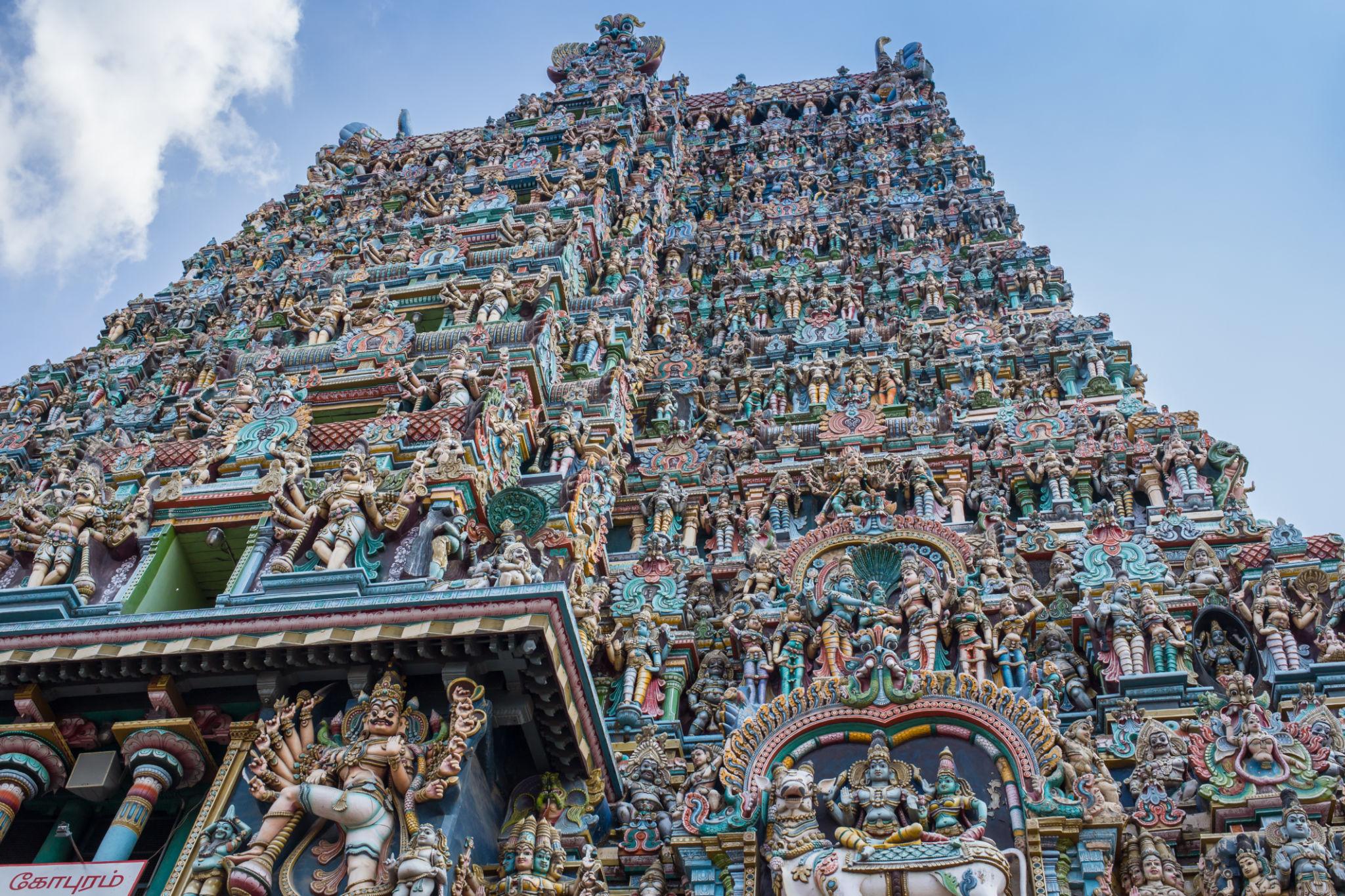 🏛️ Temple City of South India
Madurai
🏛️ Temple City of South India
Madurai
Madurai Temple
Madurai is one of India oldest continuously inhabited cities and is famous for the magnificent Meenakshi Amman Temple. It is a major center of Tamil culture, history, and spirituality. Madurai, one of the oldest continuously inhabited cities in India, is a major cultural and spiritual hub located in the state of Tamil Nadu. Often referred to as the “Temple City,” Madurai is deeply rooted in history, tradition, and devotion, making it one of the most significant pilgrimage destinations in South India. At the heart of the city lies the magnificent Meenakshi Amman Temple, dedicated to Goddess Meenakshi, a form of Parvati, and Lord Sundareswarar, a form of Lord Shiva. This iconic temple is renowned for its towering gopurams (gateway towers), which are intricately carved and adorned with thousands of colorful sculptures depicting gods, goddesses, and mythological scenes. The temple complex is vast and architecturally stunning, showcasing the brilliance of Dravidian temple design. Madurai has been a center of Tamil culture and learning for over two millennia, once serving as the capital of the Pandya dynasty. The city is closely associated with ancient Tamil literature, art, and religious traditions, making it not only a place of worship but also a center of cultural heritage. The atmosphere in Madurai is vibrant and deeply spiritual, with continuous temple rituals, festivals, and cultural activities. The city comes alive during major celebrations such as the Meenakshi Thirukalyanam festival, which attracts thousands of devotees and showcases grand processions, rituals, and traditional performances. Apart from its religious significance, Madurai offers a rich local experience with bustling markets, traditional South Indian cuisine, and a lively cultural environment that reflects the essence of Tamil Nadu. The city is well connected by air, rail, and road, making it easily accessible from major cities across India. It offers a wide range of accommodations, from budget lodges to premium hotels, catering to pilgrims and tourists alike. A visit to Madurai is a journey into the heart of South Indian spirituality and tradition, where ancient temples, rich culture, and timeless devotion come together to create a deeply immersive and unforgettable experience.
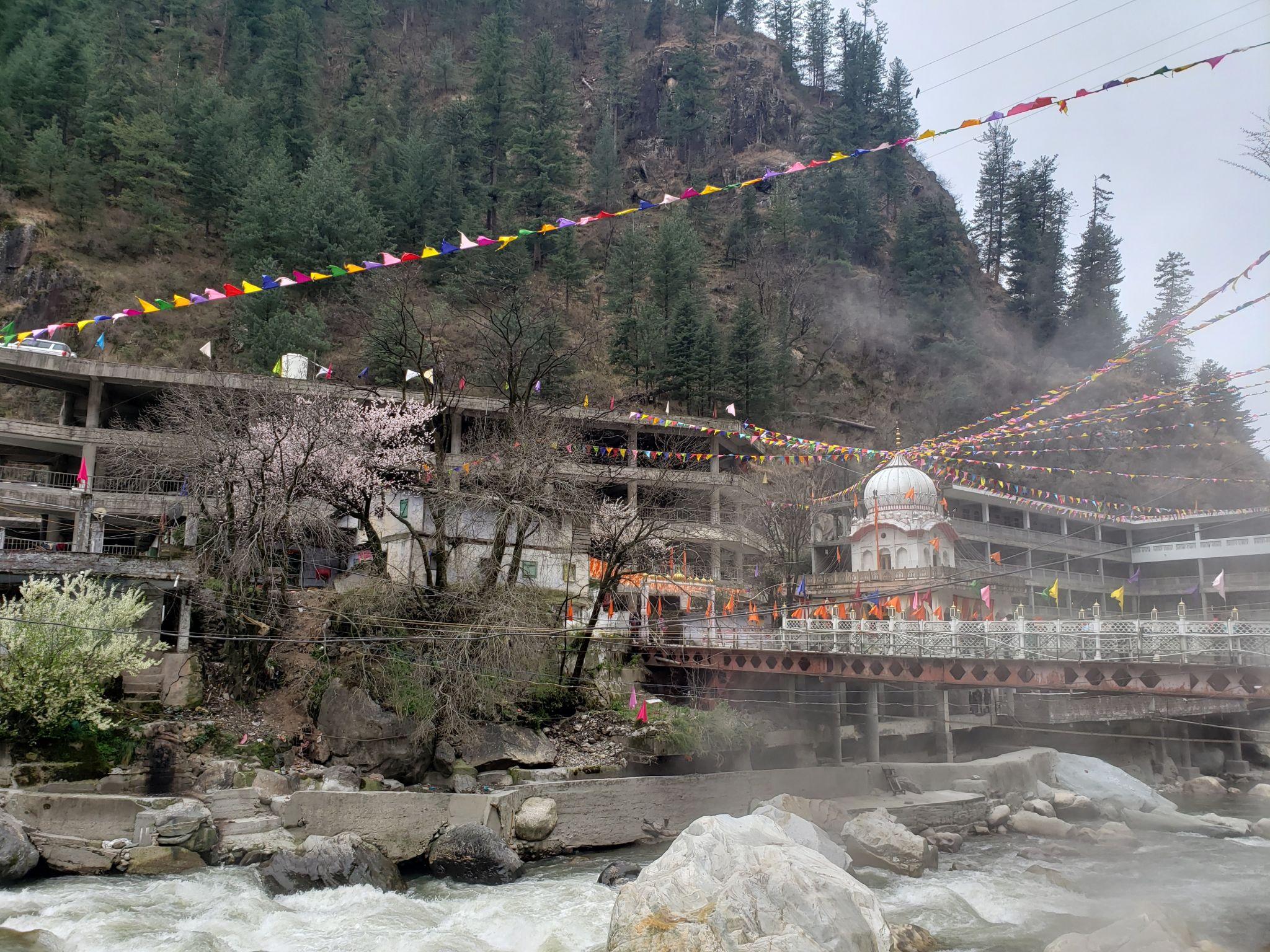 ♨️ Sacred Valley of Hot Springs
Manikaran Sahib
♨️ Sacred Valley of Hot Springs
Manikaran Sahib
Manikaran Sahib Temple
Manikaran Sahib is a revered Sikh pilgrimage destination in the scenic Parvati Valley. Famous for its natural hot springs and serene mountain surroundings, attracting devotees and travelers throughout the year. Located in the serene Parvati Valley of Himachal Pradesh, near Kasol, Manikaran Sahib is a highly revered pilgrimage destination for both Sikhs and Hindus. Nestled along the banks of the Parvati River and surrounded by lush green mountains, this sacred site is known for its unique blend of spirituality and natural wonders. Manikaran Sahib holds immense importance in Sikhism as it is associated with Guru Nanak Dev Ji, who is believed to have visited this place during his travels. According to legend, a miracle occurred here when food for the langar was cooked using the naturally boiling hot water springs, a tradition that continues even today. The gurudwara stands as a symbol of faith, equality, and selfless service, welcoming devotees from all backgrounds. The site is equally significant in Hinduism, with temples dedicated to Lord Shiva and Lord Rama located within the complex. The hot springs, which are one of the main attractions, are believed to have healing properties, and devotees often take a dip in the sacred waters as part of their spiritual experience. The continuous flow of the Parvati River alongside the gurudwara adds to the tranquil and powerful atmosphere of the place. The contrast of boiling hot springs against the cold mountain environment creates a unique natural phenomenon that draws both pilgrims and tourists. Manikaran Sahib is visited throughout the year, with peak footfall during weekends and holiday seasons due to its proximity to popular destinations like Kasol and Kullu. The area is well connected by road, with Bhuntar Airport serving as the nearest air connectivity point. Accommodation options in and around Manikaran and Kasol range from budget guesthouses to comfortable hotels and riverside stays, catering to both spiritual travelers and tourists exploring the Parvati Valley. A visit to Manikaran Sahib offers a deeply spiritual and peaceful experience, where devotion, nature, and miraculous elements come together in a serene Himalayan setting, making it one of the most unique pilgrimage
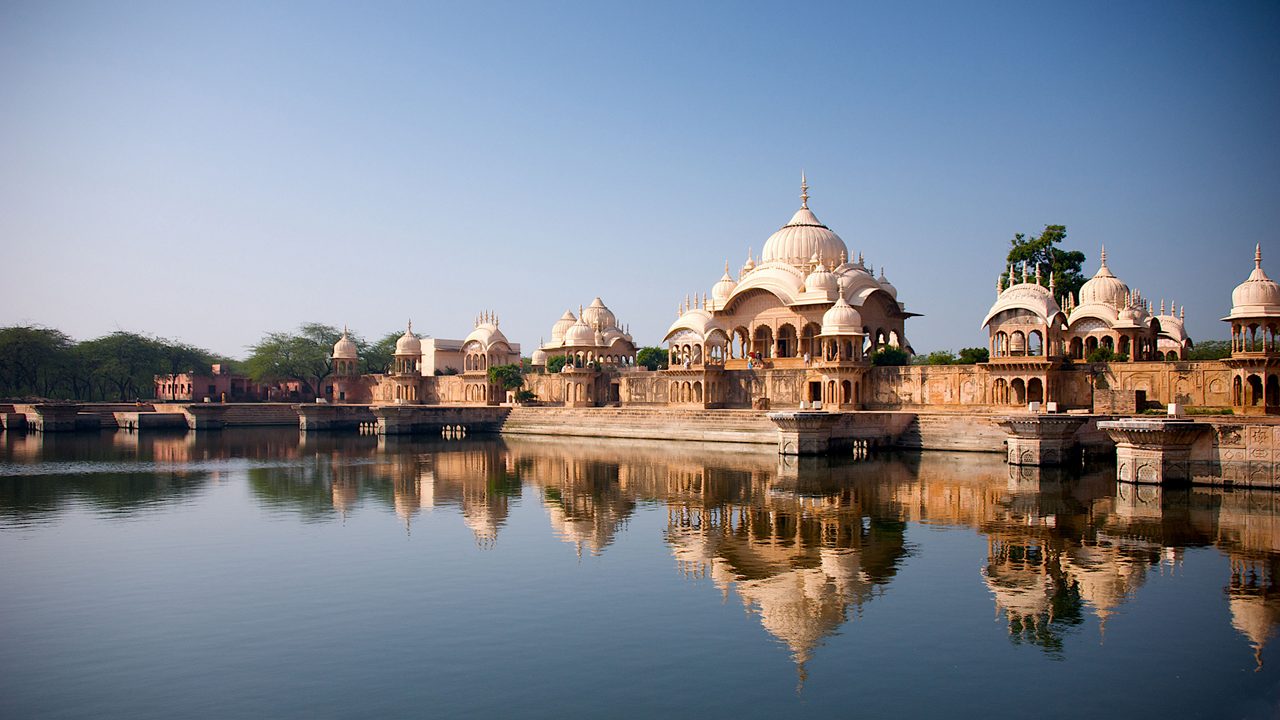 🚩 Birthplace of Lord Krishna
Mathura
🚩 Birthplace of Lord Krishna
Mathura
Mathura Temple
Mathura is revered as the birthplace of Lord Krishna and is among India most important pilgrimage cities. Known for Krishna Janmabhoomi Temple, colorful Holi celebrations, and its deep connection to Hindu traditions. Mathura, located in the state of Uttar Pradesh, is one of the most sacred and ancient cities in India, revered as the birthplace of Lord Krishna. Situated along the banks of the holy Yamuna River, Mathura holds immense religious and cultural significance and is a central part of the Braj Bhoomi region, which is deeply associated with the life and legends of Lord Krishna. At the heart of the city lies the revered Krishna Janmabhoomi Temple, believed to be the exact birthplace of Lord Krishna. This sacred complex attracts millions of devotees throughout the year, who come to experience its powerful spiritual energy and historical importance. The city is also home to the famous Dwarkadhish Temple, known for its vibrant atmosphere, intricate architecture, and grand celebrations. Mathura is filled with numerous temples, ghats, and sacred sites that reflect its deep-rooted spiritual heritage. Vishram Ghat, located on the Yamuna River, is one of the most important ghats where devotees gather for holy dips and evening aarti, creating a divine and visually captivating experience. The city comes alive during major festivals such as Janmashtami, celebrating the birth of Lord Krishna, and Holi, which is celebrated here with unmatched enthusiasm and unique traditions that attract visitors from across the world. Mathura’s spiritual significance, combined with its vibrant culture, bustling markets, and traditional sweets like peda, makes it a complete pilgrimage and cultural destination. The narrow streets, temples at every corner, and continuous devotional chants create an atmosphere deeply immersed in faith. Well connected by road and rail, and located close to cities like Delhi and Agra, Mathura is easily accessible and sees a consistent flow of pilgrims and tourists throughout the year. The city offers a wide range of accommodation options, from budget lodges to comfortable hotels catering to different types of travelers. A visit to Mathura is a deeply emotional and spiritual journey, where devotion, mythology, and living traditions come together to create one of the most vibrant and sacred experiences in India.
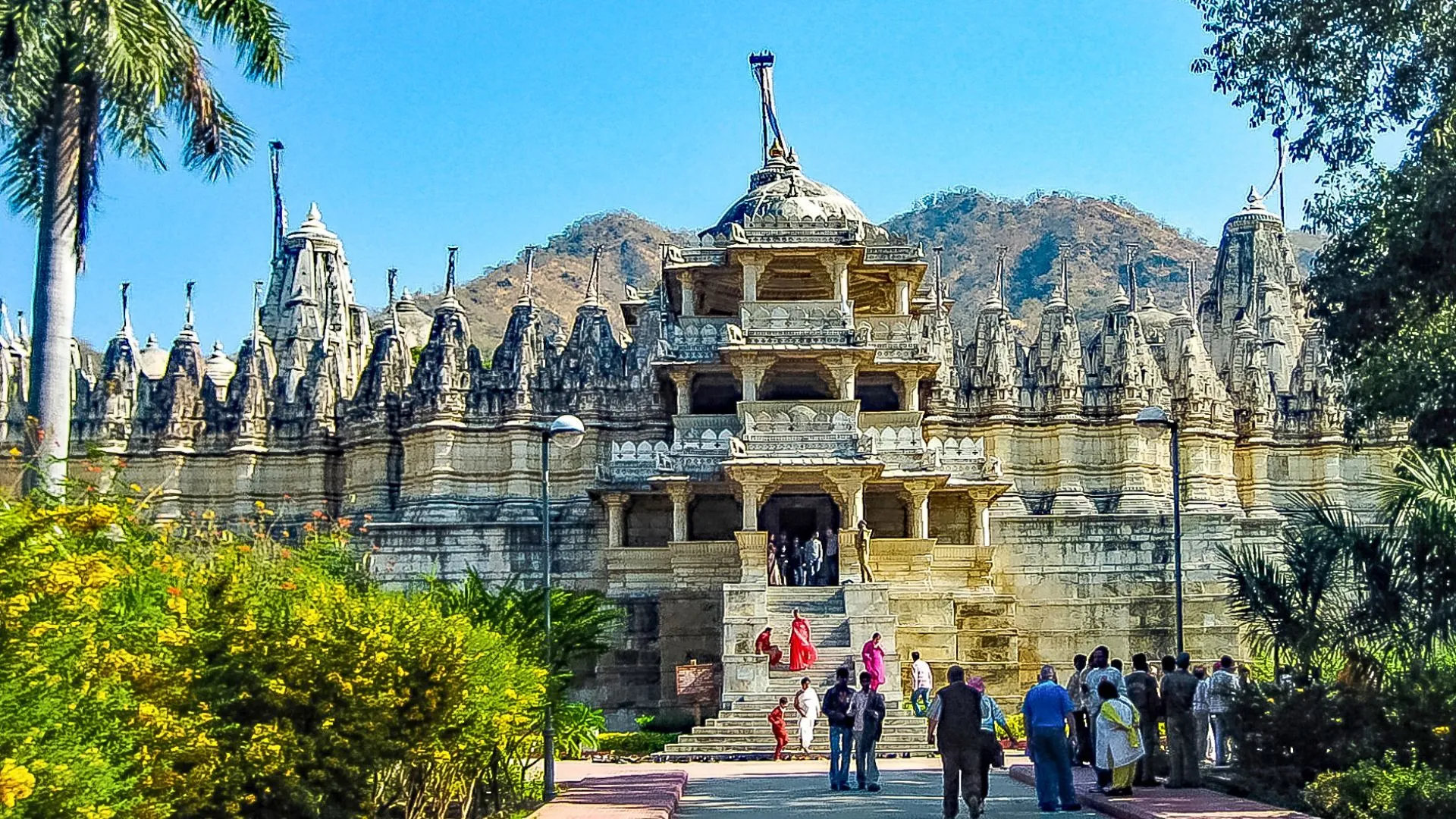 🏔️ Sacred Hill Retreat of Rajasthan
Mount Abu
🏔️ Sacred Hill Retreat of Rajasthan
Mount Abu
Mount Abu Temple
Mount Abu is Rajasthan only hill station and an important spiritual destination. Famous for the exquisite Dilwara Jain Temples, serene lakes, and scenic landscapes of the Aravalli Range. Located in the serene hill station of Mount Abu, the Dilwara Temples are among the most exquisite and spiritually significant Jain temples in India, renowned for their extraordinary marble craftsmanship and architectural brilliance. Built between the 11th and 13th centuries, these temples are dedicated to Jain Tirthankaras and stand as a timeless symbol of devotion, artistry, and precision. The Dilwara temple complex consists of several shrines, with the most prominent being the temple dedicated to Lord Adinath, the first Tirthankara of Jainism, and another dedicated to Lord Neminath. What makes these temples truly remarkable is the intricate marble carvings that adorn every surface, including ceilings, pillars, and doorways, showcasing some of the finest craftsmanship in Indian temple architecture. Despite their relatively simple exterior, the interiors of the Dilwara Temples are astonishingly detailed, with delicate carvings depicting mythological scenes, floral patterns, and symmetrical designs that leave visitors mesmerized. The level of detail is so refined that even the marble appears almost translucent in places. Apart from the Dilwara Temples, Mount Abu also features other important religious sites such as the Achalgarh Temple, dedicated to Lord Shiva, and the temple at Guru Shikhar, which is the highest point in Rajasthan and offers panoramic views along with a small temple dedicated to Dattatreya. Mount Abu, being the only hill station in Rajasthan, provides a refreshing climate and peaceful environment, making it a popular destination for both pilgrims and tourists. The blend of spiritual sites, scenic beauty, and historical importance creates a unique experience for visitors. The destination is well connected by road, with the nearest railway station at Abu Road, and offers a range of accommodations from budget hotels to premium resorts catering to all types of travelers. A visit to the temples of Mount Abu is not just a spiritual journey but also an exploration of unparalleled architectural beauty and tranquility, set amidst the cool and picturesque surroundings of Rajasthan’s only hill retreat.
🕌 Spiritual Destination
Nalanda
Nalanda Temple
Nalanda is a revered spiritual destination in Bihar. Explore sacred temples and verified stays.
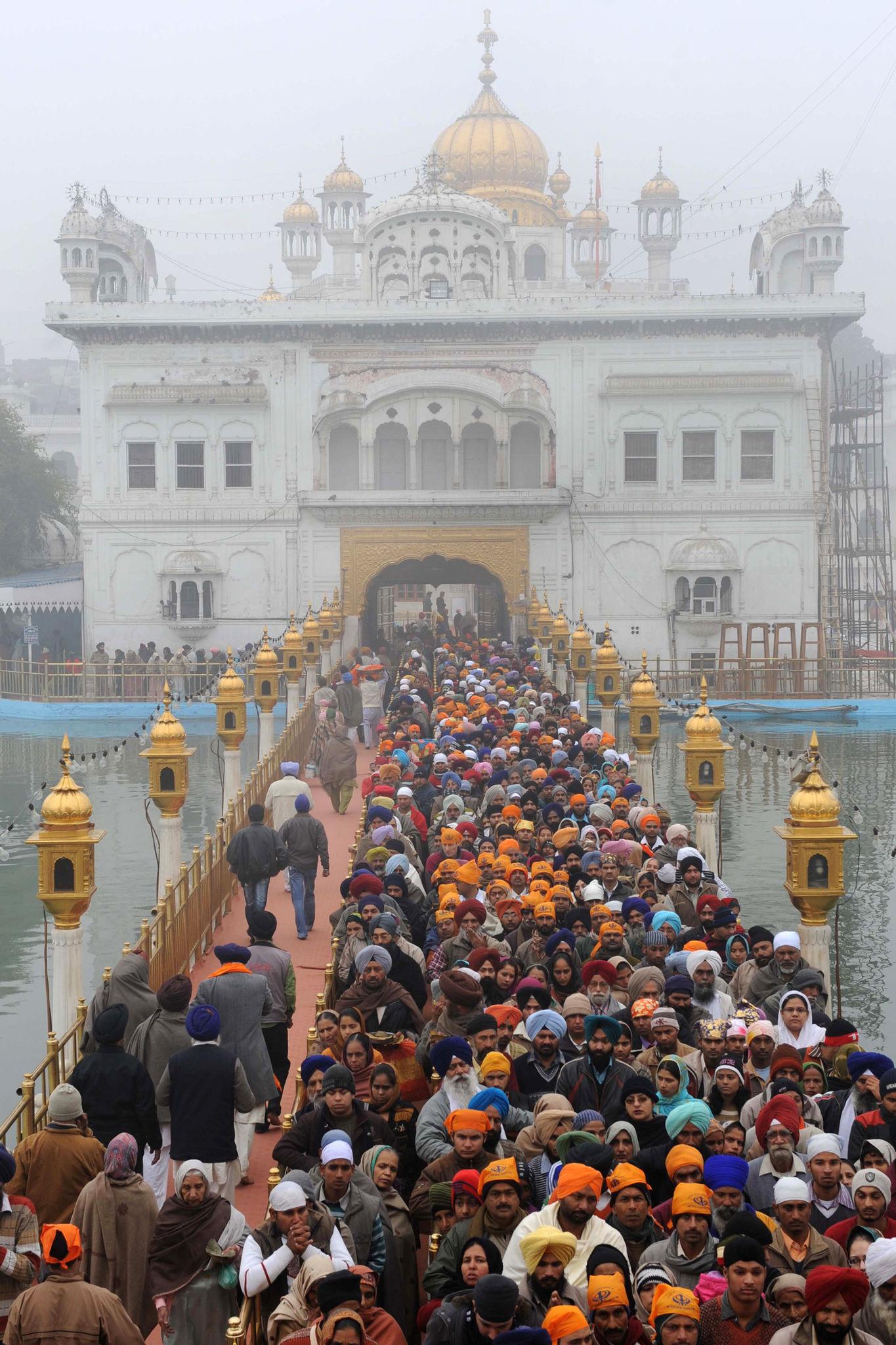 ✨ Sacred City of Sikh Heritage
Nanded
✨ Sacred City of Sikh Heritage
Nanded
Nanded Temple
Nanded is home to Takht Sri Hazur Sahib, one of Sikhism five Takhts. It holds immense significance as the place where Guru Gobind Singh Ji spent his final days. Nanded, located in the state of Maharashtra on the banks of the sacred Godavari River, is one of the most important pilgrimage destinations in Sikhism and holds immense spiritual significance. The city is best known for the revered Takht Sri Hazur Sahib, one of the five Takhts (seats of authority) in Sikh religion. Hazur Sahib is deeply associated with Guru Gobind Singh, the tenth Sikh Guru, who spent his final days here. It is believed that this is the place where Guru Gobind Singh declared the Guru Granth Sahib as the eternal Guru of Sikhs before leaving his mortal body. This makes Nanded a place of profound reverence and devotion for Sikh followers worldwide. The gurudwara complex is known for its grand architecture, spiritual ambiance, and continuous recitation of Gurbani. The atmosphere is deeply peaceful and devotional, with pilgrims participating in prayers, kirtans, and the sacred langar, which serves free meals to all visitors irrespective of background. Nanded attracts devotees throughout the year, with especially high footfall during Gurpurabs and significant Sikh religious occasions. The city has developed into a well-organized pilgrimage center with good infrastructure to support the large number of visitors. Apart from Hazur Sahib, Nanded is home to several other gurudwaras and historical sites connected to Guru Gobind Singh’s life, making it an important destination for those seeking a deeper understanding of Sikh history and spirituality. The city is well connected by rail and road, and also has an airport, making it accessible from major cities across India. Nanded offers a variety of accommodation options, including gurudwara stays, budget hotels, and comfortable lodging facilities for pilgrims. A visit to Nanded is a deeply spiritual and fulfilling experience, where devotion, history, and faith come together in a sacred environment that continues to inspire millions of devotees from around the world.
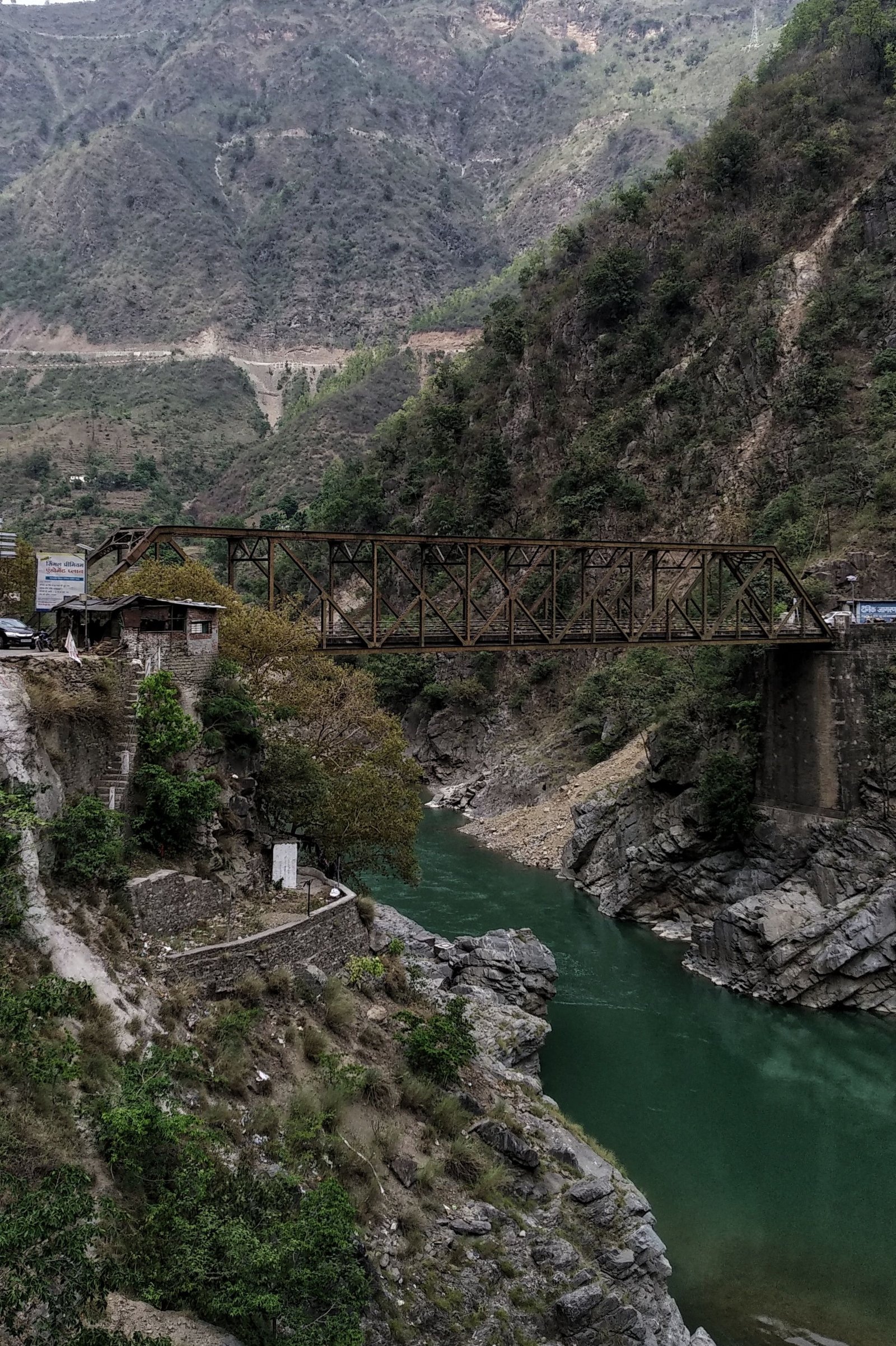 🌊 Sacred Confluence on the Badrinath Route
Nandprayag
🌊 Sacred Confluence on the Badrinath Route
Nandprayag
Nandprayag Temple
Nandprayag is a sacred Himalayan town in Chamoli district and one of the five revered Panch Prayags of Uttarakhand, making it an important spiritual stop for devotees travelling on the Char Dham Yatra route towards Badrinath. The town is situated at the holy confluence of the Alaknanda and Nandakini rivers, surrounded by the scenic mountains and river valleys of the Garhwal Himalayas. According to Hindu tradition, the sacred Sangam has been associated with religious rituals, meditation and pilgrimage for generations, giving Nandprayag considerable spiritual importance. Located along the road connecting Karnaprayag with Chamoli, Pipalkoti, Joshimath and Badrinath, Nandprayag can serve as a convenient intermediate halt for travellers undertaking the Char Dham Yatra. Pilgrims travelling long distances from Haridwar, Rishikesh, Devprayag or Srinagar can stop here to visit the sacred river confluence, experience the peaceful Himalayan surroundings and continue their journey towards the higher-altitude pilgrimage destinations at a comfortable pace. Nandprayag is especially suitable for travellers interested in visiting the sacred Panch Prayags while completing their Char Dham pilgrimage. The destination can be combined with Devprayag, Rudraprayag, Karnaprayag and Vishnuprayag to create a more complete spiritual itinerary through Uttarakhand. Its comparatively peaceful setting also makes it a useful alternative to the busier commercial centres situated along the Badrinath highway. Pilgrims searching for hotels in Nandprayag, Char Dham hotels in Uttarakhand, Badrinath route accommodation, hotels near Nandprayag Sangam, budget stays in Chamoli, Panch Prayag accommodation and family hotels on the Badrinath route can explore suitable options through MudrasStays. MudrasStays helps devotees discover pilgrimage-focused accommodation at important temples, transit towns and intermediate destinations, allowing travellers to plan a more organised and comfortable Char Dham journey. With its sacred river confluence, peaceful Himalayan environment and strategic position along the route to Badrinath, Nandprayag is an excellent destination for pilgrims who want their Char Dham Yatra to include not only the main shrines but also the culturally and spiritually significant locations found throughout the Garhwal Himalayas.
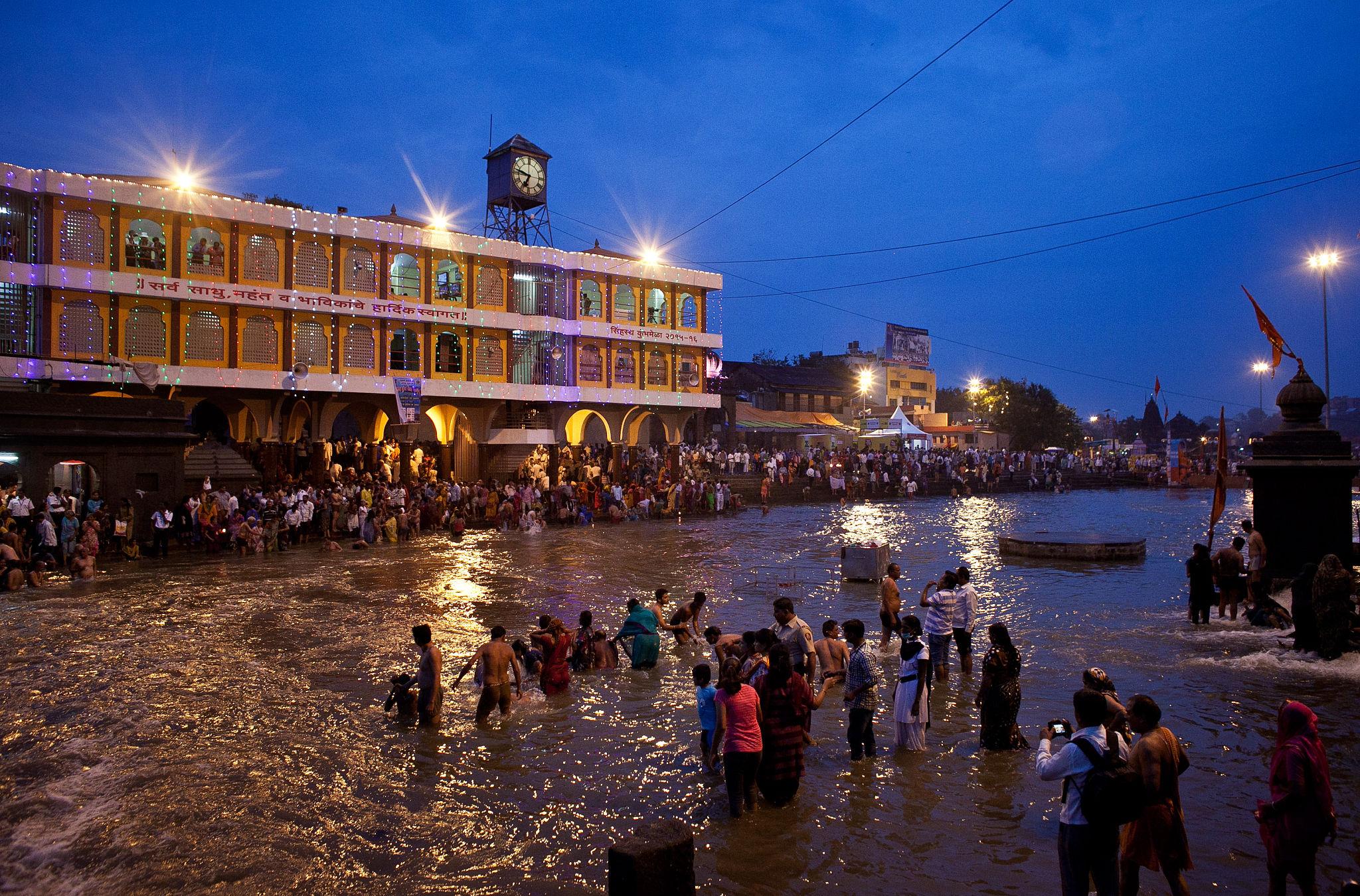 🍇 Spiritual City of Kumbh Mela
Nashik
🍇 Spiritual City of Kumbh Mela
Nashik
Nashik Temple
Nashik is one of the four cities that host the Kumbh Mela and is deeply connected with the Ramayana. The city is known for its sacred temples, ghats, and vibrant spiritual atmosphere. Nashik, located in the state of Maharashtra along the banks of the sacred Godavari River, is one of the most important spiritual and pilgrimage destinations in India. Known for its deep connection to the epic Ramayana and its status as a major religious hub, Nashik attracts millions of devotees and travelers throughout the year. The city holds immense significance as it is believed that Lord Rama spent a part of his exile here, along with Sita and Lakshman. The region of Panchavati is particularly sacred, featuring important sites such as Ram Kund, where devotees take holy dips in the Godavari River, and Sita Gufa, associated with Goddess Sita. One of the most prominent attractions near Nashik is the Trimbakeshwar Temple, located about 30 km away. This temple is one of the twelve Jyotirlingas dedicated to Lord Shiva and is considered highly sacred among devotees. The temple’s ancient architecture and spiritual importance make it a key highlight of the region. Nashik is also one of the four cities in India that host the grand Kumbh Mela, one of the largest religious gatherings in the world. During this event, millions of pilgrims visit the city to take a holy dip in the Godavari River, creating a vibrant and deeply spiritual atmosphere. Apart from its religious significance, Nashik is also known for its pleasant climate, vineyards, and scenic surroundings, making it a blend of spirituality and leisure. The city offers a wide range of experiences, from temple visits and riverfront rituals to cultural exploration. Well connected by road, rail, and close to Mumbai, Nashik is easily accessible and offers a variety of accommodation options, from budget lodges to premium hotels catering to both pilgrims and tourists. A visit to Nashik is a spiritually enriching journey, where mythology, devotion, and natural beauty come together to create a destination that holds a special place in India’s religious and cultural landscape.
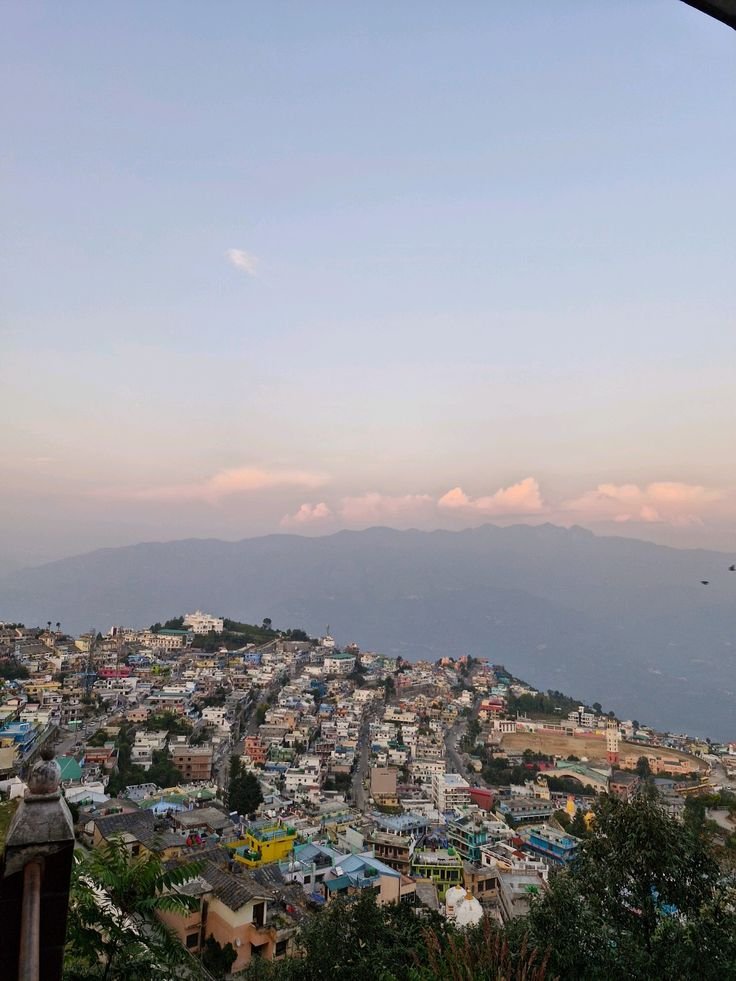 🏔️ Scenic Himalayan Transit City
New Tehri
🏔️ Scenic Himalayan Transit City
New Tehri
New Tehri Temple
New Tehri is a scenic hill town in Uttarakhand that can serve as a convenient stop for travellers exploring Garhwal or planning an extended Char Dham Yatra itinerary. Overlooking the famous Tehri Lake and surrounded by mountain landscapes, New Tehri combines modern town infrastructure with easy access to several religious and leisure destinations across the Garhwal region. The city offers hotels, restaurants, markets and essential traveller facilities, making it suitable for families and groups seeking a comfortable break during a longer Uttarakhand journey. Travellers can use MudrasStays to explore hotels in New Tehri, Char Dham route accommodation, hotels near Tehri Lake, family hotels in Tehri and pilgrimage stopover stays in Uttarakhand. For visitors combining the Char Dham pilgrimage with sightseeing around Tehri, Rishikesh and other nearby destinations, New Tehri provides a comfortable and scenic accommodation base
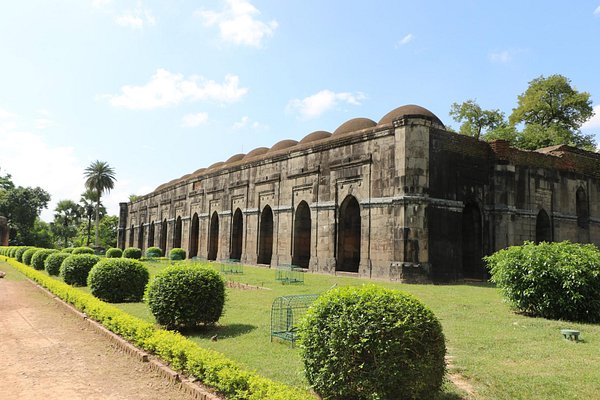 🌿 Birthplace of Sri Chaitanya's Associate & Spiritual Heritage Village
Nityanandapur
🌿 Birthplace of Sri Chaitanya's Associate & Spiritual Heritage Village
Nityanandapur
Nityanandapur Temple
Nityanandapur is a historically and spiritually significant village in the Malda district of West Bengal. Revered by devotees of the Vaishnav tradition, it is associated with the life and teachings of Sri Nityananda Prabhu, one of the foremost companions of Sri Chaitanya Mahaprabhu. The village attracts pilgrims seeking a peaceful spiritual retreat, especially during religious festivals and commemorative events. Surrounded by lush greenery and rural charm, Nityanandapur offers visitors an opportunity to experience Bengal's rich devotional heritage, traditional culture, and serene atmosphere. It serves as an important destination for devotees, history enthusiasts, and travelers exploring the spiritual landmarks of West Bengal.
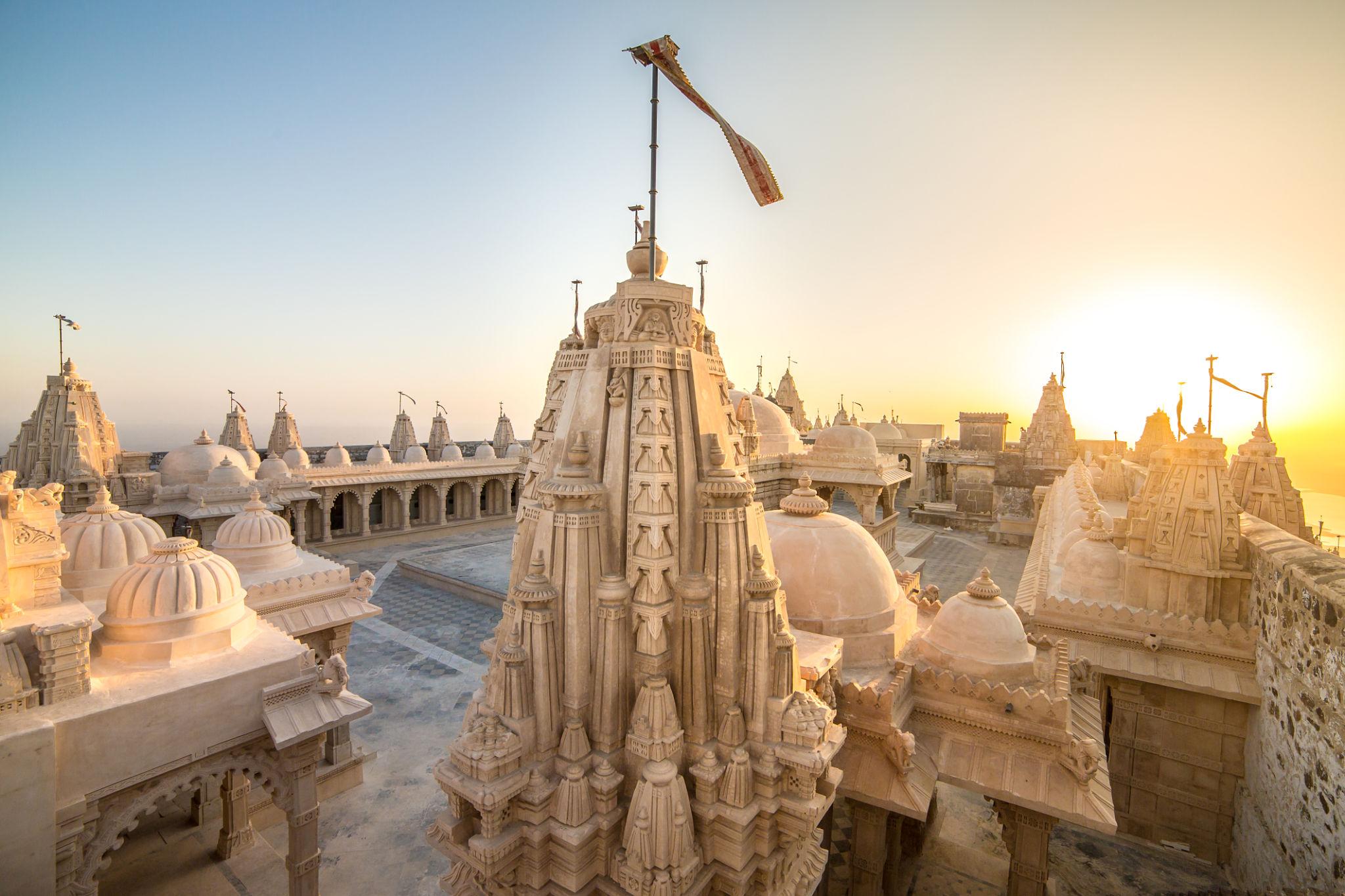 🕉️ Jainism Holiest Pilgrimage
Palitana
🕉️ Jainism Holiest Pilgrimage
Palitana
Palitana Temple
Palitana is considered the holiest pilgrimage destination for Jains. The sacred Shatrunjaya Hill is adorned with hundreds of intricately carved Jain temples visited by devotees from across the world. Located near the city of Bhavnagar in the state of Gujarat, the sacred Palitana Temples on Shatrunjaya Hill form one of the most important pilgrimage destinations in Jainism. This extraordinary temple complex is a collection of over 800 intricately carved marble temples spread across the hill, making it one of the largest temple complexes in the world. Palitana holds immense spiritual significance for followers of Jainism, especially as it is dedicated to Lord Adinath, the first Tirthankara. According to Jain beliefs, every devotee should undertake the pilgrimage to Shatrunjaya Hill at least once in their lifetime, as it is considered a path to spiritual purification and liberation. The journey to the temples involves climbing approximately 3,800 stone steps, beginning early in the morning. The ascent is both physically demanding and spiritually rewarding, with devotees chanting prayers and pausing at various shrines along the way. The absence of vehicles on the hill preserves its sanctity, creating a peaceful and disciplined environment. At the summit, visitors are welcomed by a breathtaking view of an expansive temple city made entirely of marble, with domes, spires, and intricately carved structures shining under the sunlight. The architecture is remarkably detailed, showcasing centuries of devotion, craftsmanship, and artistic excellence. The atmosphere at Palitana is serene and deeply spiritual, with strict adherence to Jain principles, including vegetarianism and non-violence. No one is allowed to stay overnight on the hill, and the entire pilgrimage is completed within the same day, adding to its uniqueness. Palitana attracts thousands of pilgrims and tourists throughout the year, with peak footfall during Jain festivals and cooler months when the climb is more comfortable. The town at the base offers accommodation options ranging from dharamshalas to hotels, catering to the needs of visitors. Well connected by road from Bhavnagar and other major cities in Gujarat, Palitana stands as a symbol of devotion, discipline, and spiritual aspiration. A visit to this sacred hill is not just a pilgrimage but a profound journey of faith, where every step taken is believed to bring one closer to inner peace and enlightenment.
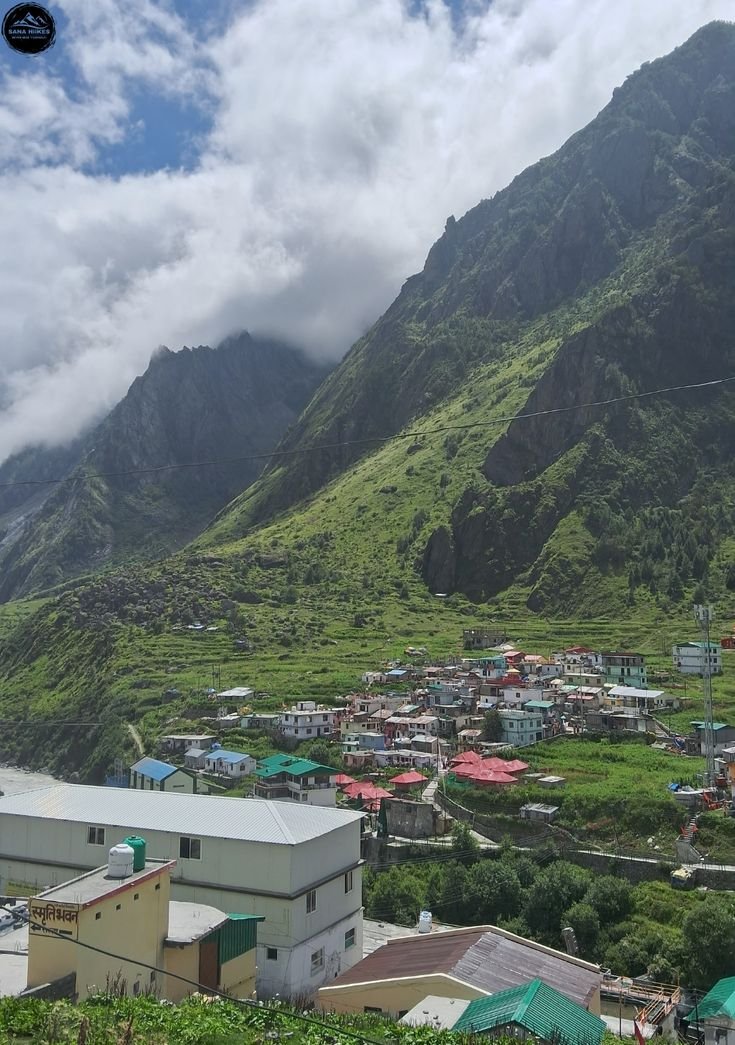 🕉️ Ancient Pilgrimage Halt Near Badrinath
Pandukeshwar
🕉️ Ancient Pilgrimage Halt Near Badrinath
Pandukeshwar
Pandukeshwar Temple
Pandukeshwar is a spiritually significant Himalayan settlement located on the Char Dham route between Joshimath and Badrinath. The destination is particularly known for Yogadhyan Badri Temple, one of the temples associated with the Sapta Badri pilgrimage circuit. Surrounded by mountains and the Alaknanda Valley, Pandukeshwar offers travellers a quieter religious stop before reaching Badrinath Dham. For pilgrims travelling during busy Char Dham periods, Pandukeshwar can also provide an alternative location for accommodation when hotels closer to Badrinath experience high demand. The village is well positioned for travellers continuing towards Govindghat, Badrinath and Mana. Through MudrasStays, pilgrims can explore hotels in Pandukeshwar, accommodation near Badrinath, Char Dham route hotels, stays near Yogadhyan Badri Temple and guest houses between Joshimath and Badrinath. Its ancient temple heritage and convenient route location make Pandukeshwar an important intermediate destination for religious travellers.
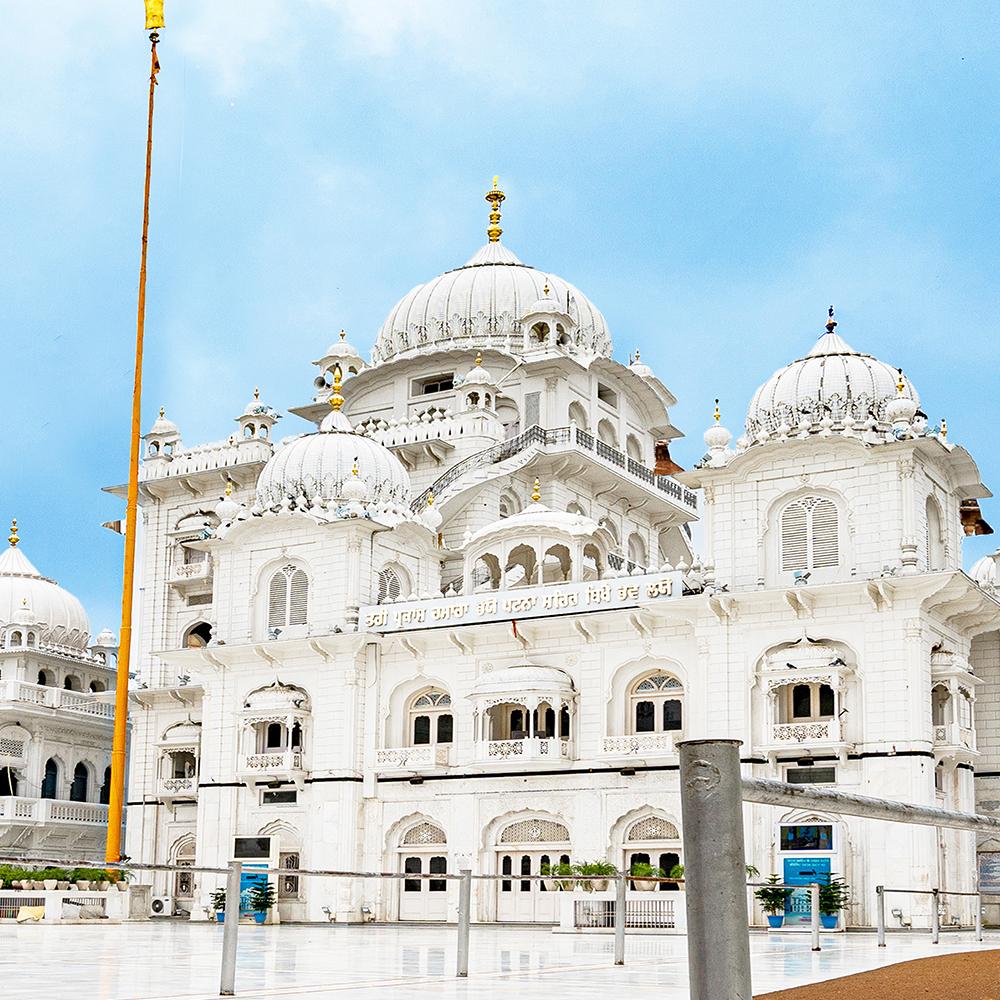 ✨ Birthplace of Guru Gobind Singh Ji
Patna Sahib
✨ Birthplace of Guru Gobind Singh Ji
Patna Sahib
Patna Sahib Temple
Patna Sahib is among the five Takhts of Sikhism and marks the birthplace of Guru Gobind Singh Ji. It is a revered destination for Sikh devotees worldwide. Located in the historic city of Patna, the sacred Takht Sri Patna Sahib is one of the most important pilgrimage sites in Sikhism and holds immense religious significance. Situated on the banks of the holy Ganga River, this revered gurudwara is the birthplace of Guru Gobind Singh, the tenth Sikh Guru, making it a place of deep devotion and spiritual importance for millions of followers worldwide. Takht Sri Patna Sahib is one of the five Takhts (seats of authority) in Sikhism and serves as a major center for Sikh faith, history, and tradition. The gurudwara stands as a symbol of purity, devotion, and equality, welcoming devotees from all backgrounds to experience its peaceful and spiritual environment. The architecture of the gurudwara is grand and elegant, featuring white marble structures, golden domes, and beautifully designed interiors that reflect the richness of Sikh heritage. Inside the complex, sacred relics associated with Guru Gobind Singh are preserved, including his personal belongings, which hold immense historical and emotional value for devotees. The atmosphere within the gurudwara is deeply serene, filled with the continuous recitation of Gurbani and devotional hymns. The langar (community kitchen) operates throughout the day, offering free meals to all visitors as a symbol of selfless service and unity. Patna Sahib attracts pilgrims throughout the year, with a significant increase in footfall during Gurpurabs and special occasions related to Guru Gobind Singh. The area surrounding the gurudwara is vibrant, with markets, religious shops, and facilities catering to the needs of visitors. Easily accessible by air, rail, and road, Patna serves as a major hub in Bihar, making the gurudwara convenient for travelers from across India. The city offers a range of accommodation options, including hotels and dharamshalas, ensuring comfortable stays for pilgrims. A visit to Takht Sri Patna Sahib is a deeply spiritual and enriching experience, where history, devotion, and faith come together in a sacred environment that continues to inspire millions of devotees across generations.
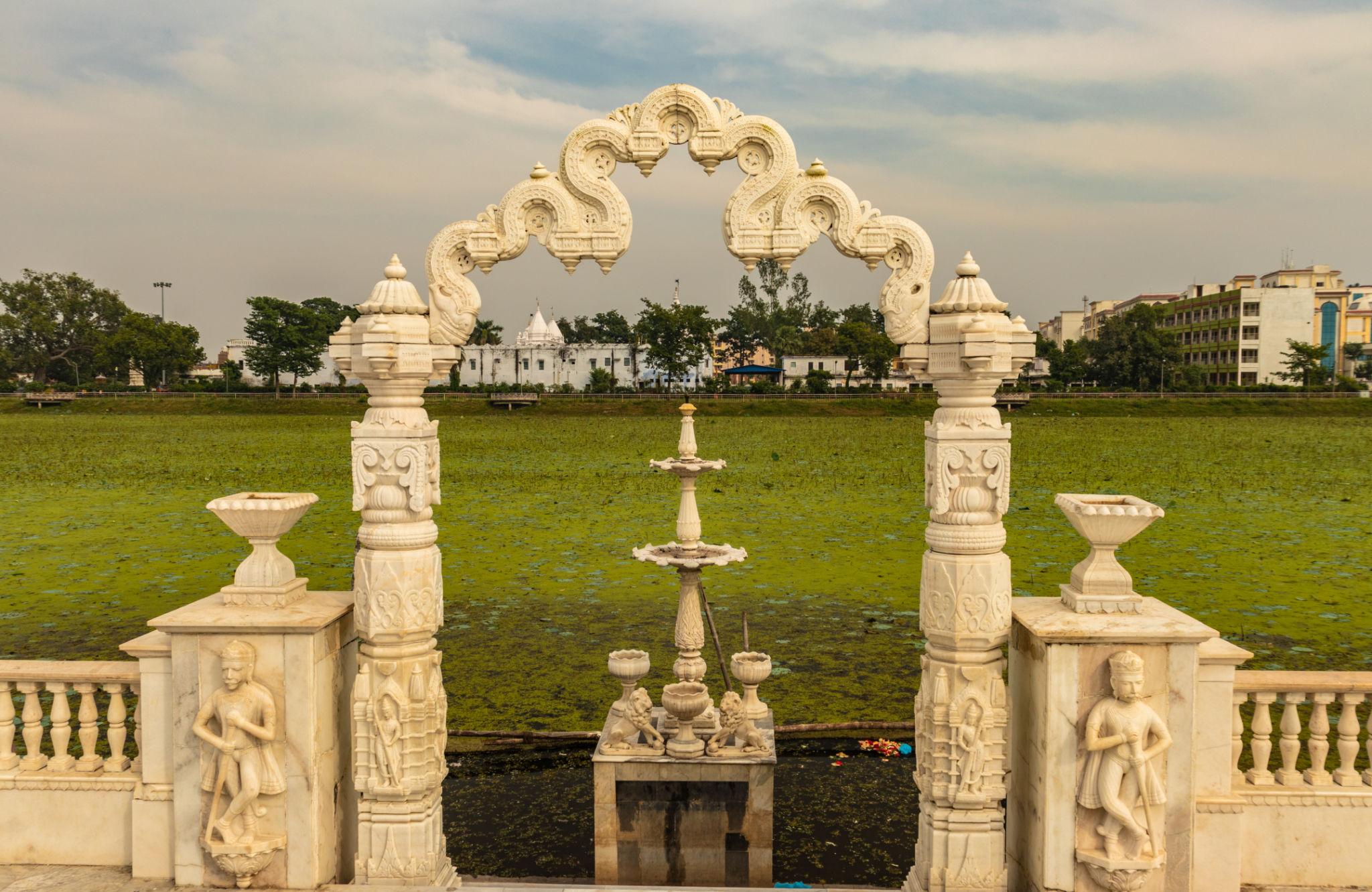 🕊️ Land of Mahavira Nirvana
Pavapuri
🕊️ Land of Mahavira Nirvana
Pavapuri
Pavapuri Temple
Pavapuri is one of the holiest places in Jainism, believed to be the site where Lord Mahavira attained Nirvana. The beautiful Jal Mandir situated amidst a lotus-filled lake is its most iconic attraction. Located in the शांत town of Pawapuri, near Nalanda, Pawapuri is one of the most sacred pilgrimage sites in Jainism. This holy destination holds immense spiritual significance as the place where Lord Mahavira, the founder of Jain philosophy, attained nirvana (final liberation), making it a deeply revered site for Jain devotees across the world. The centerpiece of Pawapuri is the beautiful Jal Mandir, a stunning white marble temple located in the middle of a large, serene lotus-filled water tank. According to belief, after Lord Mahavira’s cremation, devotees took away so much soil from the site as sacred relics that a large pond was formed, and the temple was later built at its center. A narrow stone pathway connects the temple to the shore, adding to its unique and peaceful setting. The atmosphere in Pawapuri is exceptionally calm and spiritually uplifting, surrounded by water, greenery, and silence, making it ideal for meditation and reflection. The temple complex is simple yet elegant, reflecting the core Jain principles of non-violence, simplicity, and detachment. Pawapuri attracts pilgrims throughout the year, with peak footfall during Jain festivals, especially during Mahavir Nirvana Diwas, when devotees gather in large numbers to pay homage and participate in religious ceremonies. The destination is well connected by road from nearby cities such as Bihar Sharif, Nalanda, and Patna, making it easily accessible for travelers. Accommodation options are available in nearby towns, including dharamshalas and budget hotels catering primarily to pilgrims. A visit to Pawapuri is a deeply peaceful and spiritual experience, offering a sense of tranquility and connection to the teachings of Lord Mahavira. Surrounded by still waters and sacred history, this destination stands as a symbol of liberation, devotion, and inner peace.
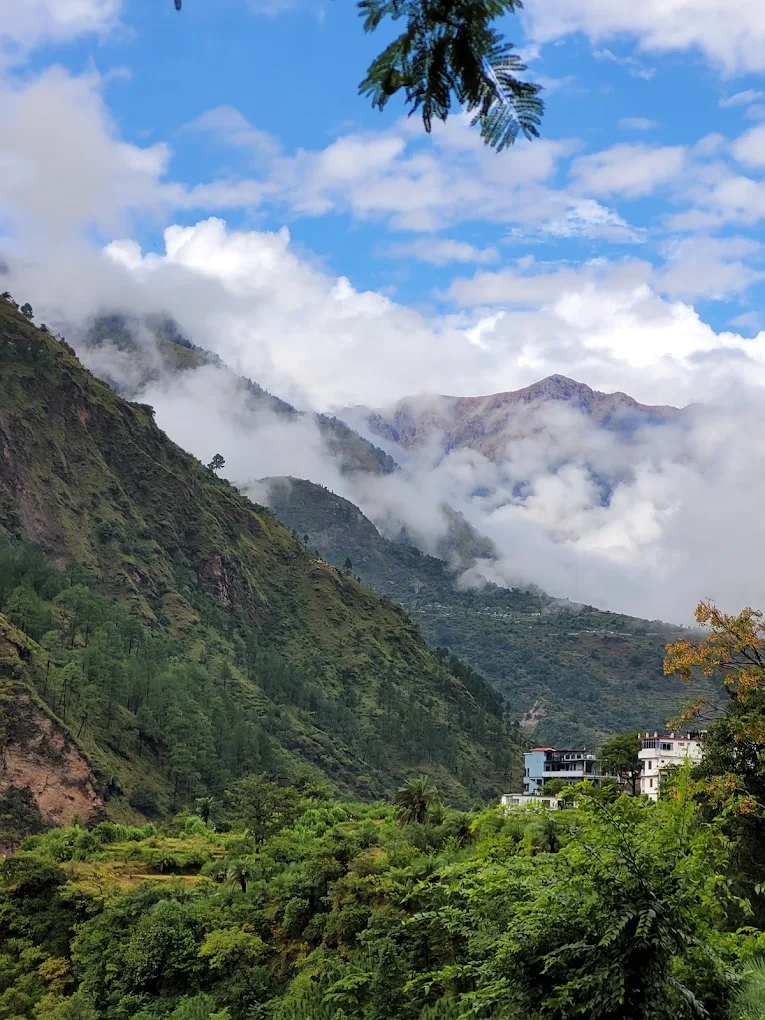 🏔️ Comfortable Halt on the Badrinath Route
Pipalkoti
🏔️ Comfortable Halt on the Badrinath Route
Pipalkoti
Pipalkoti Temple
Pipalkoti is a convenient mountain town located along the main Char Dham Yatra route towards Badrinath and serves as an important rest stop between the lower Garhwal region and destinations such as Joshimath, Govindghat and Badrinath. Surrounded by the scenic Alaknanda Valley, Pipalkoti provides a quieter alternative to larger transit centres and is particularly useful for travellers looking to break the long road journey. The town has hotels, guest houses, restaurants and essential shops catering to pilgrims and road travellers during the Char Dham season. Through MudrasStays, devotees can search for hotels in Pipalkoti, Char Dham accommodation, Badrinath route hotels, budget stays near Joshimath and family hotels on the Badrinath highway. Its practical location makes Pipalkoti suitable for overnight stays before continuing towards higher-altitude pilgrimage destinations. For families and senior travellers, an overnight halt here can make the overall Char Dham journey more comfortable.
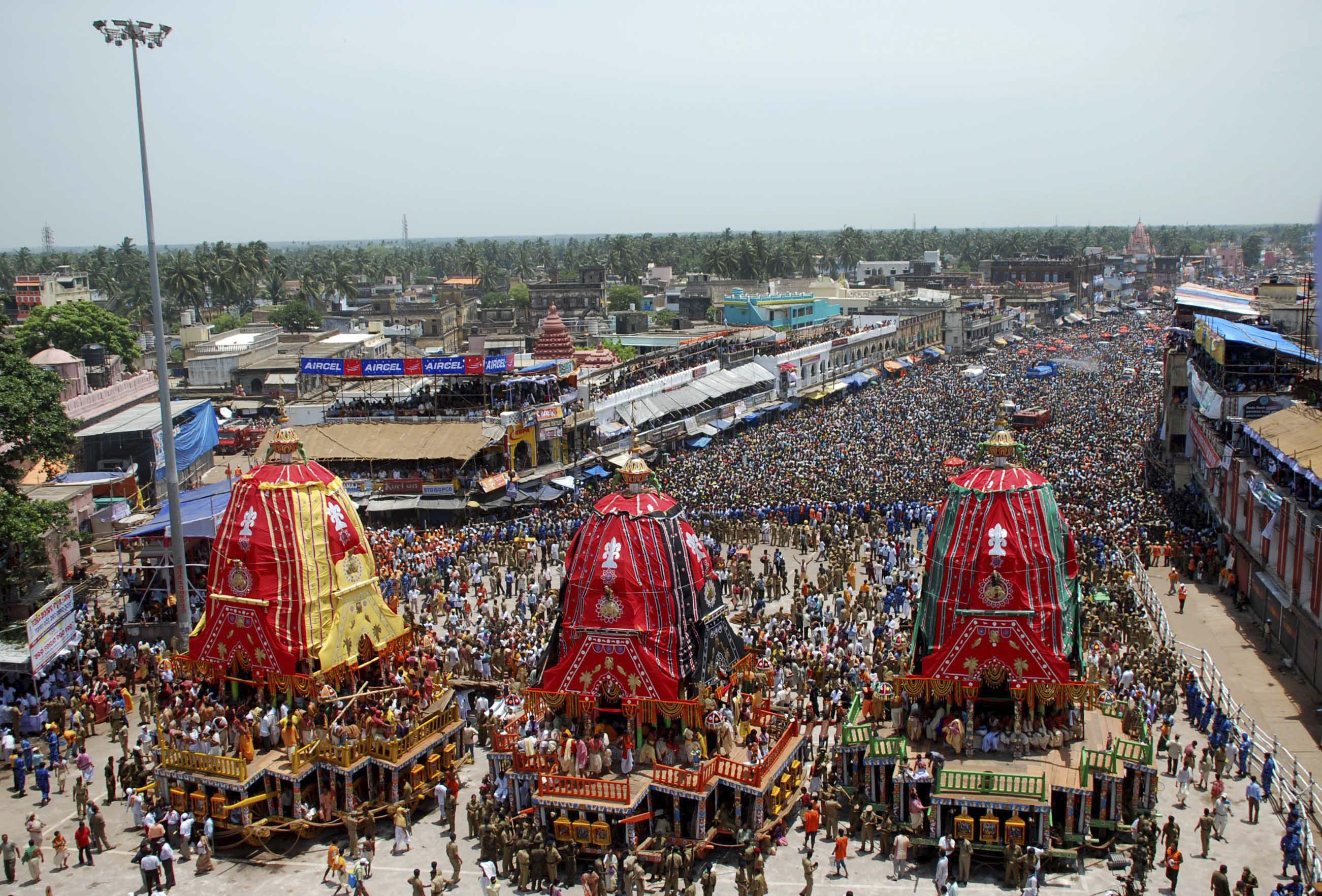 🌊 Land of Jagannath
Puri
🌊 Land of Jagannath
Puri
Puri Temple
One of the four sacred Dhams of Hinduism, Puri is famous for the Jagannath Temple and the grand Rath Yatra chariot festival. Located in the coastal city of Puri, the sacred Jagannath Temple is one of the most important pilgrimage sites in India and a key part of the revered Char Dham Yatra. Dedicated to Lord Jagannath, along with his siblings Balabhadra and Subhadra, the temple holds immense spiritual significance and attracts millions of devotees every year. Puri is considered one of the holiest cities in Hinduism, and the Jagannath Temple stands as its spiritual heart. The temple’s unique traditions, rituals, and cultural practices distinguish it from other temples across India. One of its most fascinating aspects is the wooden idols of the deities, which are ceremonially replaced every few years in a sacred ritual known as Nabakalebara. The temple is globally renowned for the grand Rath Yatra, an annual chariot festival where the deities are taken out of the temple in massive, beautifully decorated chariots. This event draws millions of pilgrims and tourists from across the world, creating an atmosphere of unmatched devotion and celebration. Situated near the Bay of Bengal, Puri offers a unique blend of spirituality and coastal beauty. The nearby beaches add to the charm of the destination, allowing visitors to experience both religious and scenic aspects in one place. The temple complex is known for its towering structure, intricate carvings, and the iconic flag atop the temple, which is changed daily following traditional rituals. The kitchen of the temple is one of the largest in the world, preparing Mahaprasad that is served to thousands of devotees every day. Puri experiences high footfall throughout the year, with peak seasons during Rath Yatra and winter months. The city is well connected by rail and road, with the nearest airport located in Bhubaneswar, making it easily accessible for travelers. Accommodation options in Puri range from budget lodges to luxury beachfront hotels, catering to pilgrims, families, and tourists alike. Many visitors prefer staying close to the temple for convenient darshan. A visit to Jagannath Puri is a deeply spiritual and culturally rich experience, where devotion, tradition, and vibrant celebrations come together in one of India’s most iconic pilgrimage destinations.
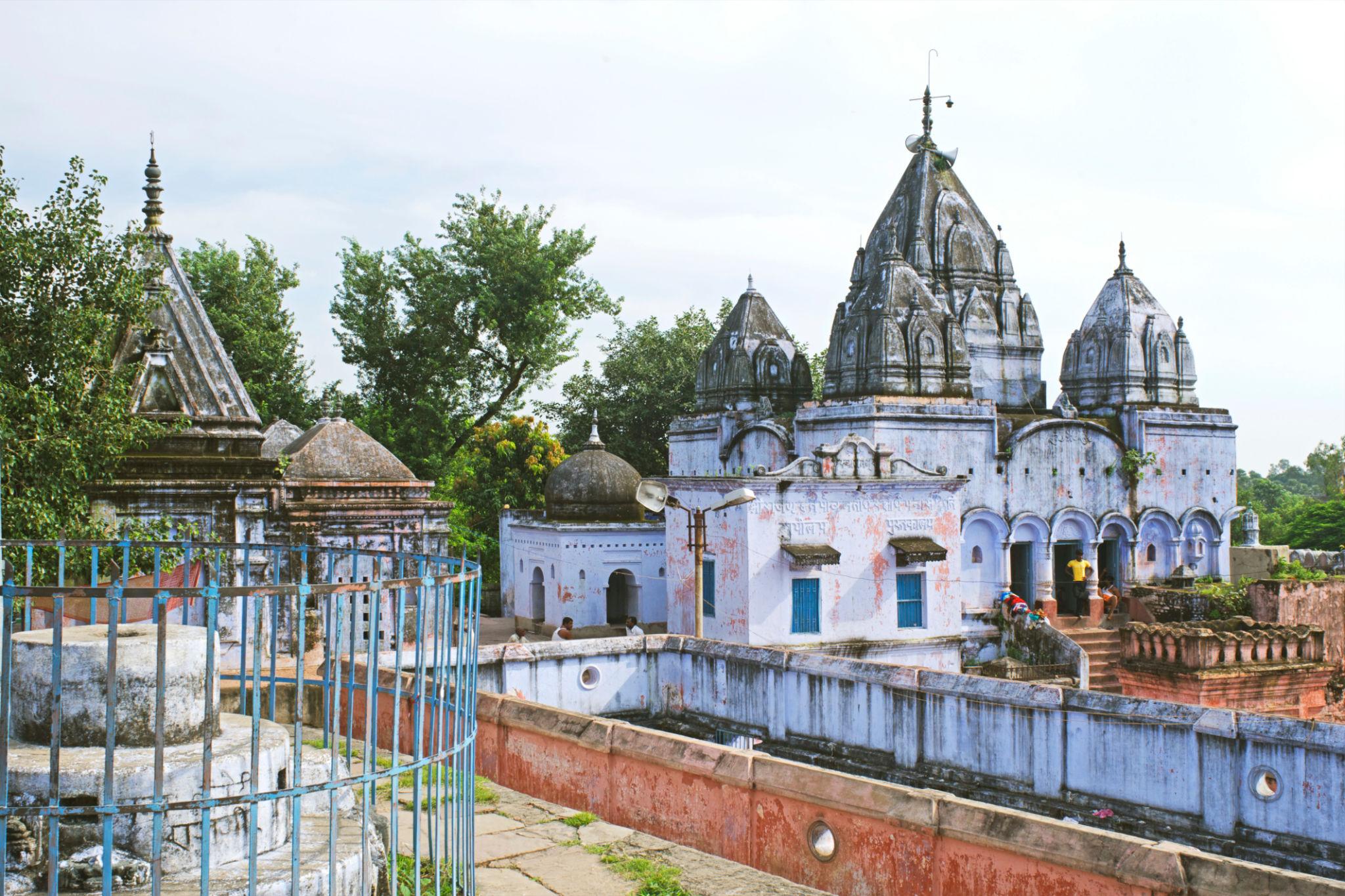 🏞️ Ancient Capital of Magadha
Rajgir
🏞️ Ancient Capital of Magadha
Rajgir
Rajgir Temple
Rajgir was the ancient capital of the Magadha kingdom and holds immense significance in Buddhism and Jainism. Lord Buddha spent several years here, making it a major pilgrimage and historical destination. Rajgir, located in the state of Bihar, is one of the most ancient and spiritually significant destinations in India, deeply associated with both Buddhism and Jainism. Surrounded by a ring of lush green hills, Rajgir offers a unique combination of natural beauty, historical importance, and profound spiritual heritage. Rajgir holds immense significance in Buddhism as it was one of the favorite meditation and teaching sites of Gautama Buddha. It is here that Buddha delivered many important sermons, particularly at the sacred Griddhakuta Hill, also known as Vulture’s Peak. This hill continues to attract pilgrims and meditators who seek to connect with the teachings of Buddhism in a शांत and natural environment. One of the most prominent attractions in Rajgir is the Vishwa Shanti Stupa, a beautiful white pagoda built on Ratnagiri Hill, symbolizing peace and harmony. Visitors can reach the stupa via a scenic ropeway ride, which offers panoramic views of the surrounding hills and valleys, enhancing the overall experience. Rajgir is also significant in Jainism, as it is associated with Lord Mahavira, who is believed to have spent time here and delivered teachings. The region is dotted with Jain temples and sacred sites that attract devotees from across the country. Another unique feature of Rajgir is its natural hot water springs, known as kunds, which are considered sacred and are believed to have medicinal properties. These springs are located near temples and are frequently visited by pilgrims for ritual bathing. Historically, Rajgir was the ancient capital of the Magadha kingdom and has witnessed the rise of great empires and spiritual movements. The remnants of cyclopean walls and ancient structures still stand as a testament to its glorious past. Rajgir is well connected by road and rail, and is often visited along with nearby destinations such as Nalanda and Bodh Gaya, forming an important part of the Buddhist pilgrimage circuit. The town offers a range of accommodation options, from budget hotels to comfortable stays, catering primarily to pilgrims and heritage travelers. A visit to Rajgir is a deeply enriching experience, where spirituality, history, and natural beauty come together in a peaceful setting that continues to inspire seekers of knowledge and inner peace.
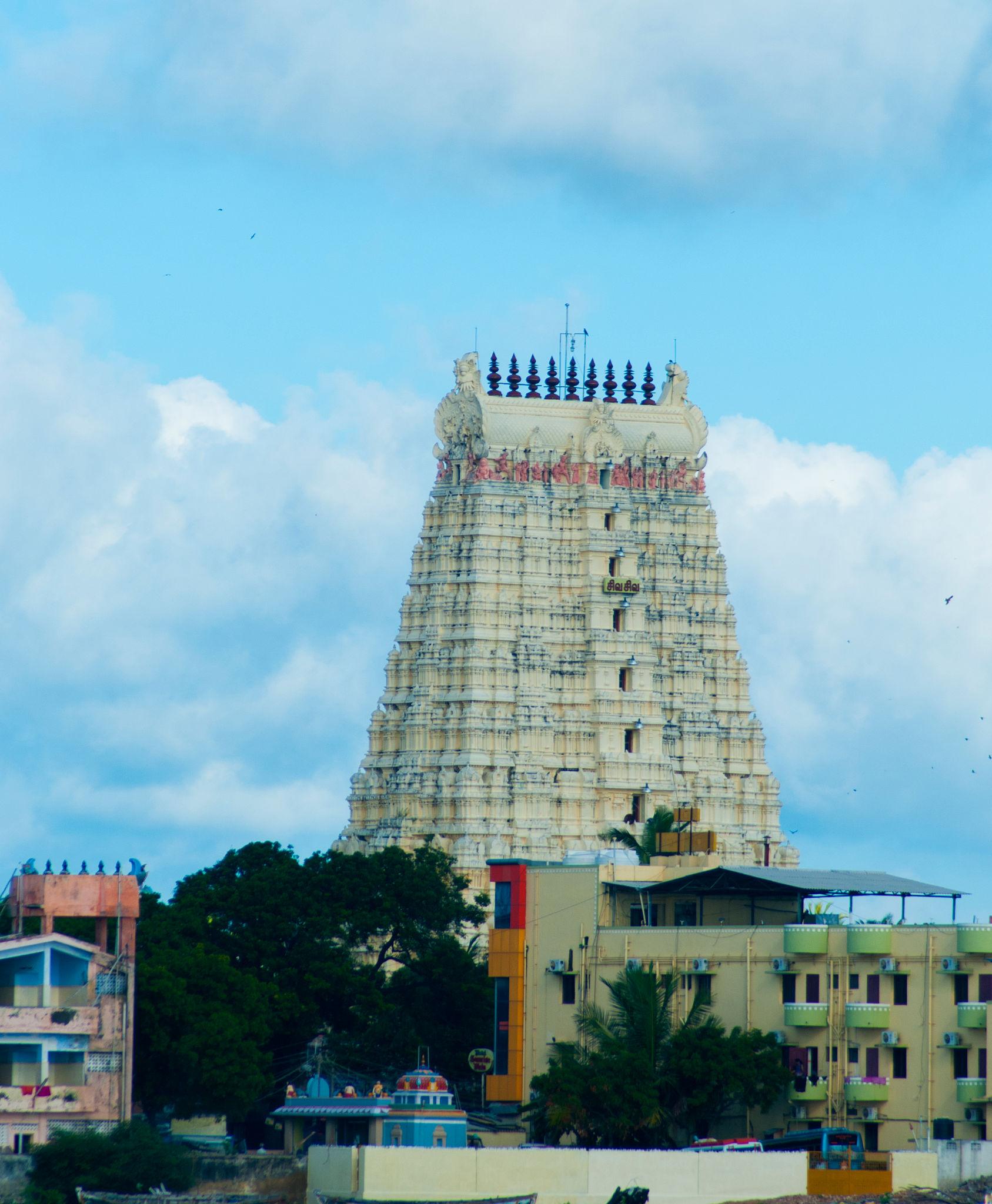 🌊 Gateway to Ramayana Heritage
Rameswaram
🌊 Gateway to Ramayana Heritage
Rameswaram
Rameswaram Temple
Rameswaram is one of the Char Dham pilgrimage sites closely associated with Lord Rama. The Ramanathaswamy Temple is renowned for its magnificent corridors and deep spiritual significance. Rameswaram, located on Pamban Island in the state of Tamil Nadu, is one of the most sacred pilgrimage destinations in India and a key part of the revered Char Dham Yatra. Surrounded by the waters of the Indian Ocean and the Bay of Bengal, this holy town holds immense spiritual importance in Hinduism and is deeply associated with the epic Ramayana. At the heart of Rameswaram lies the magnificent Ramanathaswamy Temple, dedicated to Lord Shiva. This temple is one of the twelve Jyotirlingas and is renowned for having one of the longest temple corridors in the world, supported by intricately carved pillars that showcase exceptional Dravidian architecture. Rameswaram is closely linked to the story of Lord Rama, who is believed to have built the Ram Setu bridge from this location to reach Lanka. It is said that Lord Rama worshipped Lord Shiva here to seek blessings before his journey, making this destination highly sacred for devotees. One of the most important rituals in Rameswaram involves bathing in the 22 holy wells (theerthams) located within the temple complex, followed by a dip in the sea at Agni Theertham, which is believed to purify the soul and wash away sins. The town is also known for the iconic Pamban Bridge, India’s first sea bridge, offering breathtaking views as it connects the island to the mainland. The surrounding coastal beauty, calm waters, and spiritual ambiance make Rameswaram a unique blend of devotion and scenic charm. Rameswaram attracts pilgrims throughout the year, with peak seasons during festivals and winter months. The destination is well connected by rail and road, with Madurai serving as the nearest major city with an airport. Accommodation options range from budget lodges to comfortable hotels, with many located close to the temple for convenient access to rituals and darshan. A visit to Rameswaram is a deeply spiritual and fulfilling journey, where mythology, devotion, and natural beauty come together in a sacred island setting that continues to inspire faith and reverence among millions of devotees.
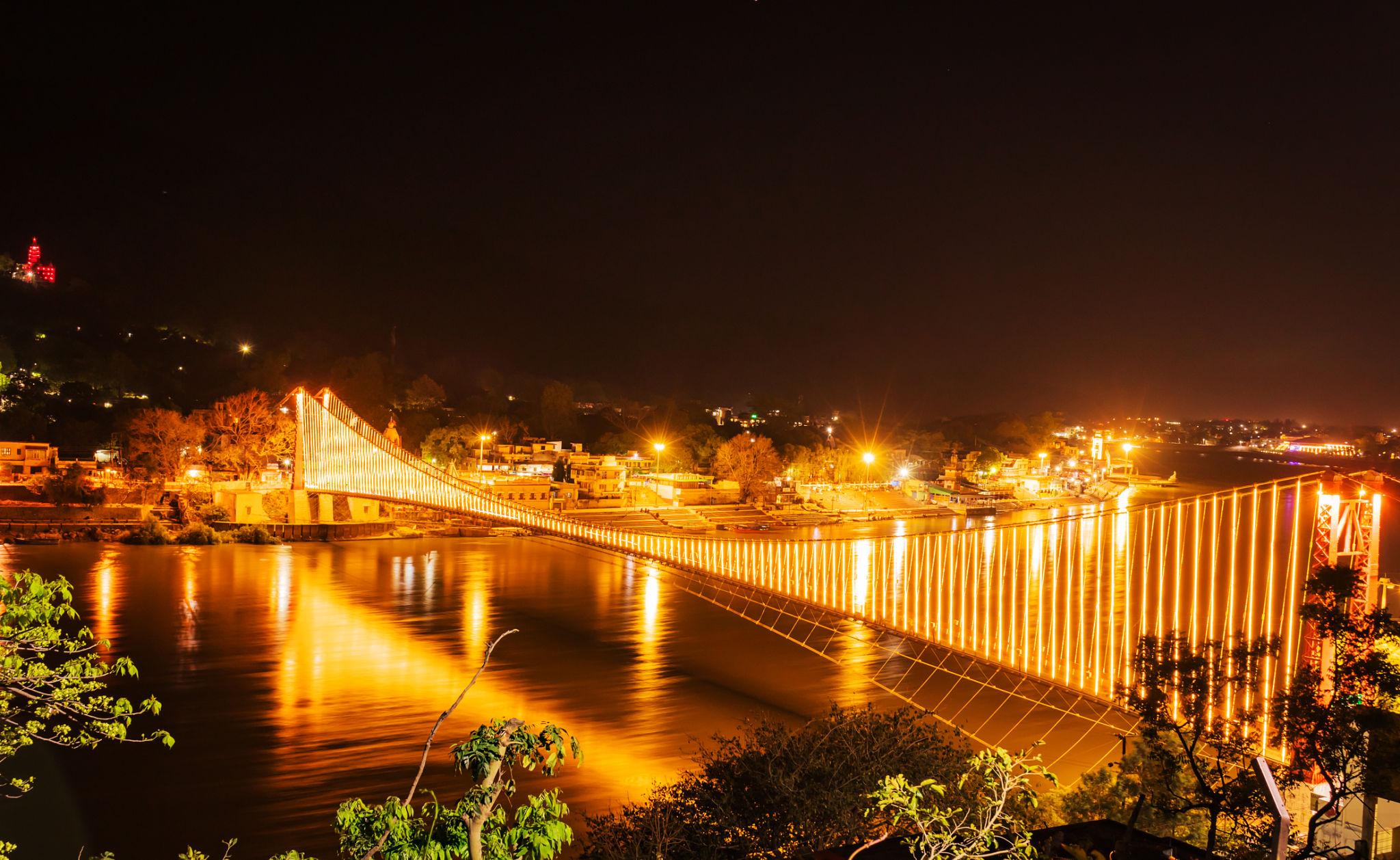 🧘 Yoga Capital of the World
Rishikesh
🧘 Yoga Capital of the World
Rishikesh
Triveni Ghat & Parmarth Niketan
Nestled in the Himalayan foothills, Rishikesh is the global yoga capital and adventure hub, with the Ganges flowing through its heart. Rishikesh, located in the foothills of the Himalayas in the state of Uttarakhand, is one of the most renowned spiritual and wellness destinations in the world. Situated along the banks of the sacred Ganga River, this holy town is often referred to as the “Yoga Capital of the World,” attracting spiritual seekers, pilgrims, and travelers from across the globe. Rishikesh holds deep religious significance as the gateway to the Char Dham Yatra, making it an important starting point for pilgrims heading towards destinations like Badrinath, Kedarnath, Gangotri, and Yamunotri. The town is dotted with ancient temples, ashrams, and spiritual centers that offer yoga, meditation, and holistic healing experiences. Among its most iconic landmarks are the Laxman Jhula and Ram Jhula, suspension bridges that connect different parts of the town and provide scenic views of the flowing Ganga and surrounding hills. These areas are vibrant with temples, cafes, and spiritual activity, creating a unique blend of tradition and modernity. One of the most captivating experiences in Rishikesh is the evening Ganga Aarti at Parmarth Niketan, where devotees gather to witness a beautiful ritual of prayers, chants, and floating diyas on the river, creating a deeply spiritual and peaceful atmosphere. Rishikesh is also a global hub for yoga and meditation, with numerous ashrams and wellness centers offering courses, retreats, and teacher training programs. The town gained international recognition when The Beatles visited here in the 1960s, further boosting its global appeal. Apart from spirituality, Rishikesh is also known for adventure activities such as river rafting, trekking, and camping, making it a versatile destination that caters to both spiritual and leisure travelers. Well connected by road and close to Dehradun’s airport, Rishikesh offers a wide range of accommodation options, from budget stays and hostels to boutique resorts and luxury retreats. A visit to Rishikesh is a rejuvenating experience, where spirituality, nature, and wellness come together in perfect harmony, offering a peaceful escape and a deeper connection with oneself.
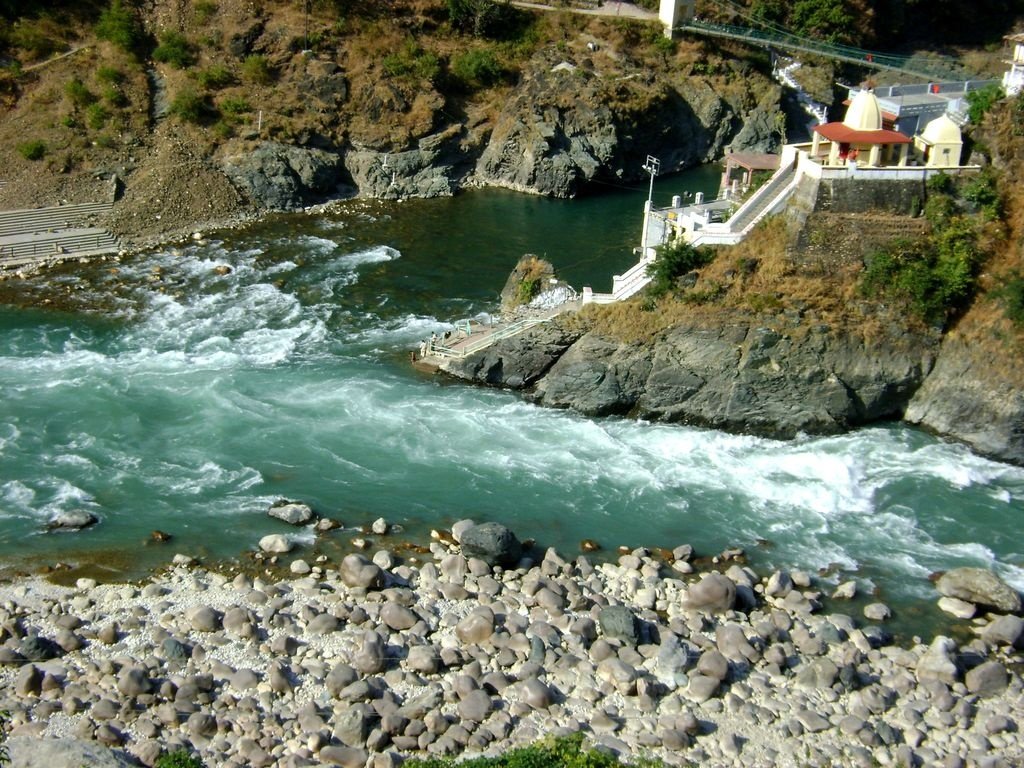 🕉️ Sacred Confluence of Alaknanda & Mandakini
Rudraprayag
🕉️ Sacred Confluence of Alaknanda & Mandakini
Rudraprayag
Rudraprayag Temple
Rudraprayag is an important spiritual and transit destination in Uttarakhand and a major stop for pilgrims undertaking the Char Dham Yatra towards Kedarnath and Badrinath. The town is located at the sacred confluence of the Alaknanda and Mandakini rivers and forms one of the revered Panch Prayags of Uttarakhand. Its location makes Rudraprayag particularly important because pilgrims travelling towards Kedarnath and Badrinath pass through this broader route network. Visitors can explore the sacred river confluence, Rudranath Temple, Koteshwar Mahadev Temple and the surrounding Garhwal Himalayan landscape. Rudraprayag also offers hotels, guest houses, restaurants, markets, fuel stations and transport facilities, making it a practical Char Dham stopover. Through MudrasStays, travellers can search for hotels in Rudraprayag, Char Dham hotels, Kedarnath route accommodation, Badrinath route stays and family hotels in Rudraprayag. For pilgrims travelling long distances from Haridwar or Rishikesh, Rudraprayag can be an excellent location for an overnight break.
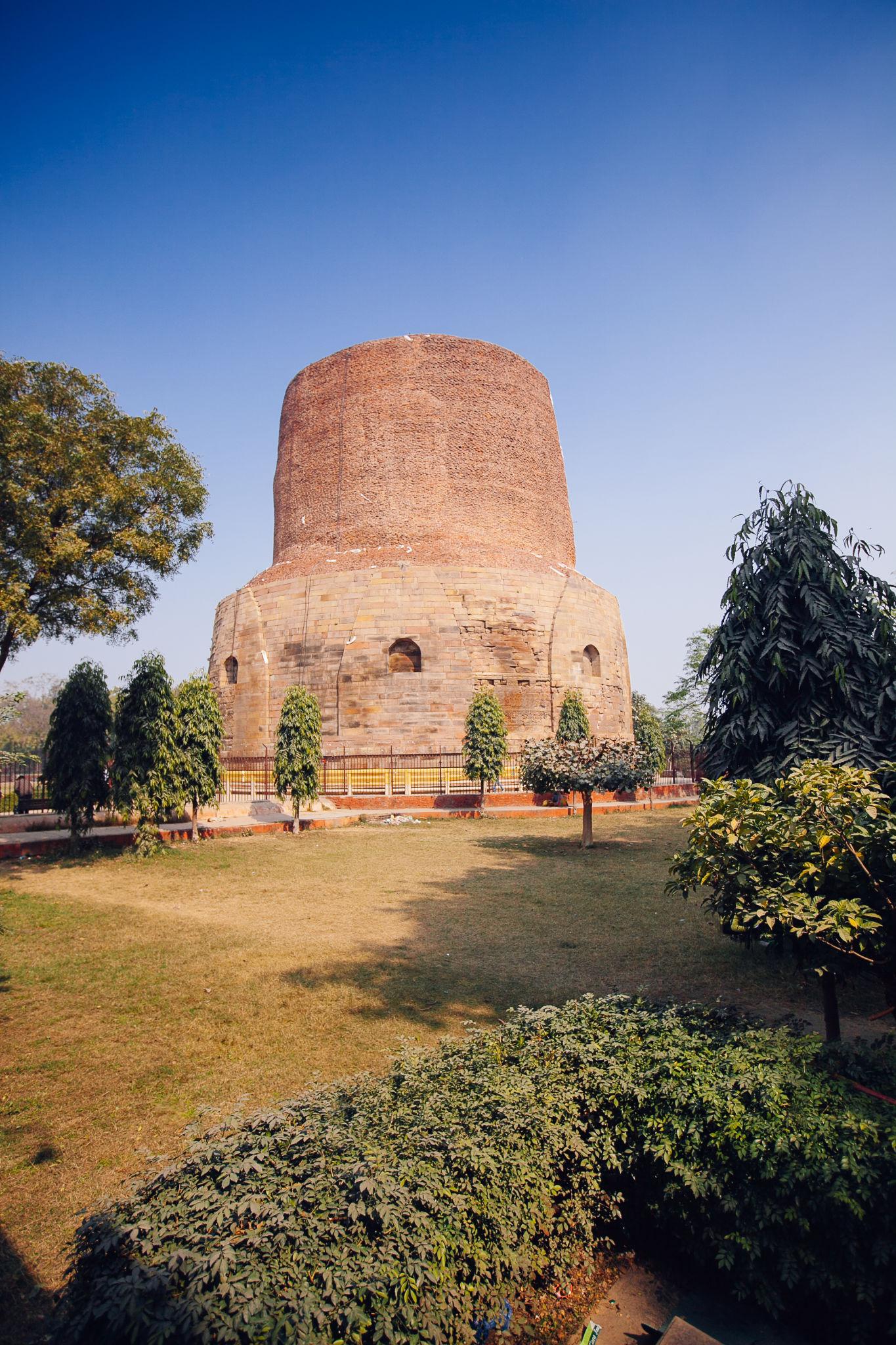 ☸️ First Sermon of Buddha
Sarnath
☸️ First Sermon of Buddha
Sarnath
Sarnath Temple
Sarnath is the sacred place where Gautama Buddha delivered his first sermon after attaining enlightenment. It remains one of the most important Buddhist pilgrimage destinations worldwide. Located just a few kilometers from Varanasi, Sarnath is one of the most important and sacred pilgrimage destinations in Buddhism. This serene and historically rich site holds immense significance as the place where Gautama Buddha delivered his first sermon after attaining enlightenment, marking the beginning of the spread of Buddhism across the world. Sarnath is deeply associated with the concept of Dharmachakra Pravartana, or the “Turning of the Wheel of Dharma,” where Buddha shared his teachings with his first five disciples. This event makes Sarnath one of the four major Buddhist pilgrimage sites globally, attracting monks, scholars, and spiritual seekers from across different countries. One of the most prominent structures in Sarnath is the Dhamek Stupa, a massive cylindrical monument built to commemorate the exact location of Buddha’s first sermon. The stupa stands as a powerful symbol of peace and spiritual awakening. Another key landmark is the Ashoka Pillar, erected by Emperor Ashoka, which once bore the famous Lion Capital—now the national emblem of India. The Mulagandha Kuti Vihar is another important site, known for its beautiful murals depicting the life of Buddha and its peaceful ambiance that attracts devotees for meditation and prayer. Sarnath is characterized by its calm and tranquil environment, with well-maintained gardens, ancient ruins, and monasteries built by various Buddhist nations, reflecting a global spiritual presence. The destination offers a perfect setting for meditation, learning, and quiet reflection. The site is visited throughout the year, with peak footfall during Buddha Purnima, when devotees gather to celebrate with prayers and ceremonies. Easily accessible from Varanasi by road, Sarnath is well connected and often included as part of the Varanasi pilgrimage circuit. The area offers accommodation options ranging from budget stays to comfortable hotels catering to pilgrims and tourists. A visit to Sarnath is a deeply peaceful and enlightening experience, where history, spirituality, and the teachings of Buddha come together in a serene environment that continues to inspire seekers from around the world.
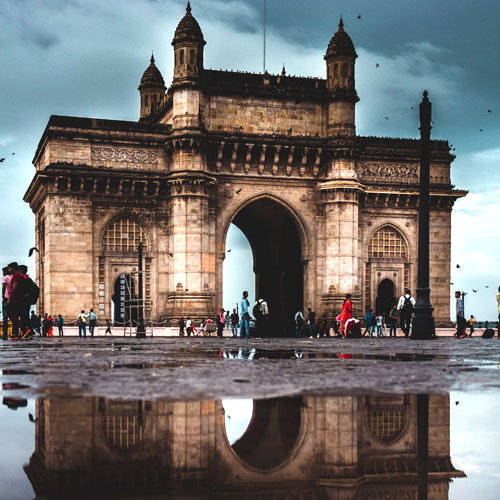 🌺 Sai Baba's Abode
Shirdi
🌺 Sai Baba's Abode
Shirdi
Shirdi Temple
Home to the world-famous Shirdi Sai Baba Temple, Shirdi draws millions of devotees seeking blessings and spiritual solace. Located in the town of Shirdi, the Shirdi Sai Baba Temple is one of the most visited and spiritually significant pilgrimage sites in India. Dedicated to Sai Baba of Shirdi, this sacred place attracts millions of devotees from across the country and the world, who come seeking blessings, peace, and fulfillment of their wishes. Shirdi gained prominence due to the life and teachings of Sai Baba, a revered saint known for his message of “Sabka Malik Ek” (God is one), promoting unity, faith, and devotion beyond religious boundaries. The temple complex is built around the Samadhi of Sai Baba, where devotees gather for darshan and offer prayers with deep श्रद्धा. The main shrine, known as the Samadhi Mandir, houses a life-sized idol of Sai Baba seated on a throne, radiating calmness and spiritual energy. The atmosphere inside the temple is deeply devotional, with continuous chants, aartis, and rituals conducted throughout the day, creating a powerful spiritual experience. Apart from the main temple, important places within the complex include Dwarkamai, where Sai Baba spent a significant part of his life, and the sacred dhuni (eternal flame), which continues to burn even today. Another key site is Chavadi, where Sai Baba used to rest, adding to the spiritual significance of the area. Shirdi experiences a constant flow of pilgrims throughout the year, with peak footfall during festivals such as Ram Navami, Guru Purnima, and Vijayadashami. The temple management ensures organized darshan systems to handle the large number of visitors efficiently. The town is well connected by road, rail, and has its own airport, making it easily accessible from major cities like Mumbai and Pune. Shirdi offers a wide range of accommodation options, from budget lodges and dharamshalas to comfortable hotels catering to the needs of pilgrims. A visit to Shirdi is a deeply emotional and spiritual journey, where faith, devotion, and the teachings of Sai Baba come together to create a peaceful and transformative experience for every devotee.
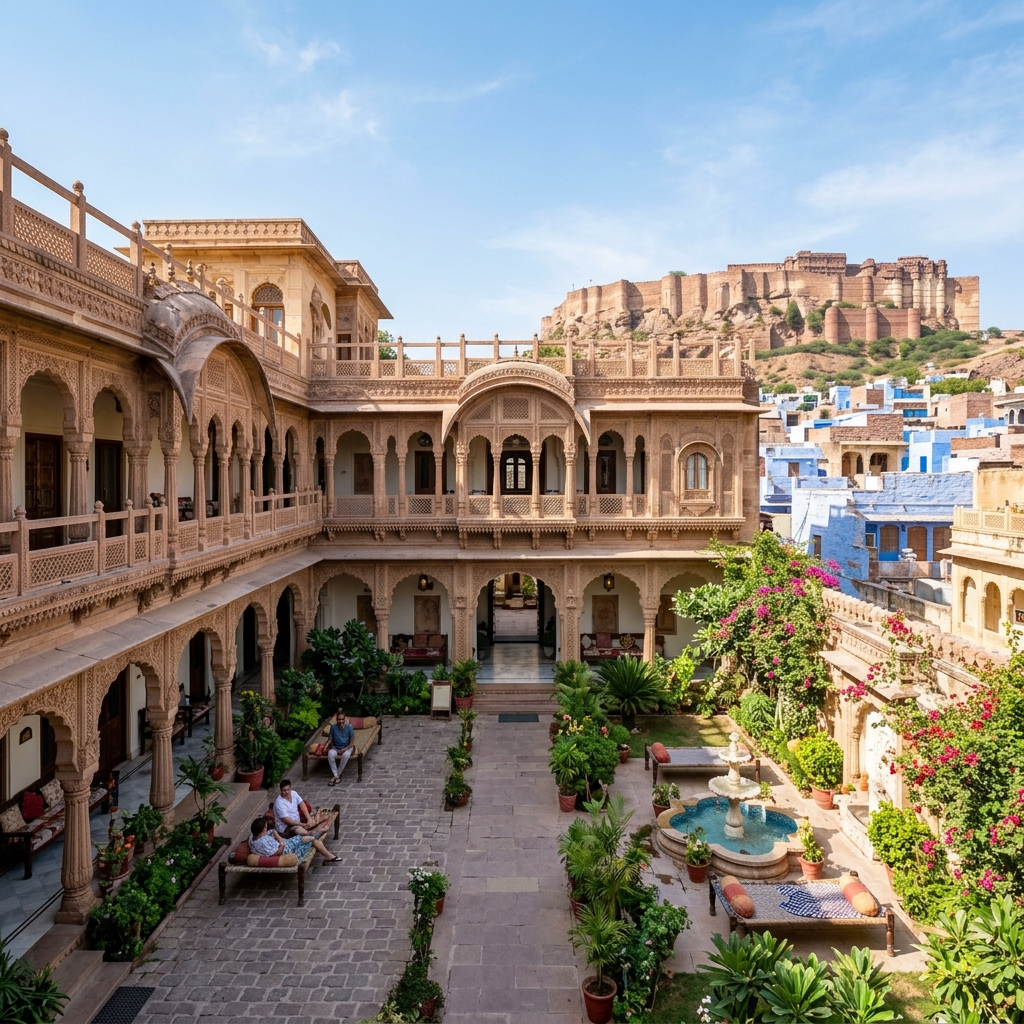 🔱 First Jyotirlinga of India
Somnath
🔱 First Jyotirlinga of India
Somnath
Somnath Temple
Somnath is home to the first among the twelve Jyotirlingas of Lord Shiva. Situated along the Arabian Sea coast, the temple symbolizes faith, resilience, and India spiritual heritage.
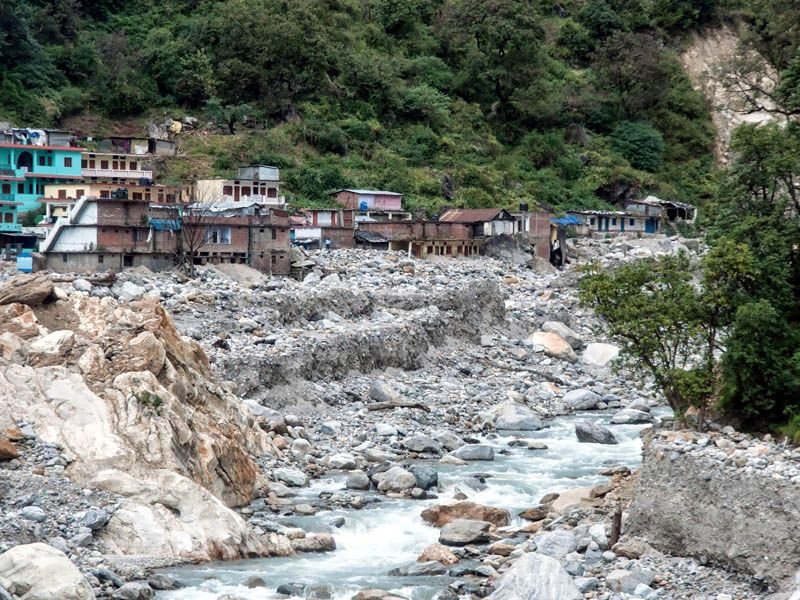 🚩 Main Transit Base for Kedarnath
Sonprayag
🚩 Main Transit Base for Kedarnath
Sonprayag
Sonprayag Temple
Sonprayag is one of the busiest and most strategically important transit locations on the Char Dham Yatra route to Kedarnath. Located before Gaurikund, Sonprayag acts as a major staging point where pilgrims stop before continuing towards the starting point of the Kedarnath trek. During the Char Dham season, the town serves thousands of travellers with accommodation, restaurants, local transport facilities and essential pilgrimage services. Its proximity to Gaurikund and connection with the route towards Triyuginarayan Temple make Sonprayag an excellent base for pilgrims who want to stay close to the Kedarnath trekking route without immediately proceeding to higher altitudes. Travellers searching for hotels in Sonprayag, hotels near Gaurikund, Kedarnath Yatra accommodation, Char Dham hotels and budget stays near Kedarnath can explore available properties through MudrasStays. For families, senior citizens and groups, staying in Sonprayag can provide valuable rest before beginning the more demanding section of the Kedarnath pilgrimage.
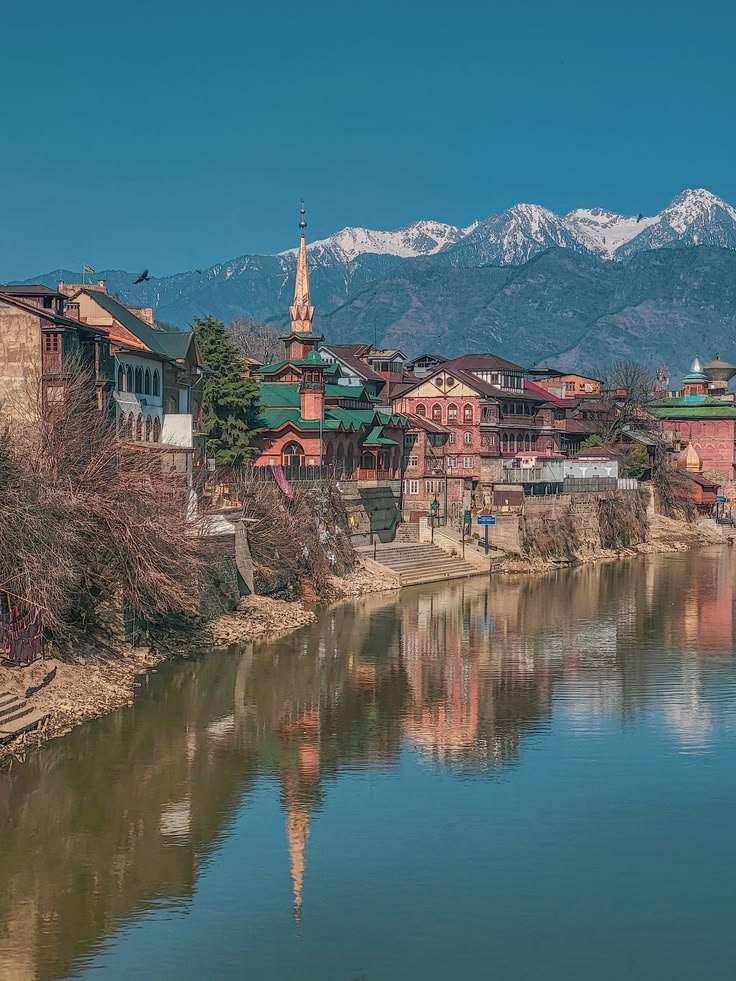 🏛️ Cultural & Transit Hub of Garhwal
Srinagar
🏛️ Cultural & Transit Hub of Garhwal
Srinagar
Srinagar Temple
Srinagar in Pauri Garhwal is one of the largest and most important transit towns for travellers undertaking the Char Dham Yatra towards Kedarnath and Badrinath. Situated along the Alaknanda River, Srinagar acts as a major road halt between Rishikesh and the upper Garhwal pilgrimage destinations. The city is known for Kamleshwar Mahadev Temple, its historic religious importance and its role as an educational and commercial centre of the region. Because Srinagar offers a comparatively wide range of hotels, restaurants, hospitals, markets, fuel stations and transport facilities, it is particularly suitable for families, senior citizens and large pilgrimage groups. Through MudrasStays, travellers can explore hotels in Srinagar Uttarakhand, Char Dham hotels, Kedarnath route accommodation, Badrinath route hotels, hotels near Kamleshwar Mahadev Temple and family stays in Srinagar Garhwal. Its central location and extensive facilities make Srinagar one of the most practical overnight stops before travellers proceed towards Rudraprayag and the higher Himalayan Char Dham destinations.
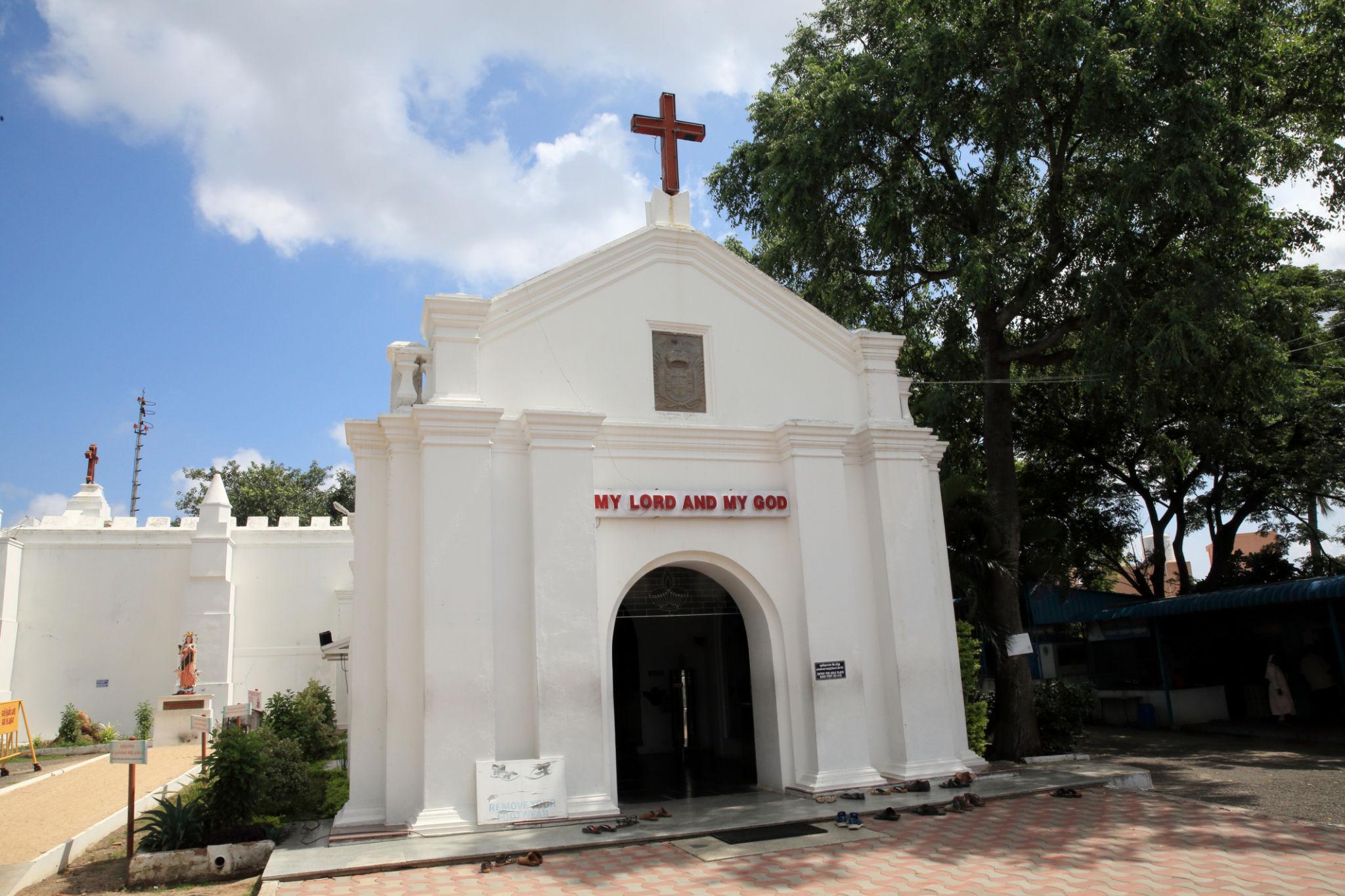 ✝️ Sacred Hill of Apostle Thomas
St. Thomas Mount
✝️ Sacred Hill of Apostle Thomas
St. Thomas Mount
St. Thomas Mount Temple
St. Thomas Mount is traditionally believed to be the place where St. Thomas the Apostle spent his final days. It remains one of the most significant Christian pilgrimage sites in India. St. Thomas Mount, located in Chennai, is a significant Christian pilgrimage site with deep historical and religious importance. Perched atop a small hill, this sacred place is believed to be the site where Saint Thomas, one of the twelve apostles of Jesus Christ, lived, preached, and was martyred in 72 AD. The hilltop shrine, officially known as the Church of Our Lady of Expectation, stands as a symbol of faith and devotion, attracting pilgrims and visitors from across India and the world. The church houses ancient relics and is believed to contain a cross that was carved by Saint Thomas himself, adding to its spiritual significance. St. Thomas Mount offers a peaceful and serene atmosphere, ideal for prayer and reflection. Visitors can reach the summit either by climbing a flight of steps or via a motorable road. From the top, one can enjoy panoramic views of Chennai city, making it not only a spiritual destination but also a scenic viewpoint. Nearby, the Little Mount is another important site associated with Saint Thomas, believed to be a place where he meditated and took refuge. Together, these locations form an important part of the Christian pilgrimage circuit in South India. The destination is visited throughout the year, with increased footfall during Christian festivals and special occasions. Its location within Chennai ensures excellent connectivity by air, rail, and road, making it easily accessible for both pilgrims and tourists. Accommodation options are widely available across Chennai, ranging from budget hotels to luxury stays, catering to all types of travelers. A visit to St. Thomas Mount offers a deeply spiritual and historical experience, where faith, heritage, and tranquility come together in a unique hilltop setting overlooking one of South India’s largest cities.
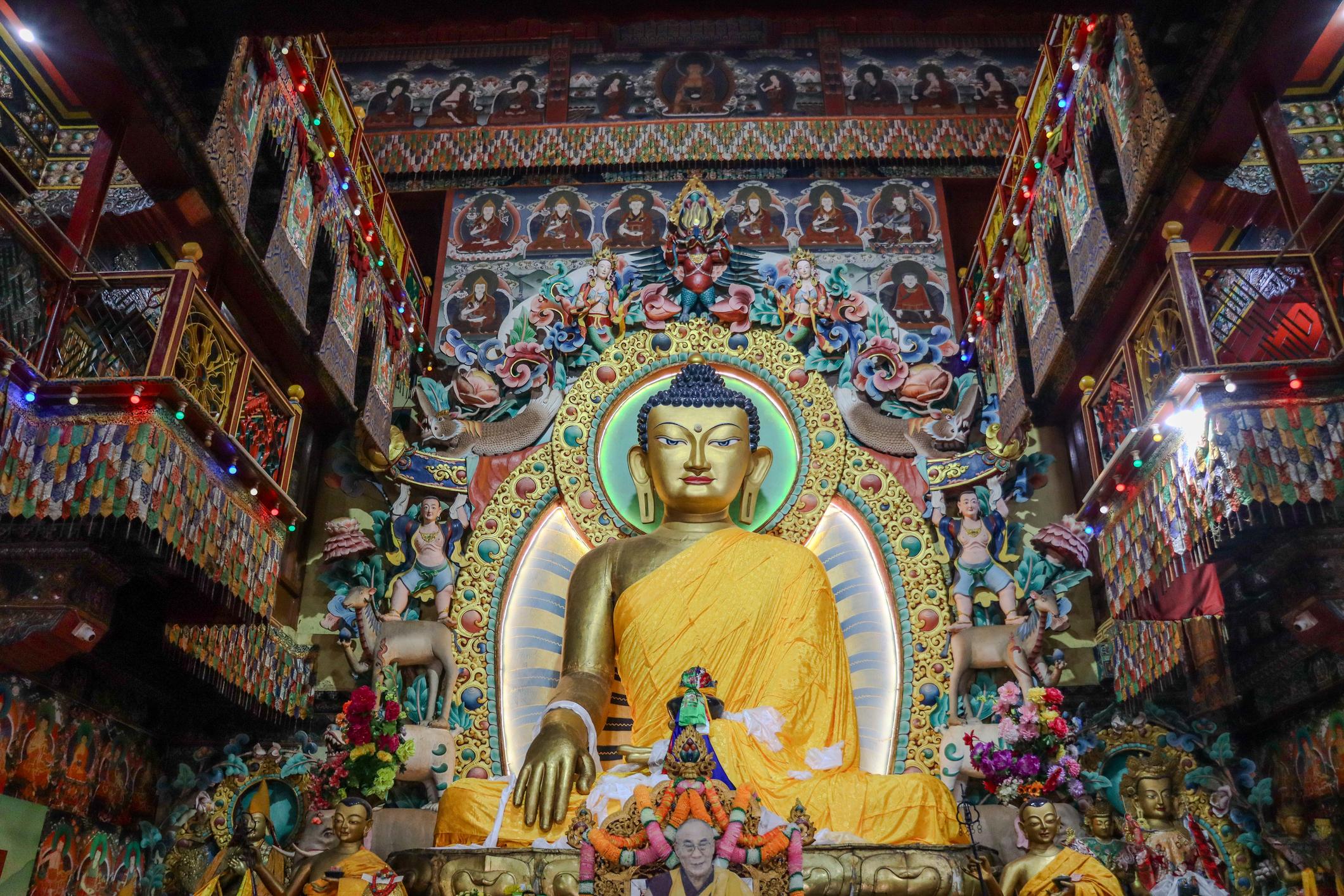 🏔️ Land of Monasteries and Mountains
Tawang
🏔️ Land of Monasteries and Mountains
Tawang
Tawang Temple
Tawang is home to India largest Buddhist monastery and offers breathtaking Himalayan landscapes. It is a major spiritual and cultural destination in Northeast India. Tawang, located in the northeastern state of Arunachal Pradesh, is a breathtaking high-altitude destination known for its spiritual significance, stunning Himalayan landscapes, and deep-rooted Buddhist culture. Nestled at an elevation of over 10,000 feet, Tawang offers a unique blend of serenity, devotion, and natural beauty, making it one of the most captivating destinations in India. The highlight of Tawang is the magnificent Tawang Monastery, the largest monastery in India and the second-largest in the world. This iconic monastery, also known as Galden Namgyal Lhatse, is a major center of Mahayana Buddhism and houses hundreds of monks. It features a massive golden statue of Buddha, vibrant prayer halls, ancient scriptures, and stunning views of the surrounding mountains. Tawang holds immense spiritual importance as it is closely associated with Tibetan Buddhism and is believed to be the birthplace of the 6th Dalai Lama. The region is filled with monasteries, prayer flags, and peaceful landscapes that create a deeply spiritual and meditative environment. The journey to Tawang itself is an unforgettable experience, passing through the scenic Sela Pass, a high-altitude mountain pass often covered in snow and offering breathtaking views of frozen lakes and rugged terrain. Tawang remains less commercialized compared to other hill destinations, preserving its natural charm and peaceful atmosphere. It attracts pilgrims, nature lovers, and adventure seekers alike, especially during the summer months when the weather is more accessible. Due to its remote location, Tawang is connected via road from Tezpur and Guwahati, with the nearest airport located in Assam. Travelers often combine their visit with other destinations in Arunachal Pradesh. Accommodation options in Tawang range from budget guesthouses to comfortable hotels, catering to tourists seeking both spiritual and scenic experiences. A visit to Tawang is a soulful journey into the heart of the Himalayas, where spirituality, culture, and nature coexist in perfect harmony, offering a peaceful retreat away from the fast-paced world.
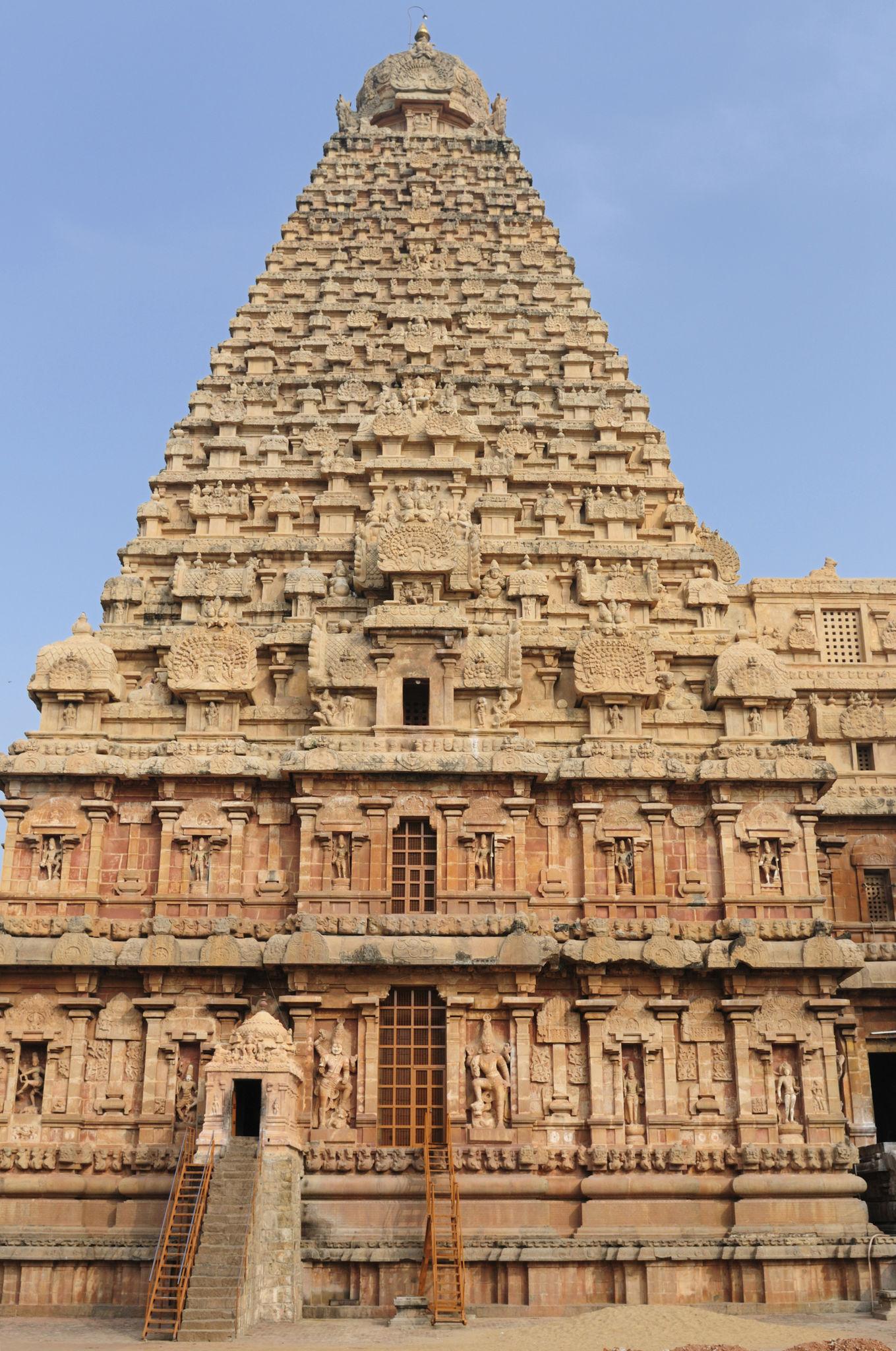 🏰 Land of Chola Heritage
Thanjavur
🏰 Land of Chola Heritage
Thanjavur
Thanjavur Temple
Thanjavur is known for the magnificent Brihadeeswarar Temple, a UNESCO World Heritage Site. The city is celebrated for its rich cultural traditions, art, music, and architectural wonders. Thanjavur, also known as Tanjore, is a historic and culturally rich city located in the state of Tamil Nadu. Renowned as the cultural capital of Tamil Nadu, Thanjavur is famous for its grand temples, classical arts, and deep-rooted heritage, making it one of the most important spiritual and historical destinations in South India. The city is best known for the magnificent Brihadeeswarar Temple, a UNESCO World Heritage Site and one of the finest examples of Dravidian architecture. Built by the great Chola king Rajaraja I in the 11th century, this temple is dedicated to Lord Shiva and is often referred to as the “Big Temple.” Its towering vimana (temple tower), massive Nandi statue, and intricate carvings reflect the architectural brilliance and artistic excellence of the Chola dynasty. The Brihadeeswarar Temple is not only a place of worship but also a symbol of India’s rich cultural and engineering heritage. The temple complex is vast and beautifully maintained, attracting devotees, historians, and tourists from across the world. Thanjavur is also known for its contribution to classical arts, especially Bharatanatyam dance, Carnatic music, and the famous Tanjore paintings. The city houses the Thanjavur Palace complex, which includes museums, art galleries, and libraries preserving ancient manuscripts and artifacts. The atmosphere in Thanjavur is deeply traditional and spiritual, with festivals and temple rituals playing a central role in daily life. The destination attracts visitors throughout the year, with peak seasons during winter months when the weather is more pleasant. Thanjavur is well connected by road and rail, with nearby cities like Tiruchirappalli providing air connectivity. The city offers a range of accommodation options, from budget stays to premium hotels catering to different types of travelers. A visit to Thanjavur is a journey into South India’s glorious past, where spirituality, art, and architectural grandeur come together to create a timeless and enriching experience.
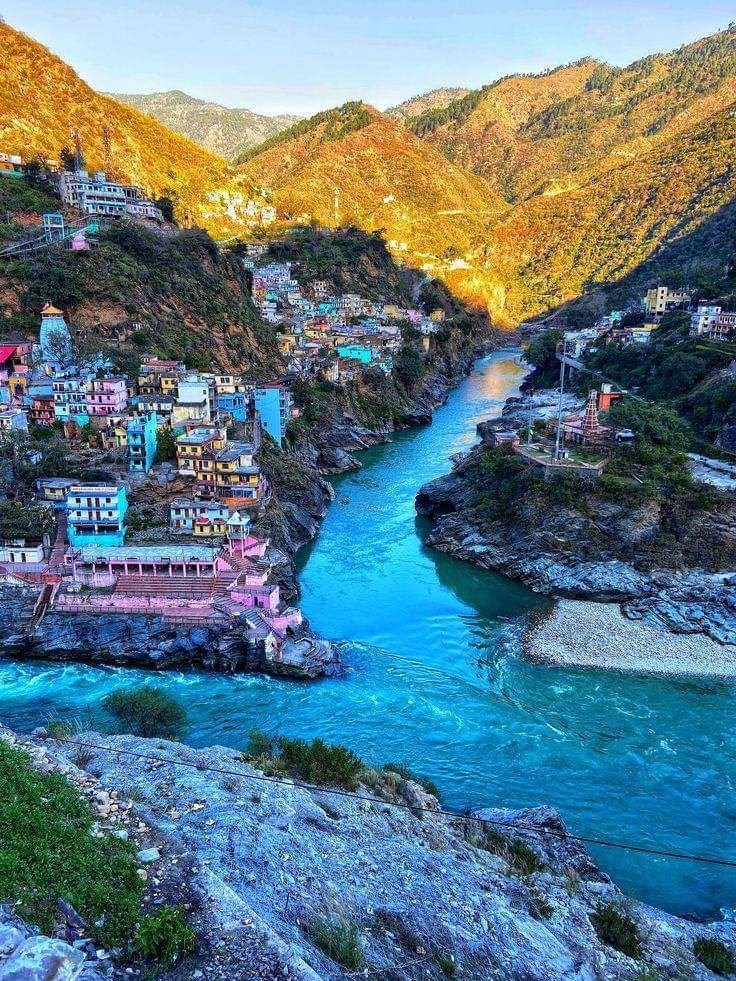 🕉️ Sacred Himalayan Confluence of Lord Vishnu
Tilwara
🕉️ Sacred Himalayan Confluence of Lord Vishnu
Tilwara
Tilwara Temple
Tilwara is a small but strategically important town in Rudraprayag district of Uttarakhand, located along the Char Dham Yatra route towards Kedarnath Dham. Set beside the Mandakini River, Tilwara lies on the NH-107 corridor leading from Rudraprayag towards Guptkashi and Gaurikund, making it a convenient intermediate stop for pilgrims travelling deeper into the Kedarnath Valley. Garhwal Mandal Vikas Nigam describes Tilwara as a town on the banks of the Mandakini and notes its position on the highway leading towards Kedarnath. For devotees beginning their Char Dham Yatra from Haridwar or Rishikesh, Tilwara can serve as a useful halt after travelling through Devprayag, Srinagar and Rudraprayag. The town's position along the Kedarnath road allows travellers to take a break before continuing towards destinations such as Agastyamuni, Guptkashi, Sonprayag and Gaurikund. Tilwara has also developed as a local market centre serving nearby communities, which adds to its usefulness as a transit point for travellers requiring food, basic supplies and other essentials during their Himalayan journey. Tilwara is also surrounded by religious attractions that can add spiritual value to a Char Dham pilgrimage itinerary. The Indrasani Mansa Devi Temple, an important local shrine mentioned by the Rudraprayag district administration, is located about 6 km from Tilwara. The temple is associated with regional religious traditions and gives pilgrims another opportunity to explore sacred sites beyond the principal Char Dham shrines. Travellers searching for hotels in Tilwara, Kedarnath route hotels, Char Dham accommodation in Rudraprayag, budget hotels near Tilwara, stays near Mandakini River, hotels between Rudraprayag and Guptkashi, family stays on the Kedarnath route and pilgrim-friendly accommodation near Kedarnath can explore suitable options through MudrasStays. Staying at Tilwara can be particularly useful for families, senior citizens and group travellers who prefer to divide the long mountain drive into shorter and more manageable sections before travelling towards the higher-altitude areas of the Kedarnath pilgrimage route. The surrounding Mandakini Valley gives Tilwara a scenic Himalayan setting while its road connectivity makes it primarily valuable as a practical Char Dham transit and accommodation point. Travellers can stop here for rest, refreshments and an overnight stay before proceeding towards Guptkashi, Sonprayag, Gaurikund and eventually Kedarnath Dham. Uttarakhand Tourism recorded more than 17.7 lakh visitors to Kedarnath in 2025, illustrating the scale of pilgrimage traffic moving through the wider Kedarnath corridor; this figure represents Kedarnath footfall rather than Tilwara-specific visitor numbers. For pilgrims who want a more comfortable and organised Char Dham Yatra, Tilwara can therefore work as a useful intermediate location rather than merely a town passed along the highway. With the Mandakini River, access to nearby temples, local facilities and its position on the road towards Kedarnath, Tilwara strengthens the network of pilgrimage stops available through MudrasStays, helping devotees find convenient accommodation at different stages of their sacred journey through Uttarakhand.
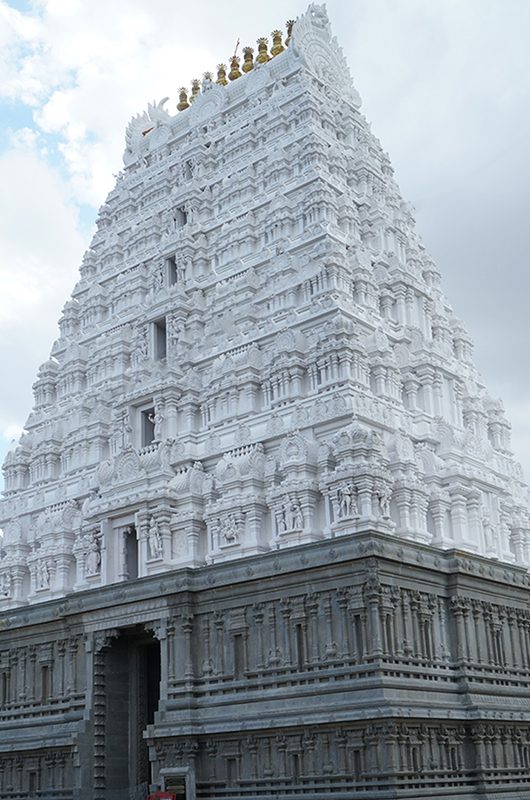 💰 Richest Temple Destination
Tirupati
💰 Richest Temple Destination
Tirupati
Tirupati Temple
Home to the richest temple in the world — Tirumala Tirupati Devasthanams — drawing millions of devotees every year. Tirupati, located in the state of Andhra Pradesh, is one of the most sacred and visited pilgrimage destinations in the world. Nestled at the foothills of the Tirumala Hills, Tirupati is globally renowned for the divine Sri Venkateswara Temple, dedicated to Lord Venkateswara, also popularly known as Balaji. The main temple is situated on the Tirumala Hills, approximately 20 km from Tirupati town, and is considered one of the richest and most visited temples in the world. Devotees from across India and abroad visit this sacred shrine to seek blessings, fulfill vows, and experience its powerful spiritual energy. Tirupati holds immense religious importance in Hinduism and is believed to be a place where Lord Vishnu manifested in the Kali Yuga to guide and protect humanity. The temple follows a highly organized darshan system to manage the massive influx of pilgrims, ensuring a smooth and disciplined experience. One of the unique traditions at Tirupati is the offering of hair (tonsuring) by devotees as a symbol of surrender and devotion. Another highlight is the famous Tirupati Laddu, a sacred prasadam that is distributed to millions of visitors daily. Pilgrims can reach the temple either by road or by climbing the sacred footpaths such as Alipiri and Srivari Mettu, which are considered spiritually rewarding journeys. The entire Tirumala region is filled with temples, sacred spots, and natural beauty, enhancing the pilgrimage experience. Tirupati is visited throughout the year, with peak footfall during festivals and auspicious days. The city is well connected by air, rail, and road, making it easily accessible from major cities like Chennai, Bangalore, and Hyderabad. Accommodation options range from budget lodges and dharamshalas to well-managed guesthouses and hotels, many of which are operated by the temple authorities to cater to the large number of pilgrims. A visit to Tirupati is a deeply spiritual and fulfilling journey, where devotion, faith, and divine grace come together in one of the most revered pilgrimage destinations in the world.
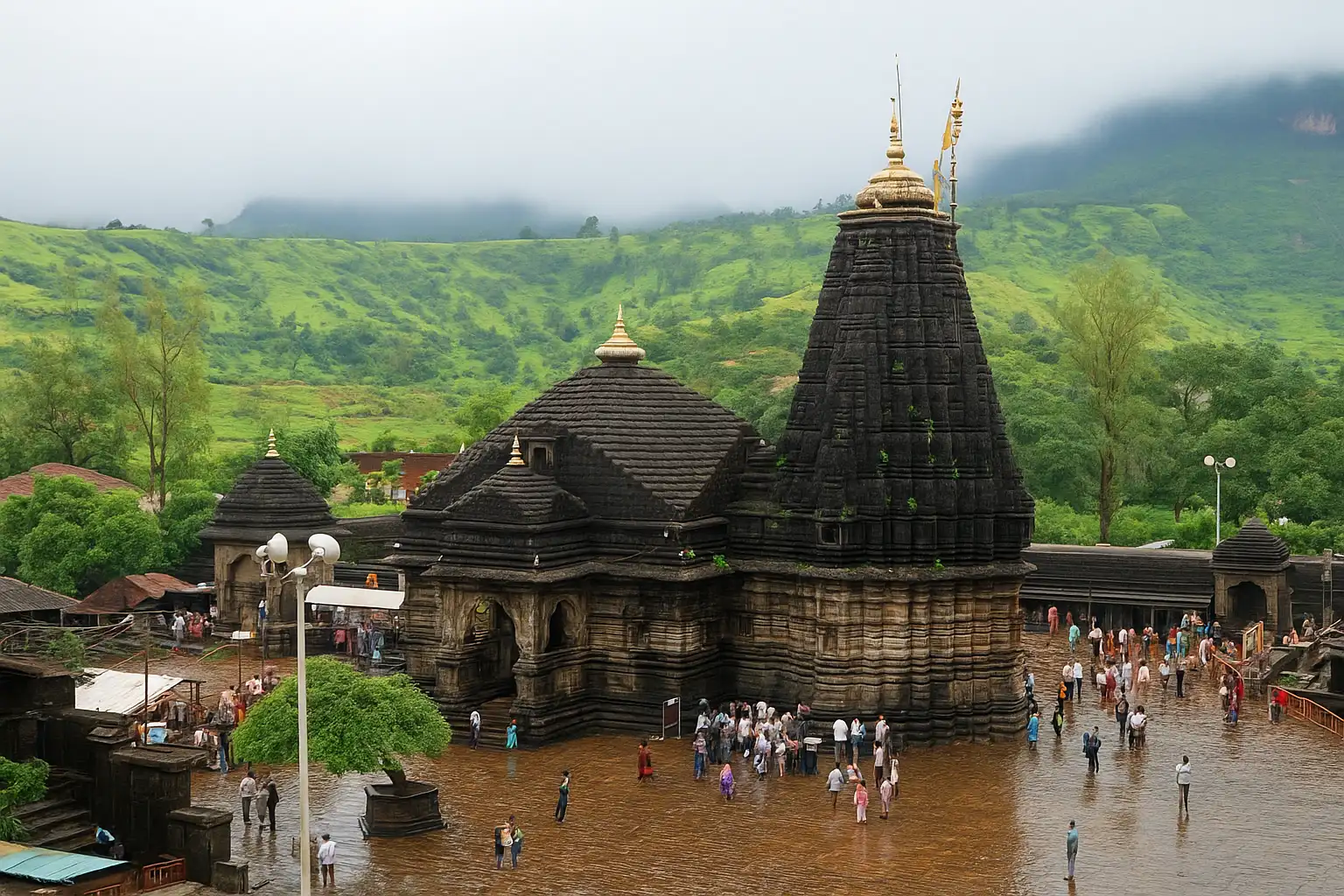 🔱 Sacred Jyotirlinga Destination
Trimbakeshwar
🔱 Sacred Jyotirlinga Destination
Trimbakeshwar
Trimbakeshwar Temple
Trimbakeshwar is home to one of the twelve Jyotirlingas of Lord Shiva and is considered one of the holiest pilgrimage sites in India. It is also associated with the origin of the sacred Godavari River. Located near the city of Nashik in the state of Maharashtra, Trimbakeshwar is one of the most sacred pilgrimage destinations in India and holds immense importance in Hinduism. It is renowned for the revered Trimbakeshwar Temple, which is one of the twelve Jyotirlingas dedicated to Lord Shiva. The temple is uniquely significant as the Jyotirlinga here represents the trinity of Brahma, Vishnu, and Shiva, making it spiritually distinct from other Jyotirlinga shrines. The temple is constructed using black stone in traditional Nagara-style architecture, giving it a powerful and ancient appearance. Trimbakeshwar is also considered the origin point of the sacred Godavari River, one of the holiest rivers in India. The nearby Brahmagiri Hills are believed to be the source of the river, and pilgrims often visit this area as part of their spiritual journey. The temple is known for performing various important Hindu rituals and pujas, including Narayan Nagbali, Kalsarp Dosh Nivaran, and Pitru Shraddha, attracting devotees seeking spiritual remedies and blessings. The atmosphere in Trimbakeshwar is deeply spiritual and traditional, with continuous rituals, temple bells, and chants creating a divine ambiance. The town sees a steady flow of pilgrims throughout the year, with peak footfall during festivals and auspicious occasions. Trimbakeshwar is also one of the key locations for the Kumbh Mela held in Nashik, further enhancing its religious importance. Well connected by road from Nashik and other major cities, Trimbakeshwar is easily accessible and offers a range of accommodation options, including budget hotels, dharamshalas, and guesthouses catering primarily to pilgrims. A visit to Trimbakeshwar is a deeply spiritual and purifying experience, where devotion, mythology, and sacred geography come together to create one of the most powerful religious destinations in India.
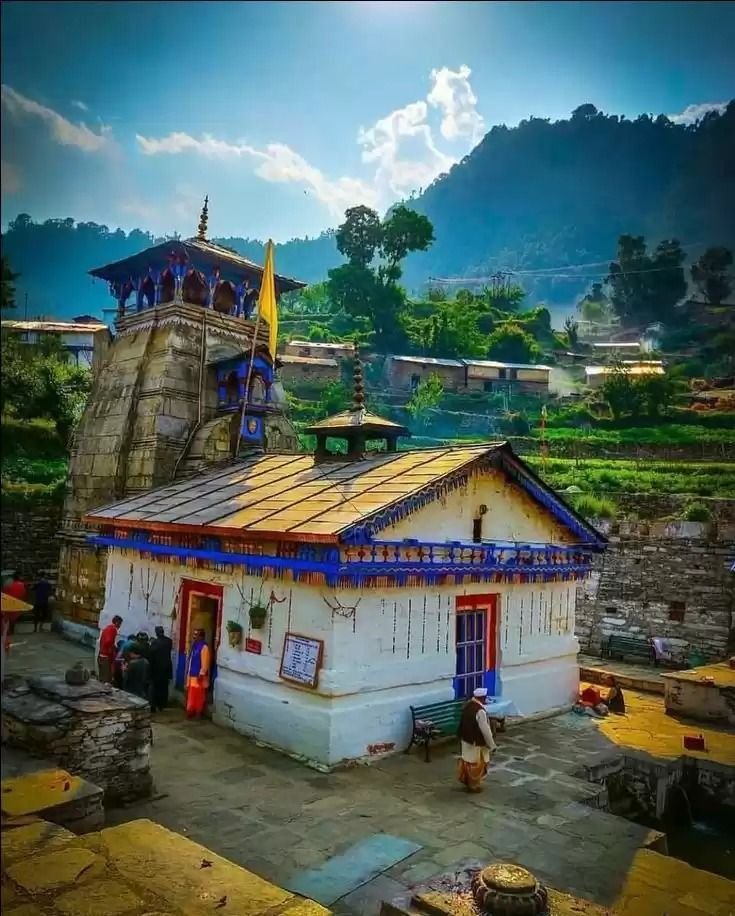 🔥 Sacred Wedding Place of Shiva & Parvati
Triyuginarayan
🔥 Sacred Wedding Place of Shiva & Parvati
Triyuginarayan
Triyuginarayan Temple
Triyuginarayan is a sacred Himalayan village near the Kedarnath pilgrimage route and is an increasingly popular spiritual stop for travellers undertaking the Char Dham Yatra in Uttarakhand. The village is famous for the ancient Triyuginarayan Temple, which Hindu tradition associates with the divine wedding of Lord Shiva and Goddess Parvati. The continuously burning sacred fire near the temple is one of the destination's most distinctive religious attractions. Located within convenient reach of Sonprayag, Triyuginarayan can be added as an important side trip while travelling towards Kedarnath. Pilgrims can experience traditional Himalayan village life, peaceful mountain surroundings and an important site associated with Shiva and Parvati. MudrasStays can help travellers discover hotels near Triyuginarayan Temple, Char Dham accommodation, Sonprayag hotels, Kedarnath route stays and pilgrimage-friendly homestays near Triyuginarayan. For devotees seeking a deeper religious experience beyond the main Char Dham shrines, Triyuginarayan is a highly meaningful addition to a Kedarnath itinerary.
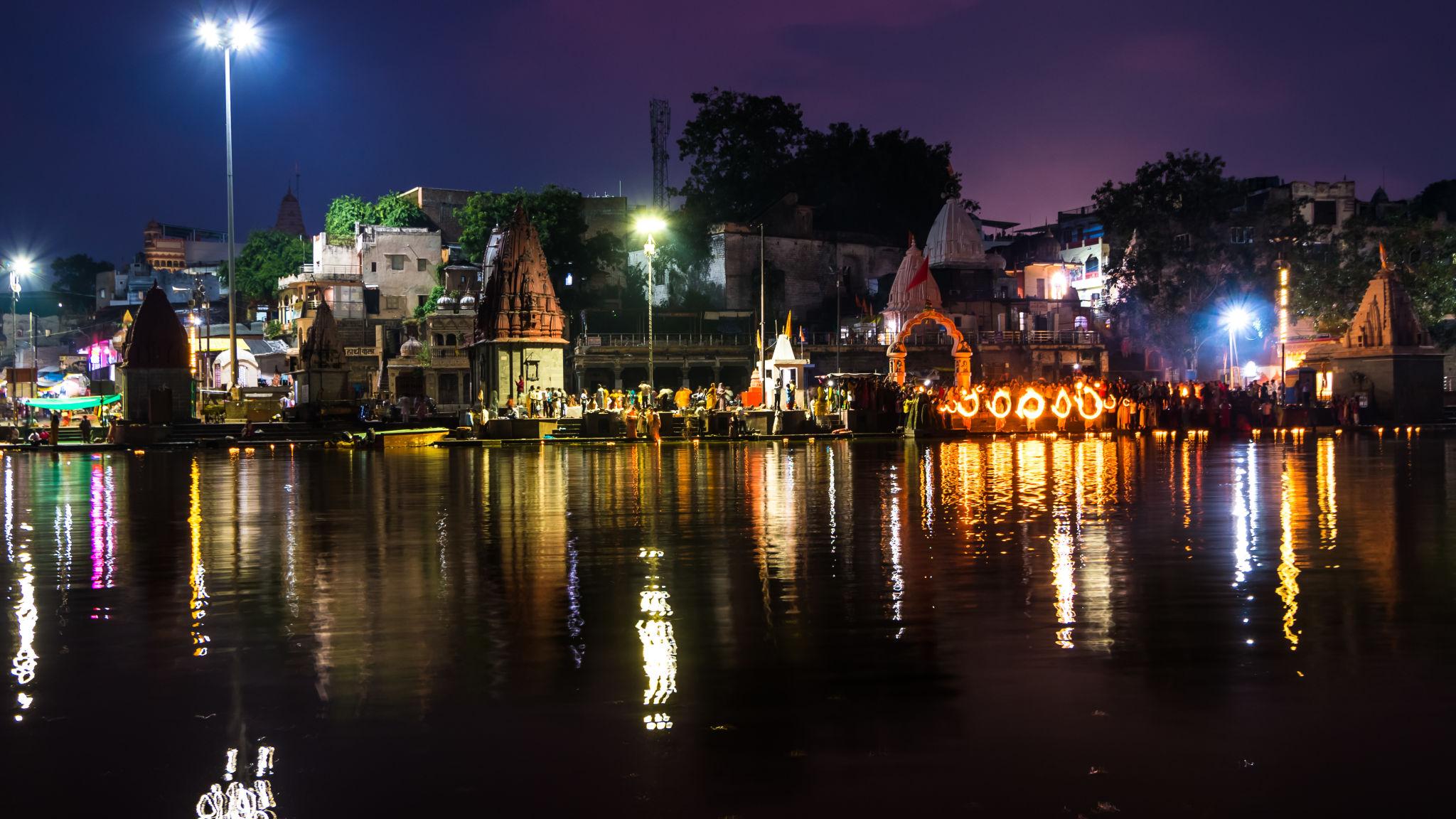 🔱 City of Mahakal
Ujjain
🔱 City of Mahakal
Ujjain
Ujjain Temple
One of the twelve Jyotirlingas, Ujjain is an ancient holy city on the banks of the Shipra River, famed for the Mahakaleshwar Temple and Kumbh Mela. Ujjain, located in the state of Madhya Pradesh on the banks of the sacred Shipra River, is one of the oldest and most spiritually significant cities in India. Known as a major pilgrimage hub, Ujjain holds immense importance in Hinduism and is deeply associated with ancient scriptures, astrology, and sacred traditions. At the heart of the city lies the revered Mahakaleshwar Jyotirlinga, one of the twelve Jyotirlingas dedicated to Lord Shiva. This temple is unique because the Shiva lingam here is believed to be swayambhu (self-manifested) and is the only Jyotirlinga where the deity faces south, symbolizing power over death and time. Ujjain is also one of the four cities that host the grand Kumbh Mela, known locally as Simhastha. During this massive spiritual gathering, millions of devotees take a holy dip in the Shipra River, believing it cleanses sins and brings spiritual liberation. Another important spiritual site in Ujjain is the Kal Bhairav Temple, dedicated to a fierce form of Lord Shiva. The temple is known for its unique rituals and deep connection to tantric traditions, attracting devotees from across the country. Ujjain is also considered one of the seven sacred Moksha-puris in Hinduism, believed to grant liberation from the cycle of birth and death. The city has a rich cultural and scholarly heritage and is historically associated with ancient astronomy and learning. The city comes alive during religious festivals, especially Mahashivratri, when thousands of devotees gather at Mahakaleshwar for special rituals and darshan. The atmosphere is filled with chants, lamps, and devotional energy throughout the day and night. Ujjain is well connected by rail and road, and nearby Indore provides the closest airport access. The city offers a wide range of accommodation options, from budget stays to comfortable hotels catering to pilgrims. A visit to Ujjain is a deeply transformative spiritual experience, where devotion, time-honored rituals, and sacred geography come together in one of India’s most powerful pilgrimage destinations.
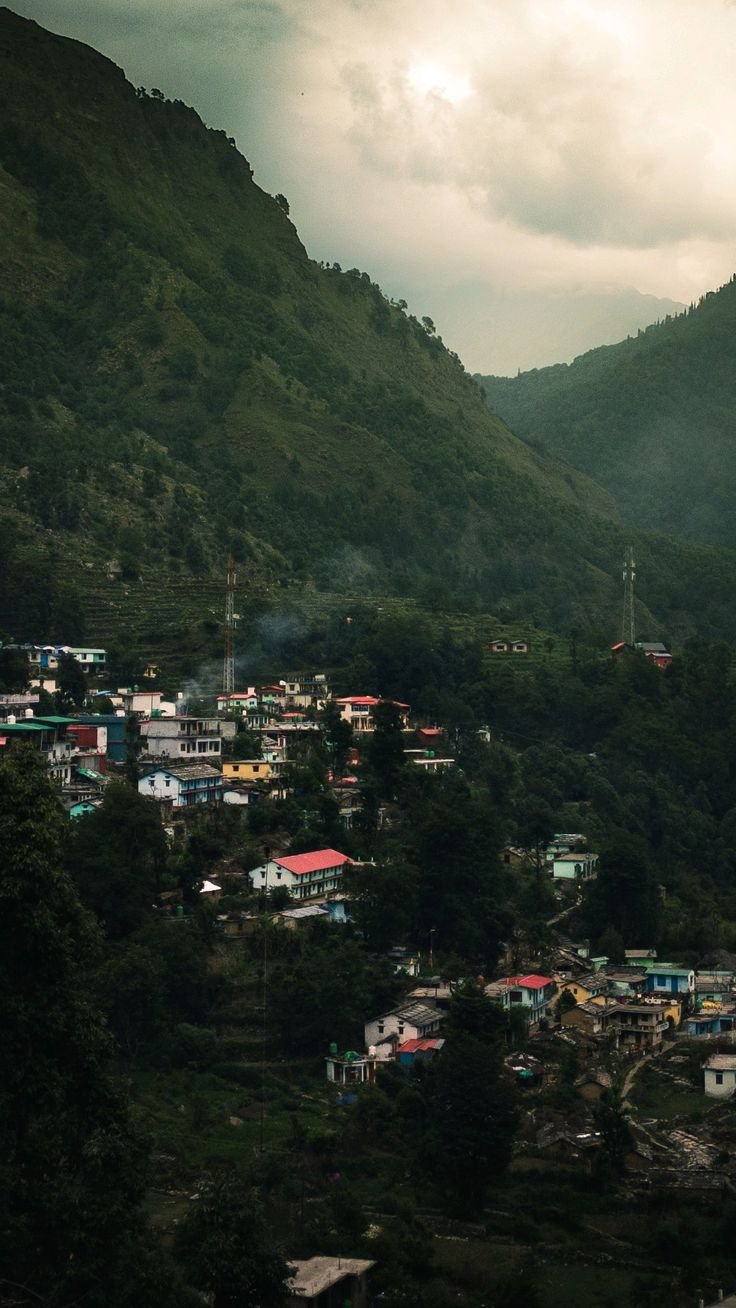 🛕 Winter Seat of Kedarnath
Ukhimath
🛕 Winter Seat of Kedarnath
Ukhimath
Ukhimath Temple
Ukhimath is an important religious town in Rudraprayag district and holds special significance for pilgrims travelling through the Char Dham region of Uttarakhand. The town is best known for the Omkareshwar Temple, where the symbolic worship of Lord Kedarnath traditionally continues during the winter months when the Kedarnath shrine becomes inaccessible due to heavy snowfall. Apart from its religious importance, Ukhimath also serves as a gateway to destinations such as Chopta and nearby Himalayan villages. Its quieter atmosphere and availability of hotels, homestays and guest houses make it suitable for travellers looking for an extended spiritual or nature-based stay during their Char Dham journey. Through MudrasStays, visitors can explore hotels in Ukhimath, Char Dham accommodation, stays near Kedarnath, hotels near Omkareshwar Temple and pilgrimage hotels in Rudraprayag district. Ukhimath is particularly suitable for travellers interested in combining temple visits, Himalayan sightseeing and the broader spiritual experience of the Kedarnath region.
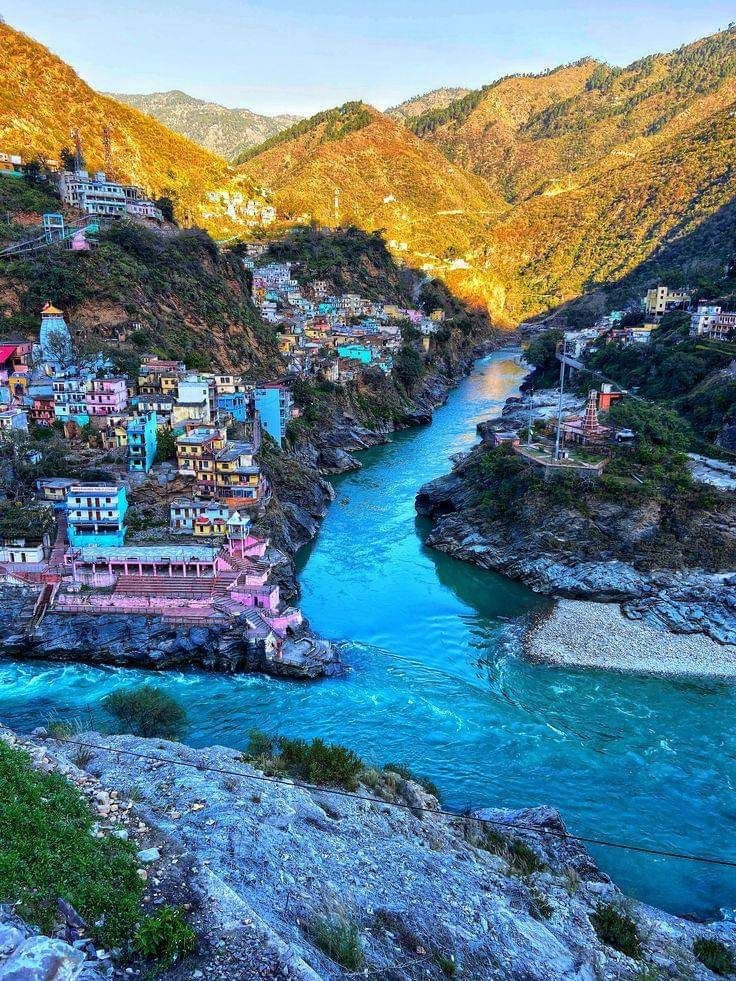 🕉️ Spiritual Gateway to Gangotri
Uttarkashi
🕉️ Spiritual Gateway to Gangotri
Uttarkashi
Uttarkashi Temple
Uttarkashi is one of the most important pilgrimage towns on the Char Dham Yatra route to Gangotri and is often used as an overnight base by travellers heading deeper into the Bhagirathi Valley. Situated along the sacred Bhagirathi River, the town is known for the ancient Kashi Vishwanath Temple and several other religious sites that give Uttarkashi strong spiritual importance. The town provides a broad range of accommodation, restaurants, markets, healthcare and transport facilities, making it especially suitable for families and organised Char Dham groups. Travellers can stay in Uttarkashi before continuing towards Harsil, Gangotri and surrounding pilgrimage destinations. Through MudrasStays, devotees can explore hotels in Uttarkashi, Gangotri route hotels, Char Dham accommodation, hotels near Kashi Vishwanath Temple and family stays in Uttarkashi. Its combination of religious importance, established infrastructure and route connectivity makes Uttarkashi one of the most useful bases for the Gangotri section of the Char Dham Yatra.
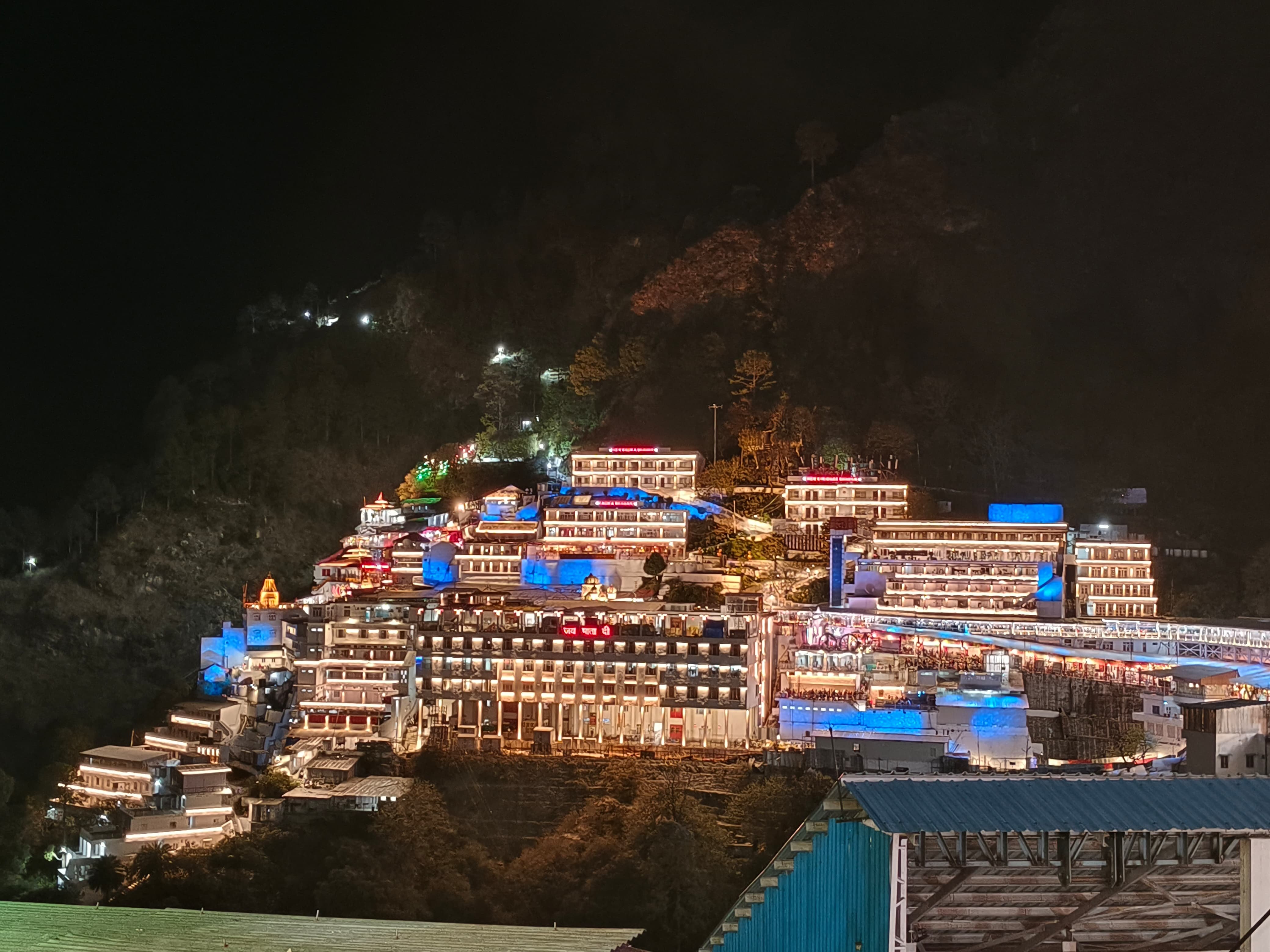 🙏 Sacred Cave Shrine
Vaishno Devi
🙏 Sacred Cave Shrine
Vaishno Devi
Vaishno Devi Temple
A sacred Hindu shrine dedicated to Goddess Vaishno Devi, nestled in the Trikuta Mountains of Jammu & Kashmir. Vaishno Devi, located in the Trikuta Hills near Katra in the union territory of Jammu and Kashmir, is one of the most revered Hindu pilgrimage destinations in India. Dedicated to Goddess Vaishno Devi, the shrine attracts millions of devotees every year who undertake a spiritual journey filled with devotion, faith, and endurance. The holy cave shrine, known as the Vaishno Devi Bhawan, is believed to be the sacred abode where the Goddess manifested herself in the form of three pindis representing Maha Kali, Maha Lakshmi, and Maha Saraswati. Pilgrims consider the journey to the shrine as equally important as the darshan itself, symbolizing devotion and inner purification. The pilgrimage begins from Katra and involves a trek of approximately 13 km through winding mountain paths, which can also be completed via ponies, palanquins, or helicopter services. The route is well-developed with resting points, food stalls, and spiritual chants that keep the atmosphere deeply devotional throughout the journey. Vaishno Devi is set amidst the scenic Trikuta Mountains, offering breathtaking views of valleys and forests, especially during the winter season when the region is covered in snow. The spiritual energy combined with natural beauty makes it one of the most powerful pilgrimage experiences in India. The shrine is visited throughout the year, with peak footfall during Navratri and other major Hindu festivals. The Shri Mata Vaishno Devi Shrine Board manages the entire pilgrimage system efficiently, ensuring safety and smooth darshan for devotees. Katra serves as the base town and offers excellent connectivity by road and rail, with Jammu being the nearest airport. The town provides a wide range of accommodation options, from budget hotels to comfortable stays for pilgrims. A visit to Vaishno Devi is a deeply spiritual journey of faith and endurance, where devotion and divine blessings come together in one of the most sacred pilgrimage destinations in India.
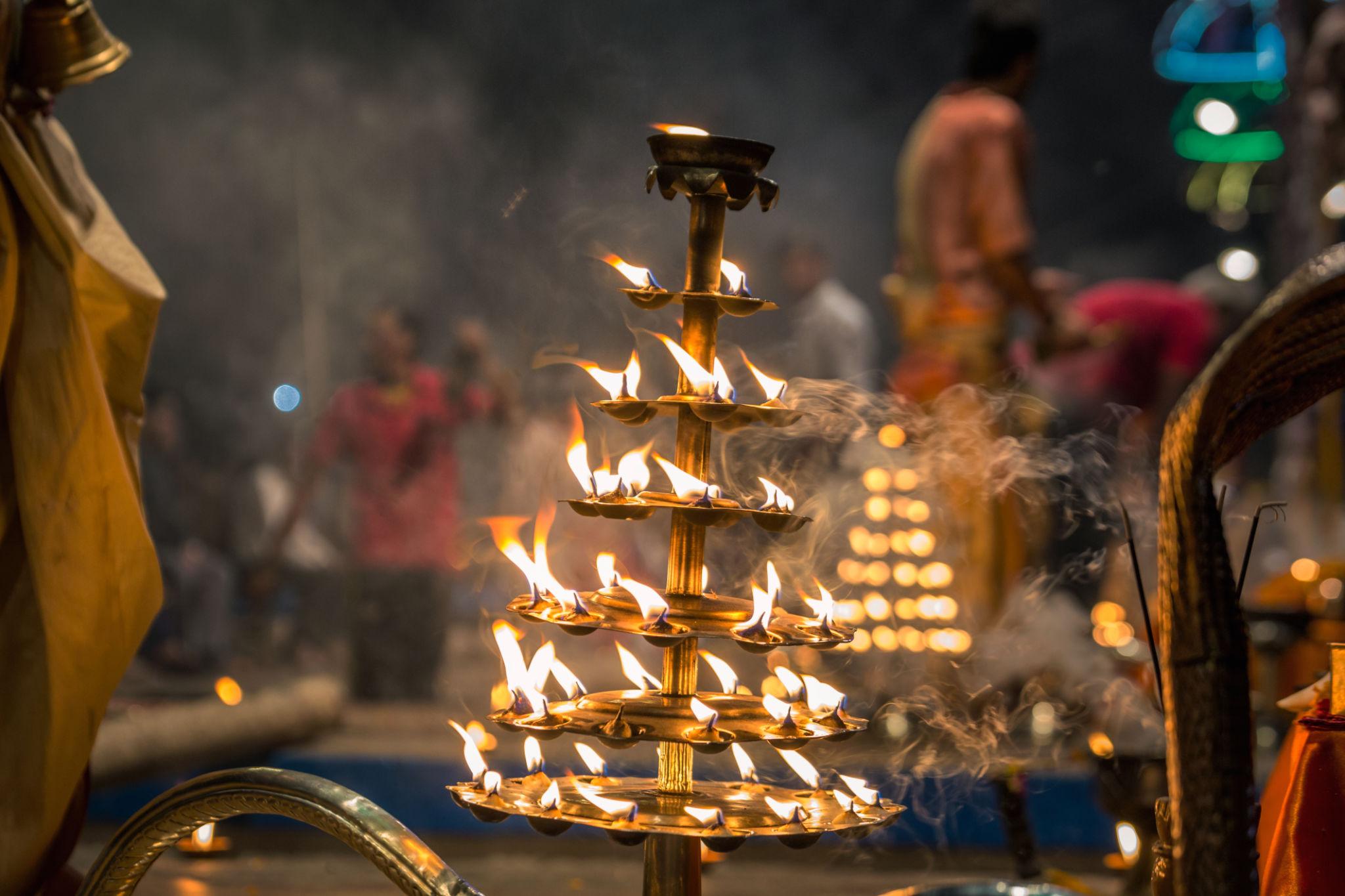 🕉️ Spiritual Capital of India
Varanasi
🕉️ Spiritual Capital of India
Varanasi
Kashi Vishwanath Temple
The most sacred city in Hinduism, Varanasi is a city of temples, ghats, and timeless spirituality along the Ganges. Located in the ancient city of Varanasi, on the western banks of the sacred Ganga River, the Kashi Vishwanath Temple stands as one of the most revered and powerful spiritual centers in Hinduism. Dedicated to Lord Shiva in the form of Vishwanath (Lord of the Universe), this temple is one of the twelve Jyotirlingas, making it a destination of immense religious importance for devotees across the world. Varanasi, also known as Kashi, is considered one of the oldest living cities in the world, and the presence of the Kashi Vishwanath Temple enhances its status as the spiritual capital of India. It is believed that a visit to this sacred temple and a dip in the Ganga can cleanse one’s sins and lead to spiritual liberation (moksha), drawing millions of pilgrims throughout the year. The temple is renowned for its golden spire and dome, which shine prominently above the city’s skyline, symbolizing divine presence and devotion. The recently developed Kashi Vishwanath Corridor has significantly enhanced accessibility, connecting the temple directly to the ghats of the Ganga, allowing devotees a seamless and spiritually enriching experience. The atmosphere around the temple is vibrant and deeply devotional, with narrow गलियां, traditional shops, and continuous chants of “Har Har Mahadev” filling the air. The spiritual energy of the place is especially powerful during major festivals like Mahashivratri and Dev Deepawali, when the entire city is illuminated and immersed in celebration. The ghats of Varanasi, particularly Dashashwamedh Ghat, located close to the temple, are central to the spiritual experience, where the famous Ganga Aarti takes place every evening, attracting thousands of devotees and visitors. Easily accessible by air, rail, and road, Varanasi is a major pilgrimage and cultural hub with a wide range of accommodations, from budget lodges to luxury hotels. Due to the continuous inflow of pilgrims, especially those seeking proximity to the temple and ghats, the demand for well-located and trusted stays remains consistently high. A visit to the Kashi Vishwanath Temple is not just a pilgrimage but a profound spiritual journey, where ancient traditions, divine energy, and the timeless flow of the Ganga come together to create one of the most powerful religious experiences in India. Varanasi, also known as Kashi, is one of the oldest continuously inhabited cities in the world and the most sacred pilgrimage destination in India. Located in the state of Uttar Pradesh on the banks of the holy Ganga River, Varanasi holds immense spiritual significance in Hinduism, Buddhism, and Jainism, making it a universal center of faith and liberation. At the heart of the city lies the revered Kashi Vishwanath Temple, dedicated to Lord Shiva. It is one of the twelve Jyotirlingas and is believed to grant moksha (liberation from the cycle of birth and death). The temple’s golden spire and sacred corridors attract millions of devotees throughout the year. Varanasi is deeply associated with spiritual rituals along its famous ghats. The Dashashwamedh Ghat is renowned for its grand evening Ganga Aarti, where priests perform synchronized rituals with fire lamps, chants, and devotional music, creating a mesmerizing spiritual atmosphere. The ghats are also used for daily bathing rituals, prayers, and cultural activities. Another significant site is the Manikarnika Ghat, one of the oldest cremation grounds in the world, symbolizing the Hindu belief in life, death, and liberation. The continuous cycle of rituals along the ghats reflects the city’s deep connection with spirituality and eternity. Varanasi is also important in Buddhist history, as nearby Sarnath is where Gautama Buddha delivered his first sermon. This makes the region a major spiritual circuit for pilgrims across religions. The city is a vibrant blend of ancient traditions, narrow winding lanes, classical music, Sanskrit learning, and devotional culture. It is also known for its silk weaving industry and rich culinary heritage. Varanasi is well connected by air, rail, and road, and offers a wide range of accommodation options from budget lodges to luxury riverside hotels, many located near the ghats for easy access to spiritual experiences. A visit to Kashi is considered one of the most profound spiritual journeys in India, where life, death, devotion, and liberation coexist on the sacred banks of the Ganga, making it a timeless center of faith and eternity.
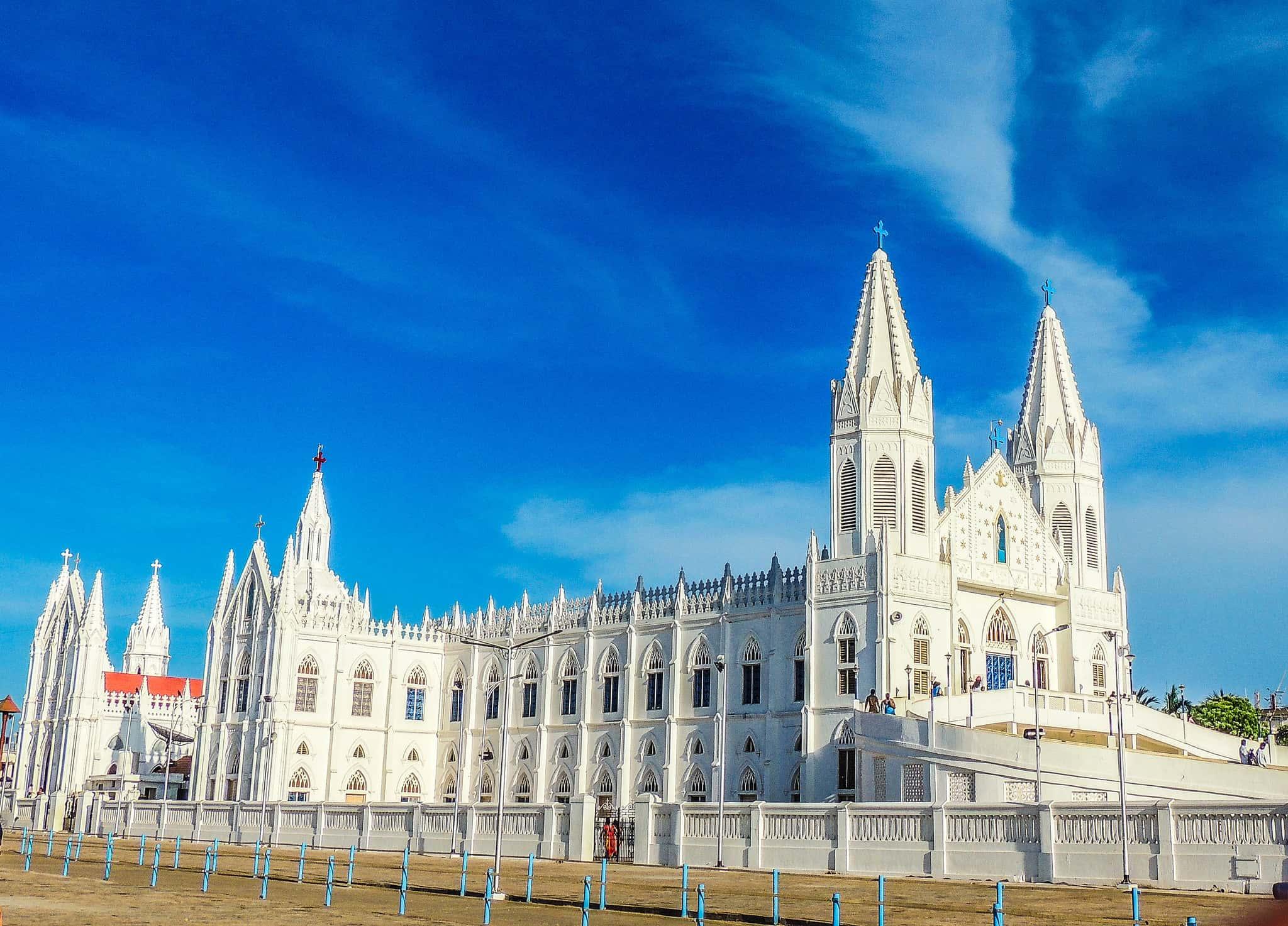 ✝️ Lourdes of the East
Velankanni
✝️ Lourdes of the East
Velankanni
Velankanni Temple
Velankanni is one of the most important Christian pilgrimage destinations in Asia. The Basilica of Our Lady of Good Health attracts millions of devotees every year, regardless of faith. Velankanni, located on the Coromandel Coast in the state of Tamil Nadu, is one of the most important Christian pilgrimage destinations in India. Known as the “Lourdes of the East,” Velankanni is globally renowned for the sacred Basilica of Our Lady of Good Health, dedicated to Virgin Mary. The basilica is believed to be associated with several miraculous events involving Mother Mary, making it a deeply revered site for devotees of the Christian faith. The present structure, built in Gothic-style architecture, stands as a symbol of devotion, healing, and faith, attracting millions of pilgrims from India and across the world. Velankanni is a coastal town situated near the Bay of Bengal, giving it a unique spiritual setting where the sea meets faith. The church complex includes the main basilica, chapels, and prayer halls where continuous masses and prayers are conducted in multiple languages, reflecting its diverse visitor base. The destination experiences peak footfall during the annual feast of Our Lady of Good Health, held in September, which is one of the largest religious gatherings in South India. During this time, the entire town transforms into a vibrant spiritual hub filled with processions, prayers, and cultural activities. The serene beach near the basilica adds to the spiritual ambiance, where pilgrims often spend time in reflection and prayer. The peaceful coastal environment enhances the overall devotional experience. Velankanni is well connected by road and rail, with nearby cities like Nagapattinam and Thanjavur providing easy access. The town offers a wide range of accommodation options, from budget lodges to church-run guesthouses and hotels catering to pilgrims. A visit to Velankanni is a deeply spiritual and healing experience, where faith, miracles, and devotion come together in a serene coastal setting, making it one of the most significant pilgrimage destinations for Christians in India.
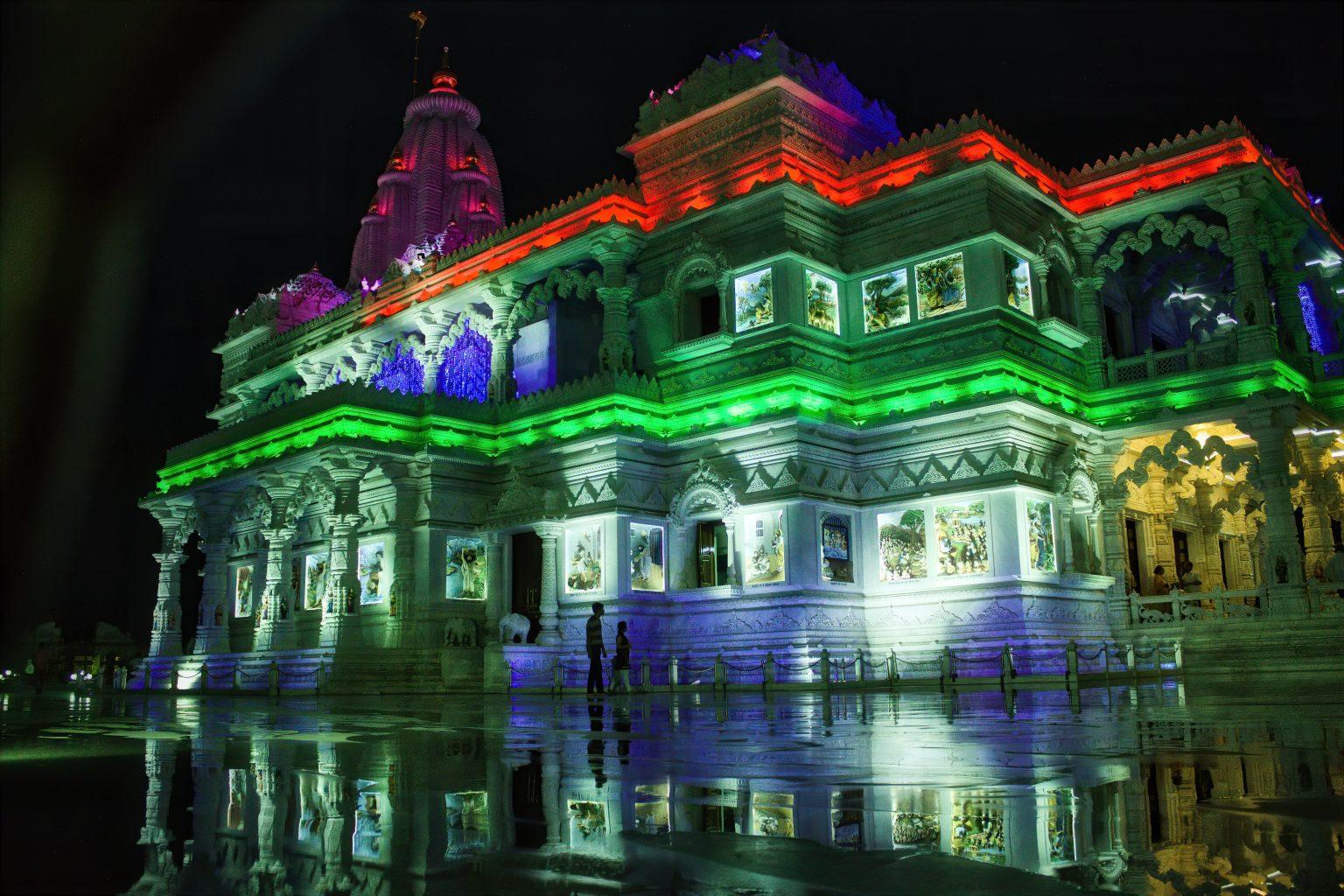 🎶 Land of Divine Love
Vrindavan
🎶 Land of Divine Love
Vrindavan
Prem Mandir & Bankey Bihari
Vrindavan is one of the holiest destinations associated with Lord Krishna. Known for its vibrant temples, devotional atmosphere, and spiritual heritage, the town attracts millions of devotees annually. Vrindavan, located in the Braj region of Uttar Pradesh, is one of the most sacred and spiritually vibrant pilgrimage destinations in India. Situated on the banks of the holy Yamuna River, Vrindavan is deeply associated with the childhood and divine pastimes of Lord Krishna. Vrindavan is believed to be the land where Lord Krishna spent his early years, performing divine leelas with Radha and the gopis. The entire town is considered sacred, with temples, ghats, and narrow lanes echoing with devotional chants, bhajans, and kirtans throughout the day. The most famous shrine is the Banke Bihari Temple, dedicated to Lord Krishna in his playful form. The temple is known for its unique darshan style, where the deity is revealed and concealed repeatedly, creating a deeply emotional and devotional experience for devotees. Another major attraction is the stunning Prem Mandir, a modern white marble temple dedicated to Radha-Krishna and Sita-Ram. The temple is especially famous for its illuminated evening light shows and beautifully carved sculptures depicting Krishna’s life events. Vrindavan is also home to several ancient temples such as Radha Raman Temple and ISKCON Vrindavan, which attract international devotees and spiritual seekers from across the world. The ghats along the Yamuna River, especially at sunset, offer a peaceful and divine atmosphere for reflection and prayer. The city comes alive during festivals like Holi and Janmashtami, when millions of devotees gather to celebrate Krishna’s divine presence with colors, music, and devotional festivities. Vrindavan is well connected by road and rail, with nearby Mathura serving as a major transport hub. The town offers a wide range of accommodation options, from budget dharamshalas to comfortable hotels catering to pilgrims. A visit to Vrindavan is a deeply emotional and spiritual journey, where devotion, love, and divine energy come together in one of the most sacred lands of Lord Krishna, making it a timeless pilgrimage destination.
No temples found matching your search
Try searching for a different holy city or landmark (e.g. Varanasi, Ram Janmabhoomi, Kedarnath).