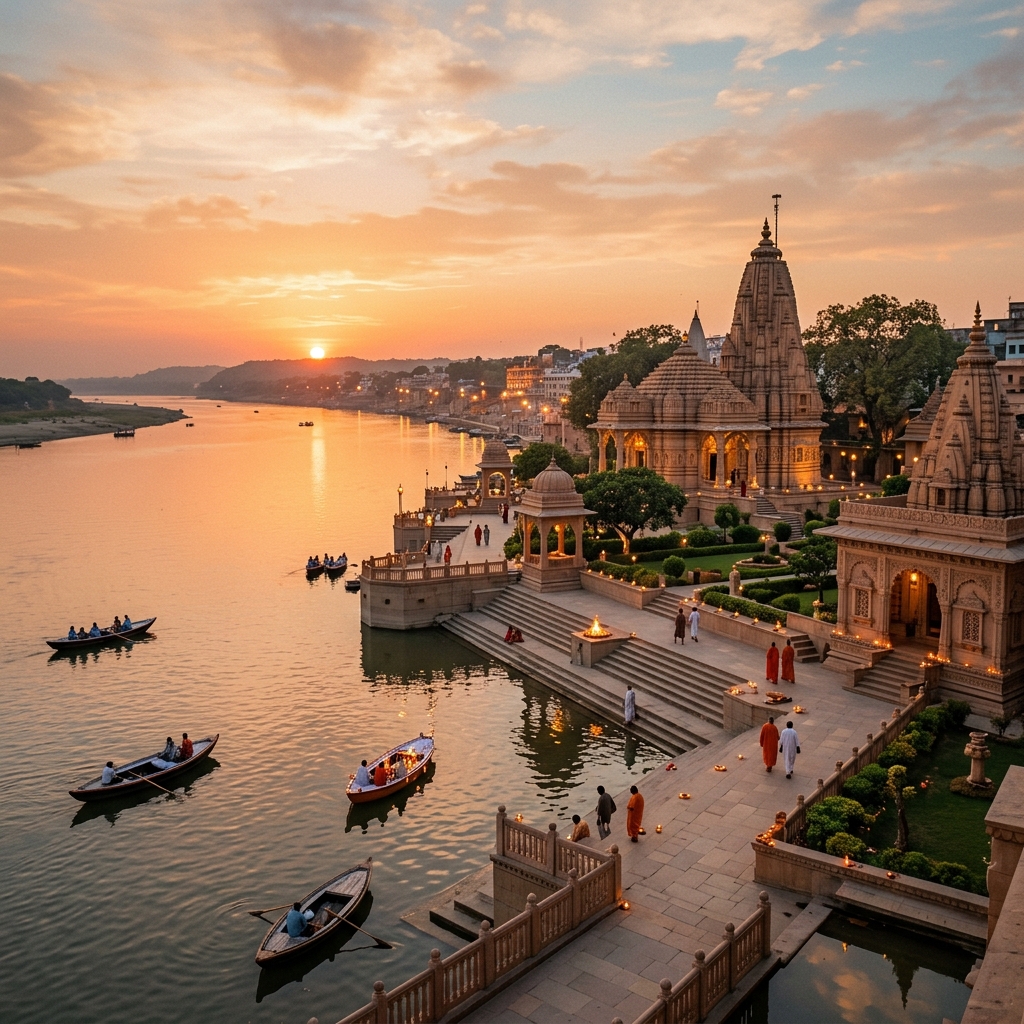
Kanwar Yatra and Kanwar Mela
Event Overview
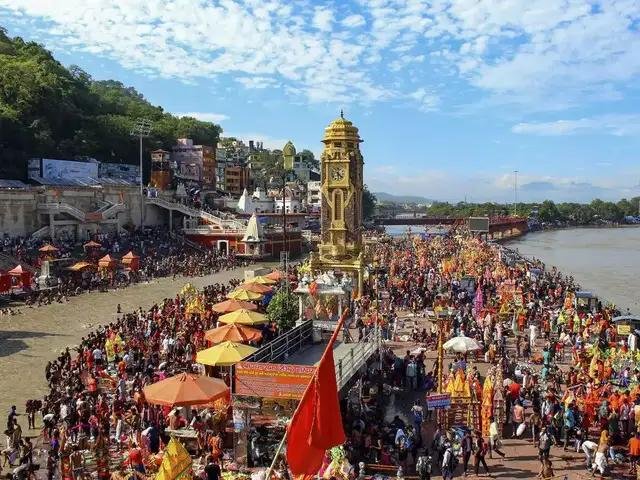
Kanwar Yatra is a major multi-day pilgrimage dedicated to Lord Shiva. In 2026, the principal Haridwar Kanwar Yatra is scheduled from 30 July to 11 August, concluding with the important Sawan Shivratri jalabhishek. The pilgrimage lasts for 13 days and transforms Haridwar into one of India’s largest seasonal centres of Shiva devotion.
During the pilgrimage, devotees known as Kanwariyas travel to Haridwar to collect sacred water from the River Ganga. Many begin at Har Ki Pauri, take a ritual bath, fill decorated vessels with Gangajal and carry them in colourful bamboo structures called kanwars. The sacred water is later offered to Shiva lingas in temples located along the pilgrims’ return routes or in their home towns. Haridwar district officially describes the Kanwar Yatra as an annual pilgrimage in which Shiva devotees collect Ganga water from Haridwar, Gaumukh and Gangotri during the month of Shravan.
Important pilgrim activities include:
Taking a holy dip at Har Ki Pauri
Collecting sacred Gangajal
Carrying decorated kanwars
Walking barefoot or travelling in devotional groups
Chanting “Har Har Mahadev” and “Bol Bam”
Attending Shiva bhajans and devotional gatherings
Resting at community Kanwar camps
Participating in charitable food and water service
Performing jalabhishek on Sawan Shivratri
Visiting Shiva temples and ashrams across Haridwar
Traffic restrictions and route diversions are expected to intensify during the final phase of the pilgrimage. Current administrative reporting indicates that heavy vehicle restrictions on the Delhi–Haridwar corridor are planned from 4 to 12 August 2026, with the largest movement of pilgrims occurring shortly before the concluding jalabhishek. Travellers should avoid unnecessary road journeys during the peak days and confirm official traffic advisories before departure.
Cultural & Spiritual Significance
Kanwar Yatra represents devotion, austerity, physical discipline and surrender to Lord Shiva. Carrying Gangajal over long distances is regarded as an act of tapasya, through which devotees demonstrate faith, endurance and gratitude.
According to traditional belief, the sacred water of the Ganga is offered to Shiva in remembrance of the divine events associated with Samudra Manthan. Shiva consumed the destructive poison that emerged during the churning of the cosmic ocean, and water was offered to calm its effect. The jalabhishek performed by Kanwariyas symbolically expresses purification, protection and devotion.
Haridwar holds exceptional importance because it is one of Hinduism’s holiest cities and a principal collection point for Gangajal. Har Ki Pauri is regarded as the city’s most sacred ghat, while Haridwar itself is considered the gateway to the Himalayan pilgrimage region.
The pilgrimage also promotes collective service. Religious organisations, residents and volunteers establish camps offering drinking water, food, medical assistance and resting facilities. These acts of seva reflect the values of compassion, equality and community participation.
Planning to attend Kanwar Yatra and Kanwar Mela?
Book your peaceful stays and verified temple cabs directly with Mudras Stays. Secure instant confirmation and enjoy premium Satvik hospitality.