Jhulan Yatra – Radha Krishna Swing Festival
Event Overview
Jhulan Yatra, also called Hindola Utsav or the Swing Festival, is a devotional celebration associated with the divine love of Radha and Krishna. In 2026, the Vaishnava calendar places the beginning of Jhulan Yatra on 23 August and its conclusion on 28 August, when Balarama Jayanti is also observed.
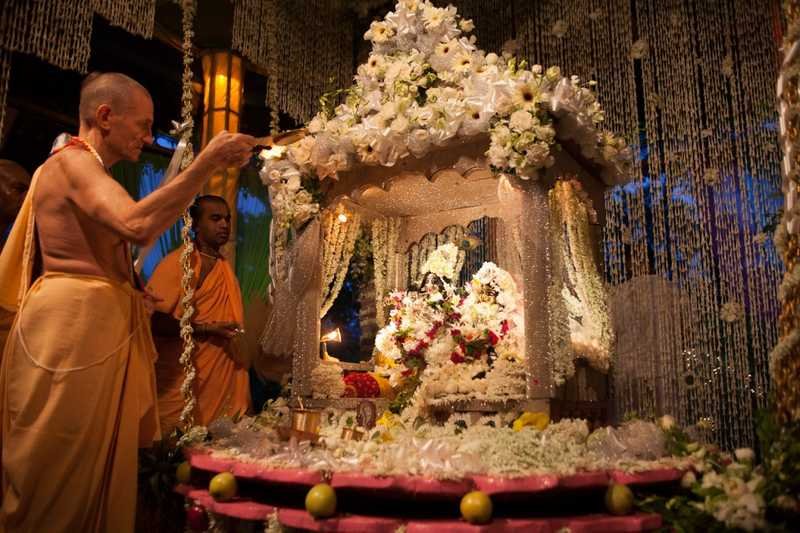
The festival takes place during the monsoon season, when temples across Vrindavan install beautifully decorated swings known as jhulas or hindolas. The deities of Radha and Krishna are dressed in elaborate garments and jewellery and placed on swings decorated with flowers, leaves, coloured fabrics, pearls and traditional ornaments.
Major Vrindavan temples traditionally associated with Jhulan celebrations include:
Banke Bihari Temple
Radha Raman Temple
Radha Vallabh Temple
ISKCON Krishna Balaram Mandir
Shahji Temple
Radharaman Ghera and other historic Braj shrines
The customary festival period extends from Shravana Shukla Ekadashi to Shravana Purnima. Some temples may conduct longer Hindola decorations or begin related celebrations earlier, but the principal calendar period for 2026 is 23–28 August.
Important pilgrim activities include:
Attending Mangala Aarti and morning darshan
Viewing Radha-Krishna seated on decorated swings
Participating in congregational kirtan
Singing monsoon and Radha-Krishna devotional songs
Offering flowers, garlands, fruits and sweets
Gently swinging the ceremonial hindola where permitted
Listening to discourses about Krishna’s Vrindavan pastimes
Visiting several historic temples during the festival
Participating in evening aarti and lamp offerings
Walking through the decorated lanes of Vrindavan
Joining Hare Krishna mantra chanting
Observing the concluding Purnima celebrations
At Banke Bihari Temple and other prominent shrines, the festival can attract very large crowds. Floral decorations, ceremonial swings and special adornments create an elaborate devotional environment, while priests regulate darshan and pilgrim movement around the sanctum.
Festival period at a glance:
23 August: Beginning of Jhulan Yatra
24–27 August: Daily swing darshan, temple decoration, kirtan and devotional programmes
28 August: Jhulan Yatra conclusion and Shravana Purnima observances
Daily focus: Radha-Krishna worship, floral decoration, music, prayer and monsoon devotion
Individual temples may follow different darshan schedules, swing ceremonies and entry arrangements. Pilgrims should verify the official temple timetable closer to the festival, particularly for Banke Bihari Temple and Radha Raman Temple.
Cultural & Spiritual Significance
Jhulan Yatra celebrates the loving pastimes of Radha and Krishna during the monsoon season in the sacred Braj region. Traditional devotional poetry describes the divine couple enjoying flower-decorated swings amid Vrindavan’s forests, gardens, clouds and cooling rains.
The swing symbolises the rhythmic movement of divine love and the intimate relationship between the devotee and God. By decorating the hindola and singing devotional songs, worshippers express affection, surrender and the desire to serve Radha and Krishna personally.
The festival represents:
Divine love: Honouring the eternal relationship between Radha and Krishna
Bhakti: Expressing devotion through music, flowers and personal service
Monsoon renewal: Celebrating nature, rain and seasonal abundance
Spiritual joy: Experiencing worship through beauty, music and community participation
Temple seva: Serving the deities through decoration and offerings
Braj heritage: Preserving Vrindavan’s distinctive Krishna traditions
Community devotion: Bringing pilgrims, priests and local residents together
Sacred art: Showcasing floral arrangements, textiles, jewellery and traditional swing craftsmanship
Devotees believe that witnessing Radha and Krishna on the ceremonial swing strengthens loving devotion and brings the mind closer to Krishna consciousness. The festival differs from more austere religious observances because its central mood is joyful, intimate and celebratory.
Jhulan Yatra is also culturally important because it preserves Braj’s monsoon songs, temple music, flower decoration, handicrafts and oral storytelling traditions. The celebration connects religious worship with the changing natural environment of the monsoon season.
Planning to attend Jhulan Yatra – Radha Krishna Swing Festival?
Book your peaceful stays and verified temple cabs directly with Mudras Stays. Secure instant confirmation and enjoy premium Satvik hospitality.