Raghunath Bazaar – Jammu’s Historic Pilgrimage Market Beside Raghunath Temple
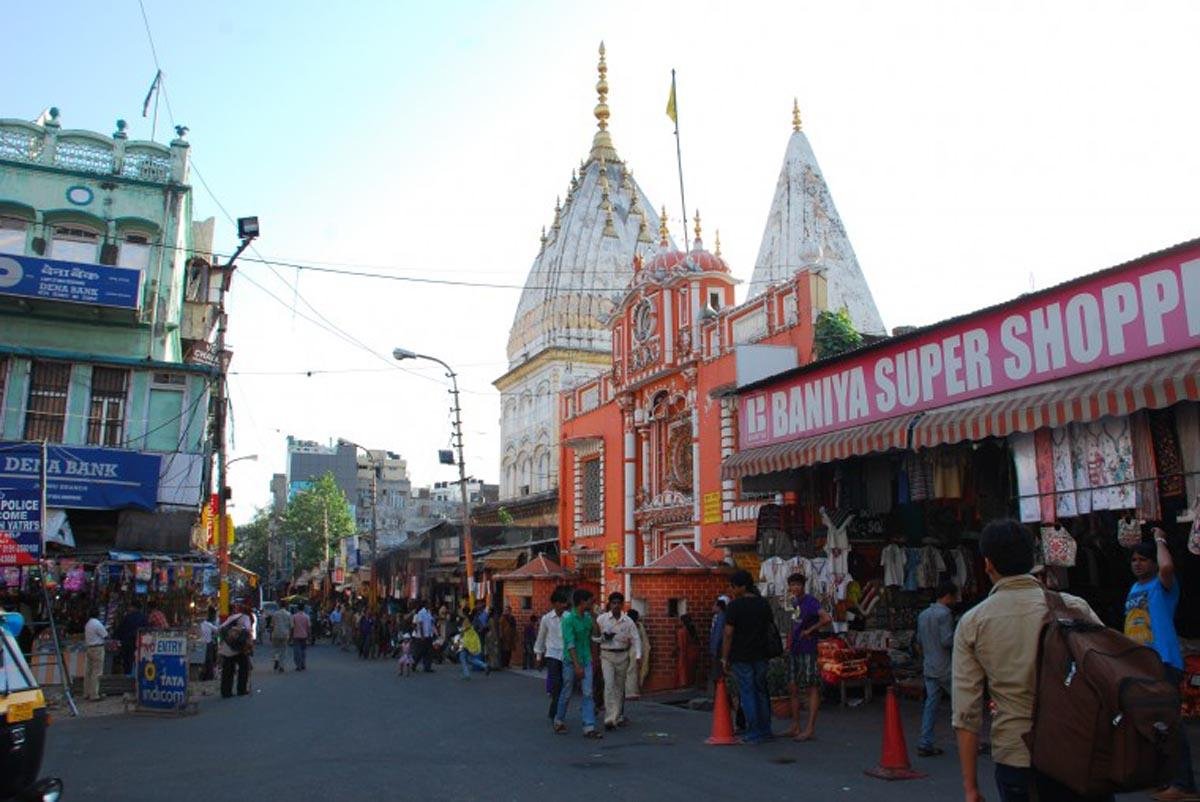
Raghunath Bazaar is one of the most famous and historic shopping destinations in Jammu, located around the revered Raghunath Temple in the heart of the city. Filled with traditional shops, dry-fruit stores, sweet shops, clothing outlets, handicraft sellers and stalls offering puja essentials, the market gives pilgrims an opportunity to experience the culture and everyday life of Jammu immediately after temple darshan.
The history of Raghunath Bazaar is closely connected with the development of Shri Raghunath Ji Temple. The market began with a small number of shops selling prasad and religious offerings near the temple and gradually grew into one of Jammu’s principal commercial areas. Today, it represents a distinctive combination of spirituality, local culture, traditional shopping and urban life.
For devotees visiting Raghunath Temple, the bazaar is not a separate attraction requiring an additional journey. Pilgrims can complete darshan and then walk through the surrounding lanes to purchase prasad, religious souvenirs, dry fruits, sweets, shawls and gifts for family members.
Raghunath Bazaar is also a convenient leisure stop for travellers visiting Mata Vaishno Devi Temple in Katra. Many pilgrims arrive in Jammu by train or flight before continuing towards Katra. Those with a few additional hours can visit Raghunath Temple, shop in the bazaar and experience Jammu’s local culture before beginning their onward pilgrimage.
By combining temple darshan with shopping, food and comfortable accommodation booked through MudrasStays, travellers can turn a short transit stay in Jammu into a more complete spiritual and cultural experience.
Shop After Darshan at Raghunath Temple
The most important attraction beside Raghunath Bazaar is Raghunath Temple, one of the major temple complexes in northern India. The complex contains seven principal shrines, each crowned by its own shikhara, while Lord Rama is worshipped as the presiding deity.
The temple was developed during the nineteenth century by Maharaja Gulab Singh and Maharaja Ranbir Singh, with construction taking place between 1853 and 1860. The complex houses several Hindu deities, making it an important destination for devotees visiting Jammu.
After seeking the blessings of Lord Rama, Mata Sita and Lakshman Ji, visitors can step directly into the lively atmosphere of Raghunath Bazaar. The transition from the peaceful temple complex to the colourful market gives travellers a complete experience of Jammu’s religious and cultural identity.
Pilgrims can purchase:
Prasad and puja materials
Religious books and devotional items
Idols and framed images of deities
Mata Vaishno Devi souvenirs
Prayer accessories and sacred threads
Gifts for relatives unable to join the pilgrimage
Traditional products associated with Jammu and Kashmir
The bazaar is especially useful for pilgrims who want to carry home a meaningful reminder of their temple journey.
Buy Dry Fruits, Walnuts and Almonds
Raghunath Bazaar is particularly well known for its traditional dry-fruit shops. Walnuts and almonds are among the most prominent products associated with the market, while many stores also sell raisins, cashews, pistachios, dried figs, saffron and other regional products.
Dry fruits are popular purchases among pilgrims because they are easy to carry, suitable for gifting and closely associated with Jammu and Kashmir. Visitors frequently purchase them for family members, neighbours and colleagues after completing a temple journey.
Travellers should compare quality, grading, packaging and prices before purchasing. When buying saffron or premium dry fruits, it is advisable to choose an established seller, request sealed packaging and obtain a bill wherever possible.
Pilgrims travelling by air should also check baggage restrictions before purchasing large quantities. Those travelling by train or private vehicle may find it easier to carry properly packed boxes.
Explore Kashmiri Handicrafts and Traditional Products
Raghunath Bazaar offers travellers an introduction to the artistic traditions of Jammu and Kashmir. Shops in and around the market sell shawls, carpets, rugs, wooden products, decorative boxes, textiles and other handicraft items. Incredible India identifies Raghunath Bazaar as one of Jammu’s notable shopping areas and highlights the availability of handicrafts, handwoven carpets, rugs, shawls and wooden products in the city.
Visitors may find:
Kashmiri shawls and stoles
Embroidered garments
Woollen clothing
Handwoven carpets and rugs
Wooden decorative pieces
Traditional jewellery
Bags and accessories
Home décor products
Locally inspired souvenirs
These items allow pilgrims to carry home something connected with the region’s culture rather than purchasing only standard tourist souvenirs.
Quality and authenticity can vary considerably between shops. Travellers purchasing expensive shawls, carpets or jewellery should ask about the material, craftsmanship, origin and return policy before making payment.
Discover Traditional Dogra Jewellery
The bazaar is also associated with traditional Dogra jewellery, reflecting the cultural heritage of the Jammu region. Alongside traditional designs, visitors can explore contemporary fashion accessories, clothing and boutique products.
Dogra-style jewellery can make a memorable gift for travellers who want something distinctive from Jammu. Visitors may find necklaces, earrings, bangles and decorative pieces inspired by regional patterns.
Those purchasing precious metals or higher-value jewellery should use a reputable store, check hallmarking where applicable and retain the purchase invoice.
Taste Jammu’s Sweets and Local Specialities
Shopping at Raghunath Bazaar can be combined with a taste of Jammu’s traditional sweets and snacks. The market is known for sweet shops offering different varieties of burfi and other local preparations. JKTDC specifically identifies sweet burfis as one of the culinary attractions associated with the bazaar.
Depending on availability, visitors may explore:
Burfi and milk-based sweets
Patisa
Sund panjiri
Kaladi-based snacks
Rajma dishes
North Indian vegetarian meals
Tea, lassi and seasonal refreshments
Pilgrims following a vegetarian or satvik diet can find several suitable options in central Jammu, although ingredients and preparation methods should be confirmed directly with the restaurant or sweet shop.
Packaged sweets can also be purchased as gifts, but travellers should check freshness, shelf life and storage requirements before carrying them over a long distance.
Purchase Prasad and Pilgrimage Souvenirs
Raghunath Bazaar originally developed around shops selling prasad near Raghunath Temple, and religious shopping remains an important part of its identity.
Pilgrims can purchase prasad after darshan or collect devotional items before continuing towards other temples. Common purchases may include:
Puja thalis
Incense and lamps
Sacred threads
Religious pendants
Small idols
Framed images
Prayer books
Temple souvenirs
Mata Vaishno Devi memorabilia
Travellers proceeding towards Katra should avoid carrying unnecessary luggage during the Vaishno Devi yatra. Larger purchases can be kept securely at the hotel or made after returning to Jammu.
A Cultural Experience in the Heart of Jammu
Raghunath Bazaar is not only a place to purchase products. Its real attraction lies in its atmosphere.
The market brings together temple devotees, local residents, traders and travellers from different parts of India. The sound of shopkeepers, the aroma of sweets and dry fruits, the sight of temple shikharas above the market and the movement of pilgrims through its lanes create an experience closely connected with Jammu’s identity.
The bazaar is officially described as a symbol of Jammu’s spiritual and cultural heritage. Its development alongside Raghunath Temple illustrates how religious activity gradually shaped the surrounding commercial and social life.
For pilgrims who enjoy observing local culture, even a simple walk through the market can become a memorable part of the journey.
Combine Raghunath Bazaar with Jammu’s Famous Temples
Raghunath Bazaar can be included in a wider temple and sightseeing route across Jammu.
Raghunath Temple
Begin with darshan at Raghunath Temple, situated directly within the bazaar area. Devotees can seek the blessings of Lord Rama and explore the multiple shrines within the complex before beginning their shopping.
Ranbireshwar Temple
Dedicated to Lord Shiva, Ranbireshwar Temple is another prominent religious attraction in Jammu. Incredible India identifies Raghunath Bazaar as one of the cultural and shopping attractions that can be explored while extending a spiritual visit around Ranbireshwar Temple.
Peer Kho Cave Temple
Peer Kho Cave Temple is a revered Shiva shrine situated in a natural cave setting. It can be included in the same local temple tour for devotees who want to experience different forms of worship within Jammu.
Bawe Wali Mata Temple
Located inside Bahu Fort, Bawe Wali Mata Temple is dedicated to Goddess Kali. After darshan, families can also visit Bagh-e-Bahu and enjoy views of the Tawi River.
Mahamaya Temple
Mahamaya Temple can be included with the Bahu Fort and Bagh-e-Bahu circuit, especially for pilgrims with a full day available for Jammu sightseeing.
A suitable temple and leisure itinerary may include:
Raghunath Temple – Raghunath Bazaar – Ranbireshwar Temple – Peer Kho Cave Temple – Bawe Wali Mata Temple – Bagh-e-Bahu
This route allows visitors to combine Lord Rama, Lord Shiva and Goddess worship with shopping, food, heritage and family leisure.
Add Raghunath Bazaar to a Mata Vaishno Devi Itinerary
Jammu is a major arrival point for pilgrims travelling to Shri Mata Vaishno Devi Temple in Katra. Many travellers reach Jammu through the railway station or airport and continue directly towards Katra.
However, pilgrims with sufficient time can stay in Jammu and experience its temples and markets before beginning the yatra.
Suggested Itinerary Before the Vaishno Devi Yatra
Day 1: Arrival in Jammu
Check into a hotel, rest after the journey and enjoy a simple meal.
Day 2: Jammu Temple and Shopping Tour
Visit Raghunath Temple, shop at Raghunath Bazaar and continue towards Ranbireshwar Temple, Peer Kho Cave Temple or Bawe Wali Mata Temple.
Day 3: Travel to Katra
Check into a hotel near the Vaishno Devi pilgrimage route and prepare for the yatra.
Day 4: Mata Vaishno Devi Darshan
Complete the pilgrimage and return to Katra for proper rest.
Suggested Itinerary After the Vaishno Devi Yatra
Pilgrims returning from Katra can spend one night in Jammu before taking their train or flight. Raghunath Temple and Raghunath Bazaar can then be visited as the concluding spiritual and shopping experience of the journey.
This arrangement is particularly convenient for travellers who want to purchase sweets, dry fruits and souvenirs without carrying them during the pilgrimage.
Best Time to Visit Raghunath Bazaar
Raghunath Bazaar can be explored throughout the year, although the experience varies by season and pilgrimage period.
Morning hours are suitable for devotees who want to complete temple darshan before the market becomes busier. Late afternoon and early evening generally offer a livelier shopping atmosphere, but traffic and crowds may increase.
During Navratri, Ram Navami, major Hindu festivals, school holidays and peak Mata Vaishno Devi pilgrimage periods, the temple and surrounding market may become crowded. Visitors should allow additional time for security checks, traffic and parking.
Summer afternoons in Jammu can become hot, so lighter clothing, drinking water and sun protection are recommended. Winter is generally more comfortable for walking, although mornings and evenings may be cold.
Market opening hours can vary between shops, weekdays, festivals and local conditions. Travellers should avoid depending on a single fixed schedule and confirm timings locally where necessary.
How Much Time to Spend at Raghunath Bazaar
Travellers can generally keep around two to four hours for Raghunath Temple darshan and shopping in the bazaar.
More time may be required when:
Visiting during a festival or weekend
Purchasing shawls, jewellery or handicrafts
Comparing prices across several shops
Eating in the market area
Travelling with children or senior citizens
Combining the bazaar with other Jammu temples
Pilgrims should not schedule the visit immediately before a train, flight or fixed yatra reporting time. Traffic around central Jammu can affect travel duration, so a suitable buffer should be maintained.
Shopping Tips for Pilgrims
Raghunath Bazaar offers products across different price and quality levels. A few practical precautions can make the experience more comfortable:
Compare prices before making expensive purchases.
Check the quality and packaging of dry fruits.
Ask for bills for higher-value goods.
Verify material claims when buying shawls or carpets.
Keep wallets and mobile phones secure in crowded lanes.
Avoid carrying excessive cash.
Confirm whether digital payment is accepted before purchasing.
Check the expiry date and shelf life of packaged food.
Keep children and senior citizens close during busy periods.
Store heavy purchases at the hotel before continuing the pilgrimage.
Visitors should also remain respectful around Raghunath Temple and avoid blocking entrances or religious processions while shopping.
How to Reach Raghunath Bazaar
Raghunath Bazaar is situated in central Jammu around Raghunath Temple. The locality falls within Jammu’s principal commercial area and is accessible through taxis, auto-rickshaws, local transport and private vehicles. The district administration lists Raghunath Bazaar within Jammu’s central postal area under PIN code 180001.
Travellers arriving at Jammu Tawi Railway Station or Jammu Airport can take a taxi or local transport towards Raghunath Temple and the surrounding market.
Road access, vehicle restrictions and parking arrangements may vary according to traffic, festivals and security conditions. Visitors should follow local instructions and be prepared to walk through parts of the market.
Where to Stay Near Raghunath Bazaar
Staying near Raghunath Bazaar is convenient for travellers who want easy access to:
Raghunath Temple
Ranbireshwar Temple
Central Jammu markets
Restaurants and sweet shops
Railway connectivity
Taxis for Katra
Local sightseeing routes
A centrally located hotel can be particularly useful for families arriving late by train or leaving early the next morning.
Pilgrims should select accommodation based on:
Distance from Raghunath Temple
Lift access for senior citizens
Family-room availability
Vegetarian meal options
Parking or taxi access
Railway-station connectivity
Secure luggage storage
Flexible check-in and check-out arrangements
Travellers continuing towards Mata Vaishno Devi should generally book a separate stay in Katra for the pilgrimage portion of the journey.
Book Stays Near Raghunath Bazaar and Jammu Temples with MudrasStays
MudrasStays helps pilgrims discover accommodation near temples, sacred destinations and the leisure attractions surrounding important pilgrimage routes.
Travellers visiting Jammu can use MudrasStays to explore:
Hotels near Raghunath Temple
Stays near Raghunath Bazaar
Family accommodation near Jammu temples
Hotels near Ranbireshwar Temple
Stays near Bawe Wali Mata Temple
Accommodation near Jammu Tawi Railway Station
Hotels along the Jammu–Katra pilgrimage route
Stays near Mata Vaishno Devi Temple
Booking accommodation close to the temples and markets included in the itinerary can reduce unnecessary travel and make the journey more comfortable, particularly for families, children and elderly pilgrims.
Raghunath Bazaar is more than a shopping market. It is an extension of the Raghunath Temple experience—a place where devotion meets Jammu’s traditional trade, food, craftsmanship and local culture.
Visitors can complete darshan, purchase prasad, shop for dry fruits and handicrafts, taste regional sweets and carry home meaningful memories from their pilgrimage. By including Raghunath Bazaar in a Jammu temple itinerary and booking a convenient stay through MudrasStays, travellers can transform a brief stop in the city into a complete spiritual, cultural and shopping experience.